Locronan
"Lia said it felt like the whole village had been carved from a single block of rock, and she wasn't wrong."
A granite village frozen in the 17th century, where sailcloth fortunes built stone mansions around a hermit-saint's church.
We rolled into Locronan on a grey Tuesday morning in September, the kind of light that makes Breton granite look almost silver, and I remember cutting the engine and just sitting there for a second. The main square tilts uphill in a way I hadn’t expected, houses stepping up the slope toward the church, and every single facade is the same weathered stone. No stucco, no paint, nothing to break the spell. I’d read that Locronan is ranked among France’s “Plus Beaux Villages,” and normally that label makes me brace for gift shops and tour buses, but at that hour we had the cobbles almost to ourselves.
The Église Saint-Ronan dominates everything, and once we stepped inside I understood why. It’s named for an Irish hermit-saint who apparently wandered here and just… stayed, and the building has that particular Breton heaviness — thick granite walls, a steeple built for weather nobody trusts. Lia lit a candle out of habit more than devotion, and I stood in the nave for a while trying to picture the place in the 1500s, when Locronan wasn’t quaint at all but genuinely rich, its workshops turning out the sailcloth that rigged the French royal navy.
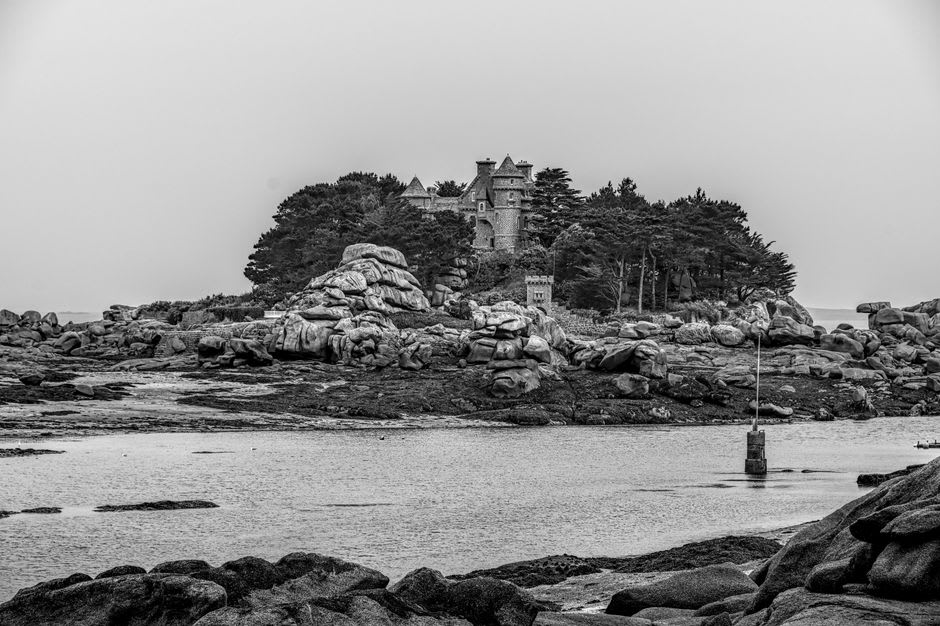
That sailcloth money is everywhere once you notice it — the stone mansions ringing the square weren’t built by farmers, they were built by canvas merchants who apparently did very well for themselves, and it shows in the carved doorways and the sheer scale of the houses for such a small place. We had lunch at a crêperie tucked into one of those old merchant buildings, galettes and a bottle of cidre bouché, and the owner told us — half proud, half amused — that we were sitting in a set from Polanski’s “Tess.” Locronan gets used constantly as a film location, “Chouans!” among others, because nobody’s touched the architecture in centuries. Walking the lanes afterward, camera-ready around every corner, I could absolutely see why directors keep coming back.
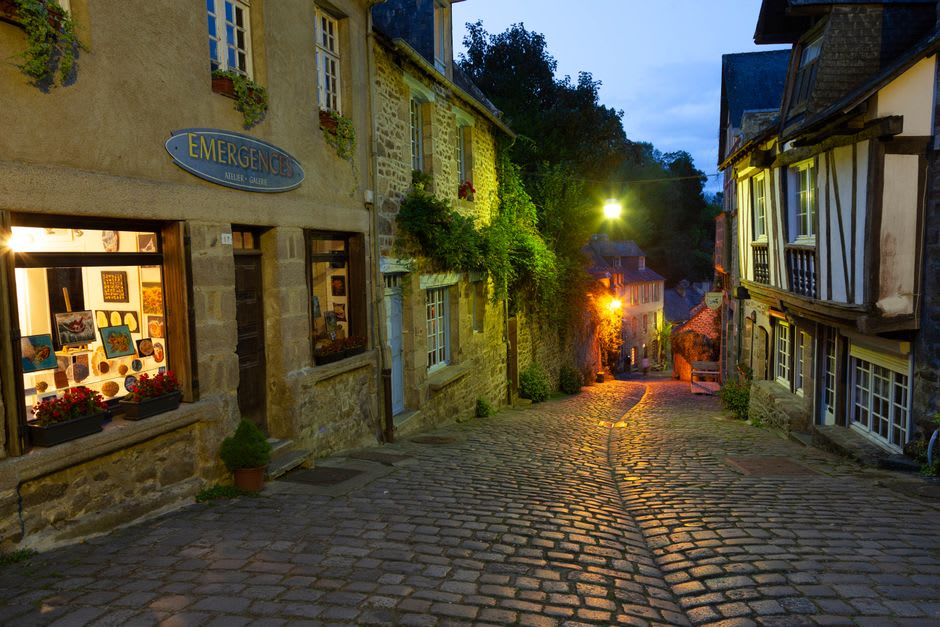
What stuck with me longest, though, was hearing about the pardon procession up Ménez Lokorn, the hill just outside town, which still happens every July in honor of Saint Ronan — a steep pilgrimage walk that locals have kept up for who knows how many generations. We didn’t time our visit for it, but standing in that square I could picture the whole village emptying out and climbing together, the same way it must have for centuries. It’s the kind of detail that makes a “beautiful village” stop feel like something more than a photo op.
When to go: We were glad we came in September — Locronan is small enough that a busload of visitors can swallow it whole, so spring or early autumn gets you the same granite glow with room to actually breathe in the square.
Keep exploring
More from Brittany
 brittany
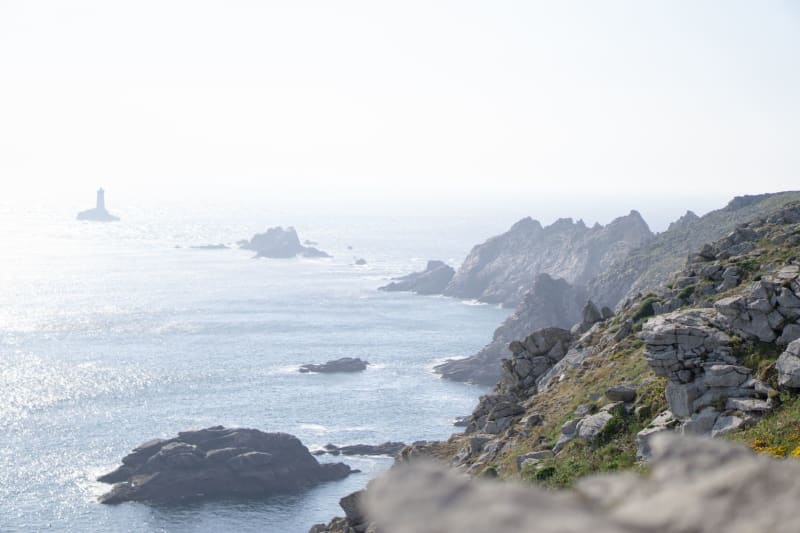
 Pointe du Raz
The westernmost tip of continental France: a blade of schist pointing into the Atlantic where the Raz de Sein current tears through the sea at six knots.
Explore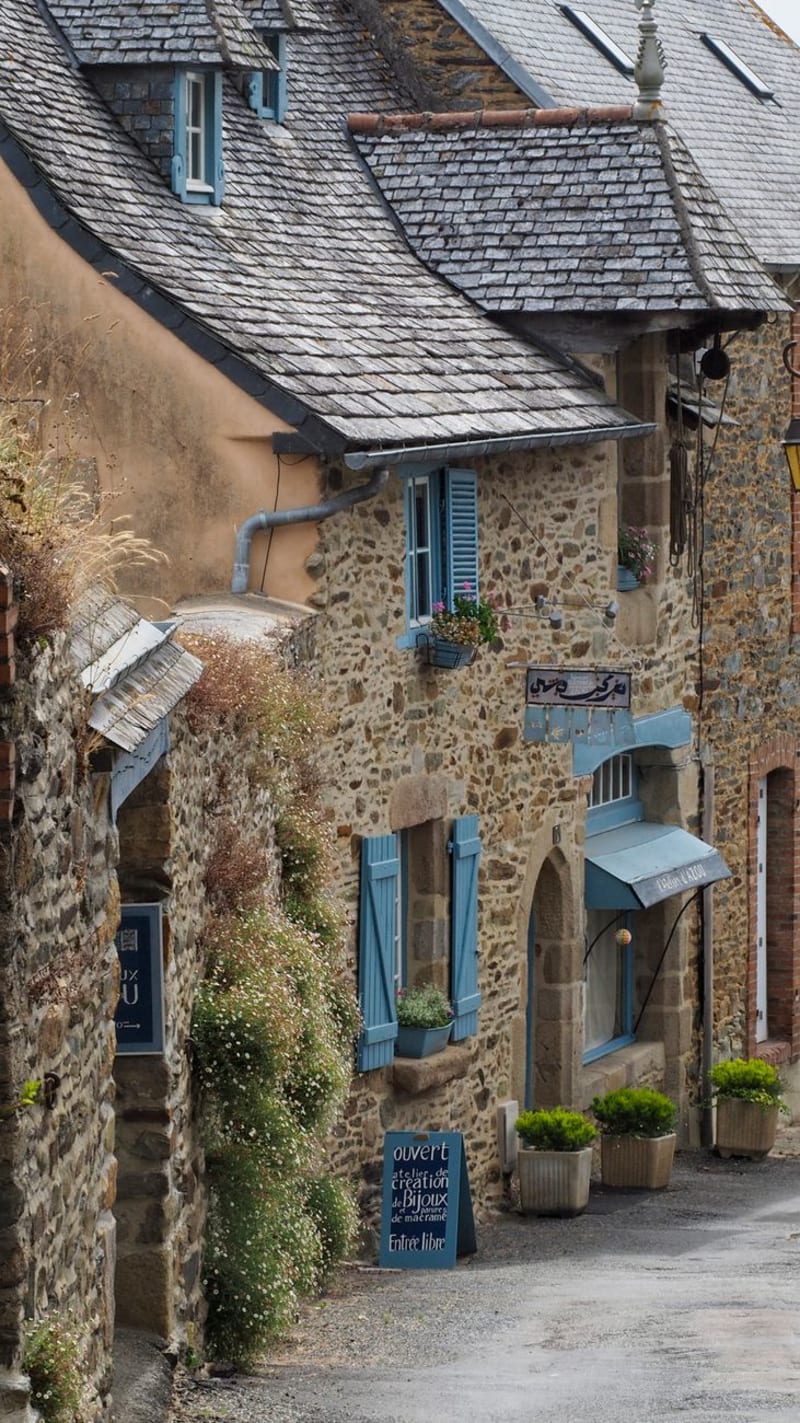 brittany
 Pont-Aven
The mill town on the tidal Aven where Gauguin learned to paint flat and bright, and where the butter biscuits are taken at least as seriously as the art.
Explore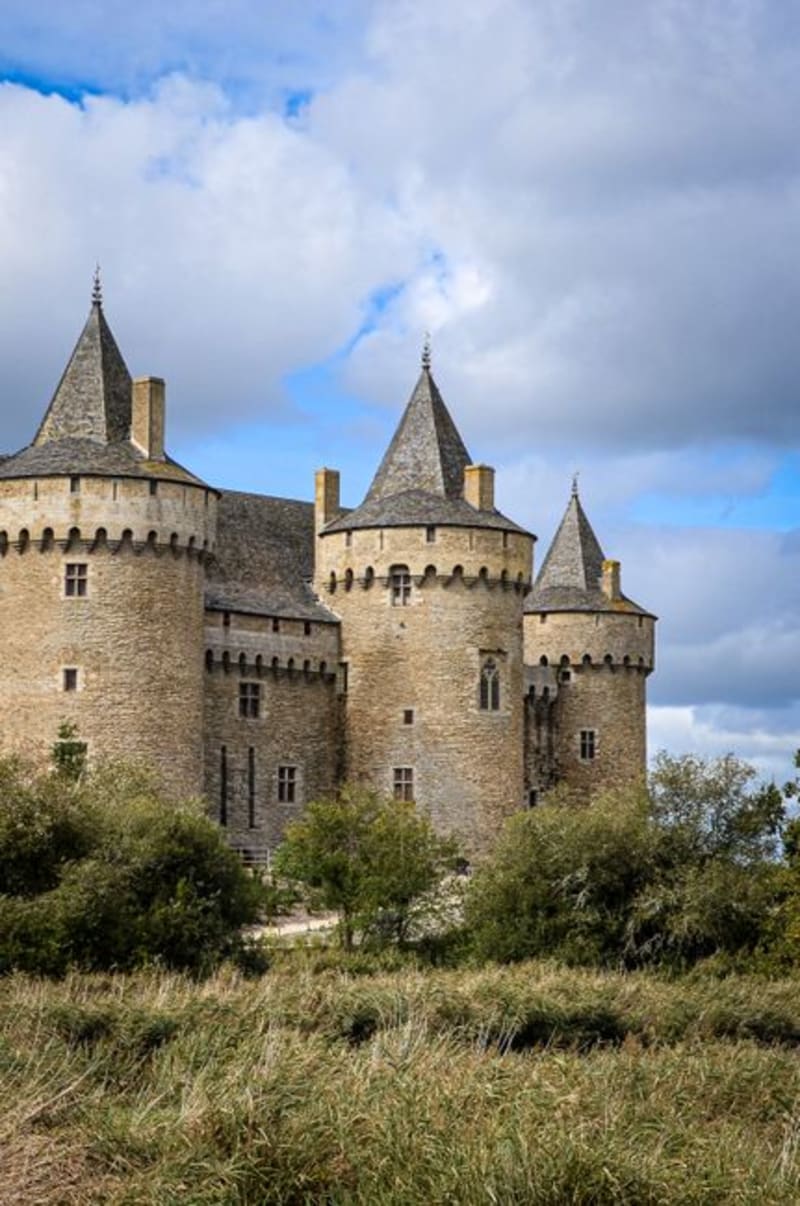 brittany
 Presqu'île de Rhuys
A slender peninsula guarding the Gulf of Morbihan, where a ducal fortress, oyster villages, and wild Atlantic beaches sit within a ten-minute drive of each other.
Explore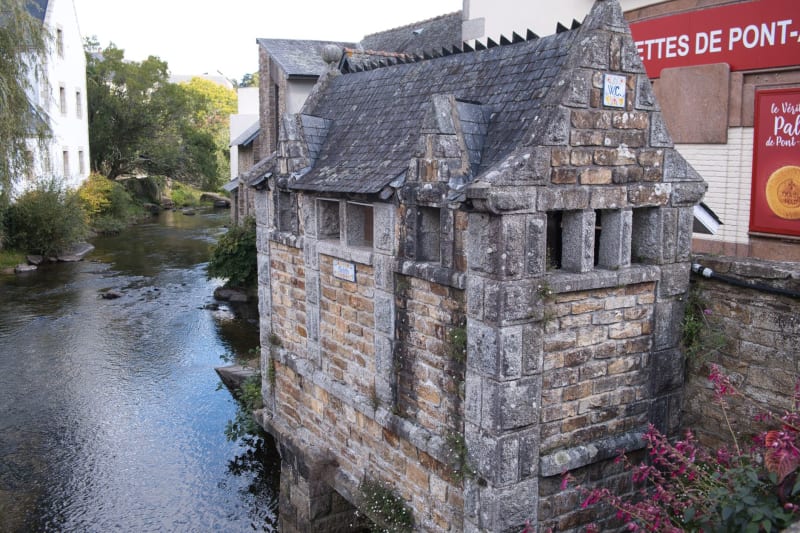 brittany
 Quimper
Brittany's old capital sits at the meeting of two rivers, where Gothic spires lean slightly and faïence pottery fills every shop window.
Explore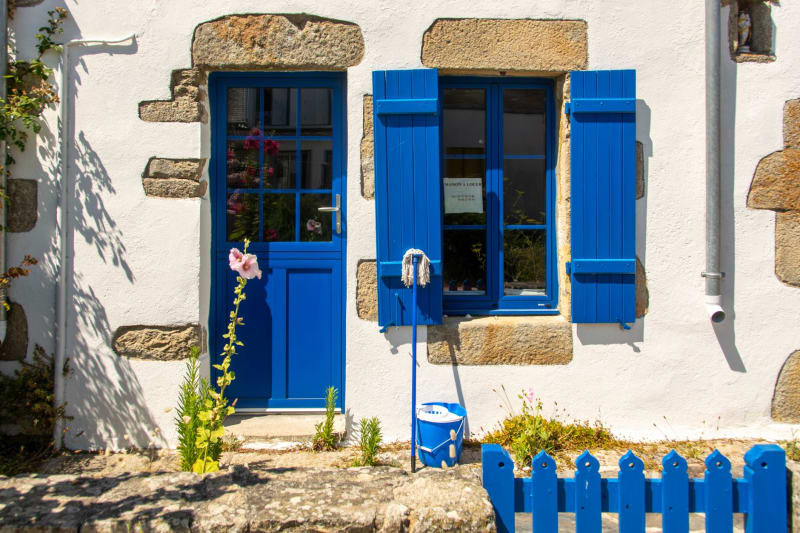 brittany
 Roscoff
A small ferry port of golden stone where onion sellers once sailed to England and the sea-cure tradition runs deeper than any spa menu.
Explore brittany
 Saint-Malo
A corsair city sealed inside granite ramparts where the sea doesn't just surround the place — it defines it.
Explore