Prince Rupert
"It rains here more than Vancouver, which I did not think was mathematically possible until I stood in it for four straight days."
A misty North Coast port city where the rainforest meets the Pacific, gateway to Haida Gwaii and Alaska, with a working history as deep as the fog is thick.
Prince Rupert sits at the end of a fourteen-hour drive from Prince George, or a longer, more scenic train ride on VIA Rail’s Skeena line, and most people who come through are en route somewhere else — the ferry to Haida Gwaii, the Alaska Marine Highway north, the long haul south to Vancouver Island. I nearly made that mistake too, treating it as a one-night stopover before catching the ferry west, and ended up staying three days because the fog never lifted enough to make the crossing, which turned out to be a gift rather than an inconvenience.
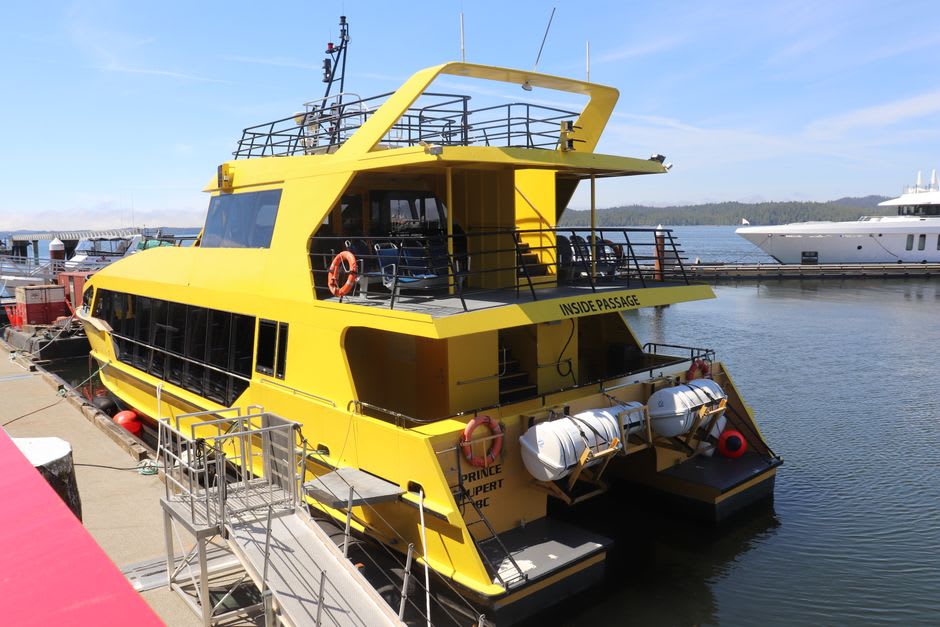
The city has one of the deepest natural harbours on the west coast of North America, which is why it became a major fishing and shipping port and why it remains one — this is a working town, container cranes and fish processing plants sitting alongside the tourist infrastructure without much effort to hide either. The Museum of Northern British Columbia does a genuinely serious job with the region’s Tsimshian history, whose territory this has been for over ten thousand years, with an archaeological record along the Skeena River estuary that’s among the oldest continuously inhabited sites documented in North America. I spent an afternoon there and came away understanding the North Coast’s human history at a depth I hadn’t gotten anywhere else in BC.
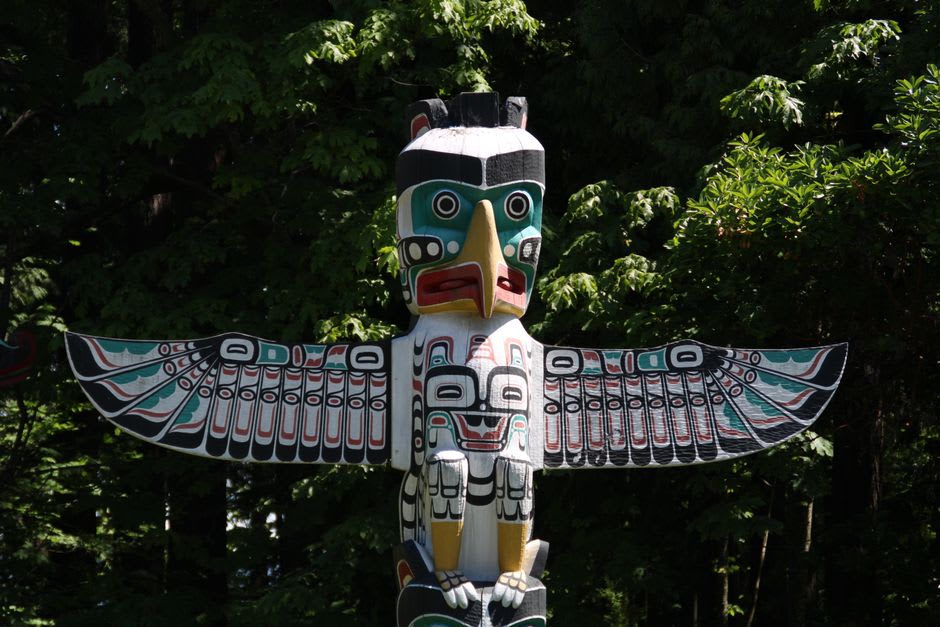
The rain is not a minor detail here — Prince Rupert averages well over two metres of precipitation a year, more than notoriously wet Vancouver, and the town’s relationship with it is refreshingly unbothered. Locals just dress for it and carry on; the fishing boats go out regardless, the farmers market runs rain or shine, and I ate some of the best fresh halibut of my life at a small harbourside spot while rain hammered the tin roof so loudly we had to raise our voices. There’s a stark, almost northern-European beauty to the mist settling over the spruce-covered islands in the harbour that I found myself missing weeks later back in dry, dusty Mexico.
When to go: June through August for the best (relative) chance of clear weather and salmon season at its peak. Understand going in that rain is likely regardless of season — it’s part of the character, not an obstacle to it.
Keep exploring
More from British Columbia
 british-columbia
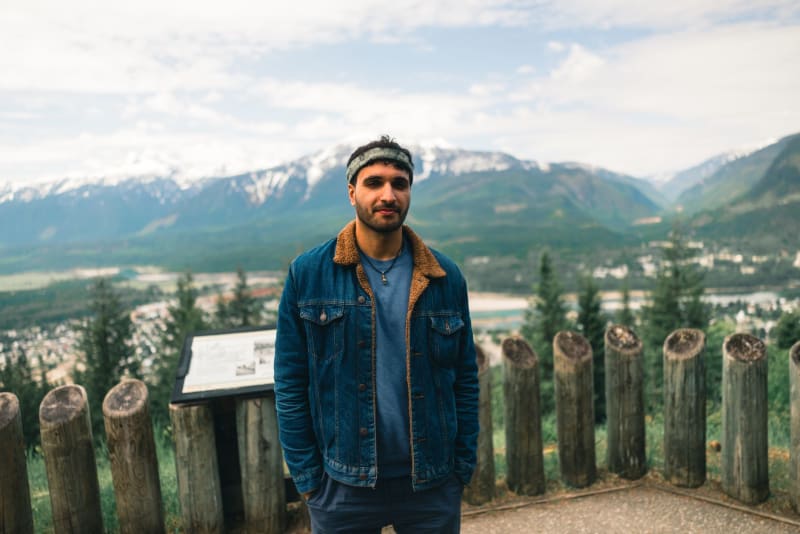
 Revelstoke
A mountain railway town in the Interior where record snowfall, a national park, and hot springs canyon have made something unexpected from a Trans-Canada junction.
Explore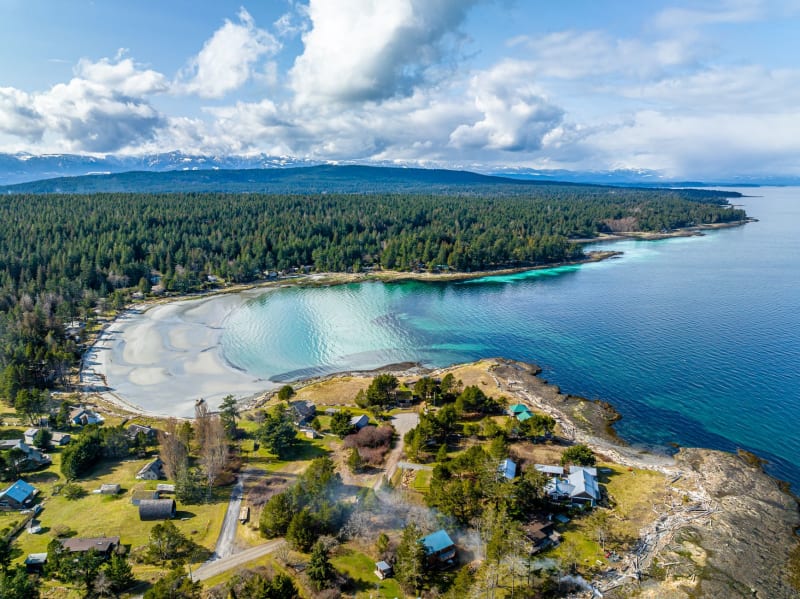 british-columbia
 Salt Spring Island
The largest of the Gulf Islands, where sheep graze on coastal bluffs and the Saturday market has been the social centre for fifty years.
Explore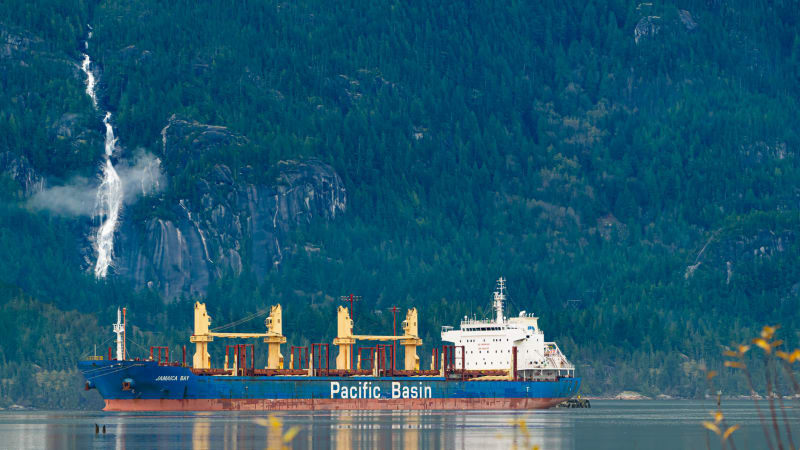 british-columbia
 Squamish
A small city lodged between Howe Sound and the Coast Mountains where climbers and windsurfers share the same geography, forty minutes from Vancouver.
Explore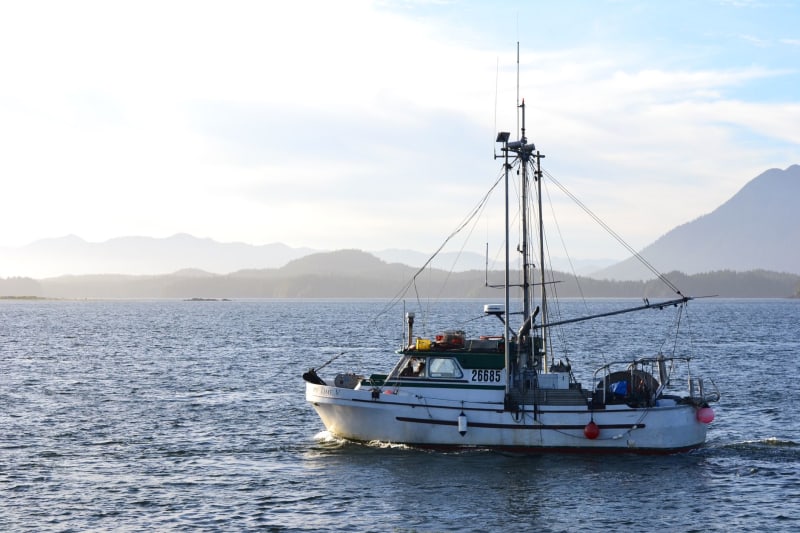 british-columbia
 Tofino
A surf town at the raw edge of the Pacific where old-growth cedar meets cold ocean swell and nobody is pretending otherwise.
Explore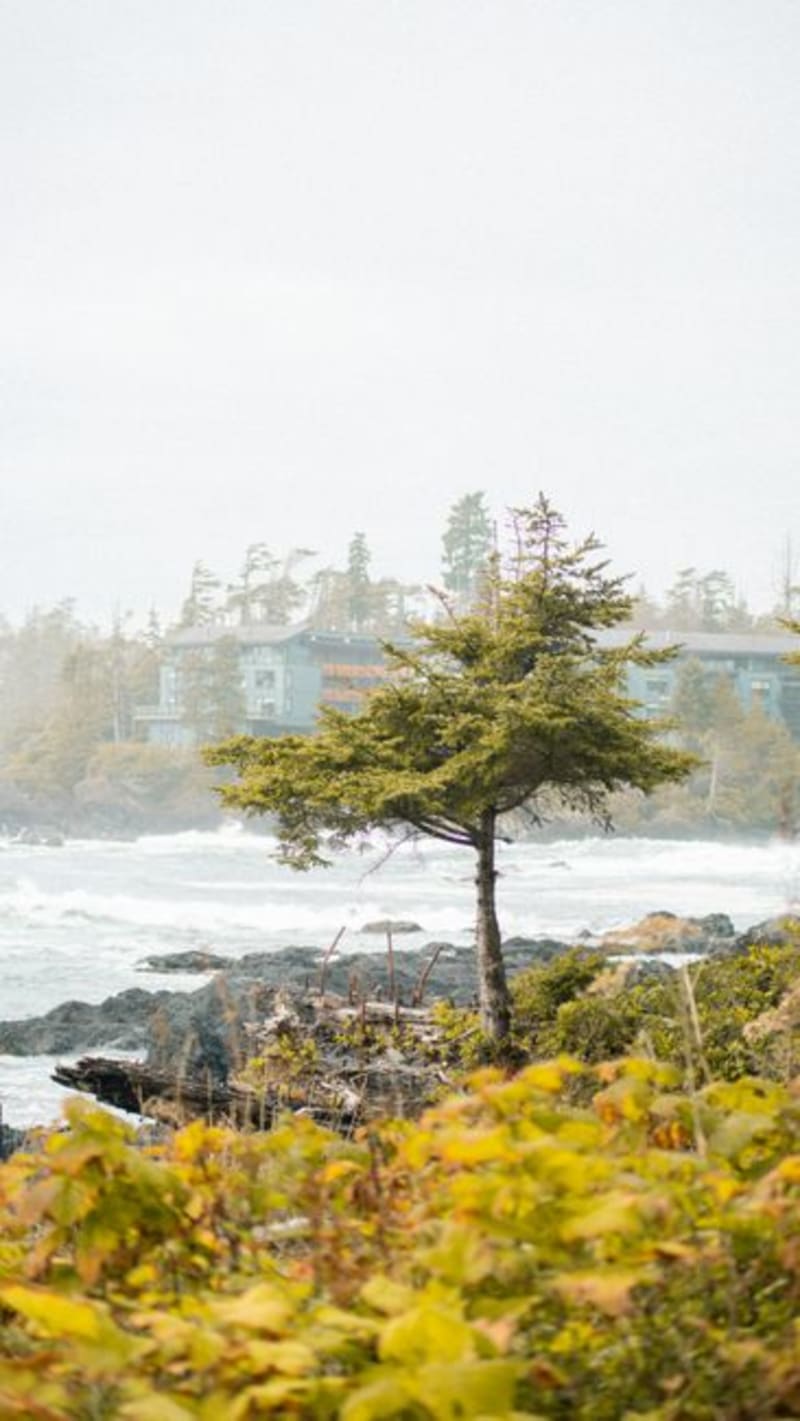 british-columbia
 Ucluelet
A working fishing town at the foot of the Pacific Rim where the storm-watching is world-class and nobody's trying to sell you a yoga retreat.
Explore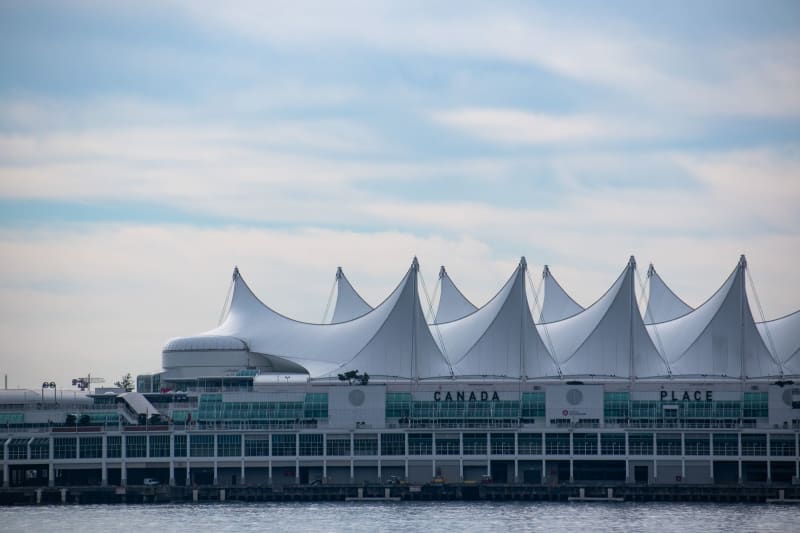 british-columbia
 Vancouver
A rain-polished Pacific city where the mountains are so close they feel like a standing invitation.
Explore