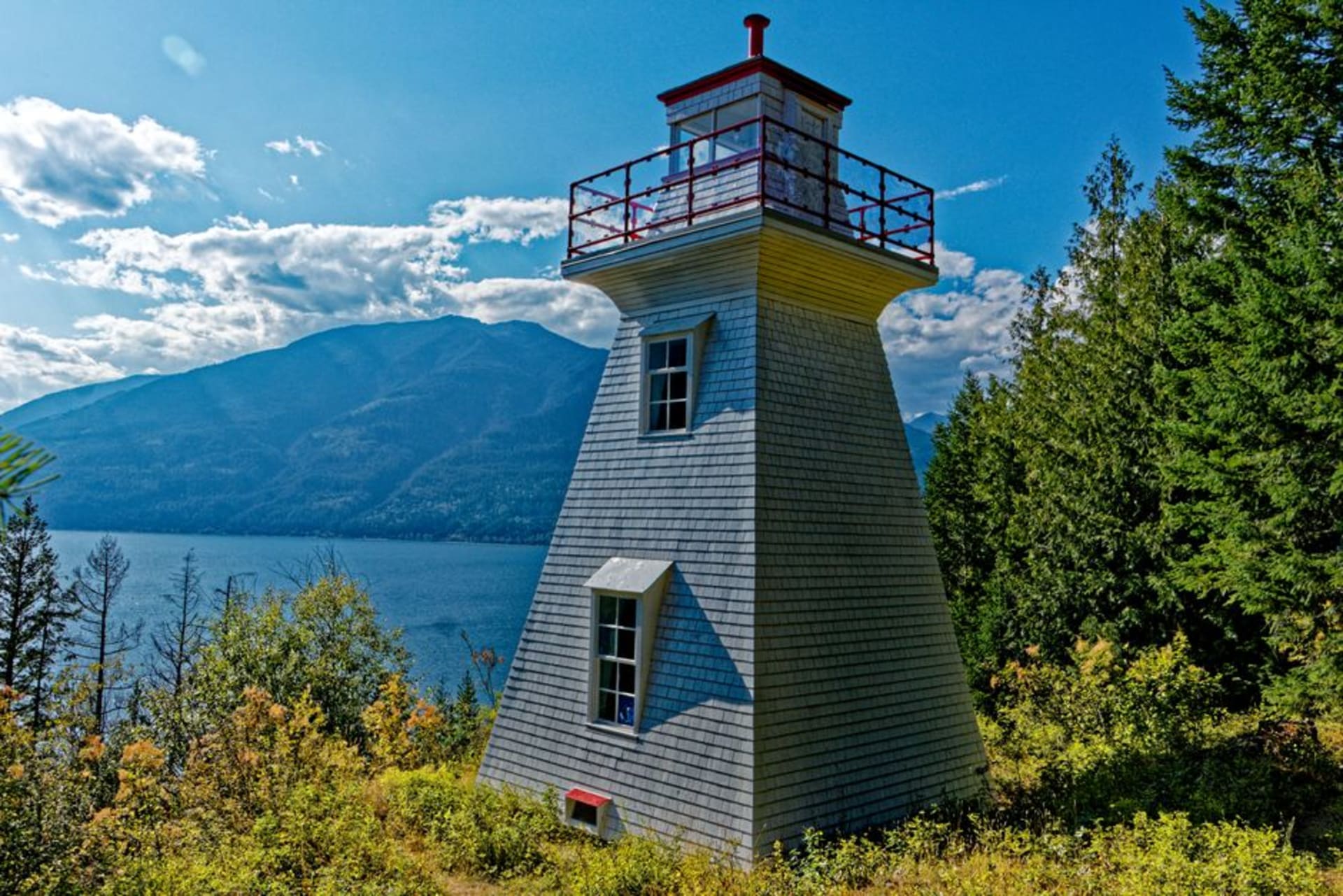
Kaslo
"Four hundred people, one preserved steamship, and a lake that looks fake in every photo I took."
A tiny Kootenay Lake village anchored by Canada's oldest surviving passenger sternwheeler, quieter and stranger than its more famous neighbour Nelson.
Kaslo is forty-five minutes north of Nelson along Kootenay Lake’s western shore, and the drive there is reason enough on its own — a narrow two-lane road cut into the mountainside with the lake constantly visible below, deep and blue and startlingly still on the mornings I drove it. The village itself has a population under a thousand, which makes its most famous landmark faintly absurd: the SS Moyie, the oldest intact passenger sternwheeler in Canada, sits dry-docked directly on the lakeshore as a National Historic Site, having run passengers and freight up and down Kootenay Lake from 1898 until 1957.
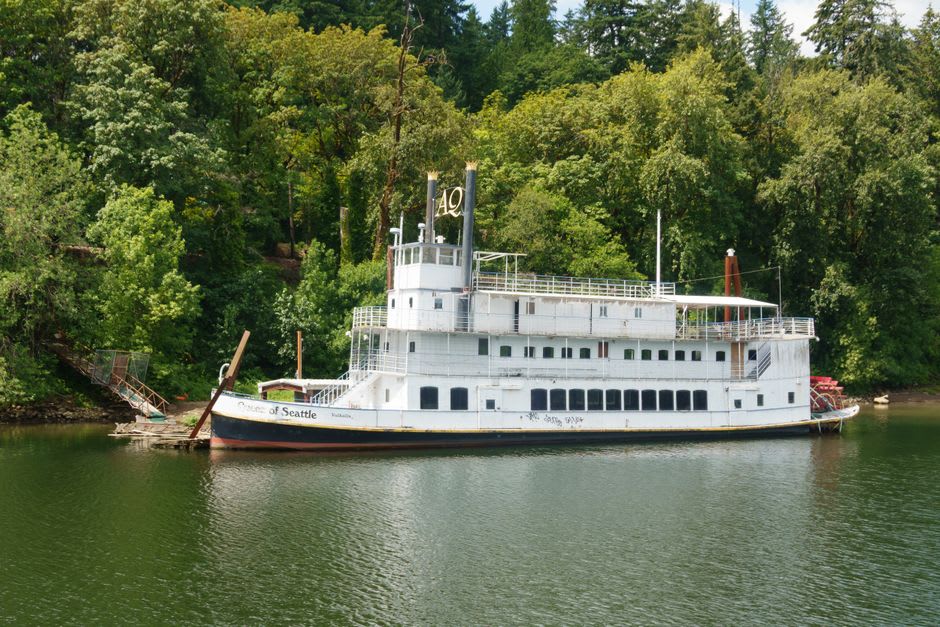
I spent an hour on board with an audio guide, walking decks that once carried miners, mail, and lumber between towns with no road access at all — for decades, the sternwheeler was the only way in or out of half the settlements on the lake, which reframes how remote this whole region genuinely was before highways existed. The Moyie’s preservation is meticulous, right down to the original engine room brass, and it’s the kind of small-museum experience that ends up sticking with you more than a bigger, better-funded one might, precisely because nobody’s trying too hard.
The village itself is a few blocks of heritage buildings — a general store, a bakery that’s been there for decades, a bar with a deck over the water where I sat for a long time watching almost nothing happen, which was precisely the appeal. Kaslo also hosts a genuinely good jazz festival in summer that draws musicians from across Western Canada into a town that otherwise has no business having a music festival at all, and the mismatch between the size of the village and the quality of what shows up is the whole charm of the place. I bought smoked trout from a woman selling it out of a cooler in her driveway and ate it on a public dock, watching a bald eagle work the shoreline, and it remains one of the more purely content afternoons I’ve had in Canada.
When to go: Summer, July through August, for the jazz festival and lake swimming at its warmest. Shoulder seasons are quieter still and the drive along the lake is arguably more beautiful with fewer other cars on it.