Cathedral Grove
"You can pull off the highway, walk two hundred metres, and stand next to a tree that was already three hundred years old when Columbus sailed."
A roadside stand of eight-hundred-year-old Douglas firs on Vancouver Island, one of the last easily accessible fragments of BC's original coastal old growth.
Cathedral Grove sits directly on Highway 4 between Port Alberni and Parksville, on the way to Tofino, which means an enormous number of people drive within a hundred metres of it without stopping. I nearly did the same thing on my first trip across the island before a friend physically made me pull over, and I’ve been grateful to her ever since — this is one of the last stands of low-elevation old-growth Douglas fir left on southern Vancouver Island, part of MacMillan Provincial Park, and it takes about fifteen minutes to walk through and will reorganize your sense of scale for the rest of the day.
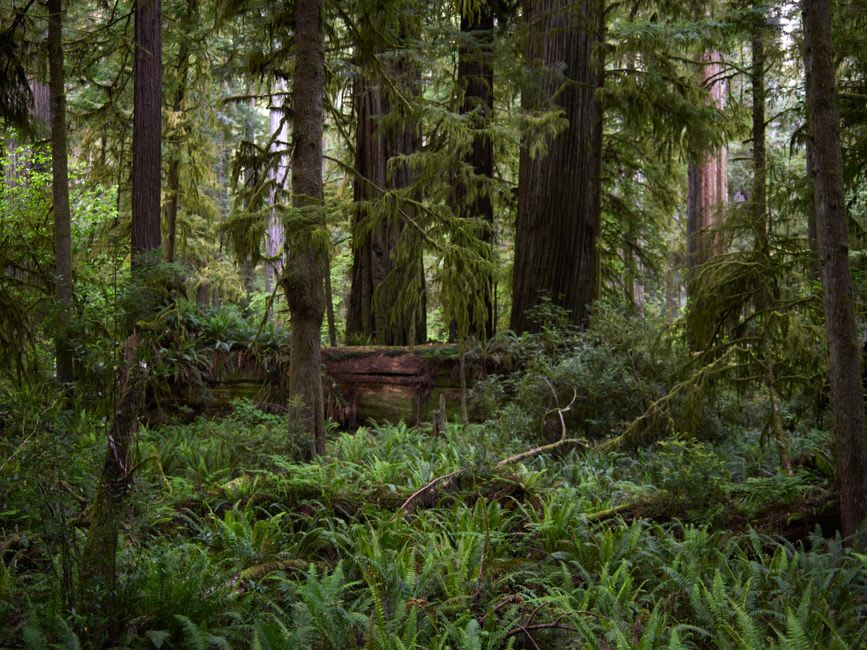
The trees on the north side of the highway are the real draw — some Douglas firs here are estimated at eight hundred years old, over seventy metres tall, with trunks so wide that a person standing beside one looks like they’ve wandered into the wrong scale of photograph entirely. This land is within the traditional territory of the Hul’qumi’num and Nuu-chah-nulth peoples, who have lived among and used these forests for millennia, and interpretive signage along the boardwalk trail does a reasonable job acknowledging that this grove is a remnant, not a wilderness — less than one percent of BC’s original low-elevation old-growth Douglas fir forest remains, most of it logged over the past century and a half.
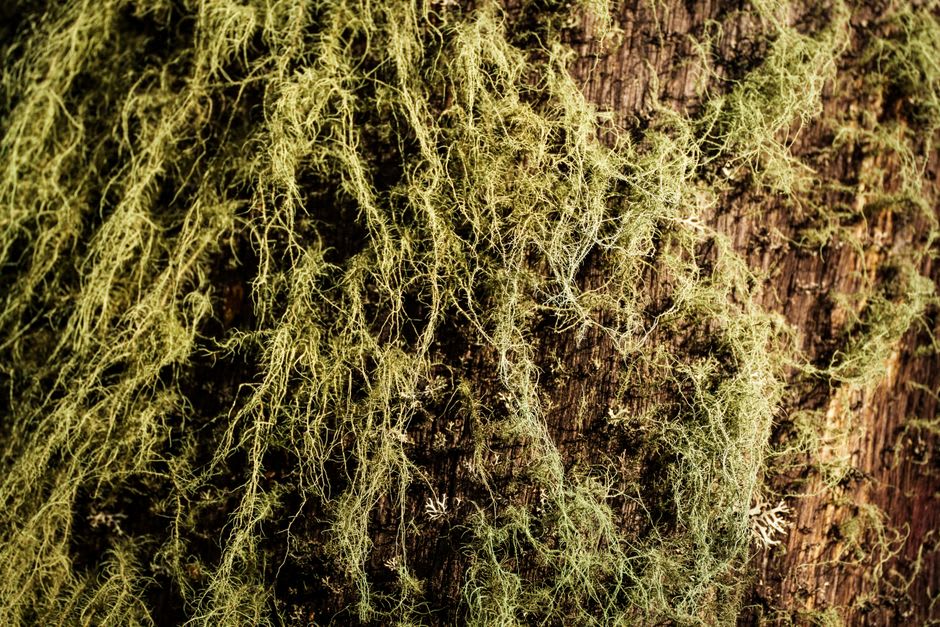
A windstorm in 1997 knocked down a number of the grove’s largest trees, and rather than clear them away entirely, park management left several fallen giants in place along the trail, nurse logs slowly becoming host to new hemlock and cedar seedlings growing directly out of the decaying wood — a visible demonstration of how these forests actually regenerate that no amount of reading about it prepares you for. I stood next to one fallen trunk that was taller than me lying on its side and tried, unsuccessfully, to get a sense of its full length in one photograph.
When to go: Any time of year — it’s a short roadside stop rather than a hike, so weather matters less than elsewhere. Early morning avoids the tour buses that stop through midday in July and August.
Keep exploring
More from British Columbia
 british-columbia
 Galiano Island
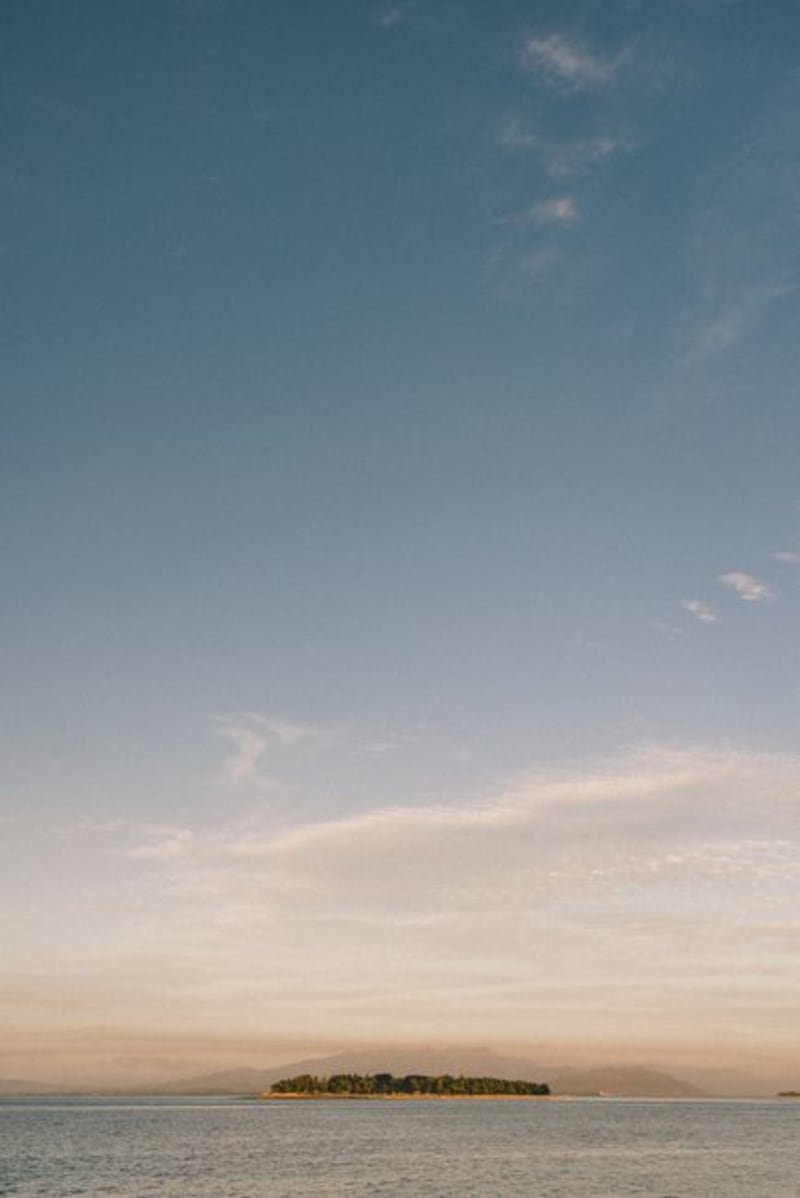
A slender, largely undeveloped Gulf Island of arbutus bluffs and Douglas fir forest, quieter and less discovered than its Gulf Island neighbours.
Explore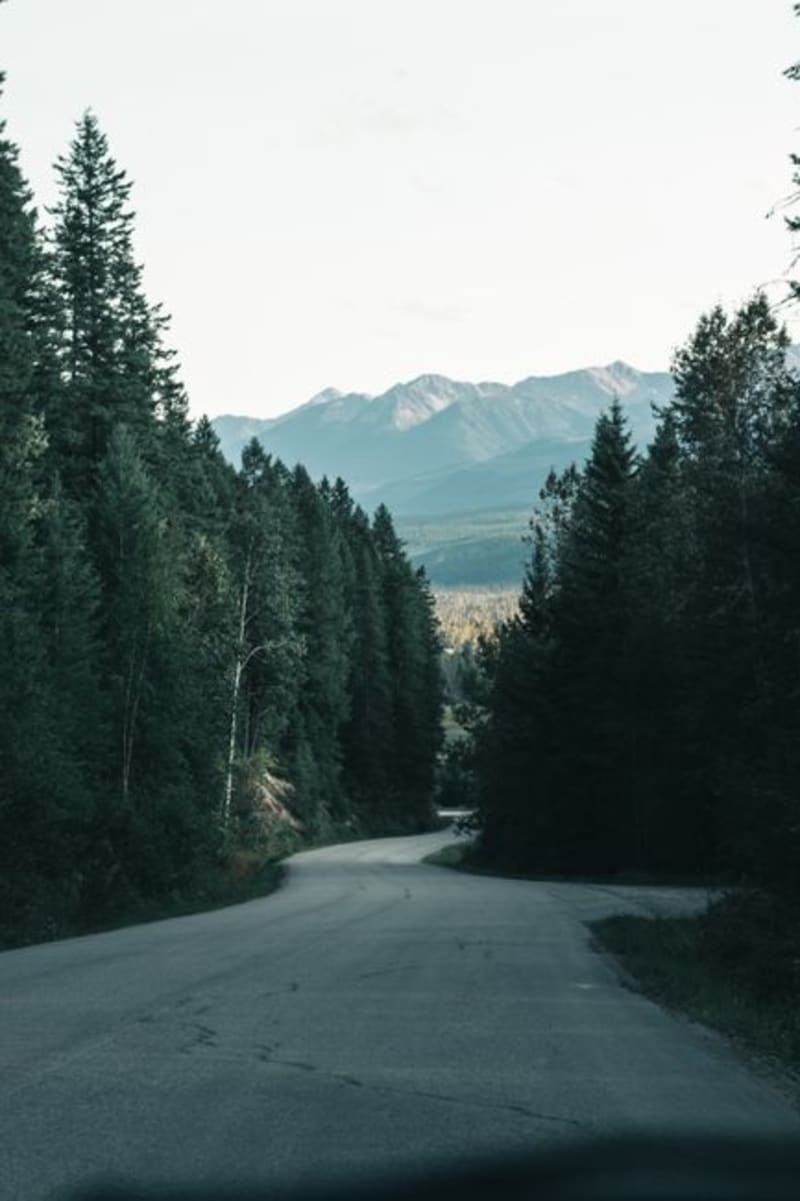 british-columbia
 Golden
A Rocky Mountain trench town where the Columbia River, five national parks, and a gondola with a glass-floor skywalk all sit within an hour's reach.
Explore british-columbia
 Haida Gwaii
A remote archipelago off BC's north coast where Haida culture, ancient rainforest, and the open Pacific exist on their own terms.
Explore british-columbia
 Harrison Hot Springs
A lakeside village ninety minutes from Vancouver built around mineral hot springs, a vast glacial lake, and one very famous sand sculpture competition.
Explore british-columbia
 Kaslo
A tiny Kootenay Lake village anchored by Canada's oldest surviving passenger sternwheeler, quieter and stranger than its more famous neighbour Nelson.
Explore british-columbia
 Nelson
A Kootenay mountain town built on silver-boom heritage architecture where the arts scene punches far above its weight and the lake is cold and enormous.
Explore