Tijuca Forest
"Tijuca is proof that a rainforest, once destroyed, can be talked into coming back."
The world's largest urban rainforest, replanted by hand in the 1860s, where waterfalls and howler monkeys sit twenty minutes from Ipanema's traffic.
The fact that gets lost in the postcards of Corcovado is that the statue is standing in the middle of a rainforest, and that rainforest is not some remnant that survived Rio’s growth by accident. Tijuca was almost entirely cleared for coffee plantations by the mid-1800s, and when the resulting erosion threatened the city’s water supply, Emperor Dom Pedro II ordered it replanted — by hand, tree by tree, largely using enslaved and later freed laborers, starting in 1861. What stands today, the largest urban forest on the planet, is essentially a 160-year-old restoration project that succeeded beyond anyone’s plan.
Knowing that history changes how the forest feels underfoot. I hiked in on a Tuesday morning with a local guide, and within ten minutes of leaving the trailhead the traffic noise of Rio had vanished entirely, replaced by the guttural roar of howler monkeys somewhere in the canopy — a sound so much larger than the animal making it that I assumed, the first time I heard it, that something considerably bigger was nearby.
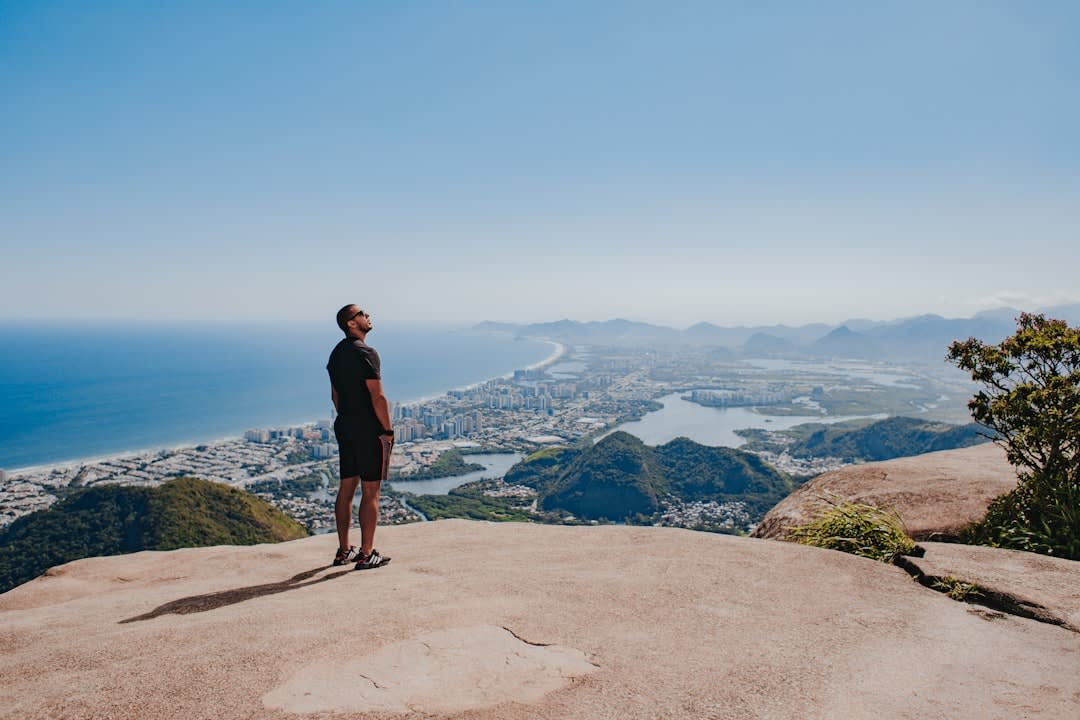
Cascatinha Taunay, a broad waterfall named after the French painter who captured it on canvas in the 1800s, is the park’s most accessible highlight — a short walk from a parking area, with a pool at the base where hikers cool off after a climb. Further into the park, the Pico da Tijuca trail is the serious hike: a steep, occasionally hands-on-rock scramble to the forest’s highest peak at just over 1,000 metres, rewarded with a 360-degree view that takes in Christ the Redeemer from a completely different angle, the whole sweep of the Zona Sul beaches, and on a clear day, the mountains disappearing into the interior of the state.
Along the way, the forest reveals itself as genuinely wild rather than manicured — capuchin monkeys raiding picnic spots with practiced audacity, toucans occasionally visible in the higher branches, and the Mesa do Imperador, a stone table and viewpoint built for Dom Pedro II’s own visits, where I stopped for the lunch Lia had insisted on packing and understood immediately why an emperor picked this exact spot to eat.
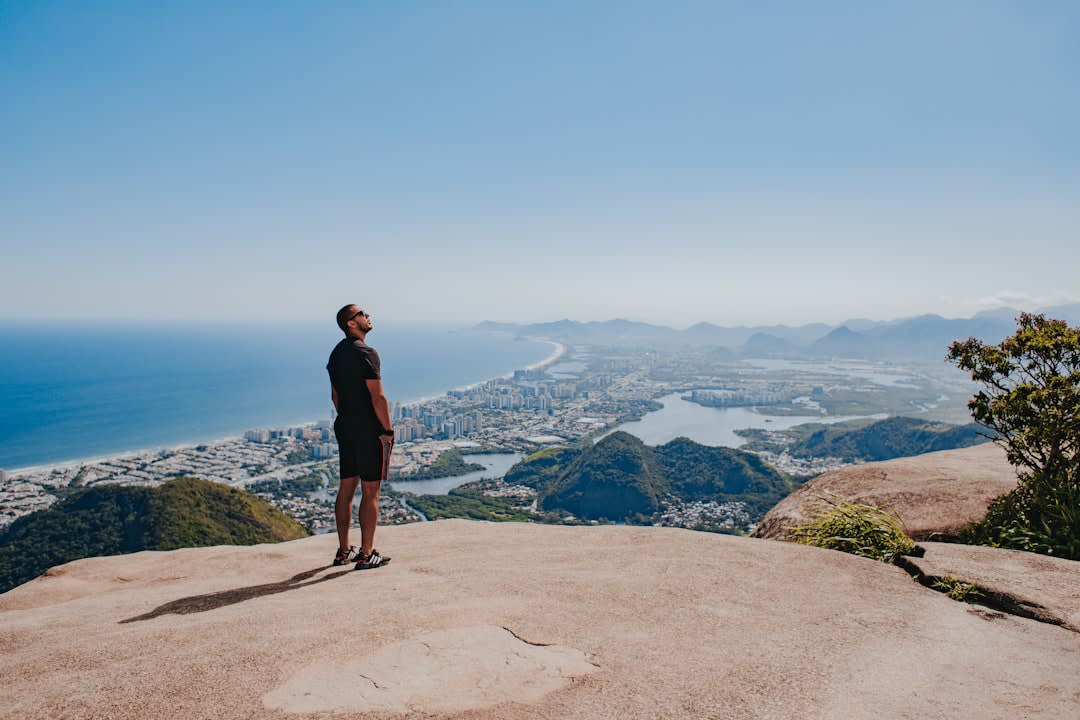
The park is enormous — larger than many people expect — and its trailheads are scattered enough that a car, taxi, or organized tour makes far more sense than trying to walk in from the city. Trails range from paved fifteen-minute strolls to genuine full-day hikes, so match your ambition to your footwear before committing.
When to go: May to September for cooler hiking temperatures and lower humidity. Early morning departures avoid both the midday heat and the afternoon cloud that frequently rolls in over the peaks.
Keep exploring
More from Brazil
 brazil
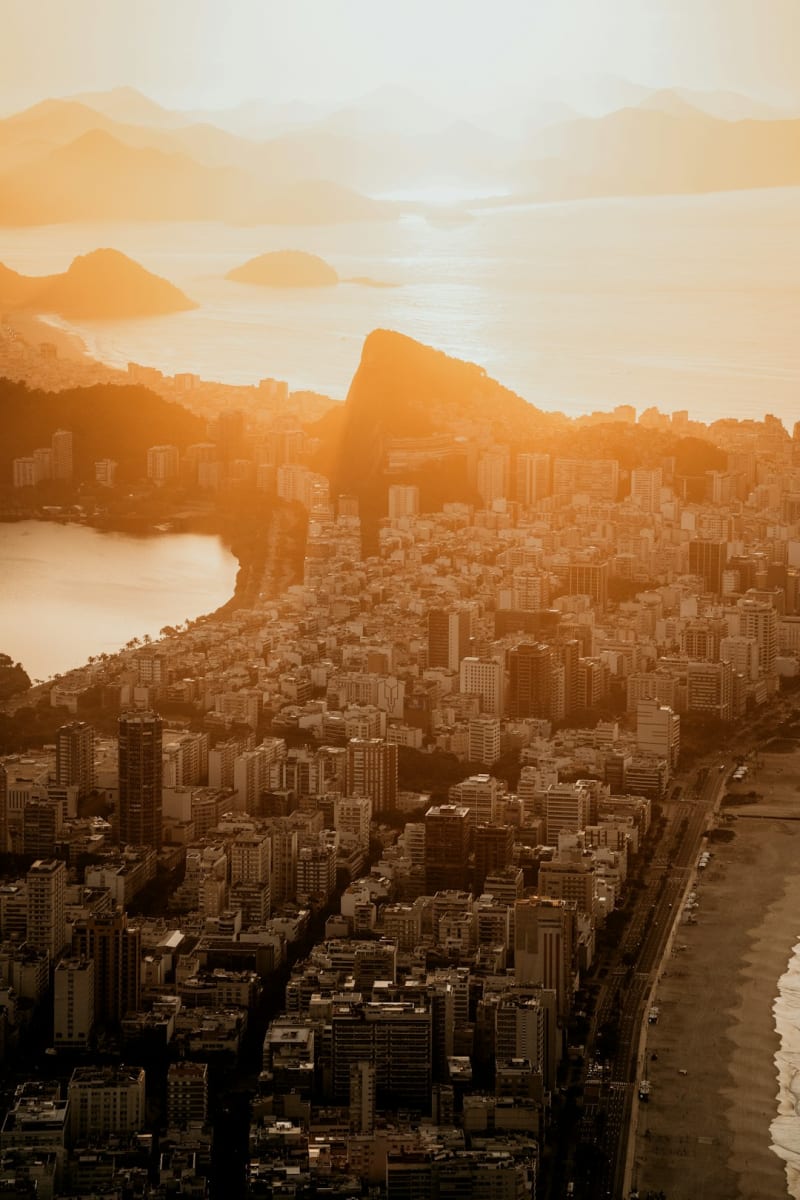
 Tiradentes
A postcard-perfect Baroque town in Minas Gerais where a steam train still huffs into the station and every restaurant seems to be run by a chef who trained in São Paulo and came home.
Explore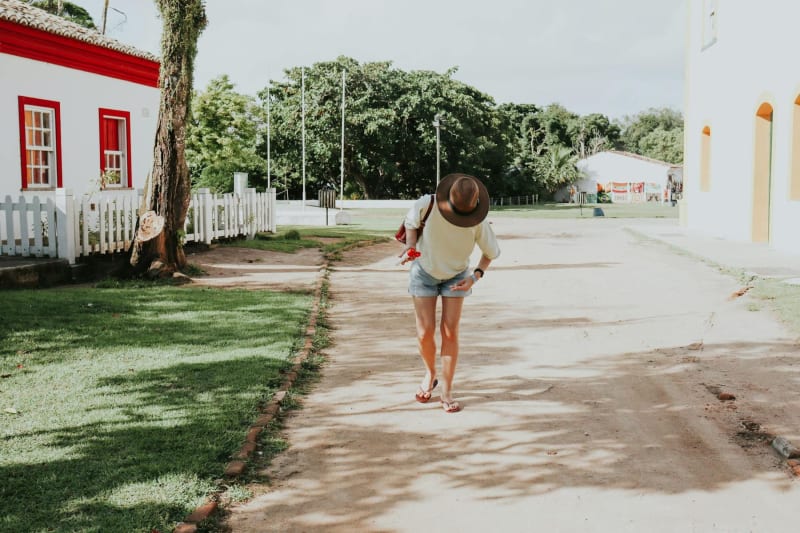 brazil
 Trancoso
A Bahian village founded by Jesuits in 1586 around a grassy quadrado of colored beach houses above red-cliffed beaches.
Explore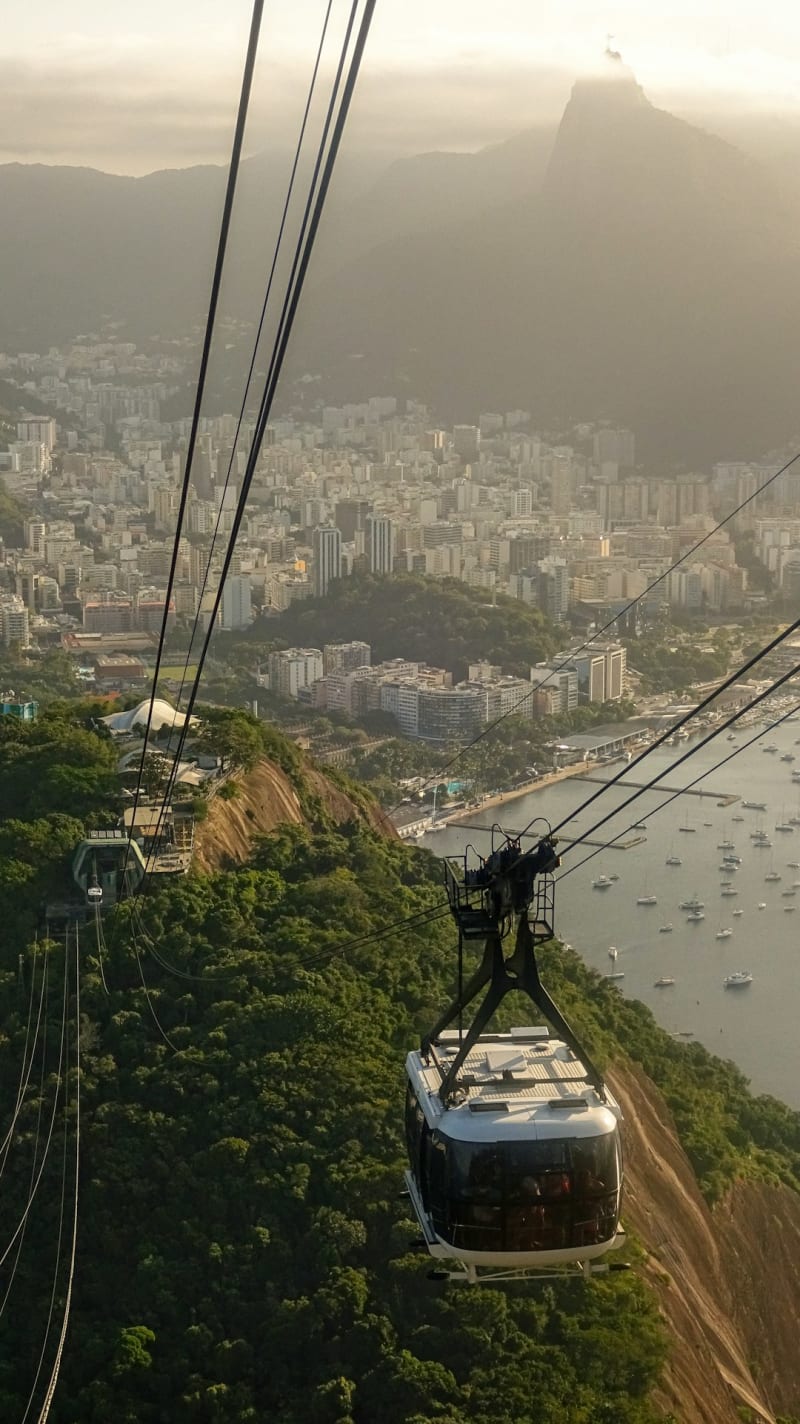 brazil
 Ubatuba
Officially 100 beaches, unofficially the friendliest surf town on the São Paulo coast, and the place where I finally learned to read a wave.
Explore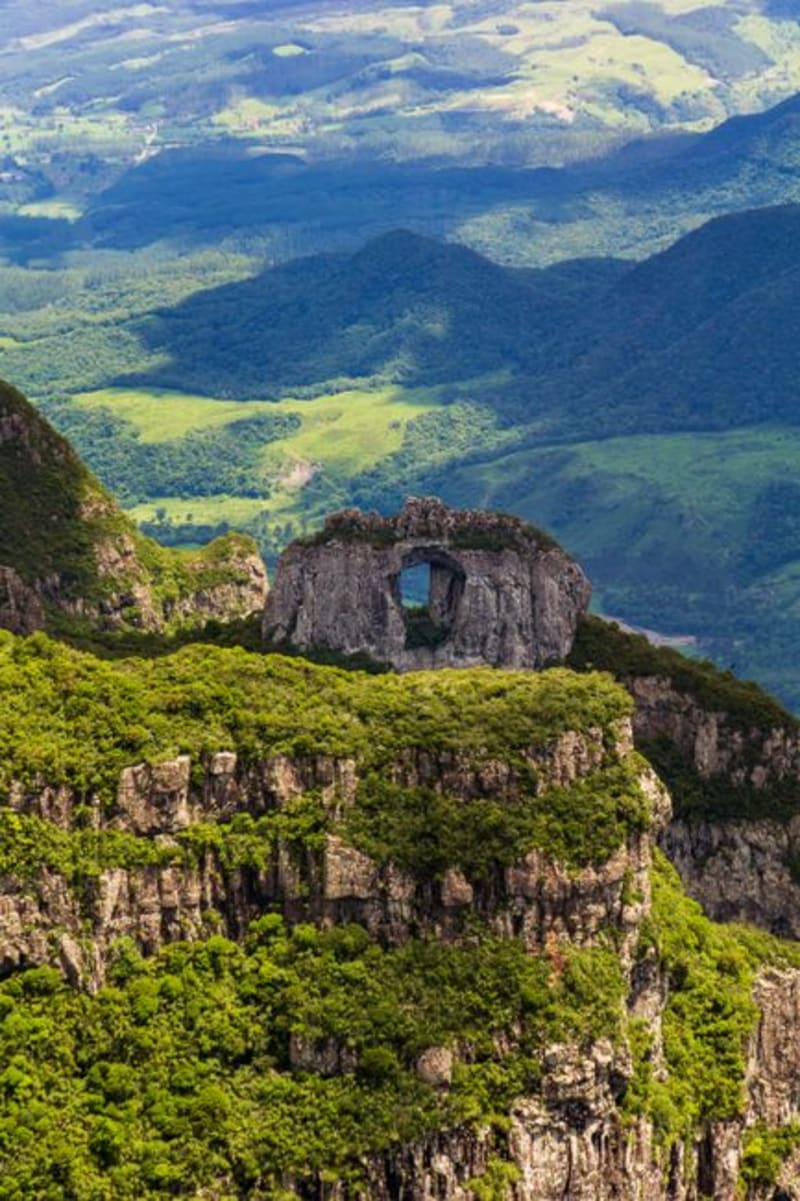 brazil
 Urubici
A mountain town in Santa Catarina's highlands that regularly records Brazil's coldest temperatures — and hides canyons that rival anywhere in the country.
Explore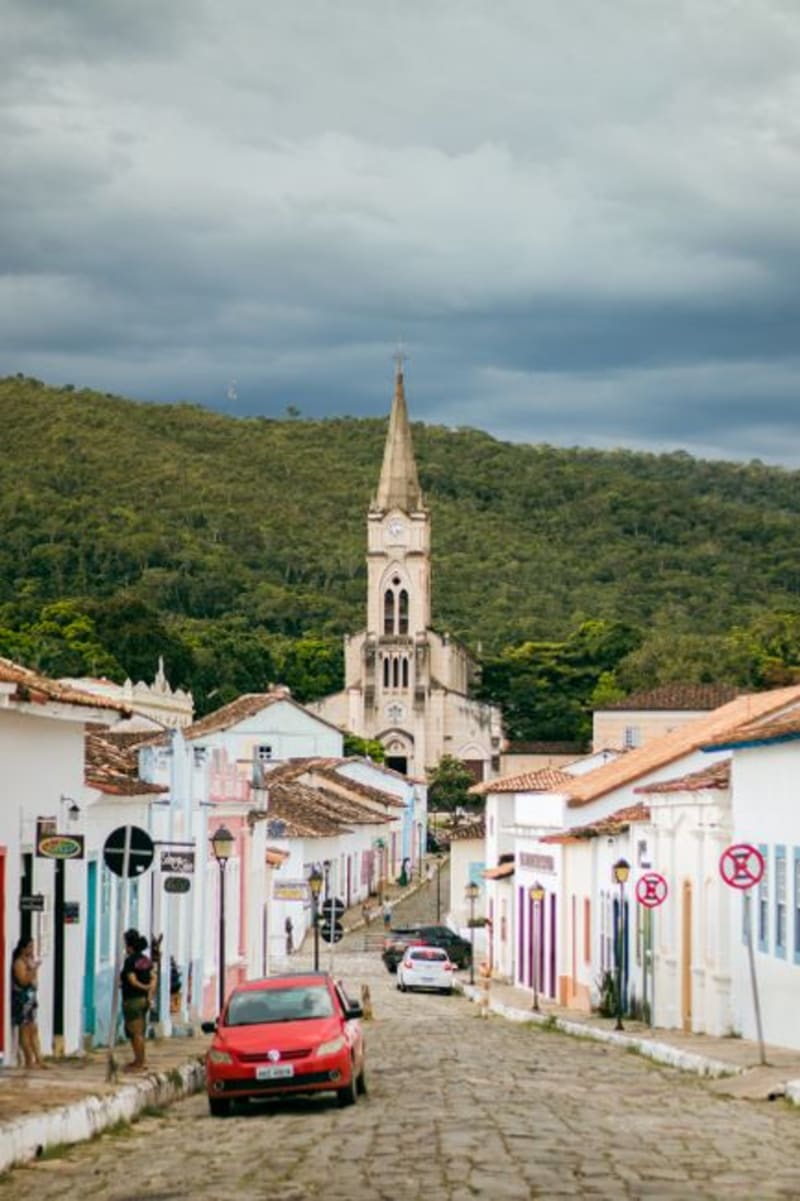 brazil
 Valença
A working river town on the Rio Una best known as the ferry gateway to Morro de São Paulo, but worth a day in its own right for its colonial waterfront and boatbuilding tradition.
Explore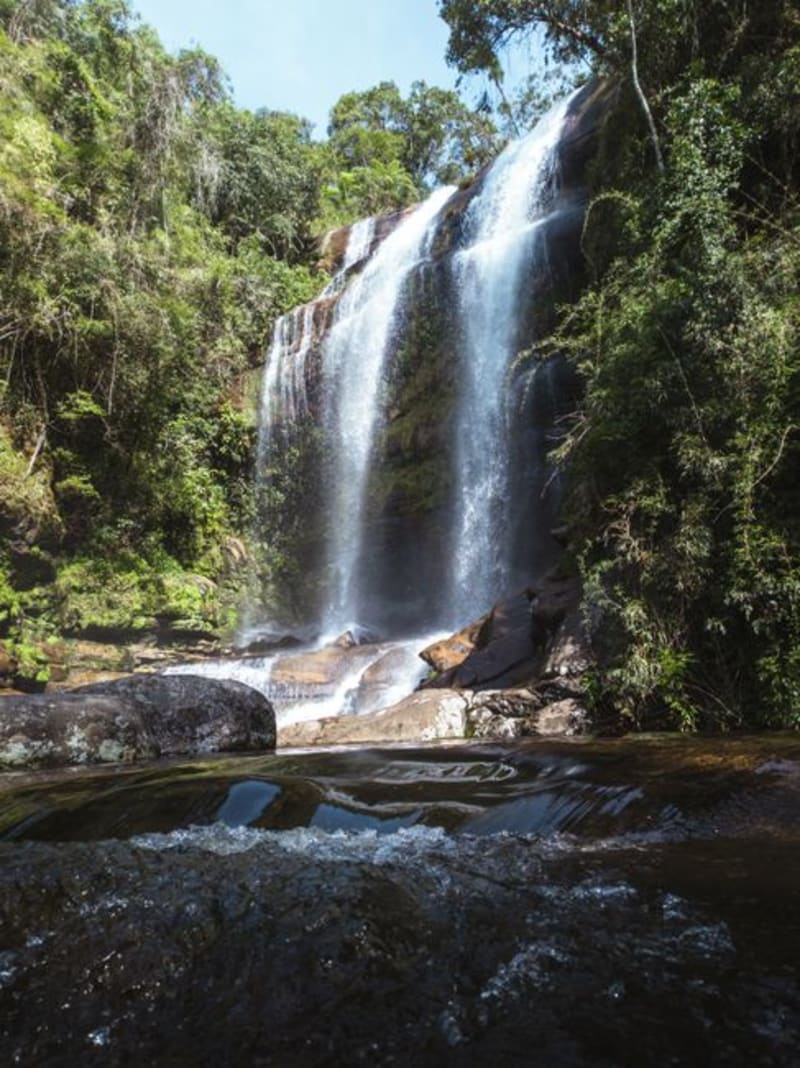 brazil
 Visconde de Maua
A cool mountain village near Rio, founded by Finnish immigrants, threaded with waterfalls, cachaca stills, and pine-shadowed rivers.
Explore