Two cable car rides, one granite dome rising straight out of the harbour, and the view that makes every other Rio panorama feel like a warm-up.
Pão de Açúcar earns its nickname honestly — a smooth granite dome rising almost 400 metres straight out of Guanabara Bay, with the rounded shape of the sugar loaves that Portuguese traders once used to transport refined sugar. It sits at the mouth of the harbour like something placed there on purpose, and the two-stage cable car that has been running to its summit since 1912 is, remarkably, one of the oldest of its kind anywhere in the world.
The ride up happens in two glass cars strung on cables between three points: the base at Praia Vermelha, the intermediate stop at Morro da Urca, and the summit itself. I’d recommend getting off at Urca on the way up rather than riding straight through — it’s a lower, gentler hill with its own restaurant, an amphitheatre that occasionally hosts concerts, and a view of the city that, on its own, would already justify the trip. Most people rush past it toward the second car, which is a mistake.
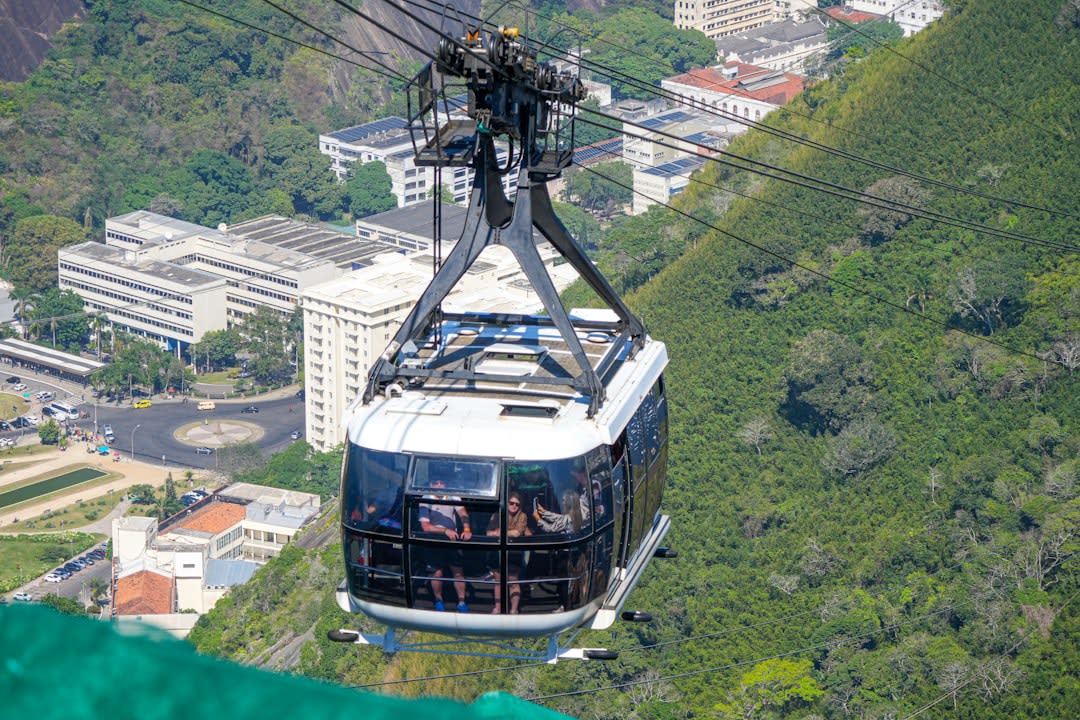
The second leg, up to the true summit, is where the view stops being merely good and becomes something closer to disorienting. Corcovado and Christ the Redeemer appear across the city to the west, small enough from here to hold between two fingers. Copacabana and Ipanema stretch along the coast to the south, their beaches reduced to pale threads against the blue. Directly below, the bay is dotted with small islands and threaded with the wakes of ferries heading toward Niterói. I went up in the late afternoon on Lia’s recommendation, and the light did exactly what she promised — turned the granite gold and the water molten, right before the whole scene dimmed into the blue hour and the city’s lights came on beneath us in sections, like someone turning on rooms in a house one at a time.
The base area at Praia Vermelha (“Red Beach,” named for the reddish tint of its sand) is a small, sheltered cove worth a walk before or after the cable car — quieter than Copacabana, popular with local families, and framed by the mountain itself rising directly behind it. Rock climbers use the granite faces around here regularly; watching someone scale Sugarloaf’s flank while you ride past it in a cable car is a genuinely strange vertical juxtaposition.
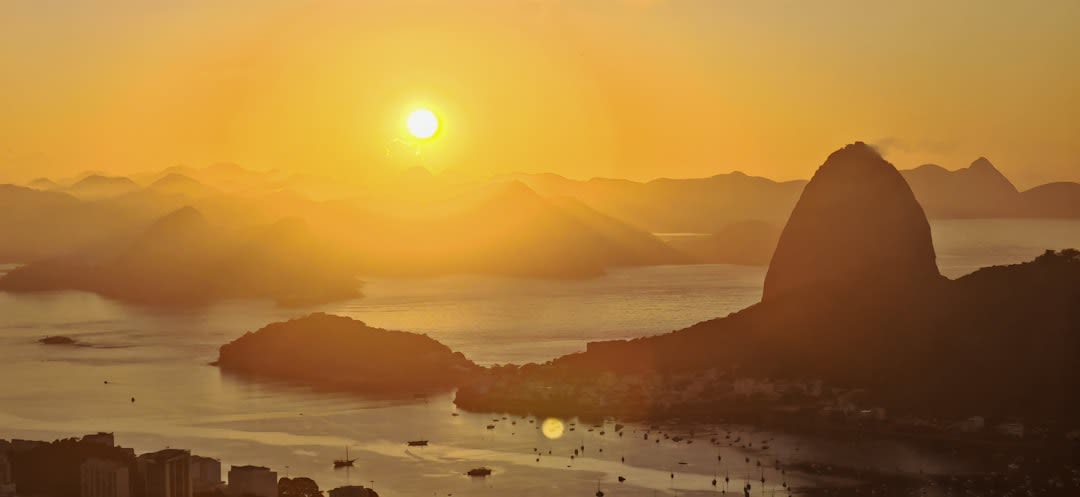
Practically: buy tickets online to skip the queue, which can stretch well over an hour at peak times, and go either at opening or in the last two hours before sunset — both for the light and for a fraction of the midday crowd.
When to go: Late afternoon, any time of year, timed to catch sunset from the summit before the cable car’s last descent. Clearer skies from May to September improve the odds of an unobstructed view.
Keep exploring
More from Brazil
 brazil
 Tatajuba
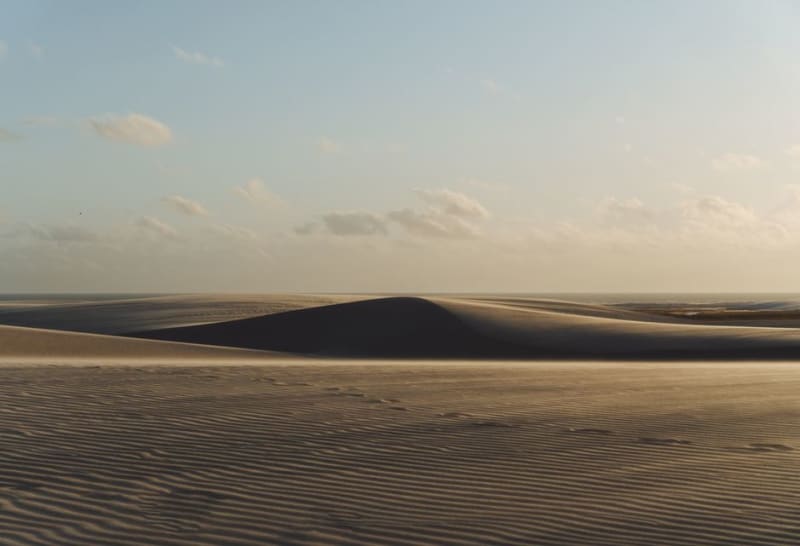
A fishing village an hour past Jericoacoara where the dunes have swallowed part of the town, and a river crossing by raft is still the only way in.
Explore brazil
 Tefé
An unassuming Amazonas river town that happens to be the gateway to one of the world's great conservation reserves.
Explore brazil
 Tijuca Forest
The world's largest urban rainforest, replanted by hand in the 1860s, where waterfalls and howler monkeys sit twenty minutes from Ipanema's traffic.
Explore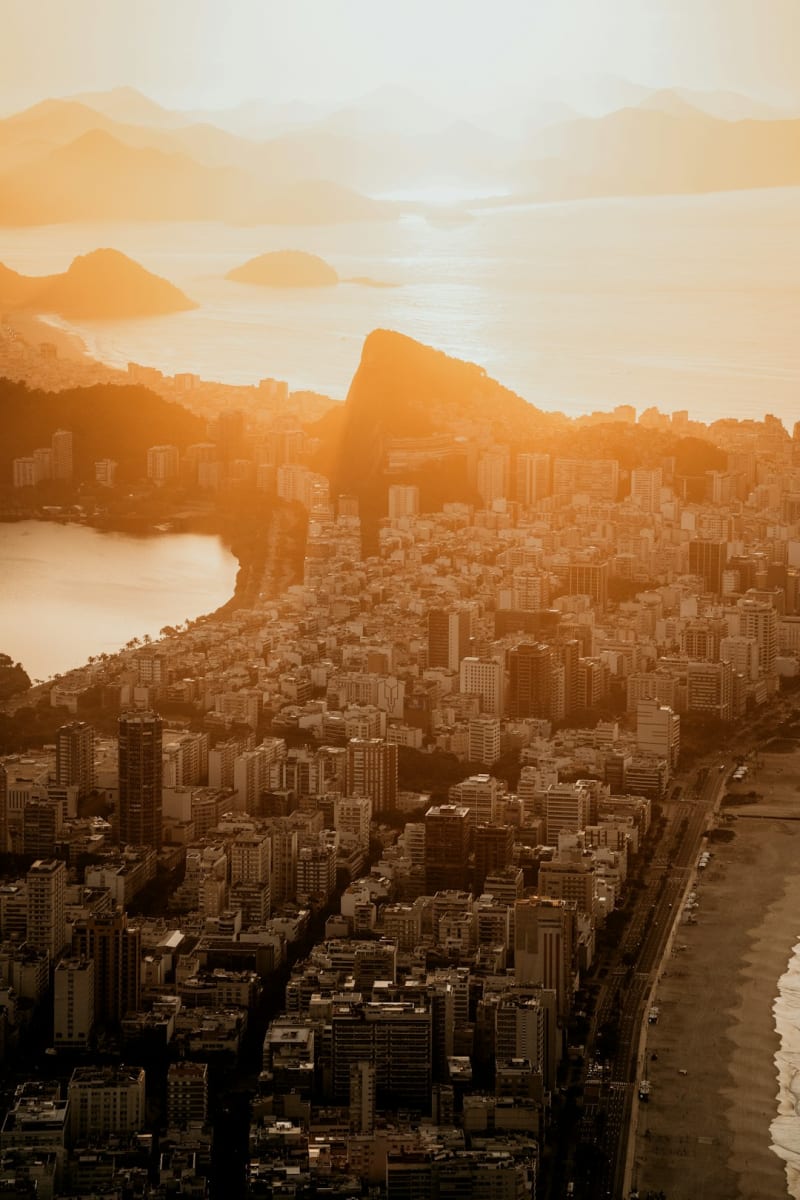 brazil
 Tiradentes
A postcard-perfect Baroque town in Minas Gerais where a steam train still huffs into the station and every restaurant seems to be run by a chef who trained in São Paulo and came home.
Explore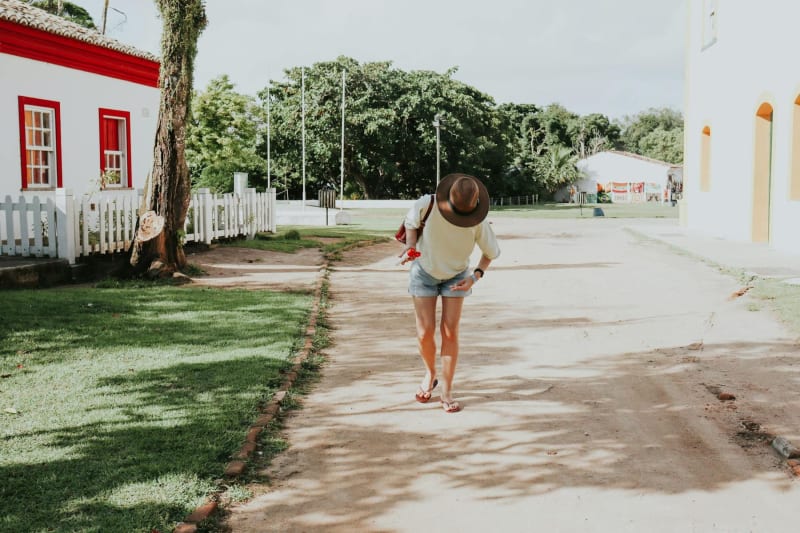 brazil
 Trancoso
A Bahian village founded by Jesuits in 1586 around a grassy quadrado of colored beach houses above red-cliffed beaches.
Explore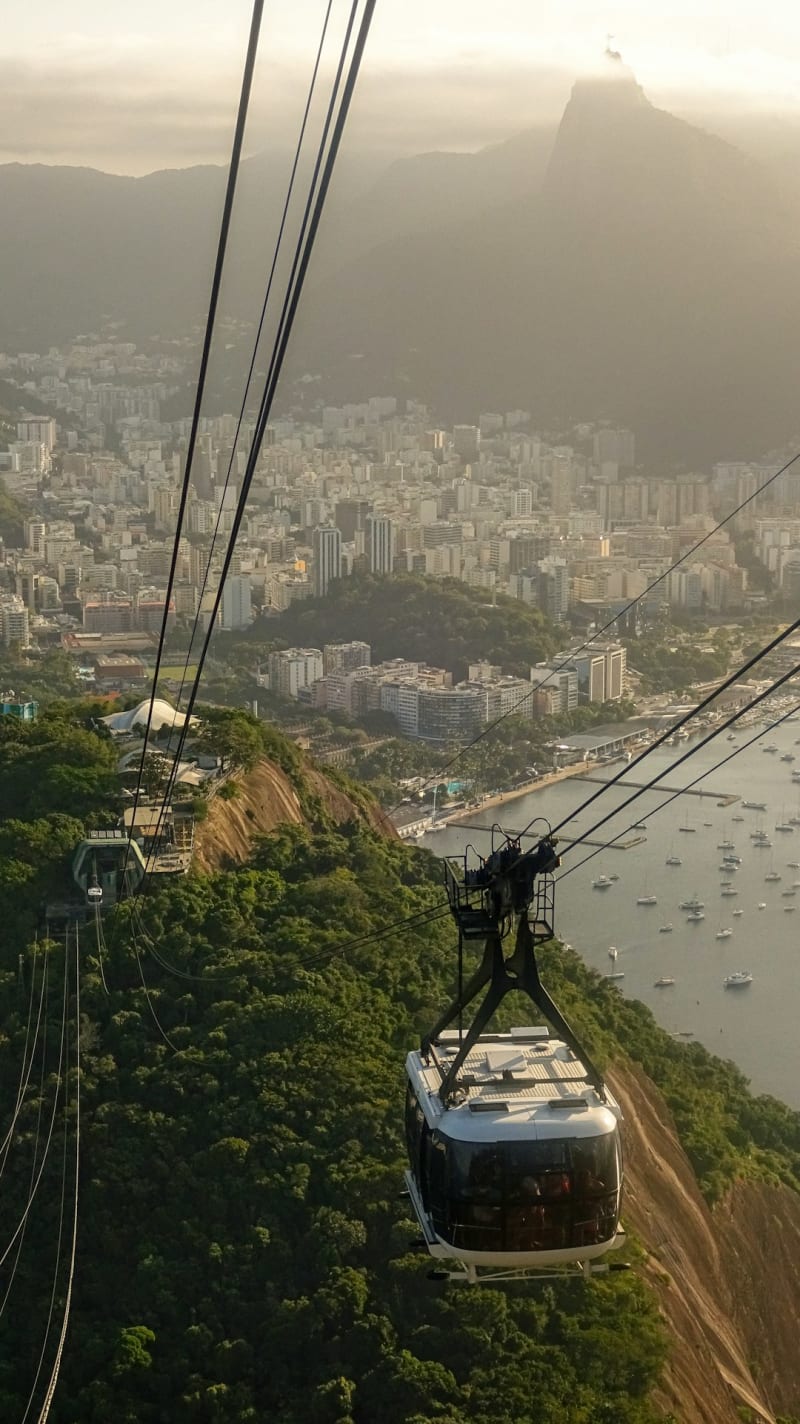 brazil
 Ubatuba
Officially 100 beaches, unofficially the friendliest surf town on the São Paulo coast, and the place where I finally learned to read a wave.
Explore