Serra do Cipó
"An hour outside Belo Horizonte, the city disappears and the mountains take over completely."
A national park of waterfalls, wildflower-covered peaks, and endemic plants found nowhere else, an hour's drive from downtown Belo Horizonte.
We left Belo Horizonte after breakfast intending a half-day trip and did not get back until well after dark, which is the story I now expect to hear from anyone who visits Serra do Cipó with anything less than a full day set aside.
Campo Rupestre
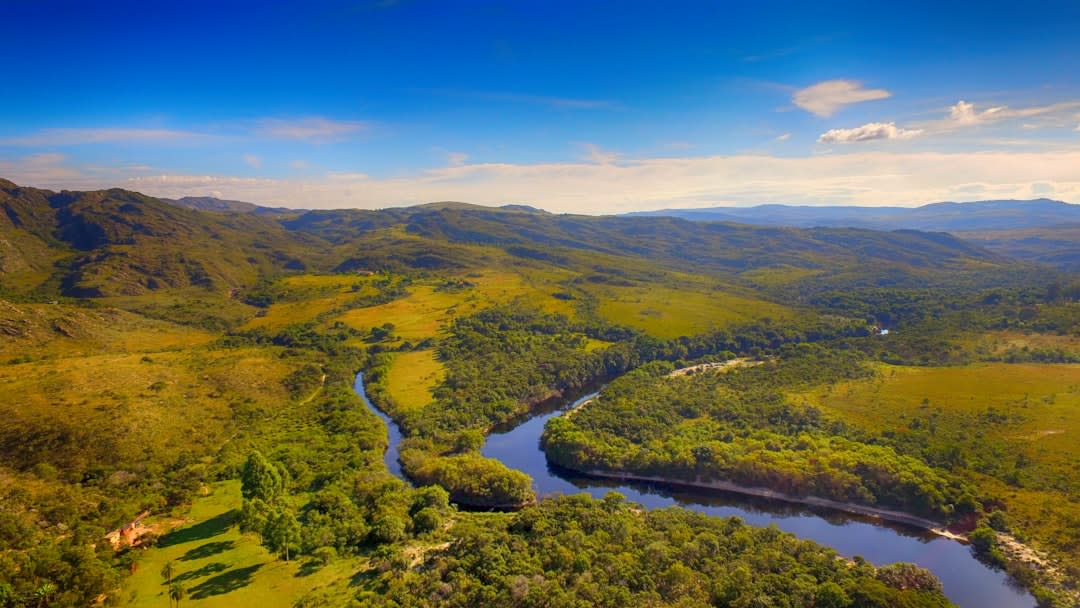
The park protects a landscape type called campo rupestre — rocky, high-altitude grassland found almost nowhere outside this stretch of the Serra do Espinhaço — and it produces a strange, low, sculptural terrain unlike anywhere else I have hiked in Brazil. Quartzite outcrops break through grasses studded with wildflowers found nowhere else on the planet, some so specialized that they grow only on a single hillside within the park’s boundary. Botanists apparently travel here specifically to catalogue new species. Lia, who has no formal interest in botany, spent twenty minutes photographing a single flower she later learned had no common name in any language.
Waterfalls on Repeat
What Serra do Cipó is actually known for, though, is waterfalls, and there are enough of them strung along the park’s rivers that you could spend a week and not see them all. We hiked to the Véu de Noiva — Bridal Veil — a broad curtain of water dropping into a pool cold enough to make you gasp on entry, then continued to a smaller, quieter cascade further upriver where we had the water entirely to ourselves for an hour, floating on our backs, looking up at hawks circling the cliffs above.
A Popular Escape, For Good Reason
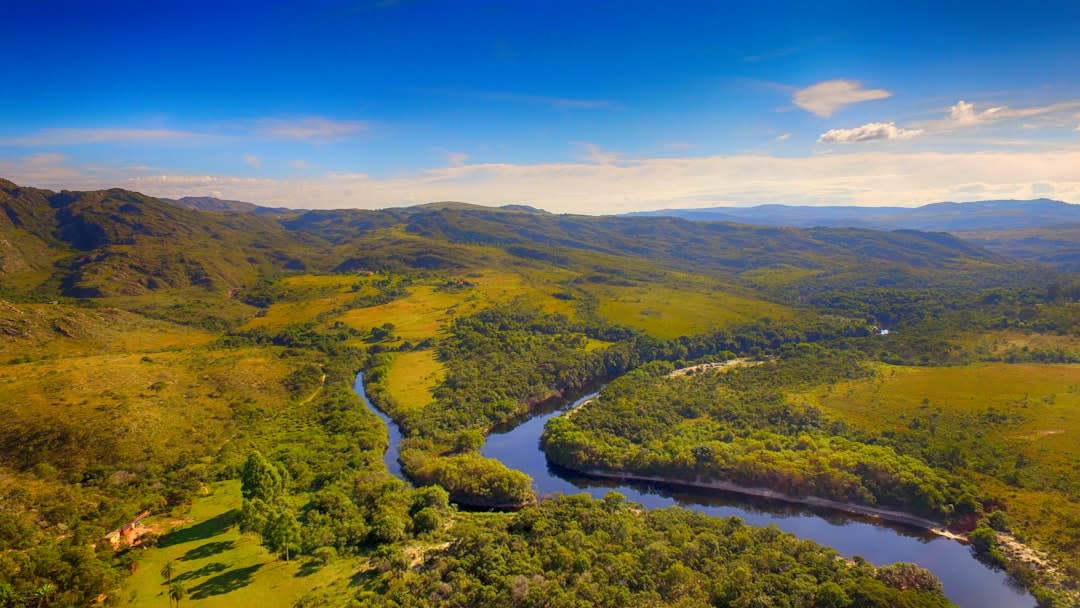
Because it sits so close to a metropolis of six million people, Serra do Cipó has become the default weekend escape for belo-horizontinos, and on a Saturday the access roads and main trailheads can feel more crowded than the wilderness setting suggests. We went on a Tuesday and had entire trail sections to ourselves — a scheduling trick I would recommend to anyone who can manage it.
When to go: April to September, the dry season, for safer river crossings and clearer trails. May and June bring the wildflowers into fullest bloom across the campo rupestre.
Keep exploring
More from Brazil
 brazil
 Serro
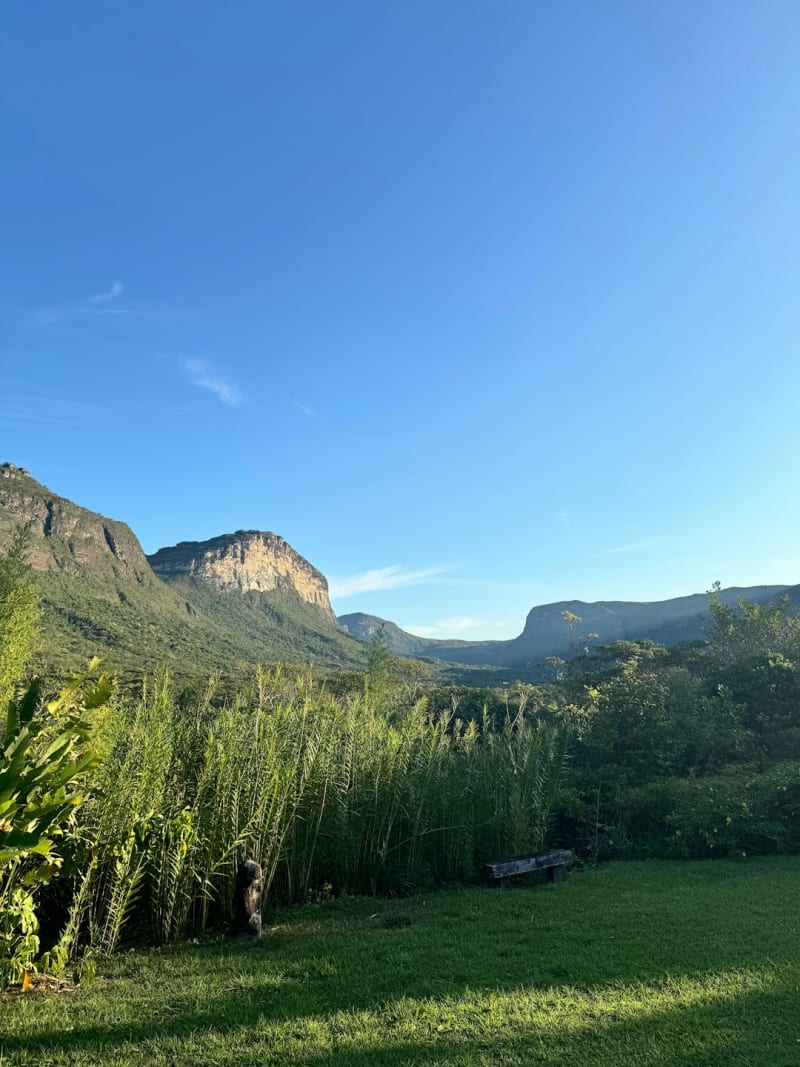
A colonial cheese-making town on the Estrada Real, where a centuries-old artisanal tradition is protected almost like a regional wine appellation.
Explore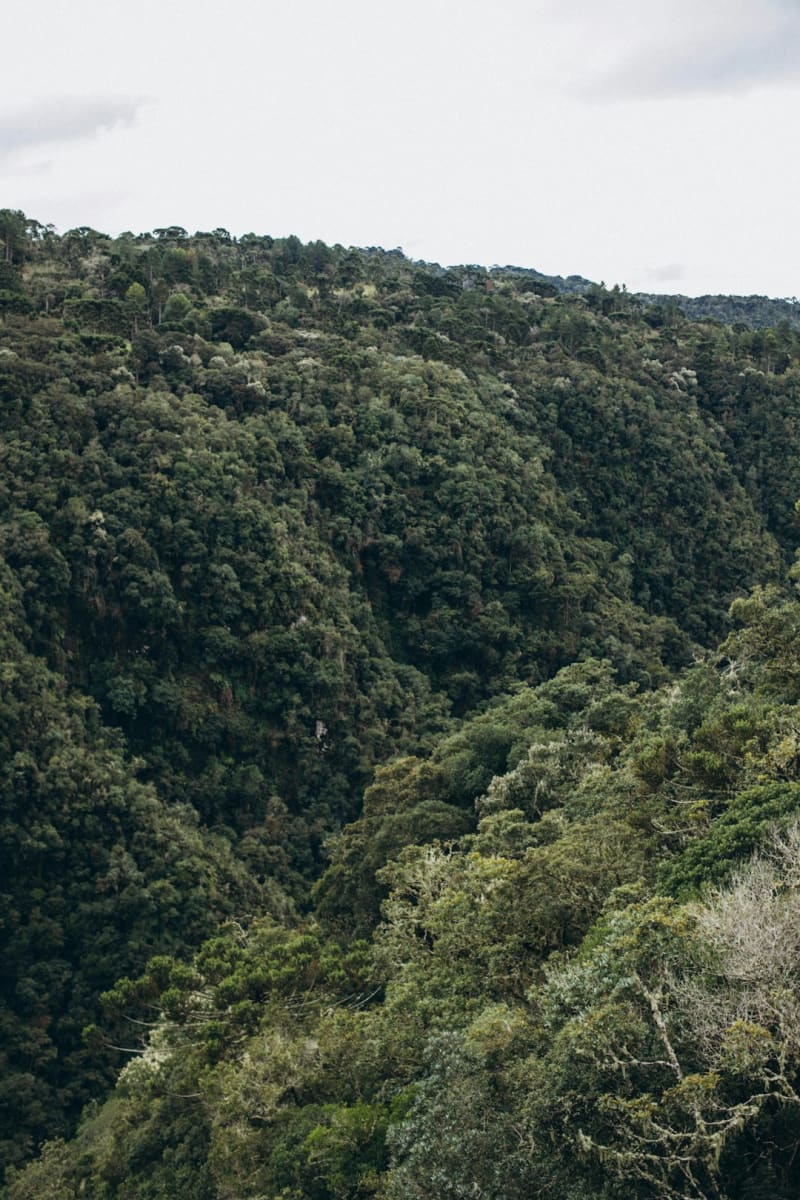 brazil
 Sugarloaf Mountain
Two cable car rides, one granite dome rising straight out of the harbour, and the view that makes every other Rio panorama feel like a warm-up.
Explore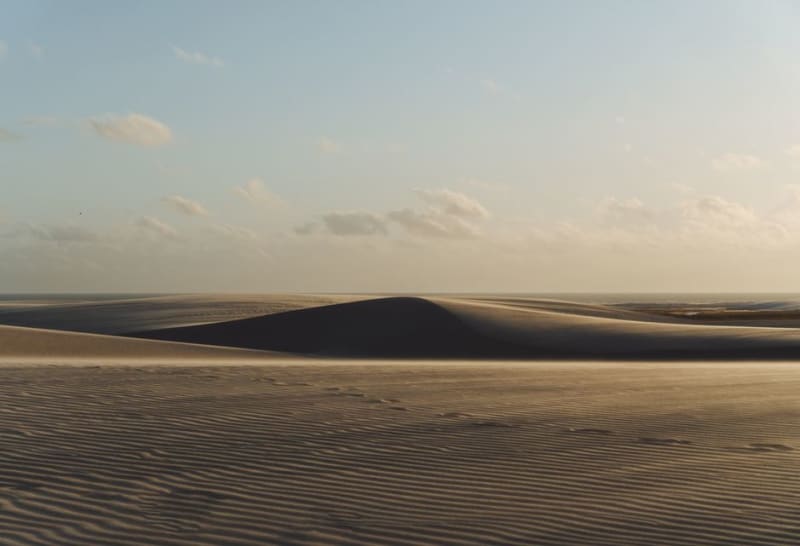 brazil
 Tatajuba
A fishing village an hour past Jericoacoara where the dunes have swallowed part of the town, and a river crossing by raft is still the only way in.
Explore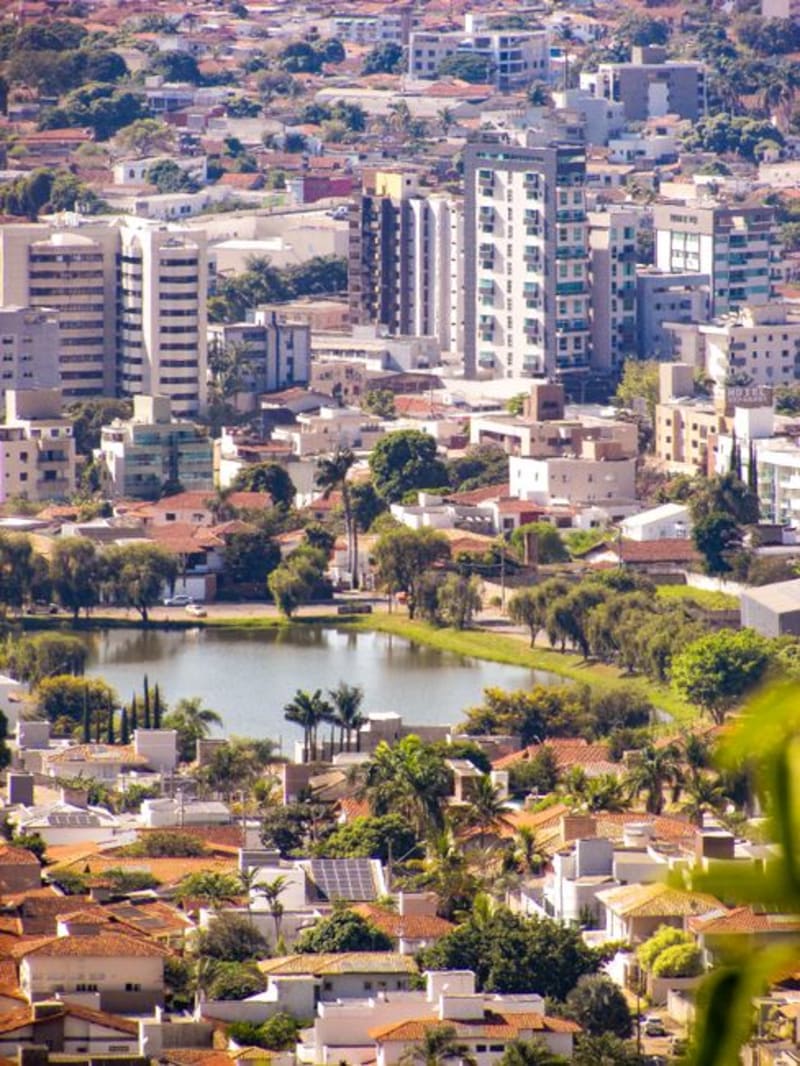 brazil
 Tefé
An unassuming Amazonas river town that happens to be the gateway to one of the world's great conservation reserves.
Explore brazil
 Tijuca Forest
The world's largest urban rainforest, replanted by hand in the 1860s, where waterfalls and howler monkeys sit twenty minutes from Ipanema's traffic.
Explore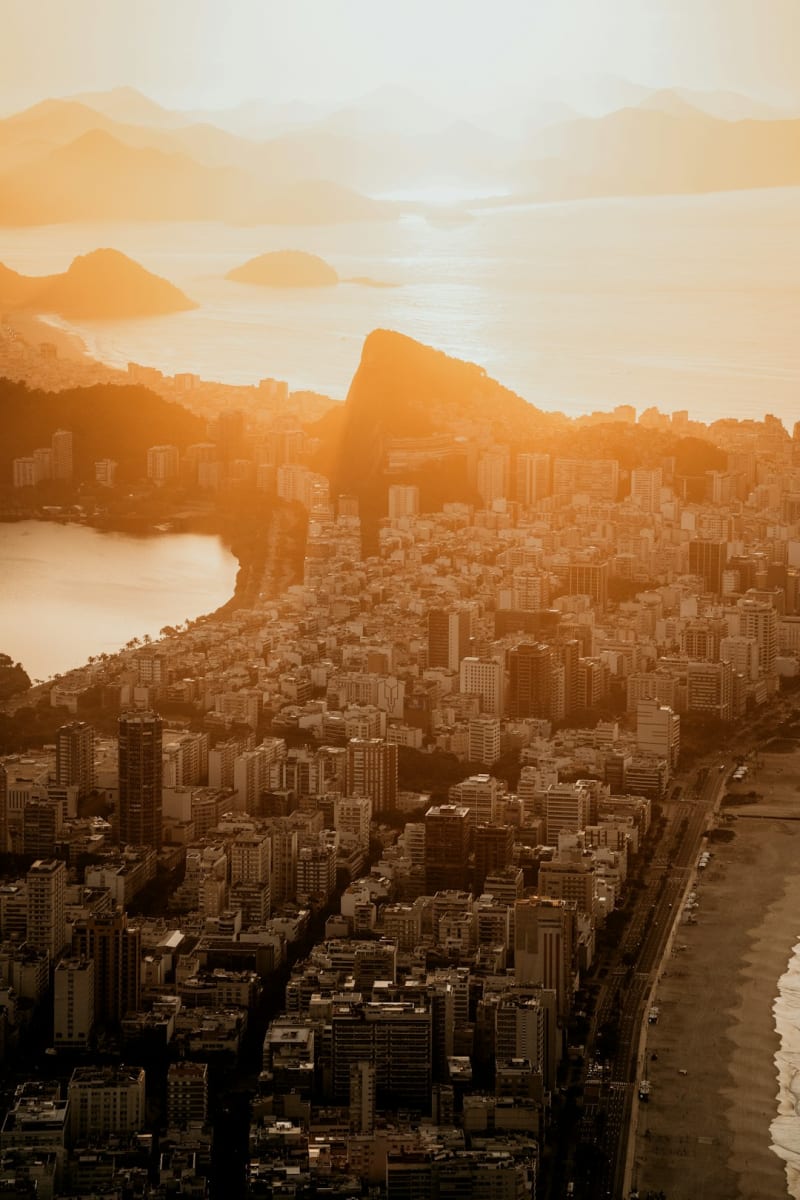 brazil
 Tiradentes
A postcard-perfect Baroque town in Minas Gerais where a steam train still huffs into the station and every restaurant seems to be run by a chef who trained in São Paulo and came home.
Explore