Santarém
"Santarém has its own meeting of the waters, and somehow it gets a fraction of the attention Manaus's version does."
The city built at the meeting of the waters of the Tapajós and the Amazon, and the launch point for the region's best beaches.
Santarém sits precisely where the clear blue Tapajós meets the silty brown Amazon, and the two rivers run side by side for kilometers without blending — the same phenomenon that draws every visitor to Manaus, except here it happens right off the city’s own waterfront, no boat tour package required. I watched it from a bench near the port on my first evening, mildly stunned that a natural spectacle this dramatic was just sitting there, unfenced, uncommercialized, a few meters from where fishermen were mending nets.
The city itself is a comfortable mid-size river hub — colonial core, a lively waterfront market, and a noticeably different energy from either Manaus or Belém, quieter and more provincial in the best sense. We wandered the Mercado Modelo, a compact iron-framed market building near the docks, and ate a lunch of fried tambaqui belly, a regional specialty that is essentially the fattiest, most satisfying cut of any Amazon fish I tried.
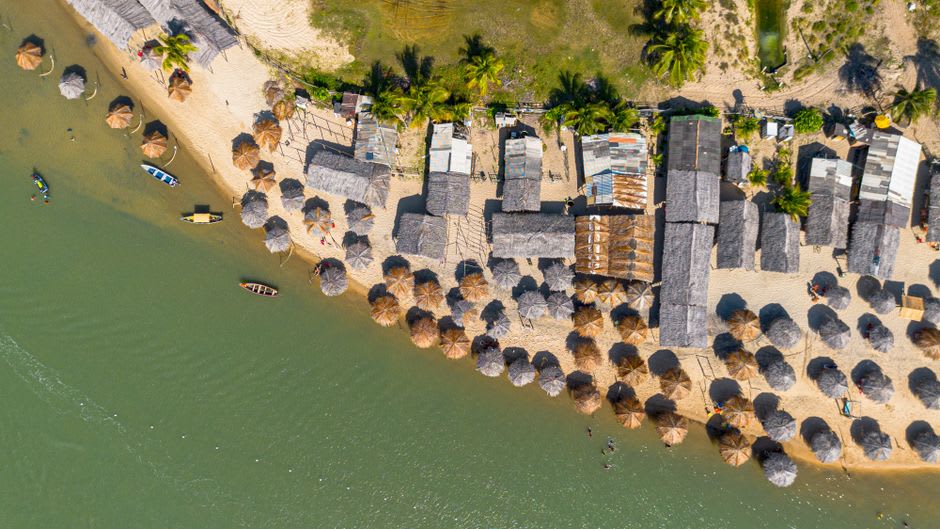
Santarém’s real draw, though, is as the gateway to the Tapajós’s beaches, which rival Alter do Chão’s but see far fewer visitors. We hired a boat out to Ponta de Pedras and to a stretch of riverside sand near the village of Alter do Chão’s quieter neighbor communities, and had entire beaches essentially to ourselves on a weekday. The Floresta Nacional do Tapajós also stretches south from the city, and a day trip into it with a local guide brought us past rubber tapper communities still practicing traditional extraction methods largely unchanged in a century.
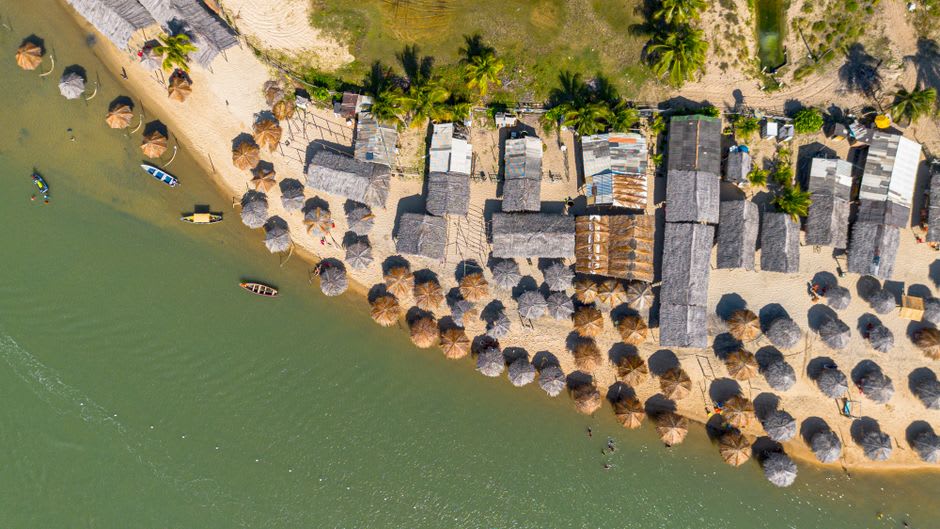
What struck me most about Santarém was how it functioned as a genuine working city rather than a tourism stage set — soy export terminals sit within view of the same beaches travelers come to swim at, a tension that locals discussed candidly when I asked about it. It’s a more complicated, less curated version of the Amazon than the postcard version sold elsewhere, and I found that honesty made the place more memorable, not less.
When to go: August to December for the dry season, when the Tapajós beaches are at their widest and the meeting of the waters is at its most visually striking. January to July raises the river and submerges most of the beaches.
Keep exploring
More from Brazil
 brazil
 São Francisco do Sul
Brazil's oldest town, a colonial port on an island where fishing boats still outnumber tourists — for now.
Explore brazil
 São Miguel do Gostoso
A former fishing village on Rio Grande do Norte's north coast where the trade winds have turned an entire town into a low-key kitesurfing capital.
Explore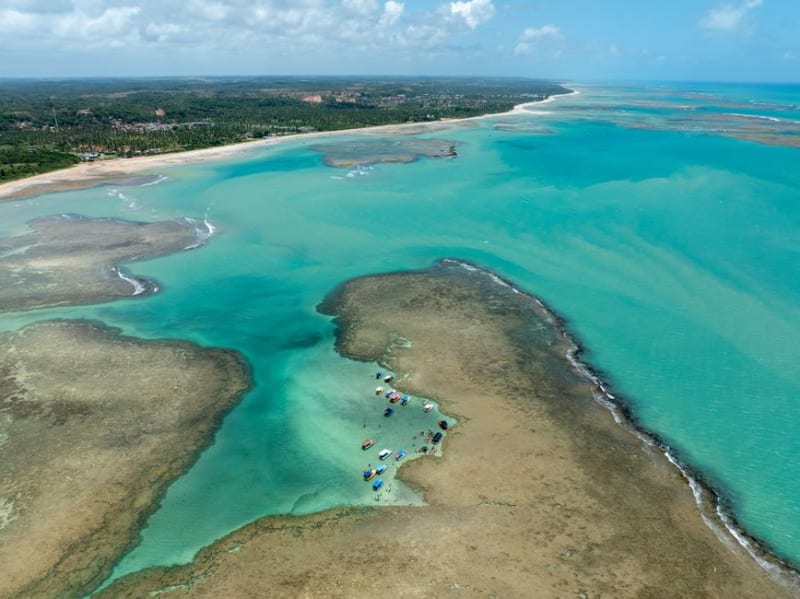 brazil
 Sao Miguel dos Milagres
A hushed Alagoas beach village of coconut groves and shallow natural pools, the quiet counterpoint to Maceio down the coast.
Explore brazil
 São Paulo
The most underrated food city in the world, hidden behind a skyline that nobody photographs and an energy that never stops.
Explore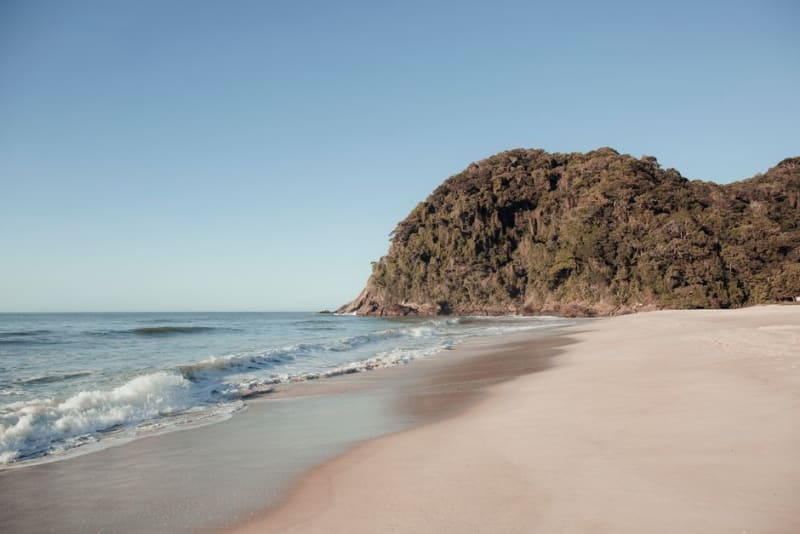 brazil
 São Sebastião
A working port town everyone treats as a ferry stop on the way to Ilhabela, and the reason I now build in an extra day.
Explore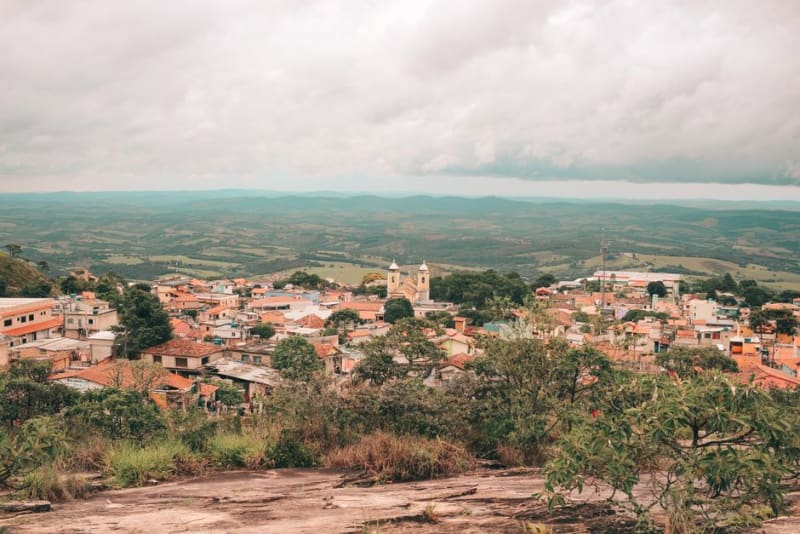 brazil
 São Tomé das Letras
A mountaintop village in southern Minas Gerais that has built an entire identity around crystal energy, ancient inscriptions, and the conviction that something unusual is happening in the rock beneath it.
Explore