Rio's bohemian hilltop neighbourhood, where a rattling yellow tram delivers you to cobblestones, art studios, and views over the whole bay.
The tram is what sells Santa Teresa before you have even arrived. The bondinho creaks out of the city centre, crosses the Arcos da Lapa on a yellow-tiled aqueduct built in the 1700s, and climbs into a neighbourhood that feels like it seceded from Rio decades ago and never bothered rejoining. I rode it for the first time with no destination in mind, which turned out to be the correct way to experience Santa Teresa — you are not here to see a specific thing, you are here to wander until something stops you.
Something stopped me almost immediately: a converted mansion with its shutters thrown open and a woman inside stretching a canvas across a frame, visible from the street. Santa Teresa has more working artists per square block than anywhere else in Rio, a legacy of the wealthy families who built hillside estates here in the nineteenth century and the bohemians who moved into their crumbling grandeur once the money left. Half the mansions are now studios, guesthouses, or bars with no sign out front — you find them by following the sound of conversation up a side street.
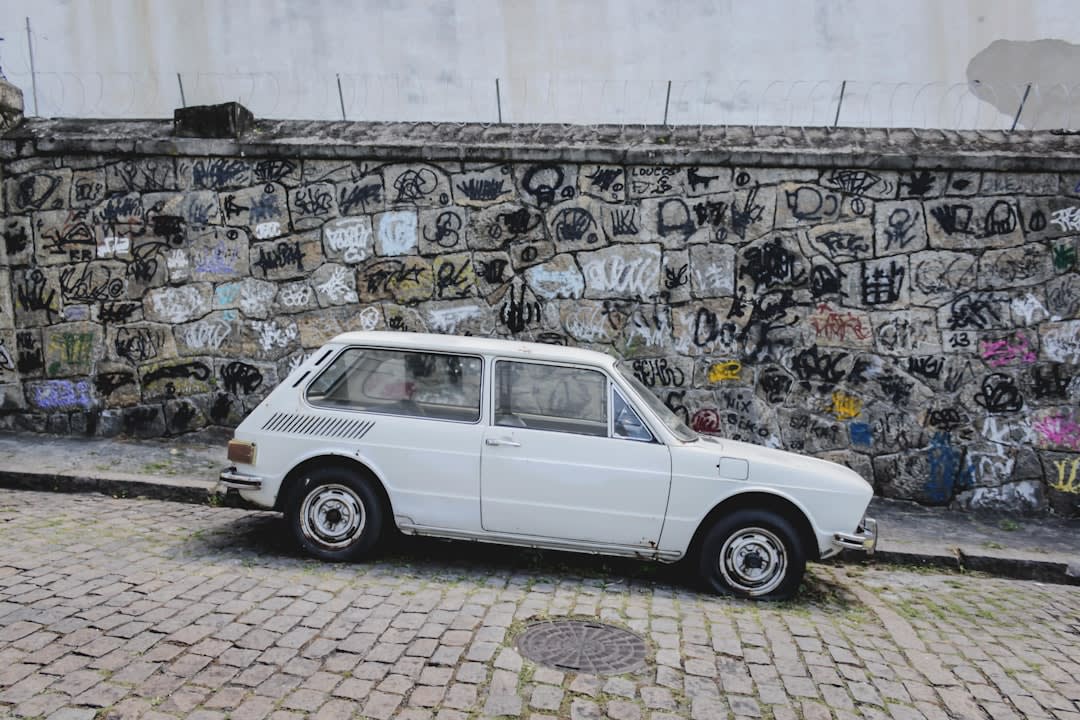
Bar do Mineiro, a battered old boteco with photographs covering every inch of wall space, does a feijoada on Saturdays that locals plan their week around. I went with Lia on our second visit to Rio and we arrived at what we thought was an early, sensible hour — twelve thirty — only to find every table full and a line forming behind us. We waited forty minutes for a plate of black beans, pork, and farofa that made the wait feel like a minor inconvenience in retrospect.
The neighbourhood rewards slow walking more than any checklist of sights. The Parque das Ruínas — the ruined shell of a socialite’s mansion, deliberately left roofless and turned into a viewpoint — gives you a wide-open look over Guanabara Bay and Sugarloaf that most tourists never see because it requires a ten-minute uphill walk from the tram stop. Next door, the Museu Chácara do Céu houses a small but sharp collection of modern art, including a Dalí and a Portinari, in a house that is itself worth the entry fee.
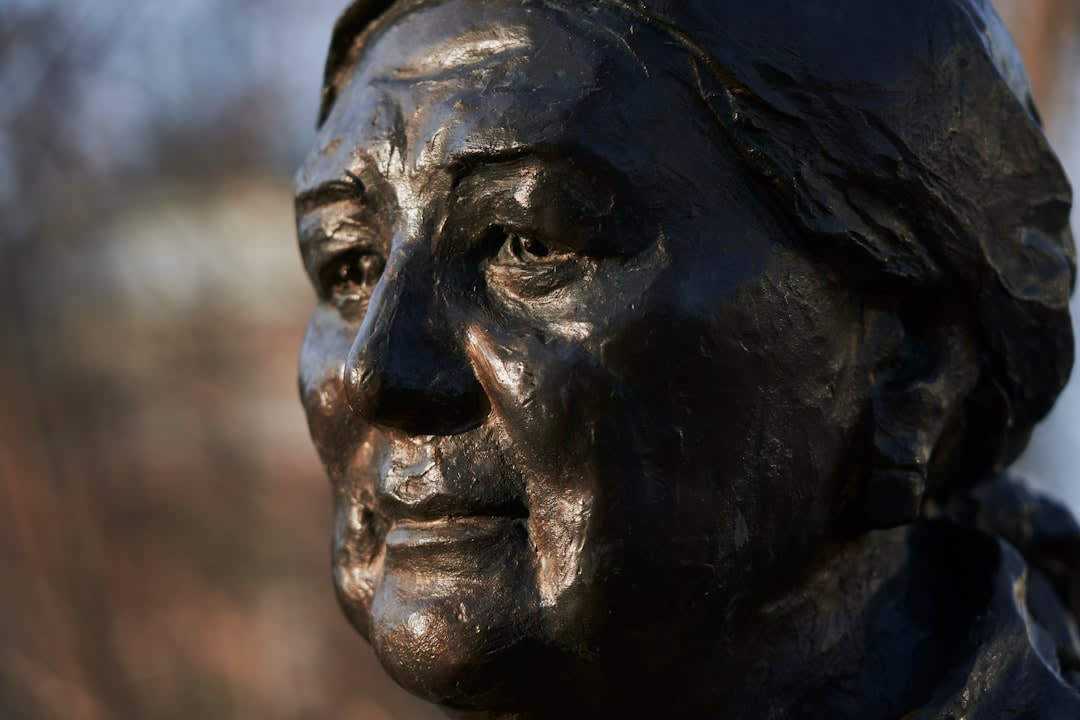
As evening falls, the bars along Rua Almirante Alexandrino fill with a mixed crowd of artists, expats, and Cariocas who have decided Copacabana is for tourists now. Aprazível serves refined Brazilian food on an open-air terrace strung with lights, with a view that competes seriously with the food for your attention — which is saying something, because the food is very good. I still think about the tucupi duck.
The one warning worth giving: Santa Teresa’s charm comes partly from its slight raggedness, and that raggedness has occasionally tipped into real safety concerns, particularly around isolated stretches after dark. Stick to where people are, take an Uber rather than walking alone late at night, and the risk drops to background noise.
When to go: Year-round, though weekday afternoons let you have the ruins and the tram largely to yourself. Weekend evenings bring the neighbourhood’s bar scene fully to life.
Keep exploring
More from Brazil
 brazil
 Santarém
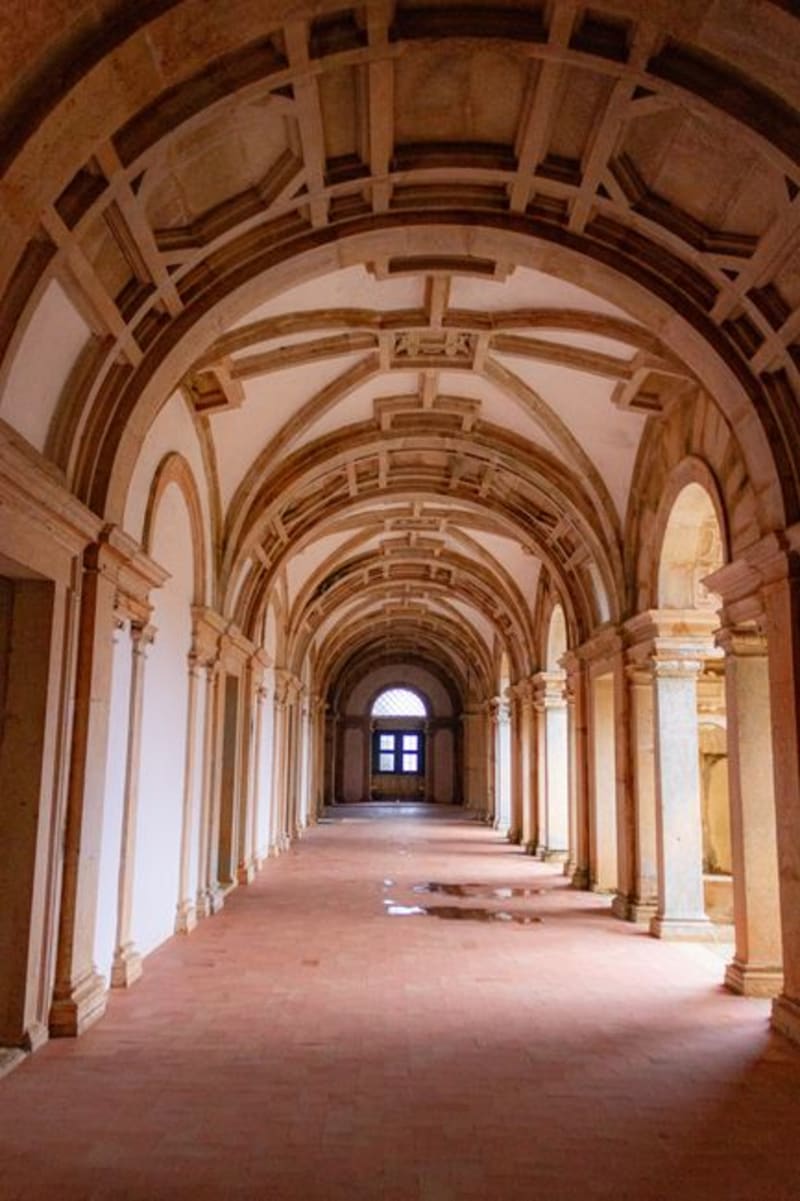
The city built at the meeting of the waters of the Tapajós and the Amazon, and the launch point for the region's best beaches.
Explore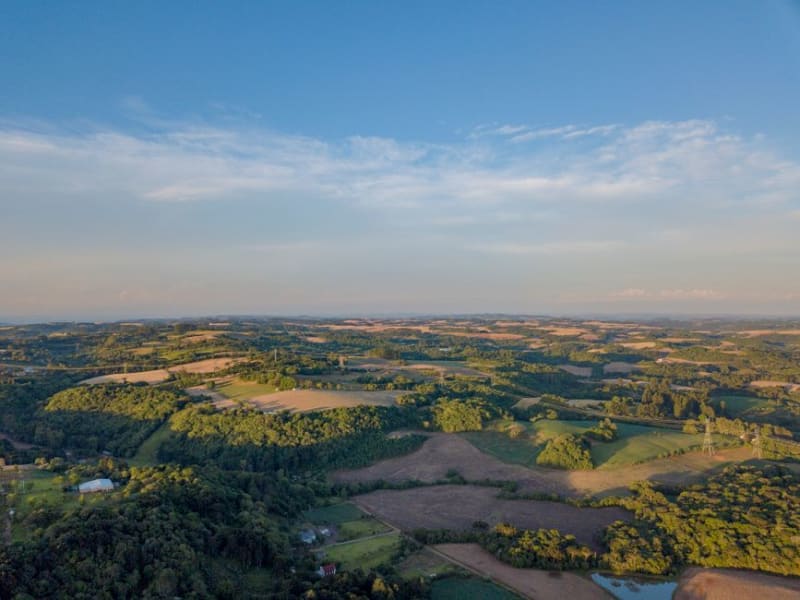 brazil
 São Francisco do Sul
Brazil's oldest town, a colonial port on an island where fishing boats still outnumber tourists — for now.
Explore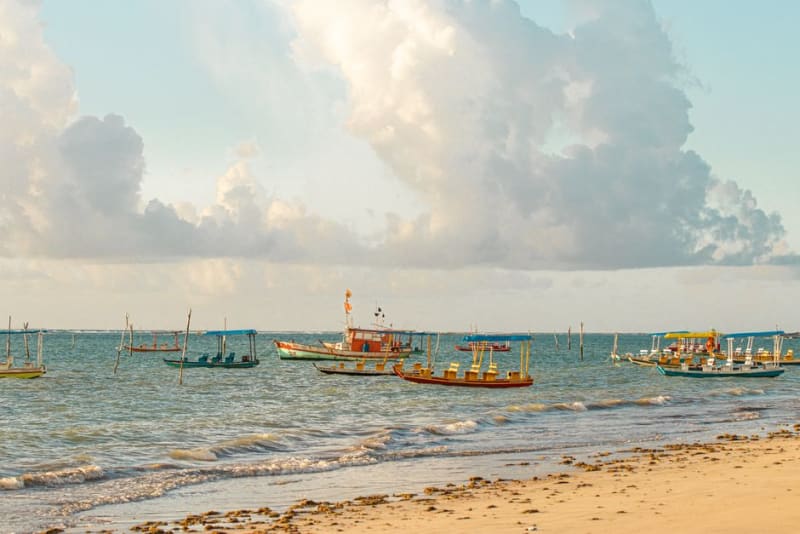 brazil
 São Miguel do Gostoso
A former fishing village on Rio Grande do Norte's north coast where the trade winds have turned an entire town into a low-key kitesurfing capital.
Explore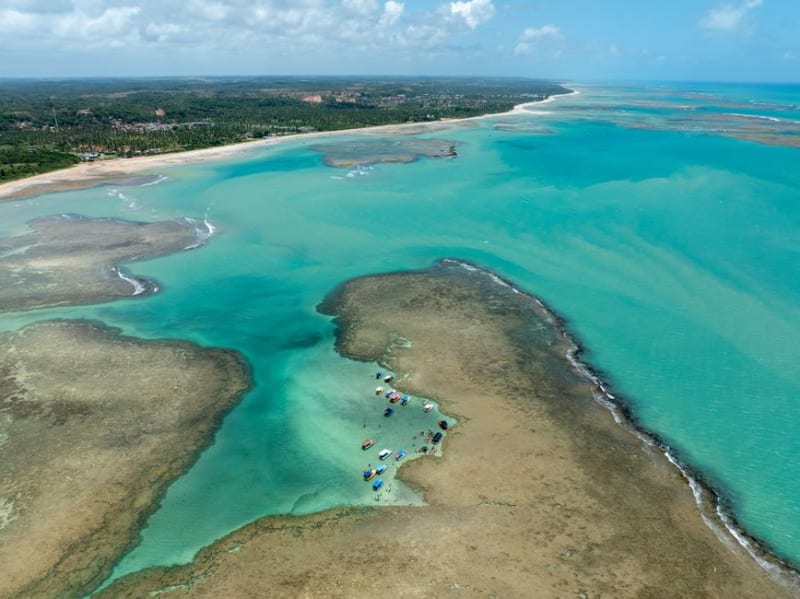 brazil
 Sao Miguel dos Milagres
A hushed Alagoas beach village of coconut groves and shallow natural pools, the quiet counterpoint to Maceio down the coast.
Explore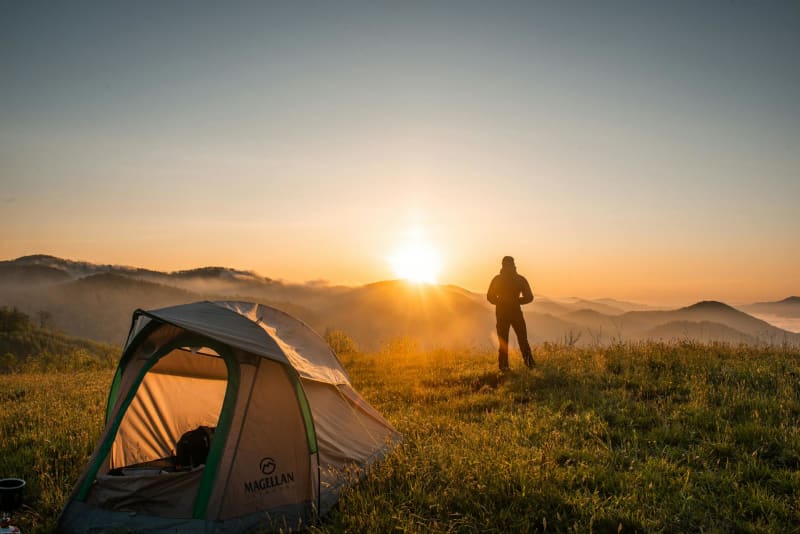 brazil
 São Paulo
The most underrated food city in the world, hidden behind a skyline that nobody photographs and an energy that never stops.
Explore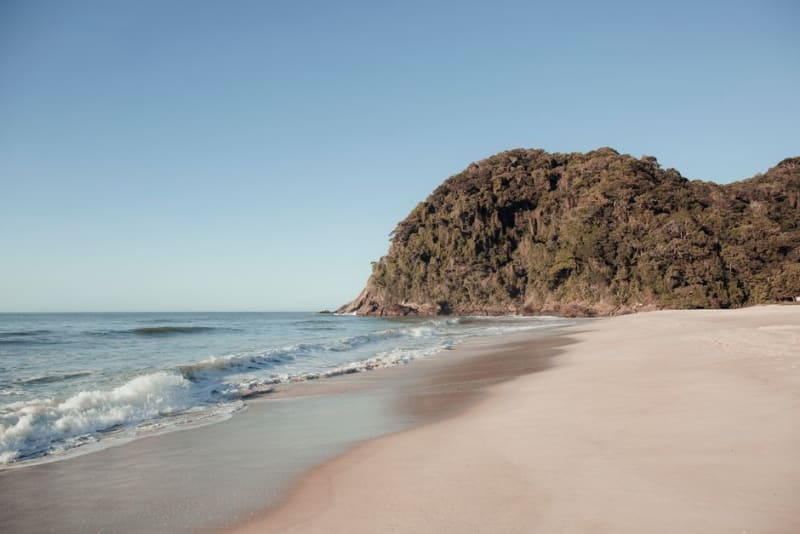 brazil
 São Sebastião
A working port town everyone treats as a ferry stop on the way to Ilhabela, and the reason I now build in an extra day.
Explore