Salvador
"Salvador doesn't preserve Afro-Brazilian culture in a museum case. It just lives here, out loud, on a Tuesday afternoon."
Bahia's Afro-Brazilian capital, where cobbled Pelourinho, capoeira circles, and terreiro drumming carry Brazil's African roots closer to the surface than anywhere else in the country.
I heard Salvador before I saw it properly. Lia and I had barely dropped our bags at a guesthouse in Santo Antônio when a drum corps rehearsing for some future bloco rolled past the window in a wave of surdo and repique, and every window on the street opened at once, like the whole hillside had been waiting for exactly that sound. Rio gets called Brazil’s cultural capital by people who have never spent a week in Salvador. It isn’t close.
Pelourinho
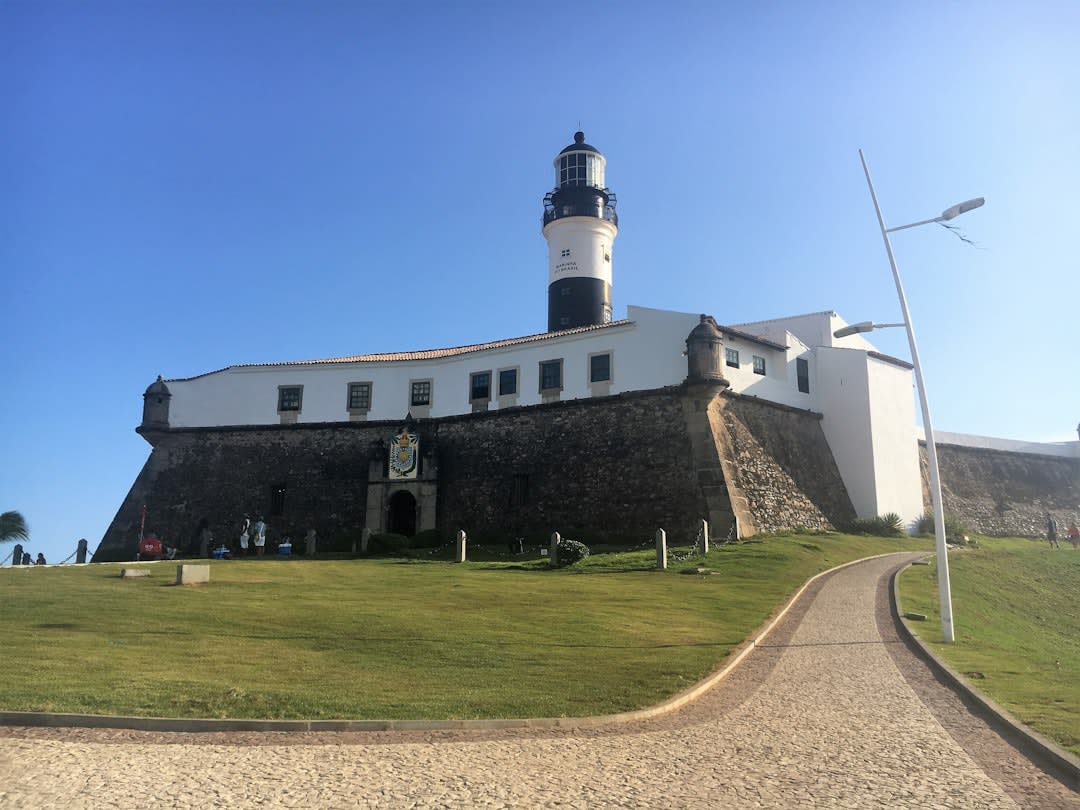
The historic center climbs a set of impossibly steep, brightly painted lanes — turquoise against ochre against a pink that shouldn’t work and somehow does — up from the lower city to the old squares where the sugar and slave economy once did its terrible arithmetic. Pelourinho means “pillory,” a name the city has kept deliberately rather than sand it off, and that honesty runs through everything here. Walking it at golden hour, past Igreja e Convento de São Francisco with its baroque interior smothered in gold leaf, I kept thinking about how much of Brazil’s actual cultural DNA — the music, the food, the religion — was assembled on these streets by people the city itself once tried to erase.
Capoeira and the Roda
We found a roda de capoeira in a small praça off Rua Alfredo de Brito almost by accident — a circle of onlookers, a berimbau player setting the rhythm, two players moving through that hypnotic argument of dance and combat and neither, close enough to touch but never quite touching. An older mestre running the circle noticed us watching and waved us in closer rather than performing at us, which felt like the whole city’s attitude in miniature. This isn’t a show staged for tourists, though tourists are welcome to stand at the edge of it.
Mercado Modelo and the Lower City
Down by the bay, the Mercado Modelo occupies an old customs building that briefly served as a slave holding pen — a history the market addresses head-on with a small memorial rather than hiding behind the souvenir stalls upstairs. I bought a berimbau I had no real ability to play and a small stack of vinyl-adjacent Bahian percussion recordings from a stall owner who spent twenty minutes explaining the difference between an ijexá and an afoxé rhythm to two people who clearly needed the lesson.
Food That Argues Its Own Case
Acarajé is the dish that convinced me Bahian food operates on a different logic than the rest of Brazil — black-eyed pea fritters fried in dendê oil, split and filled with vatapá, caruru, and a shrimp paste hot enough to make you renegotiate your relationship with spice. The best ones come from women selling from small stands in white lace Baiana dress, a tradition and a livelihood passed through generations, and I have not eaten anything since that argues its own case quite so forcefully.
When to go: December through February brings Carnival and the Festa de Iemanjá — loud, crowded, unforgettable if you can handle the density. April through September is quieter, drier, and lets Pelourinho’s daily rhythm show through without the festival noise on top of it.
Keep exploring
More from Brazil
 brazil
 Santa Teresa
Rio's bohemian hilltop neighbourhood, where a rattling yellow tram delivers you to cobblestones, art studios, and views over the whole bay.
Explore brazil
 Santarém
The city built at the meeting of the waters of the Tapajós and the Amazon, and the launch point for the region's best beaches.
Explore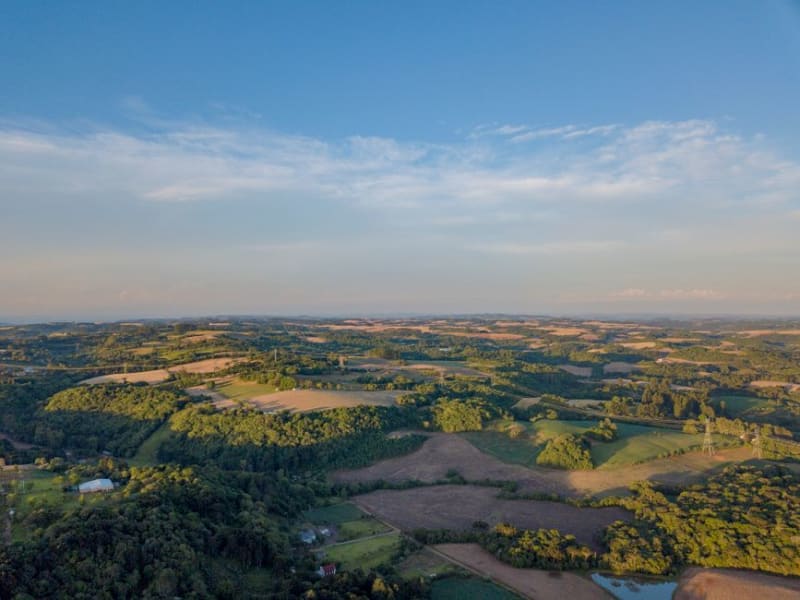 brazil
 São Francisco do Sul
Brazil's oldest town, a colonial port on an island where fishing boats still outnumber tourists — for now.
Explore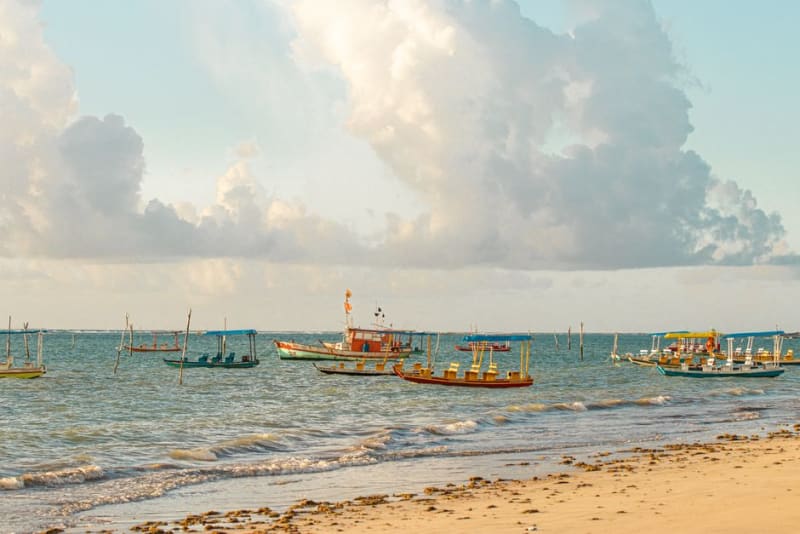 brazil
 São Miguel do Gostoso
A former fishing village on Rio Grande do Norte's north coast where the trade winds have turned an entire town into a low-key kitesurfing capital.
Explore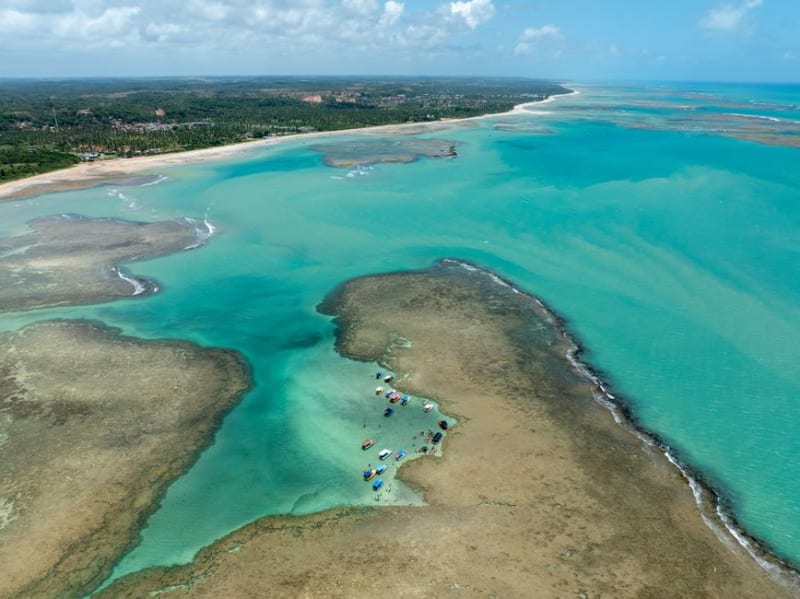 brazil
 Sao Miguel dos Milagres
A hushed Alagoas beach village of coconut groves and shallow natural pools, the quiet counterpoint to Maceio down the coast.
Explore brazil
 São Paulo
The most underrated food city in the world, hidden behind a skyline that nobody photographs and an energy that never stops.
Explore