Praia dos Carneiros
"The tide comes in and the chapel becomes an island, and nobody I asked could tell me if that was intentional."
A palm-lined Pernambuco beach with reef pools and a tiny whitewashed chapel that stands ankle-deep in the sea at high tide.
Praia dos Carneiros gets called the most beautiful beach in Pernambuco often enough that I arrived braced for disappointment, the way any superlative sets you up to argue with it. I didn’t end up arguing. About two hours south of Recife, past Porto de Galinhas and down a smaller coastal road through mangrove and cane, the beach opens up as a long curve of white sand backed by a wall of coconut palms leaning at the angle palms only manage on the best beaches, with a calm, reef-protected sea in a color that photographs looked exaggerated and turned out to be accurate.
The Capela de São Benedito is the image everyone comes for — a small whitewashed 19th-century chapel built almost at the waterline, so that at high tide the sea laps against its base and at certain hours it appears to be standing in the ocean itself. It’s a working chapel, not a prop; there’s still an annual festival for São Benedito that draws the surrounding fishing communities. I went at low tide first, when you can walk right up to it across exposed sand, and came back the next morning at high tide to watch it turn into what looks like an island shrine. Both versions earned the walk.
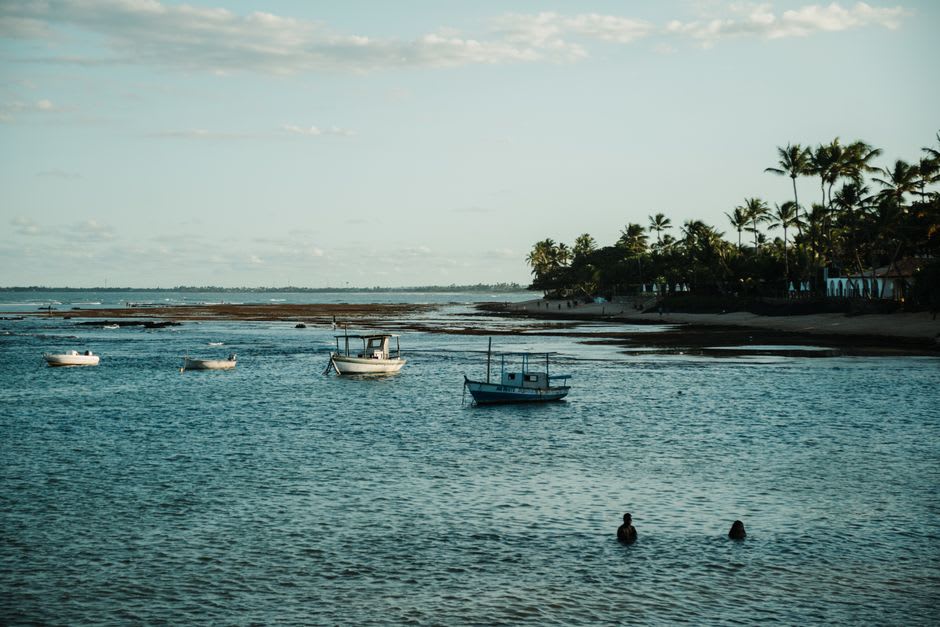
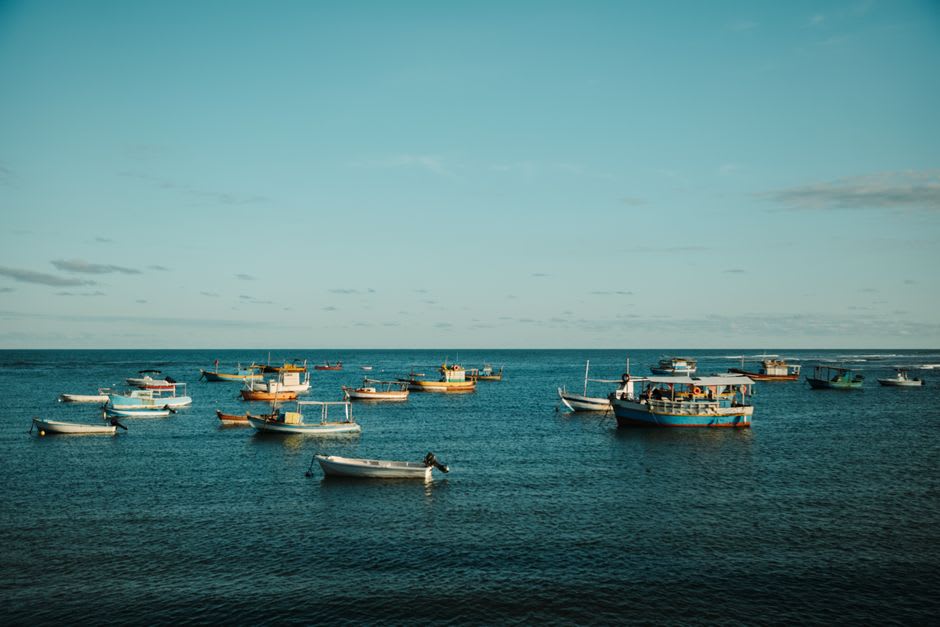
The beach itself is calm enough to function almost like a lake — a barrier reef offshore breaks up most of the swell, so the water near shore stays flat and warm and shallow for a long way out, which is why families dominate here rather than surfers. Boat trips from the small jetty go out along the Rio Formoso to a mangrove estuary where the river meets the sea, a slower and quieter counterpart to the beach proper, with herons working the shallows and the occasional fisherman poling a canoe between the roots.
Lia and I spent most of an afternoon just floating in the calm water near the chapel and then walked the full length of the beach south, past a scattering of beach clubs and a handful of pousadas tucked behind the palms, until the crowd thinned to almost nobody and the only sound was wind moving through the coconut fronds. We ate at a beachfront restaurant on stilts over the sand — grilled fish, a plate of tapioca crepes with coconut, and a coconut water that came with the top machete’d off in front of us.
When to go: September to March for reliably dry, hot weather and the calmest water. Check tide tables before you go if the chapel photo is the point — you want either dead low tide for the walk-up view or a rising high tide for the water’s-edge version. Weekends and Brazilian holidays bring day-trippers from Recife and Maceió; weekday mornings are close to empty.
Keep exploring
More from Brazil
 brazil
 Presidente Figueiredo
The 'land of waterfalls,' a jungle town outside Manaus with more cachoeiras than anyone could visit in a single trip.
Explore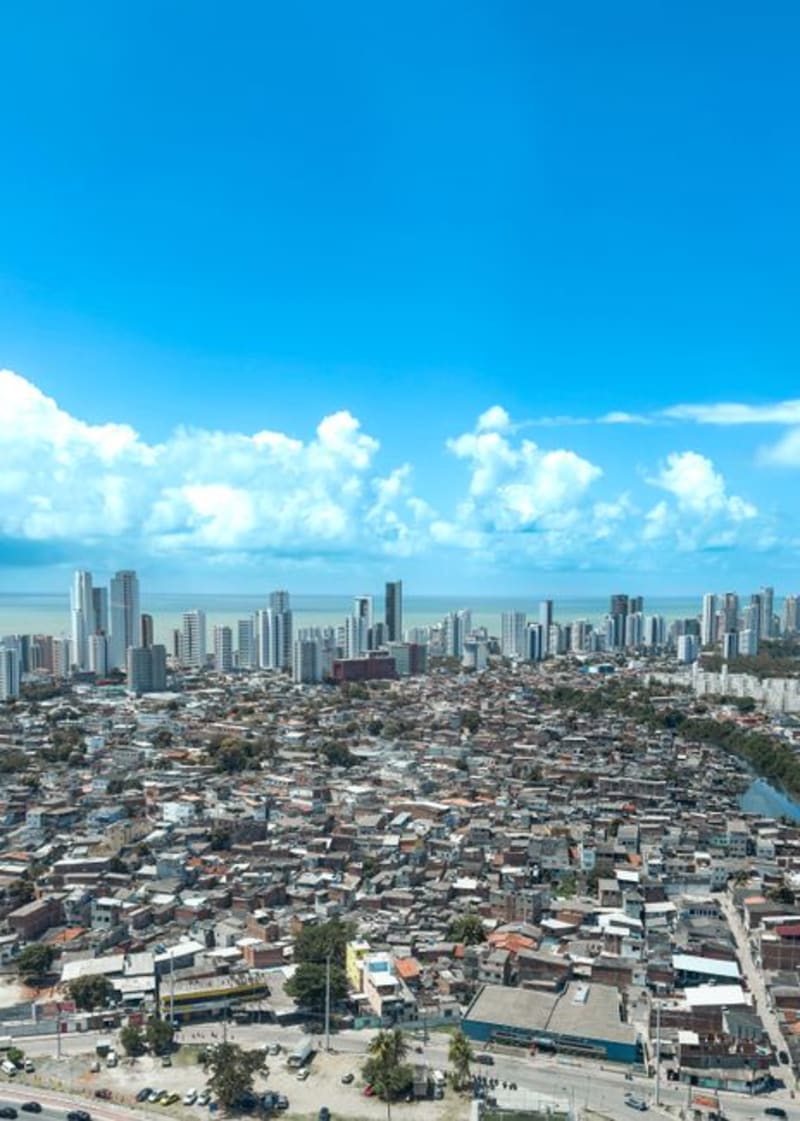 brazil
 Recife
Pernambuco's capital, laced with rivers and bridges, where forró spills out of bars and the old sugar-port streets still smell of the Atlantic.
Explore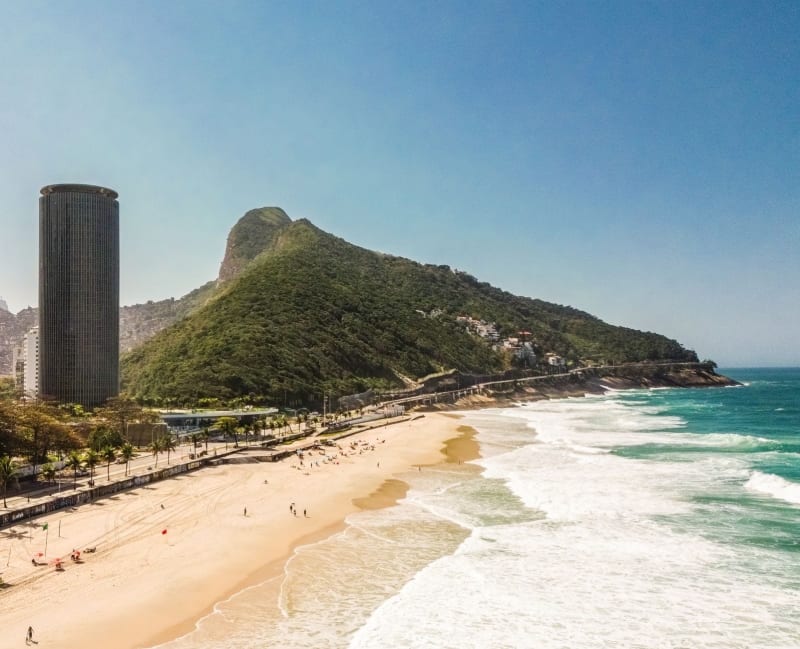 brazil
 Rio de Janeiro Beaches
From Ipanema to Barra, Rio's beaches are where samba, volleyball, and the entire social order plays out daily.
Explore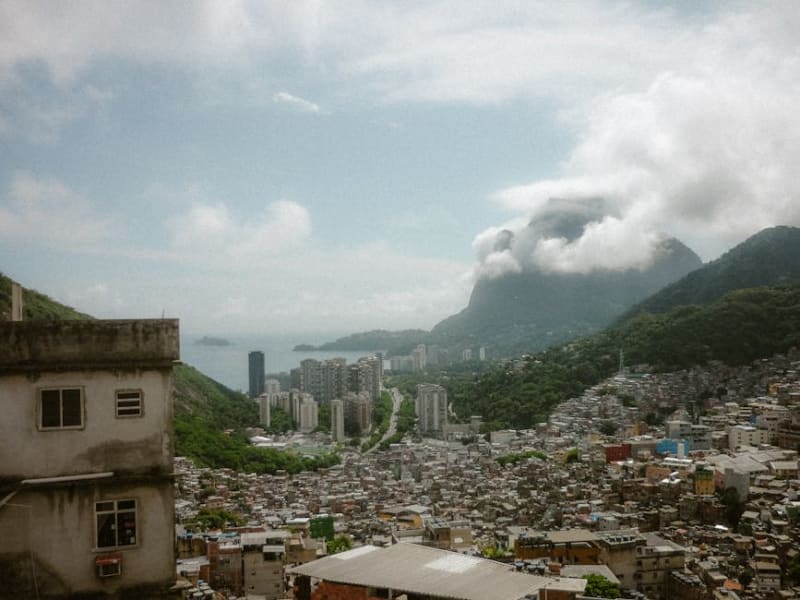 brazil
 Rio de Janeiro
A city that lives outdoors — between granite peaks, Atlantic surf, and a samba beat that never quite fades.
Explore brazil
 Salvador
Bahia's Afro-Brazilian capital, where cobbled Pelourinho, capoeira circles, and terreiro drumming carry Brazil's African roots closer to the surface than anywhere else in the country.
Explore brazil
 Santa Teresa
Rio's bohemian hilltop neighbourhood, where a rattling yellow tram delivers you to cobblestones, art studios, and views over the whole bay.
Explore