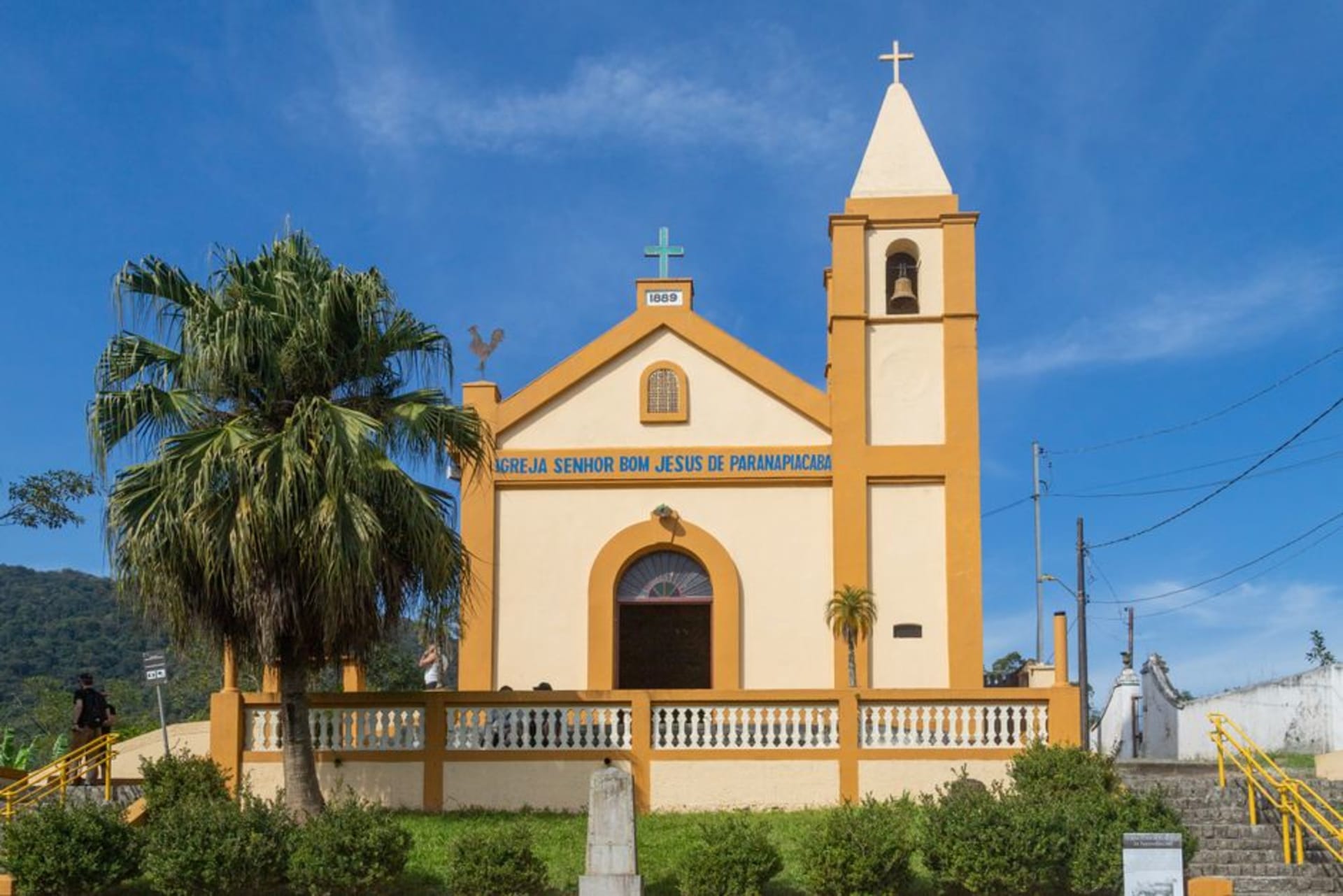
Paranapiacaba
"Paranapiacaba is the strangest hour I have spent anywhere near São Paulo — an English railway town lost in Brazilian fog."
A Victorian-era English railway village hidden in the fog-bound mountains above São Paulo, built to move coffee and somehow still standing intact.
I found out about Paranapiacaba almost by accident, mentioned in passing by a São Paulo friend as “the English village,” which told me nothing and made me curious enough to go. It turned out to be exactly that: a railway settlement built in the late 1800s by the São Paulo Railway Company, a British firm that constructed the line hauling coffee down from the highlands to the port at Santos, and imported not just the engineering but entire prefabricated wooden houses from England to build the village for its workers.
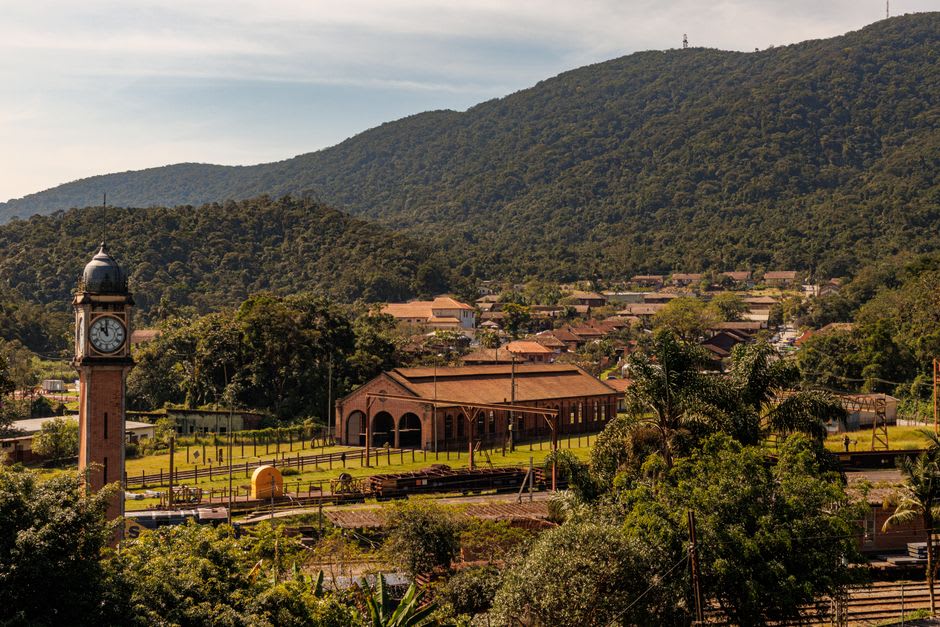
The result, a little over an hour from São Paulo city by car or a direct train, is genuinely disorienting. Steep-roofed timber houses with English proportions sit under a permanent blanket of mist, since the village occupies a saddle in the Serra do Mar where clouds from the coast collect against the mountains almost daily. Locals call the fog cerração, and it is not occasional — I visited on a clear São Paulo morning and drove into thick white mist within the last few kilometres of the approach.
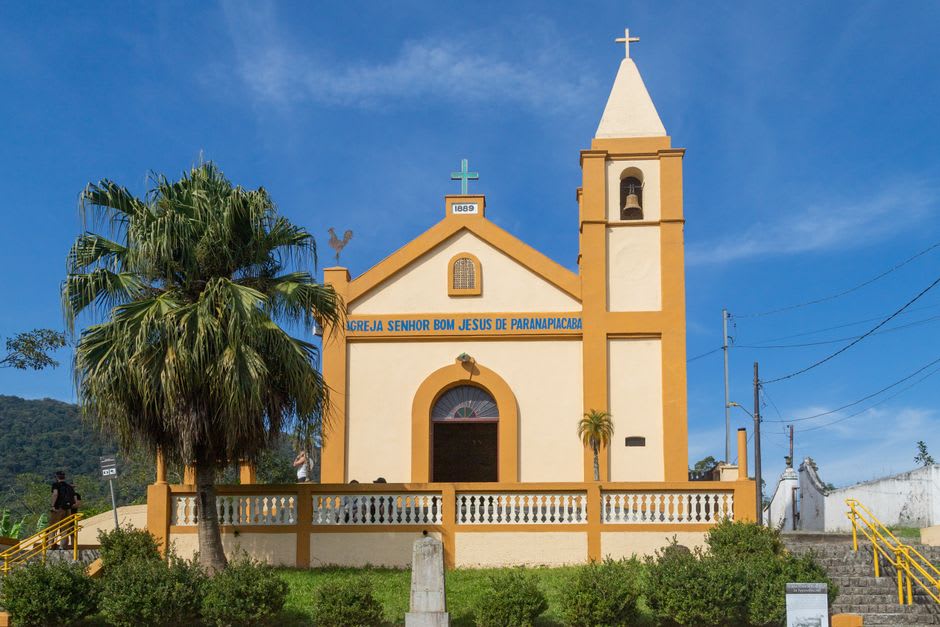
The old funicular system is the village’s centrepiece — the original cable-hauled railway that moved trains up an impossibly steep grade of the escarpment, considered a feat of Victorian engineering at the time. Much of the machinery is preserved and open to visit, housed in a museum inside the old railway buildings, complete with the massive winding drums that once hauled entire trains up the slope by cable.
I wandered the village on foot for a couple of hours, past the old clock tower — a replica of Big Ben, because of course it is — and up toward a lookout point where, on a rare clear moment between fog banks, the whole valley opened up below. A local guide I fell into conversation with told me the fog actually protects the town, since it discourages the kind of rapid redevelopment that has erased so much of São Paulo’s older architecture.
There is a small Sunday market when the weather allows, selling local jams and crafts, and a handful of simple restaurants serving mountain fare — pinhão (araucaria pine nuts), warm soups, the kind of food that makes sense in a place that rarely sees the sun.
When to go: Any weekend, since the village is largely a day-trip destination and some attractions only open Saturday and Sunday. Dress for cold and damp regardless of the season in São Paulo below — the fog does not check the calendar.