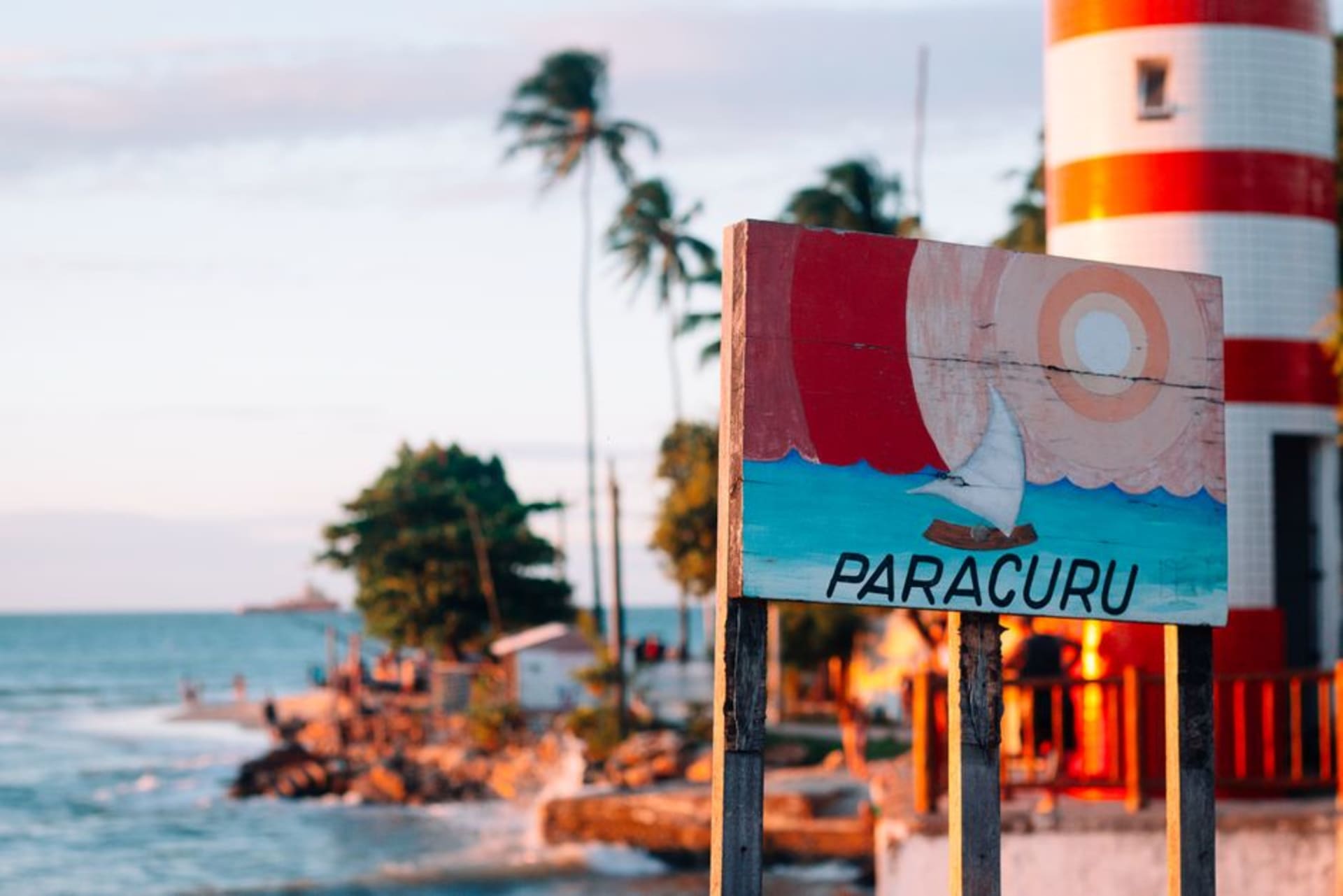
Paracuru
"Paracuru never bothered dressing itself up for visitors, and that is exactly its appeal."
A working fishing town with a serious left-hand point break, where surfers and jangada fishermen share the same stretch of water without much fuss.
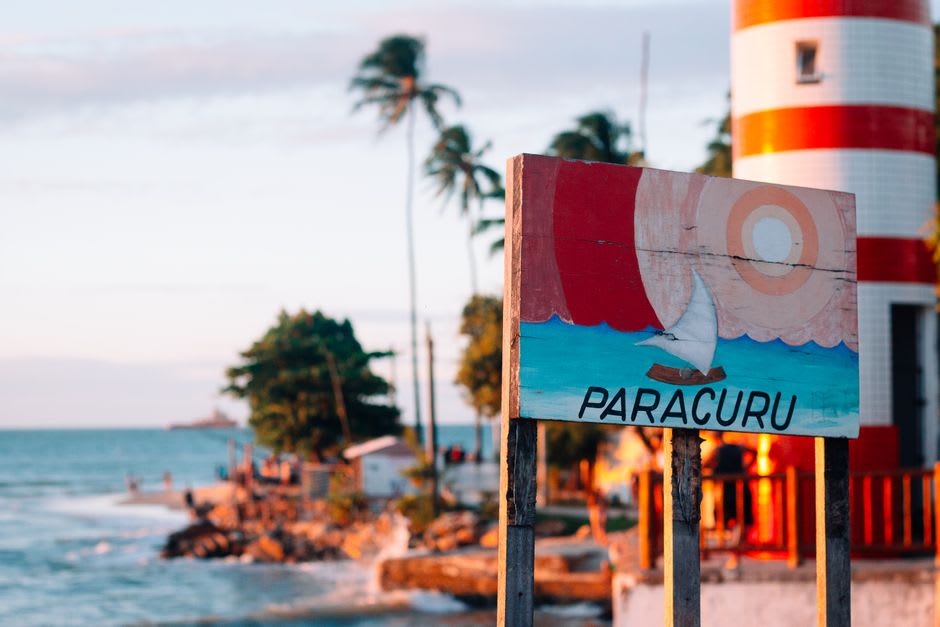
Paracuru does not perform for tourists the way some of its neighbors along the Ceará coast do. There’s no manicured beachfront promenade, no cluster of boutique pousadas competing for the best sunset view. It’s a fishing town first, with a surf break that happens to be excellent, and the two economies coexist on the same sand without much ceremony — jangadas pulling in with the morning catch fifty meters from where a dozen surfers sit waiting for the next set.
A Left That Keeps Going
The wave at Paracuru is a long, rippable left that peels off a rocky point on the town’s western edge, and on a good day with the right swell it holds shape for what felt, the first time I paddled it, like an unreasonable distance. I am a mediocre surfer at best, more enthusiasm than technique, and I still got rides longer than anything I’d caught at busier, more famous breaks further south. Lia sat it out with a book on the sand and told me afterward she’d counted eleven separate rides before losing interest in counting.
The surf crowd here is a mix of local Ceará kids who grew up on this break and international surfers who found it through word of mouth rather than any guidebook. There’s a modest but real surf culture — a couple of shaper shacks, a bar that fills up after sunset with people trading stories about the day’s sets, nobody performing for an audience because there mostly isn’t one.
Fish, Rum, and an Unhurried Evening
We ate dinner two nights running at a place a block back from the beach where the owner’s wife cooked whatever had come in that day — on the second night it was a whole grilled fish, skin blistered and salted simply, served with rice, farofa, and a vinaigrette of onion and tomato that cut through the richness perfectly. The rum came from a bottle with no label, poured generously and without being asked, and by the second glass a group of local fishermen at the next table had adopted us into their conversation despite a language barrier none of us particularly minded working around.
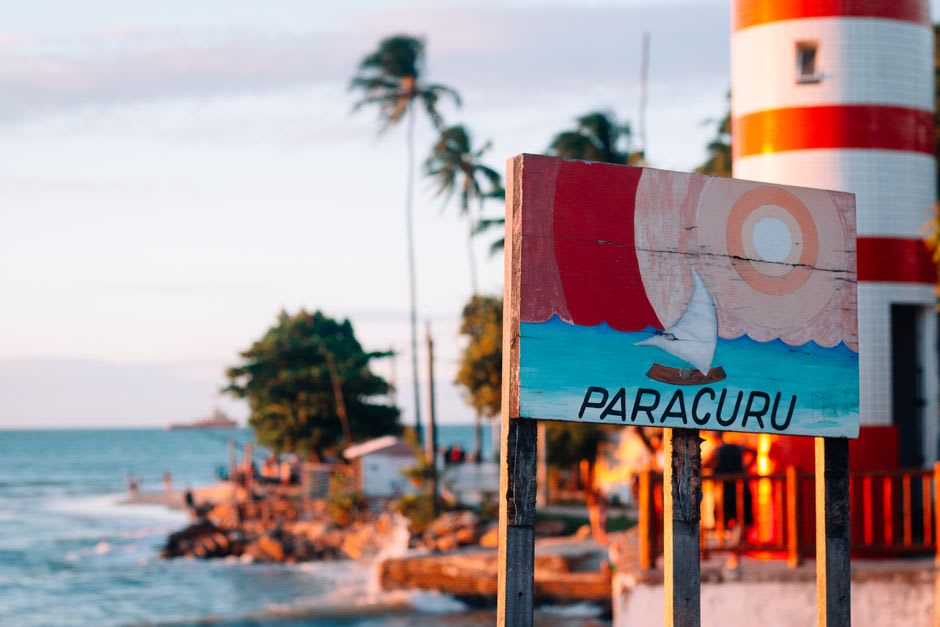
What stayed with me about Paracuru wasn’t any single moment so much as the pace of the place — nobody rushing to sell you anything, the surf schedule dictating the day more than any itinerary would, the fishermen and the surfers each going about their version of the same relationship with that water.
When to go: August through December brings the most consistent swell and offshore wind for the point break. Shoulder months are quieter and gentler if surfing isn’t the priority.