Novo Airão
"A wild boto pressed its snout into my palm and I have not stopped thinking about it since."
The small Rio Negro town where wild pink river dolphins swim up to meet you, hand to fin, in water the color of tea.
Novo Airão is a small, sleepy town on the Rio Negro, a few hours by road and river from Manaus, and it exists in my memory as the place where I touched a wild dolphin. That sentence sounds implausible even to me writing it, but the encounter at Porto Praia do Tupé, just outside town, is a genuine, decades-old relationship between local fishermen and a resident population of botos — pink river dolphins that approach docks on their own terms, drawn by fish offered by hand, in an arrangement that predates any formal tourism operation and that researchers now monitor closely to keep it from tipping into exploitation.
Standing waist-deep in the warm, dark water with a small silver fish in my hand, I watched a boto surface a few feet away, assess me with what felt like genuine curiosity, and glide close enough that its skin — rubbery, cooler than I expected — brushed against my palm as it took the fish. Lia went next and came up out of the water laughing in a way I hadn’t seen from her the entire trip. It is a strange, slightly surreal experience, encountering an animal usually mythologized as elusive and shape-shifting (Amazonian folklore casts the boto as a shapeshifter who seduces people at riverside parties) in a moment that feels almost domestic.
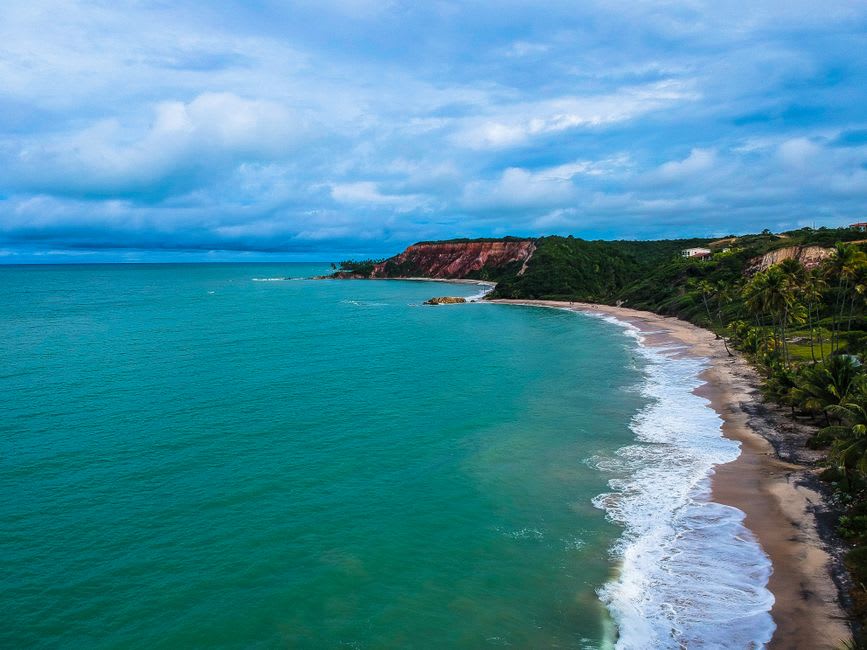
The town itself is worth a wander beyond the dolphin encounter — a quiet grid of streets sloping down to the Rio Negro, known regionally for its woodworking artisans who carve furniture and boats from native hardwoods. We found a workshop near the waterfront where a craftsman named Zé Maria was finishing a canoe by hand, using tools that looked barely modernized from a century ago, and spent a good half hour just watching him work while he explained which woods resist the river’s damp better than others.
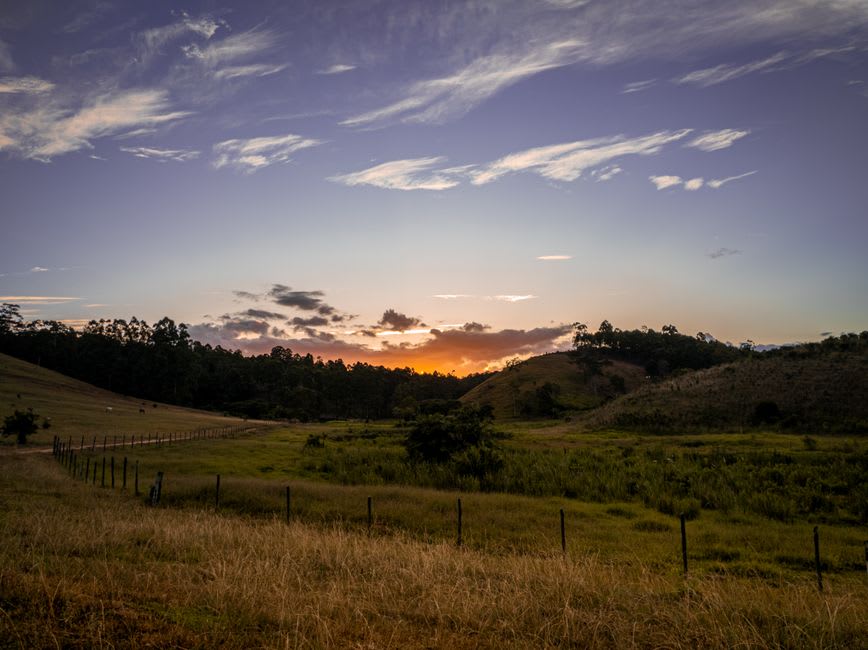
Novo Airão is also the most convenient launch point for exploring the northern reaches of the Anavilhanas Archipelago, and several lodges here run sunset boat trips into the islands that are quieter and less trafficked than the excursions departing directly from Manaus. We took one on our last evening, watching the light go copper over black water and forested islands, a pink dolphin surfacing once more in the distance as if to send us off properly.
When to go: June to November for the dry season and the most reliable dolphin encounters, when water levels concentrate wildlife near the docks. December to May floods the surrounding forest, beautiful for canoe access but less predictable for the dolphin interaction.
Keep exploring
More from Brazil
 brazil
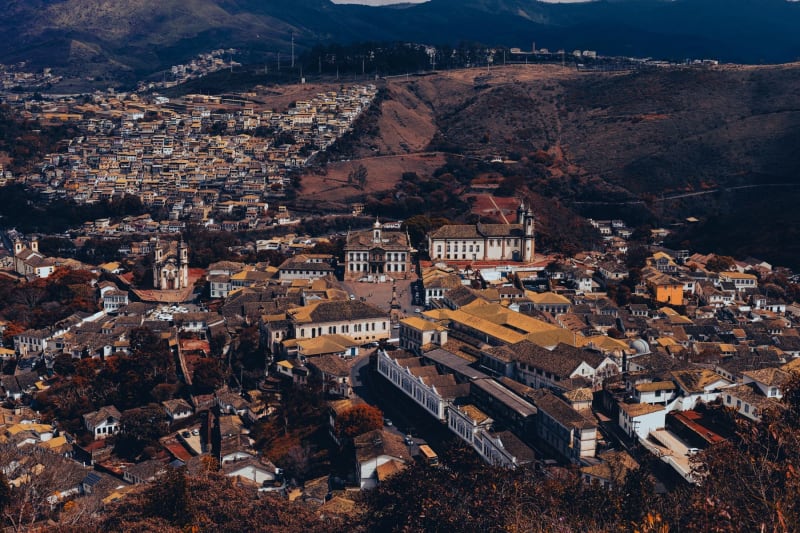
 Ouro Preto
A Baroque masterpiece of black stone churches and gold-rush opulence tumbling down Minas Gerais hillsides.
Explore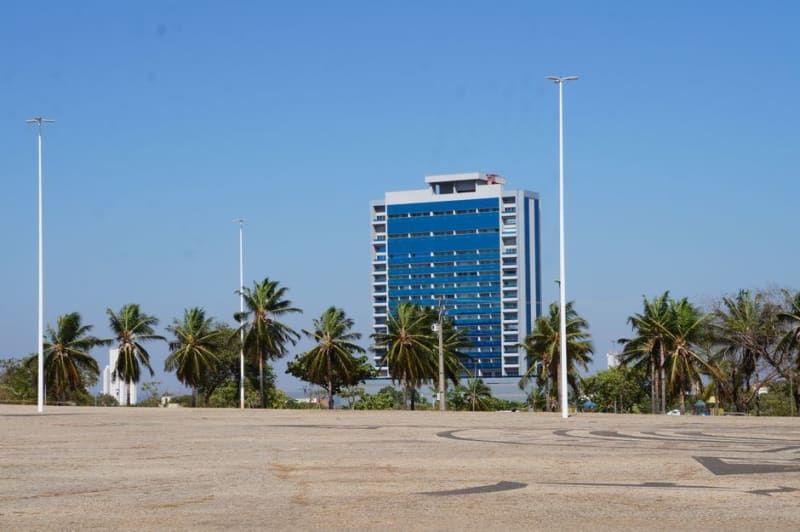 brazil
 Palmas
Brazil's newest state capital — a planned city on the Tocantins river, mostly known as the gateway to Jalapão.
Explore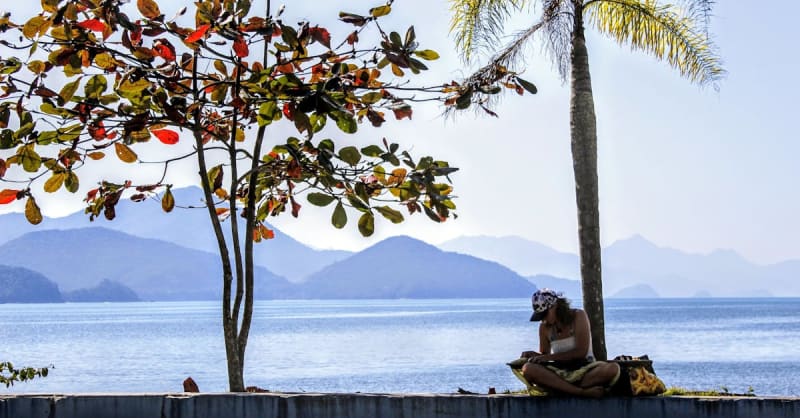 brazil
 Pantanal
The world's largest tropical wetland — jaguars, caimans, and more wildlife per square kilometer than the Amazon.
Explore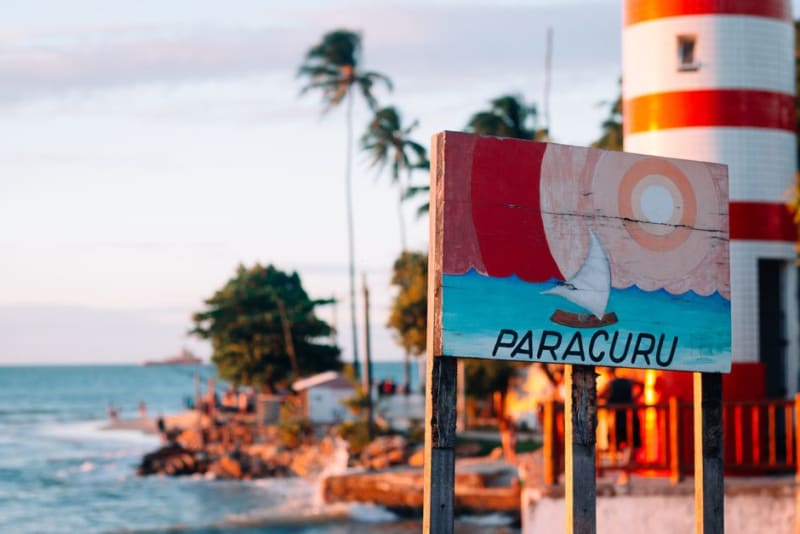 brazil
 Paracuru
A working fishing town with a serious left-hand point break, where surfers and jangada fishermen share the same stretch of water without much fuss.
Explore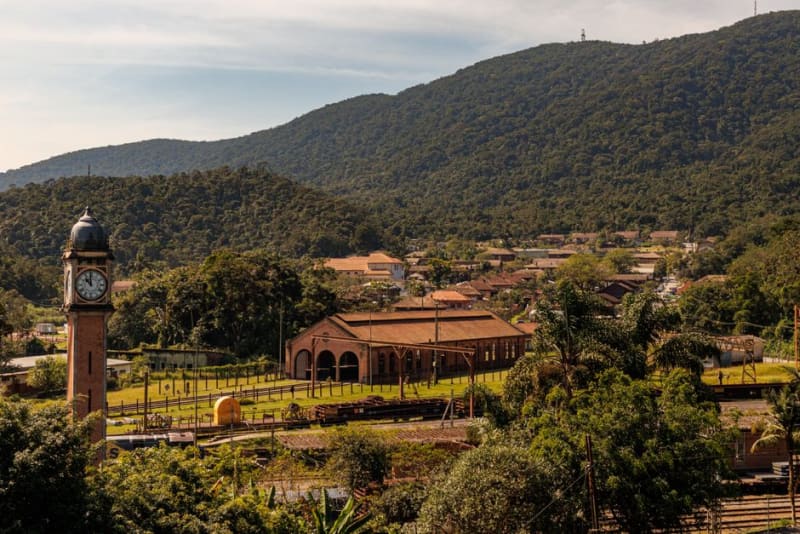 brazil
 Paranapiacaba
A Victorian-era English railway village hidden in the fog-bound mountains above São Paulo, built to move coffee and somehow still standing intact.
Explore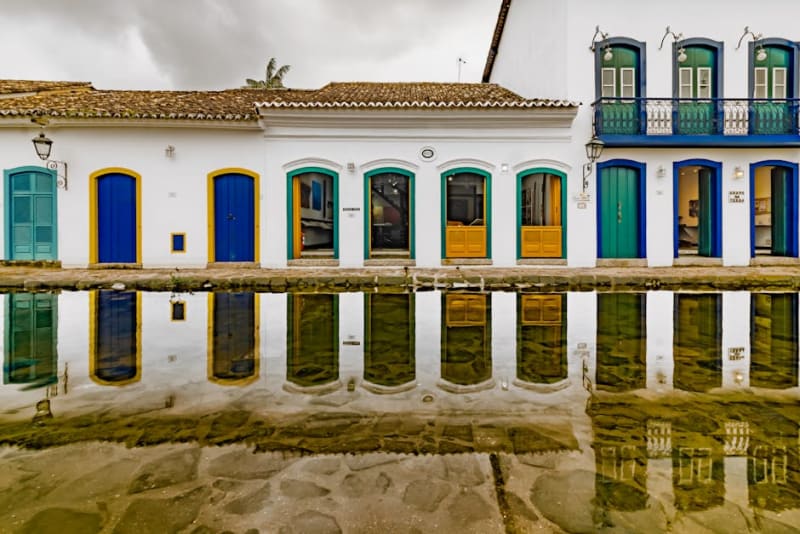 brazil
 Paraty
A colonial jewel between the mountains and the sea, where cobblestone streets flood at high tide and cachaça flows at every corner.
Explore