An outdoor contemporary art museum the size of a small nation, scattered through botanical gardens in the hills outside Belo Horizonte.
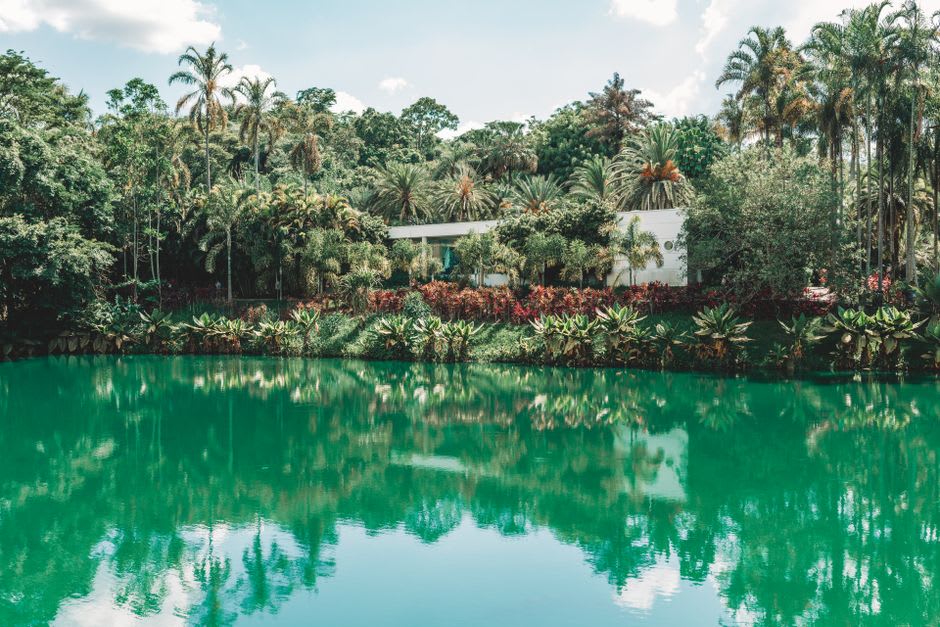
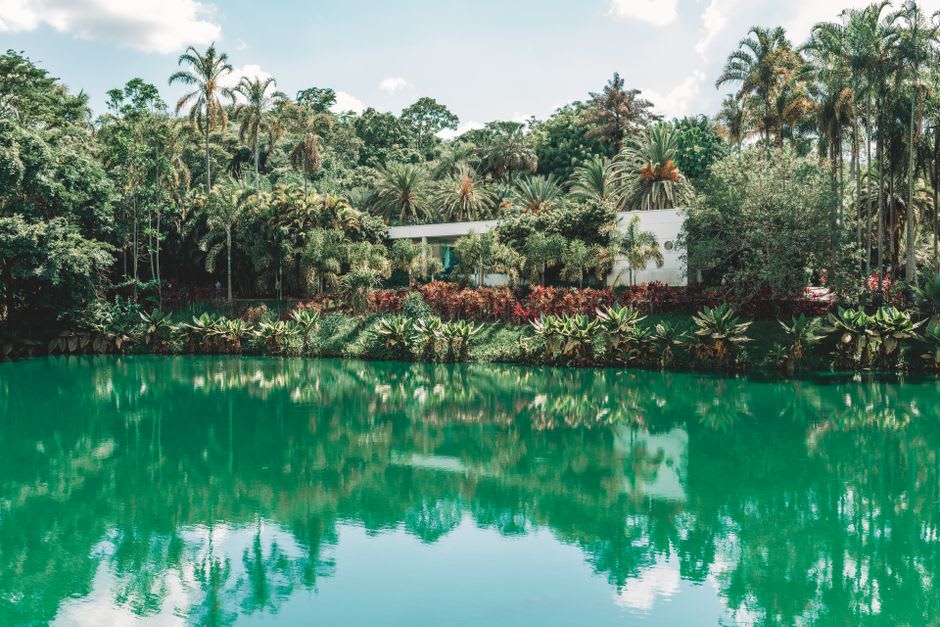
Inhotim does not fit any category I had ready for it. It is described as an art museum, but it is really a botanical garden with individual pavilions — some the size of small cathedrals — scattered across five hundred acres of former mining land, each housing a single artist’s work or a rotating exhibition. You do not walk between galleries here. You walk between climates.
A Day Is Not Enough
We arrived thinking a few hours would cover it and left, ten hours later, having seen maybe two-thirds of the grounds. The scale genuinely disoriented me. One pavilion holds Doug Aitken’s disorienting video installation in total darkness; a ten-minute walk through palm groves and past a lake with black swans leads to Cildo Meireles’s room-sized sound and light works; further on, a greenhouse the size of an aircraft hangar holds one of the largest collections of rare palms on the planet, catalogued with the same rigor as the art. Lia, who came in mildly skeptical about a “garden with some art in it,” stopped checking her watch by midday.
The Money Behind It
Inhotim exists because of one man — Bernardo Paz, a mining magnate who began collecting art and building a private garden here in the 1980s and never really stopped. The project has survived financial scandals and changes in ownership structure to become, improbably, one of the most significant contemporary art institutions in the Southern Hemisphere, in a region best known for colonial churches and gold rush towns. The contrast is part of what makes it worth the detour: after days of Baroque saints and gilded altarpieces in Ouro Preto and Tiradentes, walking into a pavilion of raw industrial minimalism feels like being teleported.
Practicalities Worth Knowing
The grounds are large enough that Inhotim runs its own internal shuttle buses between clusters of pavilions, and I would genuinely recommend using them rather than trying to walk the whole circuit — we tried to be purists about it in the morning and paid for it by early afternoon. There are several restaurants on-site of a quality I did not expect from a museum cafeteria, including one serving a full Minas Gerais lunch buffet that we ended up needing after all that walking.
When to go: Year-round, though the dry season from April to September makes for more comfortable walking. Go on a weekday if you can — weekends bring day-trippers from Belo Horizonte in numbers that thin out the experience.
Keep exploring
More from Brazil
 brazil
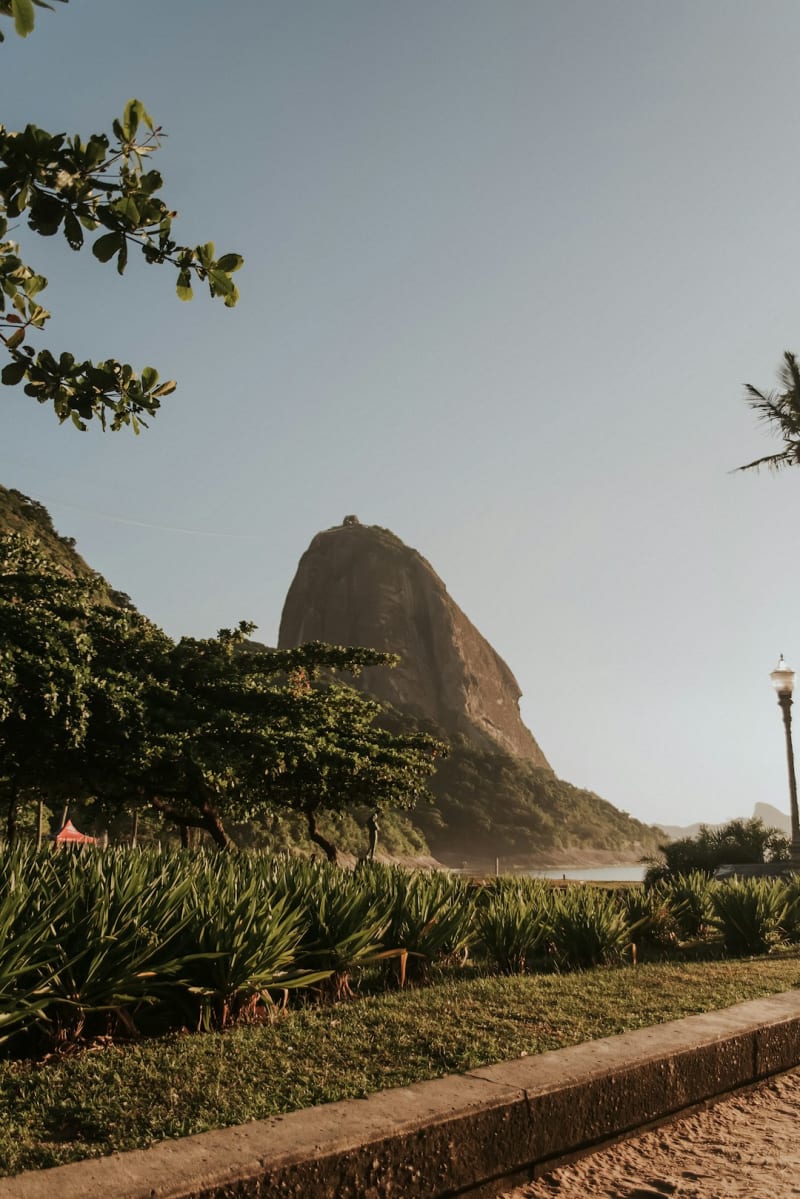
 Ipanema
The neighbourhood that gave the world a song, a beach where the sunset gets a round of applause, and a way of life built entirely around both.
Explore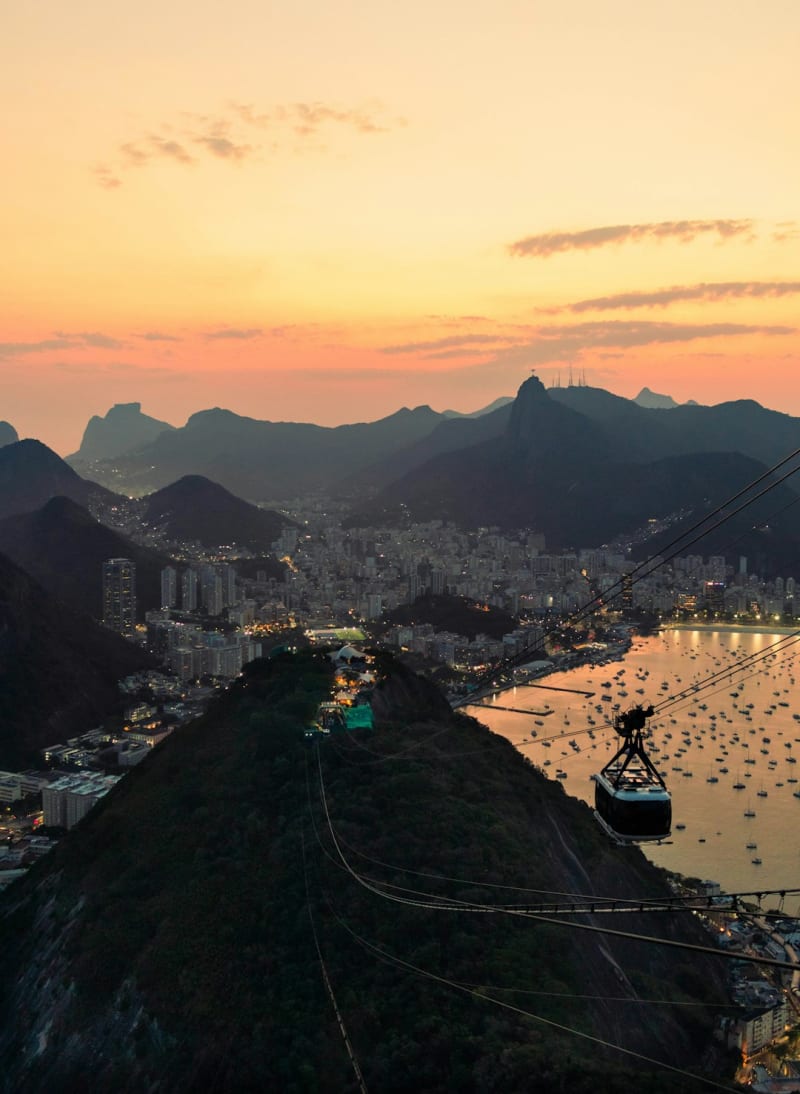 brazil
 Itacaré
A former cacao boomtown turned surf town where Atlantic rainforest runs down to the sand and a string of forest-fringed beaches replaces any need for a beach club.
Explore brazil
 Jacobina
A gemstone-mining town in Bahia's interior highlands, gateway to the northern reaches of the Chapada Diamantina.
Explore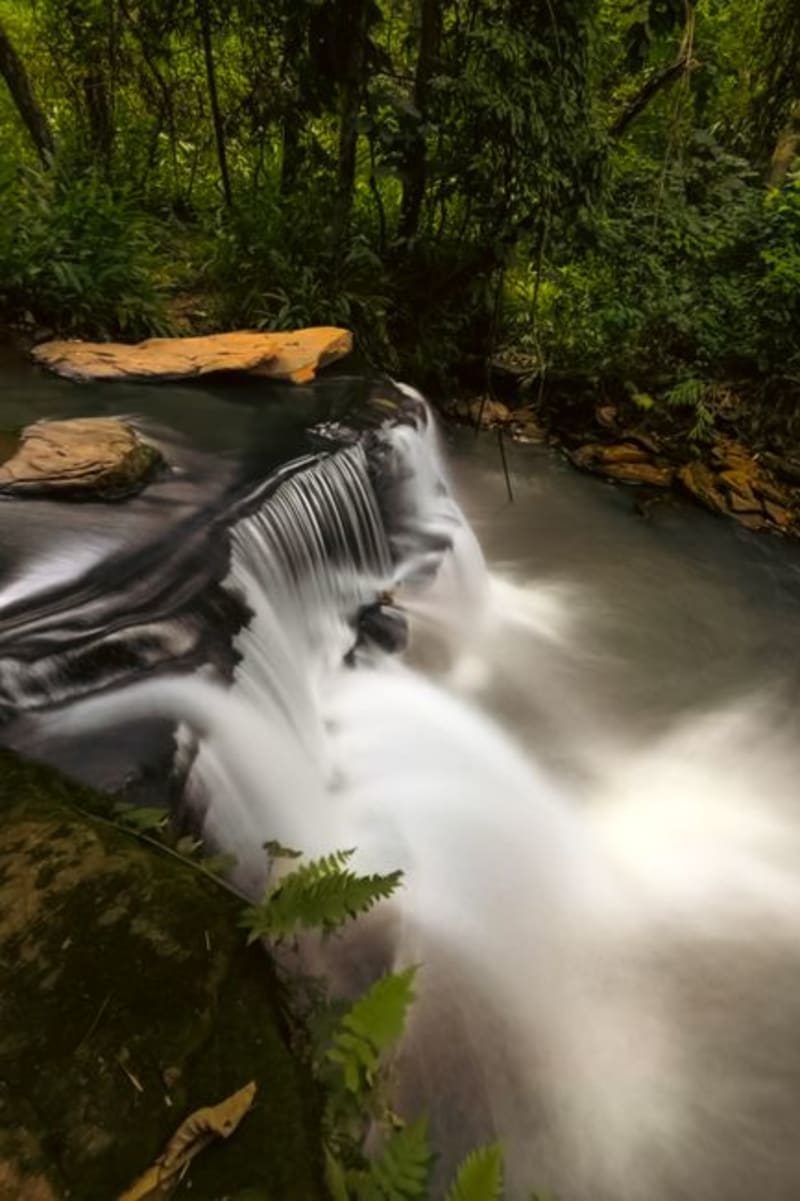 brazil
 Jalapão
Tocantins' remote savanna of orange dunes, waterfalls, and impossibly blue crystal springs — Brazil's hardest-earned wilderness.
Explore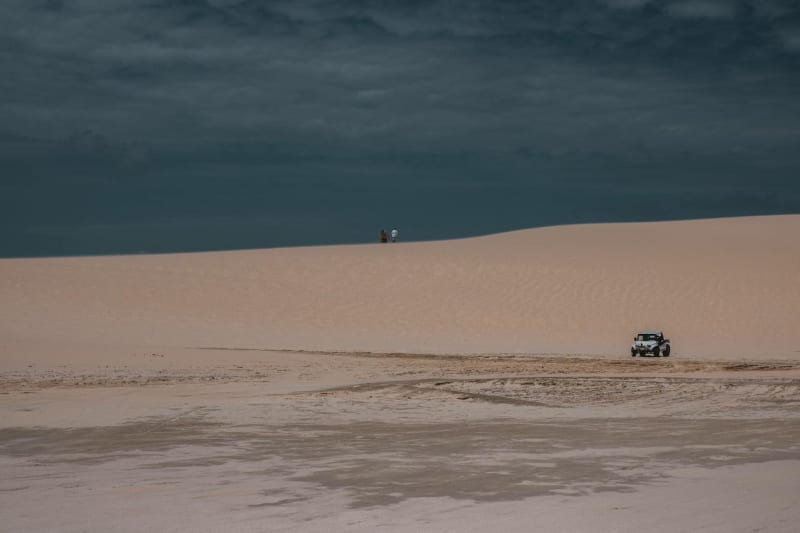 brazil
 Jericoacoara
A car-free village of sand streets, windswept dunes, and lagoons perfect for kitesurf and hammock philosophy.
Explore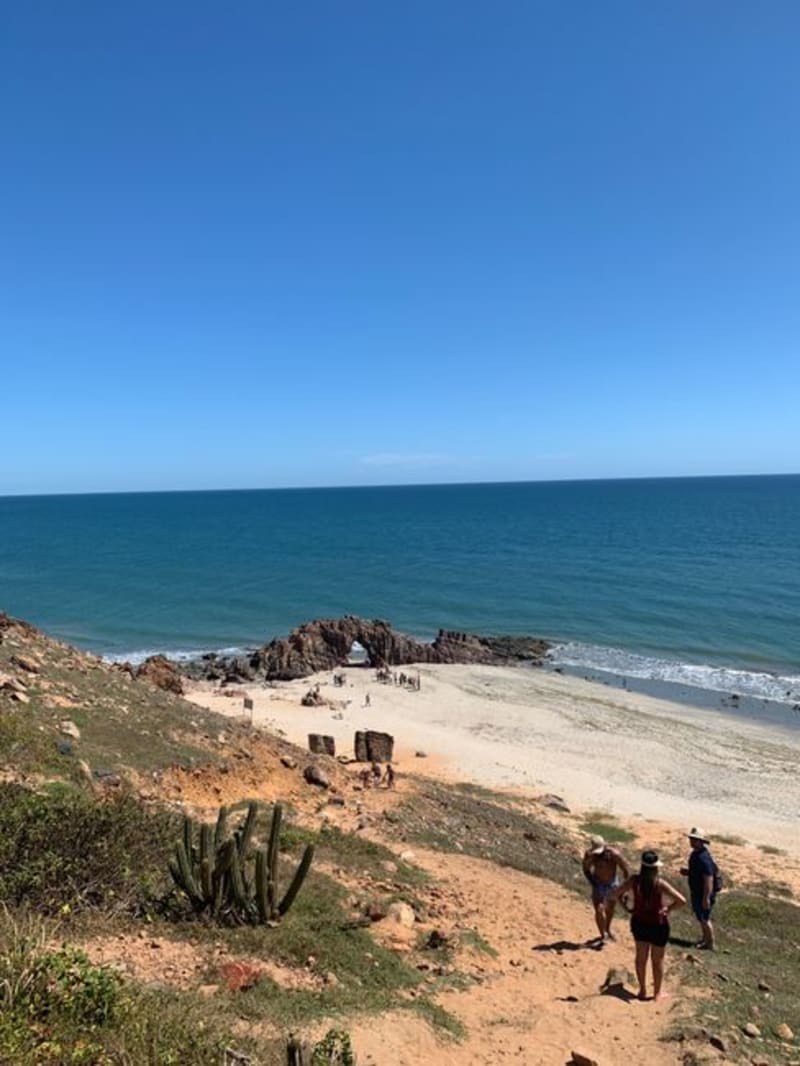 brazil
 Jijoca de Jericoacoara
The unglamorous municipal town you pass through — and the buggy staging ground — before the forty-minute dune crossing into Jeri itself.
Explore