Ilha do Cardoso
"There is a specific kind of quiet on Ilha do Cardoso that I have not found anywhere else on the São Paulo coast."
No roads, no signal, no shortage of doubt about whether the boat will actually come back for you — the wildest island I have reached on this coast.
Getting to Ilha do Cardoso takes actual effort, and that effort is the entire reason it stays this untouched. The island sits at the far southern edge of São Paulo state, near the border with Paraná, protected almost entirely as a state park, with no bridge, no car access, and only small boats running from the fishing town of Cananéia to reach it. I arranged mine through a guesthouse in Cananéia, and the woman running it looked mildly surprised that I wanted to go — most of her guests, she said, just do a day trip to the nearer beaches and never bother crossing to Cardoso itself.
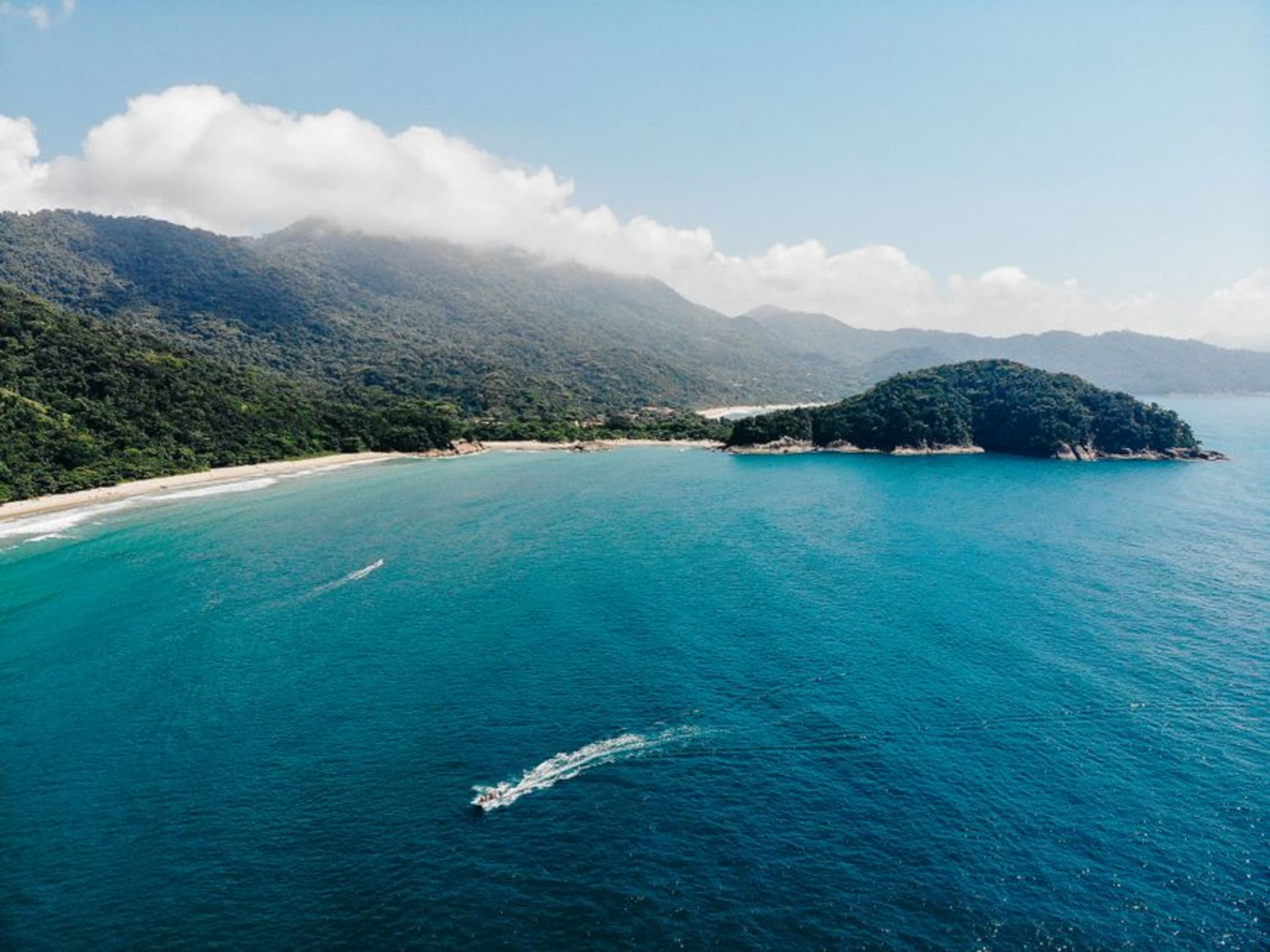
The crossing took about forty minutes through mangrove channels, herons lifting off the water banks as the boat passed, and then the island appeared as a long green wall with a thin strip of white sand at its base. There are no roads on Ilha do Cardoso, no permanent settlement beyond a small fishing community and a handful of park rangers, and the interior is dense Atlantic Forest that has never been logged.
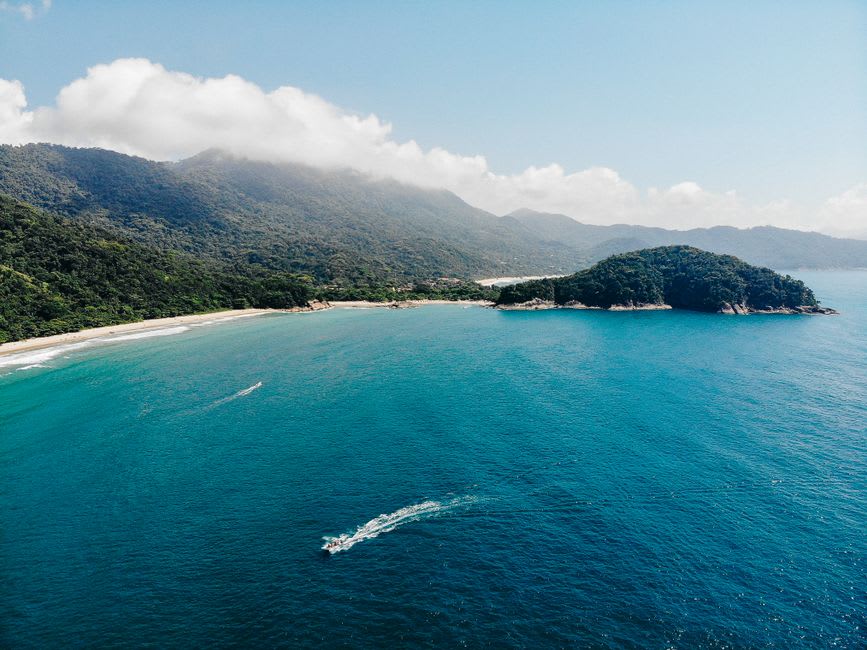
The beaches are the payoff for the trouble. I walked out to Praia Pontal do Leste, reachable by a forest trail from the small settlement, and found several kilometres of empty sand with the forest coming down almost to the waterline and not another person in sight for the entire walk. It is the kind of beach that, on the Rio coast, would have a beach club and a DJ by ten in the morning. Here, it had me, a few seabirds, and the sound of surf.
I stayed two nights in a simple guesthouse run by one of the island’s fishing families, ate whatever they had caught that day, and spent an evening watching bioluminescent plankton light up in the shallows when I waded in after dark — something I had only seen described in books before that trip.
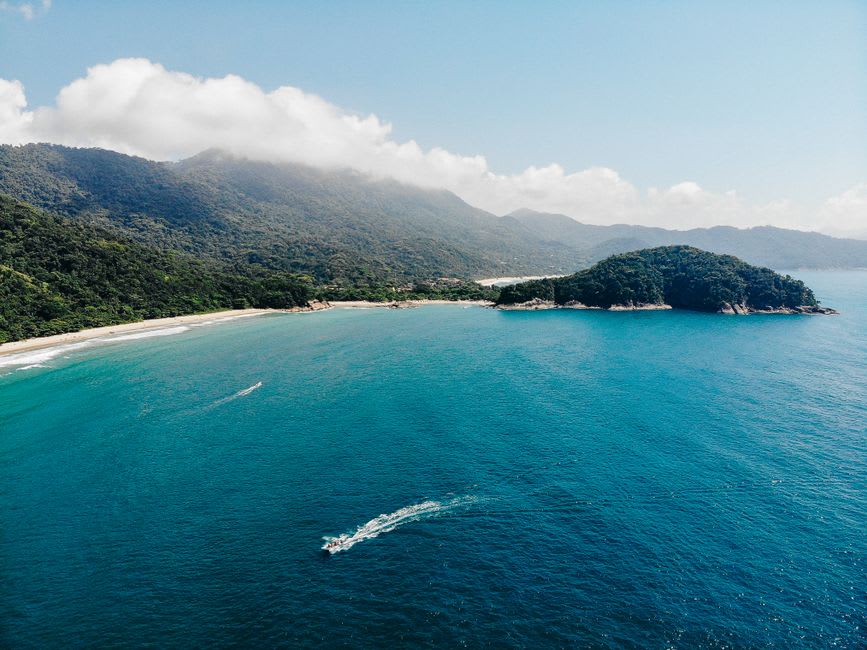
This is not a trip for anyone wanting comfort or convenience. There is limited phone signal, basic accommodation, and you are entirely dependent on boat schedules that bend to weather and tide rather than any printed timetable. I would not recommend it as a first stop in Brazil. As a deliberate escape from everything the São Paulo coast usually offers, it has no rival I have found.
When to go: April to June and September to November for calmer seas and easier boat crossings. Avoid the rainy peak of summer (January and February) when crossings can be cancelled for days at a time.