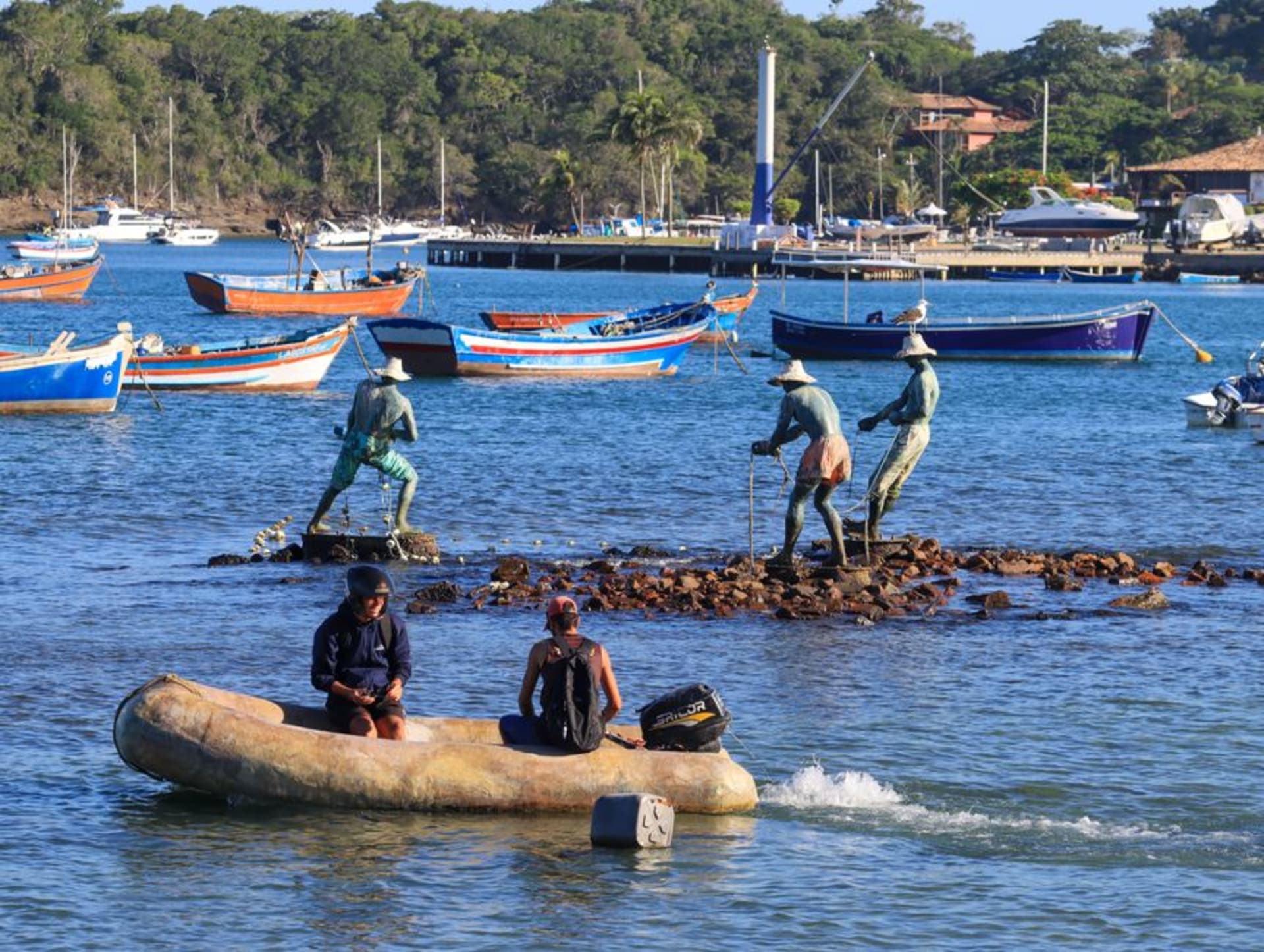
Ilha de Itaparica
"Forty minutes on a ferry from Salvador and the entire tempo of the trip changed."
A ferry ride from Salvador across the Bay of All Saints, Itaparica's colonial villages and mangrove-lined beaches move at a distinctly slower speed.
Salvador is a city that runs on rhythm — drums in the streets, traffic that never quite settles, a permanent low hum of activity. I loved it and needed, after five days, to leave it, so Lia and I took the car ferry from the Terminal Marítimo across the Bay of All Saints to Itaparica, a forty-minute crossing that felt less like a commute and more like a decompression chamber.
Arriving by Water
There is something correct about reaching an island the slow way. We stood at the rail for most of the crossing watching Salvador’s skyline recede and the green hump of Itaparica grow larger, fishing canoes crossing our wake, container ships anchored at odd angles in the deep water of the bay. By the time we docked, the noise of the city had genuinely faded from my head — a transition that a bridge would never have managed.
Itaparica Town
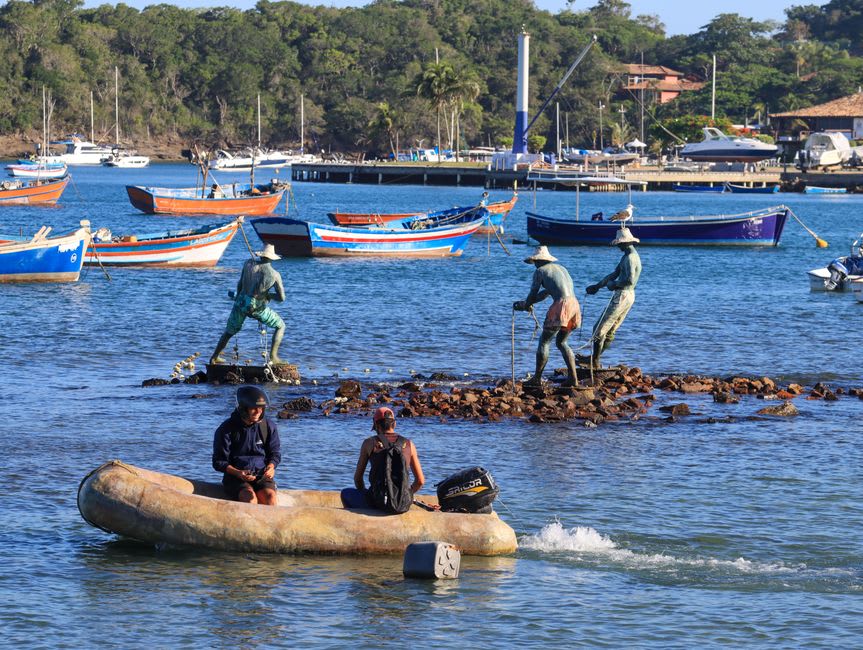
The main town, also called Itaparica, has a small colonial core of church squares and low pastel houses that once made it a favored retreat for Salvador’s Portuguese elite, back when the sea route was the fastest route between the two. It still functions that way, quietly — a scattering of second homes, a handful of restaurants serving moqueca on waterfront terraces, and a public fountain, the Fonte da Bica, whose spring water locals swear tastes better than anything from a bottle. I tried it. I am not qualified to confirm the claim, but I did not disagree with it either.
Mar Grande and the Coconut Beaches
The island’s northern beaches, around Mar Grande, are calm, shallow, and lined with coconut palms leaning at the angle that seems to exist only in Brazilian tourism photography until you see it in person. We spent an afternoon there with rented beach chairs and a woman selling grilled shrimp skewers from a cooler, the water so still it barely needed the breakwater someone had built decades ago and mostly abandoned.
A Day Trip That Wants to Be Longer
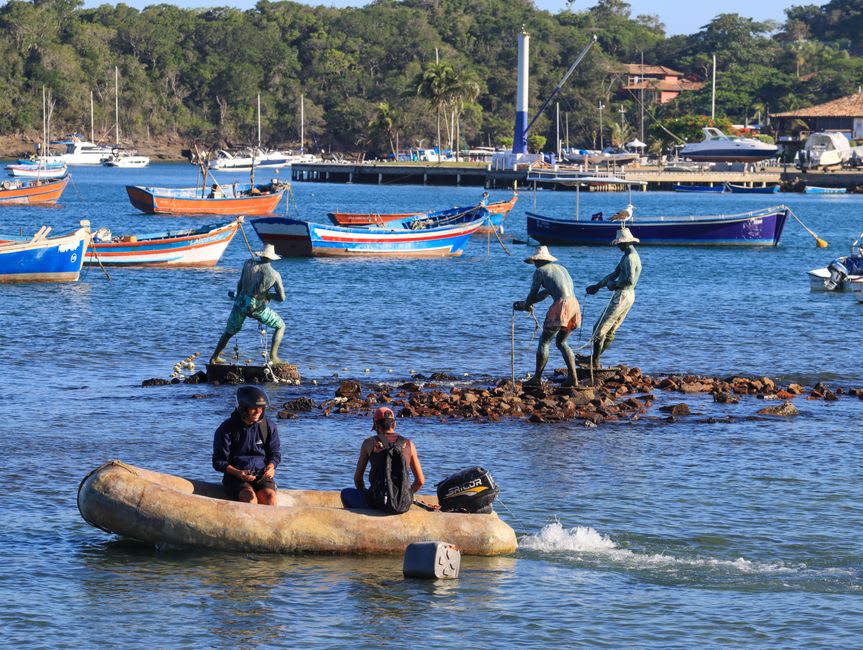
Most Salvador visitors treat Itaparica as a half-day excursion, and the ferry schedule accommodates that easily. But every pousada owner we met made a quiet case for staying at least one night, if only to see the island after the day-trippers’ ferry departs, when the waterfront empties and the whole place seems to exhale.
When to go: Year-round, given the bay’s mild climate, though September to February brings the calmest water for swimming and the least rain.
Keep exploring
More from Brazil
 brazil
 Ilha de Marajó
The world's largest river-ocean island, where water buffalo outnumber cars and the Amazon delta dissolves into open sea.
Explore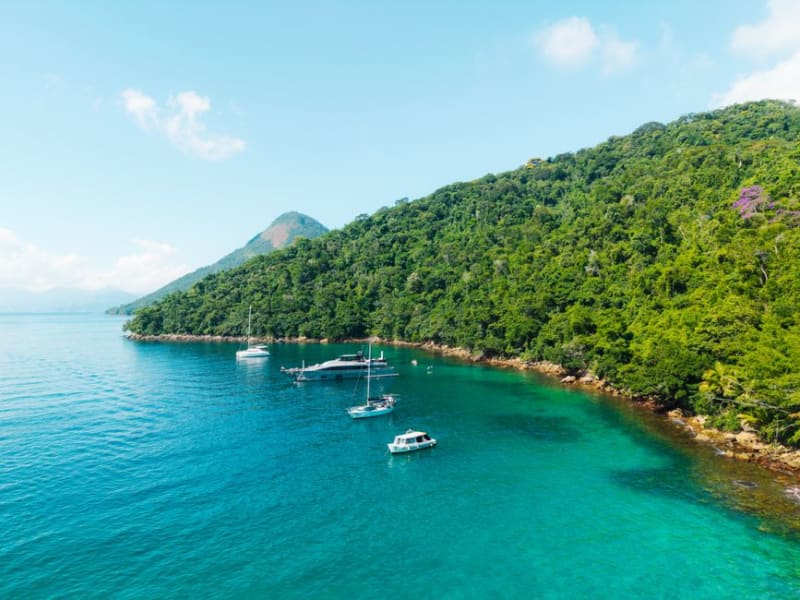 brazil
 Ilha do Bananal
The world's largest river island, split between Tocantins and Araguaia — home to the Karajá people and wildlife that rivals the Pantanal.
Explore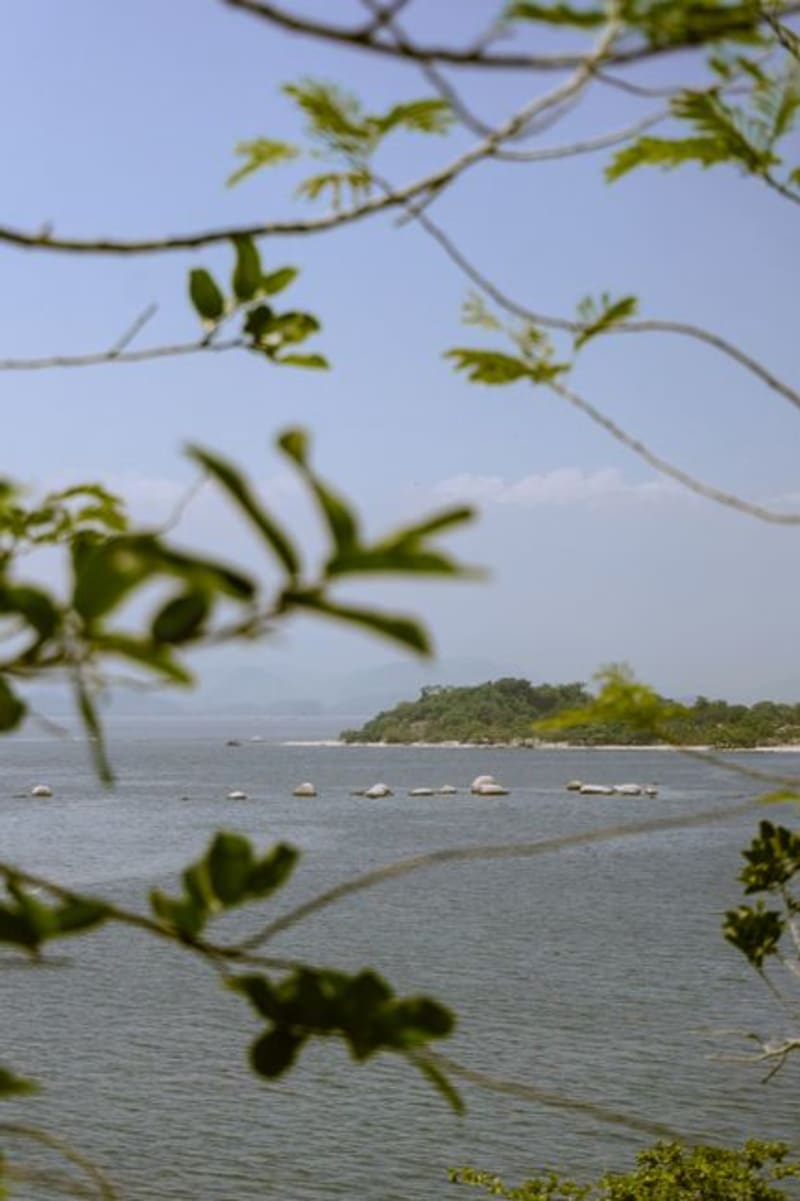 brazil
 Ilha do Cardoso
No roads, no signal, no shortage of doubt about whether the boat will actually come back for you — the wildest island I have reached on this coast.
Explore brazil
 Ilha do Mel
A car-free island off the Paraná coast where forest meets sand and the only traffic is bare feet on sandy paths.
Explore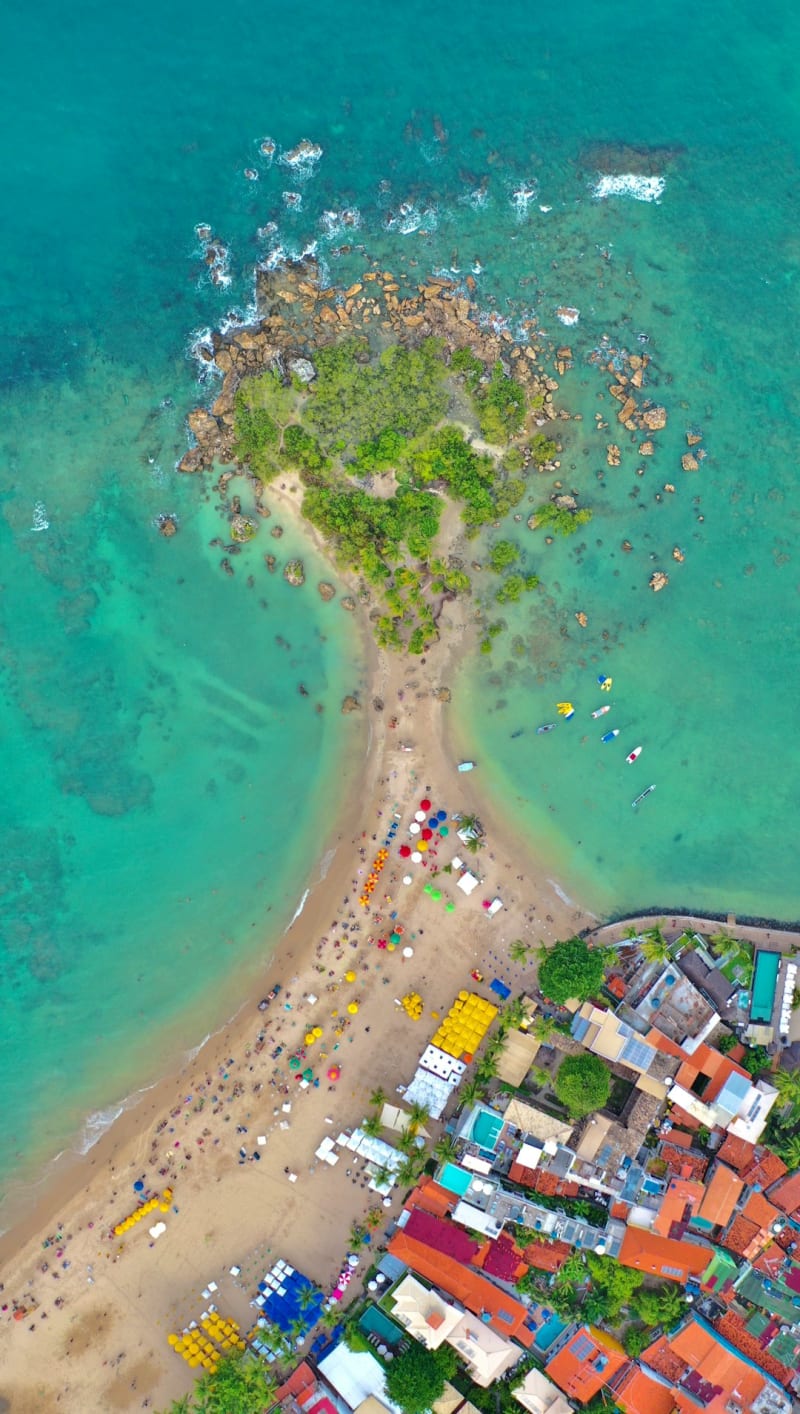 brazil
 Ilhabela
A car-choked ferry queue gives way to a sailor's island of waterfalls, empty beaches, and the best Brazilian sailing water I have found.
Explore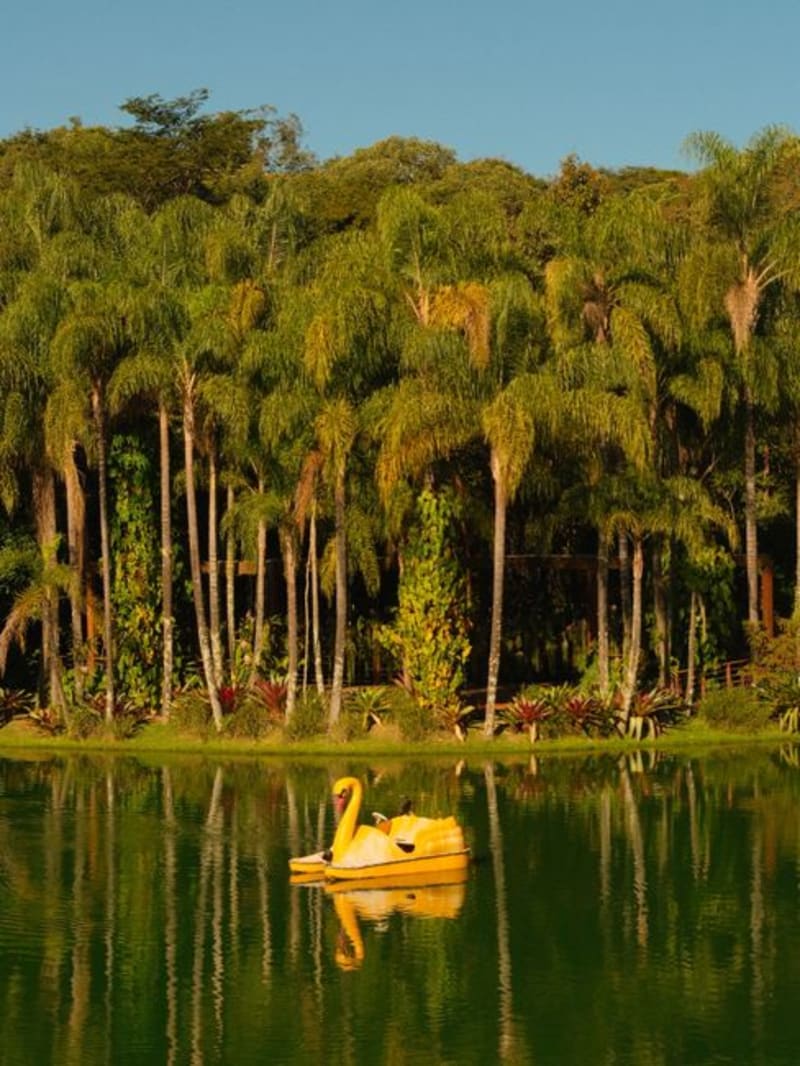 brazil
 Inhotim
An outdoor contemporary art museum the size of a small nation, scattered through botanical gardens in the hills outside Belo Horizonte.
Explore