Igarassu
"I had the oldest church in Brazil almost entirely to myself, which felt like it shouldn't be allowed."
The oldest town in Brazil, a quiet colonial settlement north of Recife where the first church in the country still holds mass and almost nobody visits.
Igarassu doesn’t advertise itself, which is part of why I liked it. Forty minutes north of Recife by bus, past the airport and the sprawl that eventually thins into cane fields, sits the town where Portuguese colonization of Brazil effectively began — founded in 1535, a few years before Salvador, making it by most accounts the oldest continuously inhabited town in the country. There is no queue to see any of it. There is barely a tourist information booth.
The Igreja dos Santos Cosme e Damião, built in 1535 and rebuilt after Dutch incursions in the 17th century, claims the title of oldest church in Brazil, and whether or not that precise claim survives academic scrutiny, standing inside it does something to your sense of time. The interior is simple — whitewashed walls, a modest gilded altar, wooden pews worn smooth — and mass is still said there on Sundays to a small, entirely local congregation. I sat in the back for twenty minutes on a weekday afternoon while a caretaker swept the floor, and neither of us said anything, which felt like the correct way to experience the place.
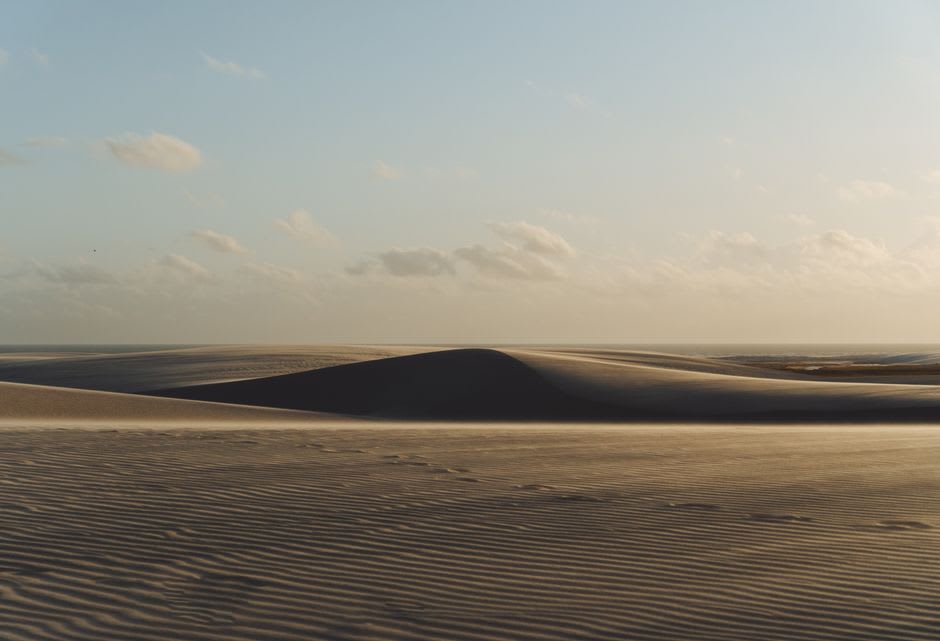
The rest of the historic center follows the same register — the Convento de Santo Antônio, with its adjoining museum of sacred art housed in the old Franciscan monastery, and streets of low colonial houses in fading pastel that nobody has bothered to restore into a postcard, because nobody expects tourists to photograph them. I found this more affecting than Olinda’s polished version of the same architecture, precisely because Igarassu hasn’t been arranged for anyone’s benefit. It just kept existing.
Around the town, Pernambuco’s cane country stretches out in the low green hills that gave the region its colonial wealth and its colonial violence in the same breath — sugar plantations built on enslaved labor, some of the old engenhos still standing as private estates or small museums. The Engenho São João, a short drive from the center, offers a glimpse of that history that doesn’t sanitize it, with original machinery and slave quarters preserved alongside the manor house.
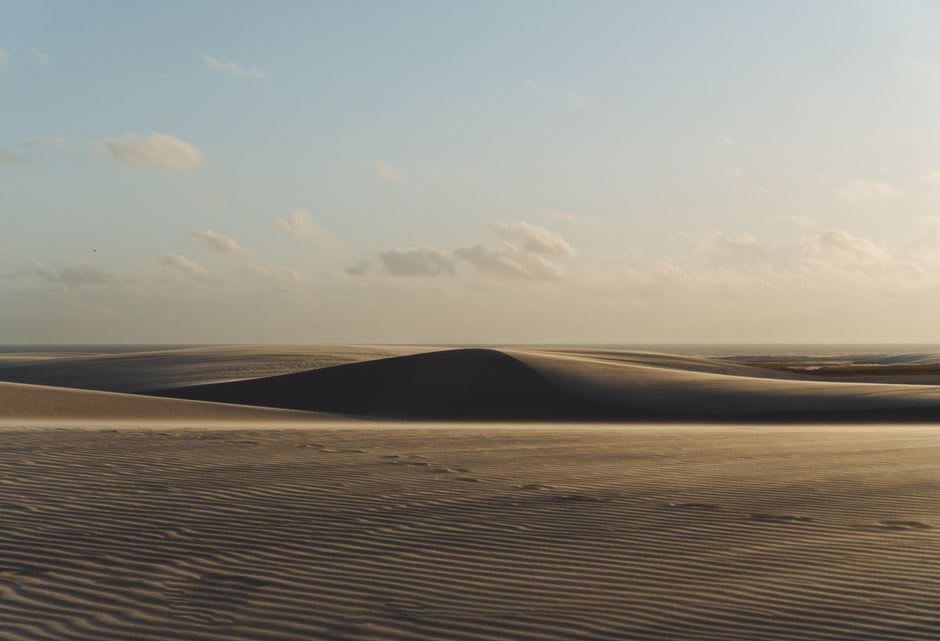
I would not plan a trip around Igarassu alone — it’s a half-day, not a destination in itself — but as a detour from Recife or on the way north toward Porto de Galinhas, it does something none of the more celebrated colonial towns in Brazil manage anymore: it lets you feel like you found it.
When to go: Any time outside the peak of the rainy season (April to June) works, since the appeal here is quiet streets rather than beach weather. Go on a weekday morning, when the church and convent are open and the town is at its emptiest and most itself.
Keep exploring
More from Brazil
 brazil
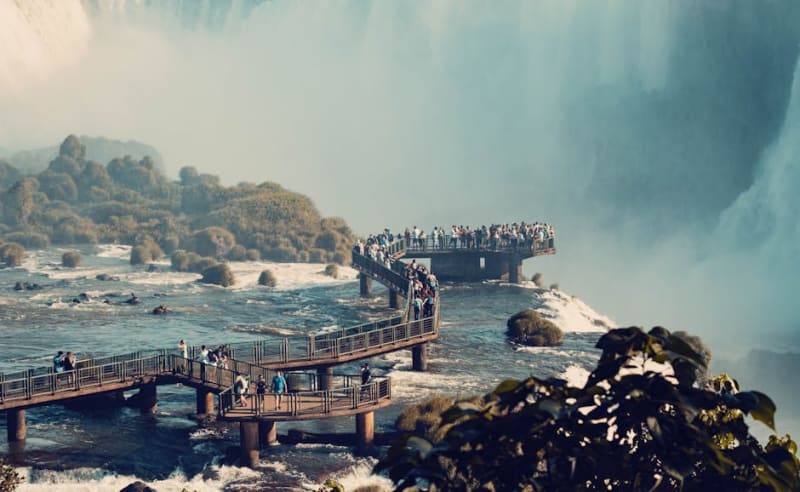
 Iguazu Falls
Two hundred and seventy-five waterfalls crashing through subtropical forest — nature's most excessive spectacle.
Explore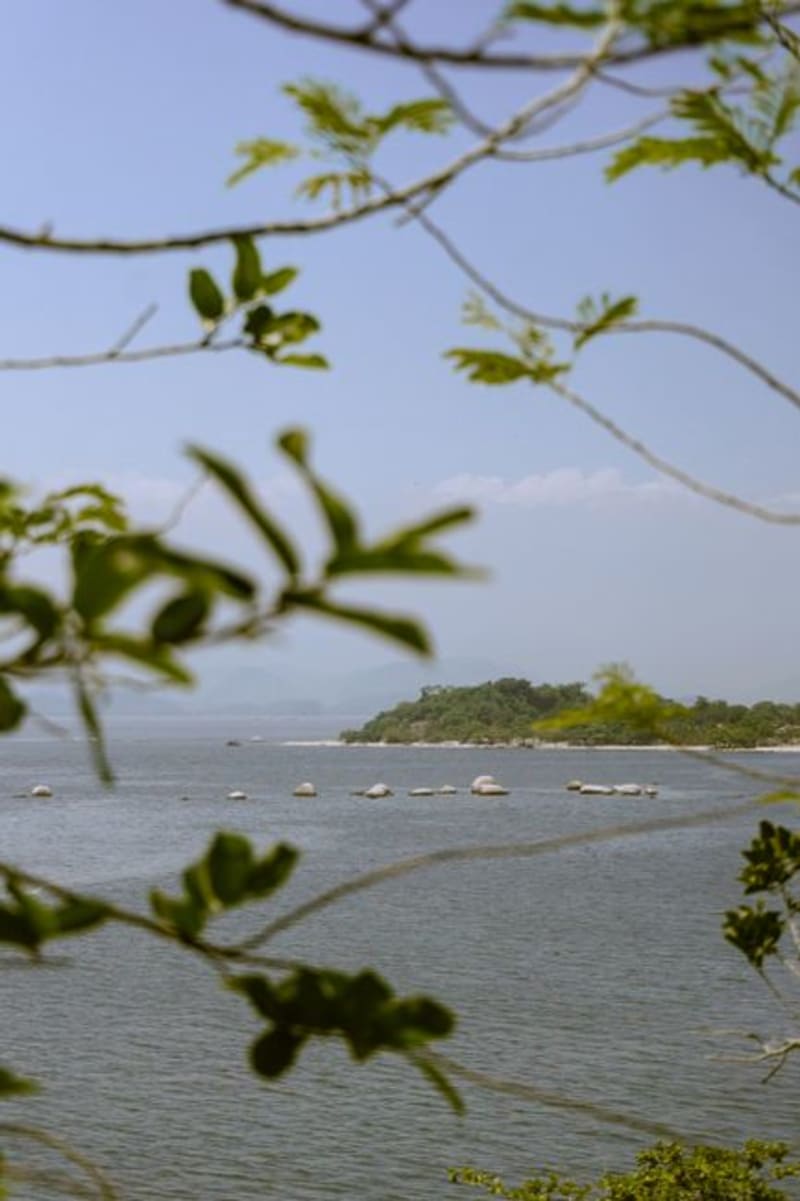 brazil
 Ilha de Itaparica
A ferry ride from Salvador across the Bay of All Saints, Itaparica's colonial villages and mangrove-lined beaches move at a distinctly slower speed.
Explore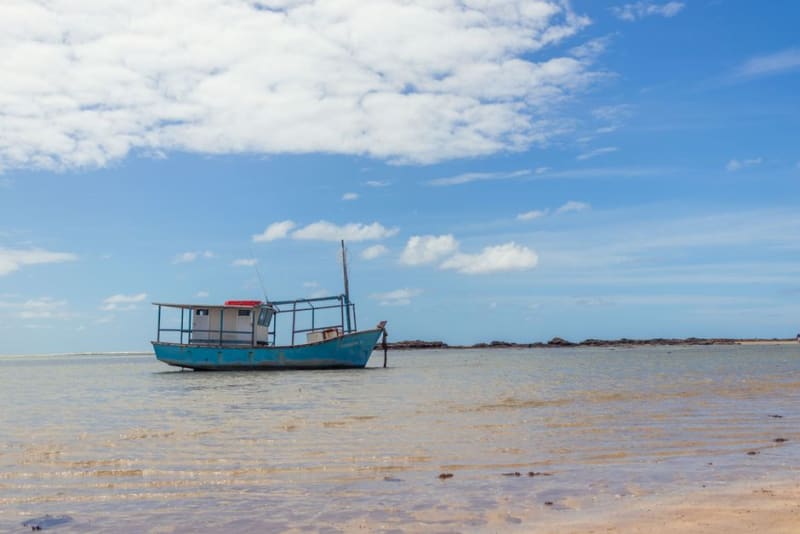 brazil
 Ilha de Marajó
The world's largest river-ocean island, where water buffalo outnumber cars and the Amazon delta dissolves into open sea.
Explore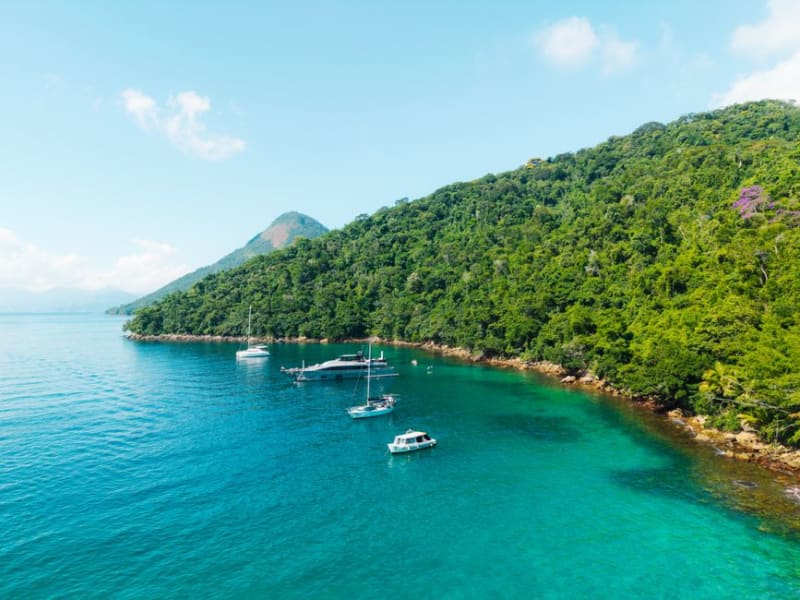 brazil
 Ilha do Bananal
The world's largest river island, split between Tocantins and Araguaia — home to the Karajá people and wildlife that rivals the Pantanal.
Explore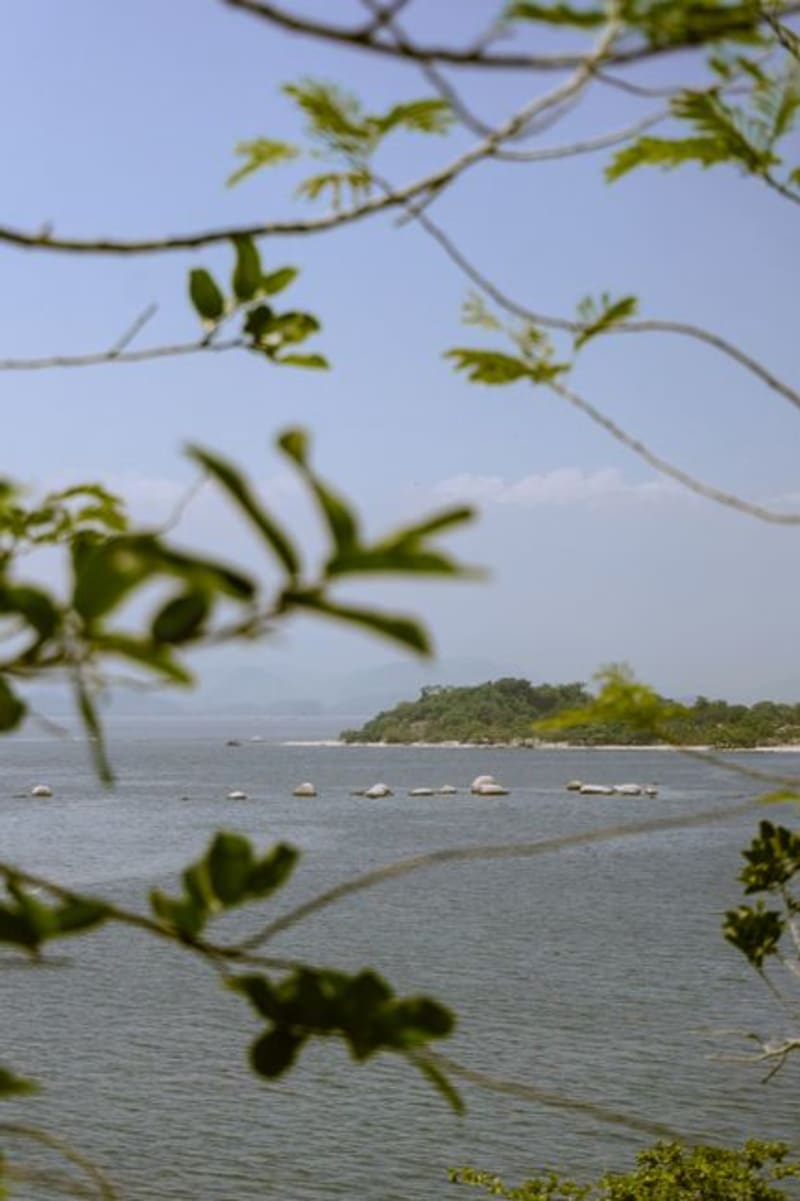 brazil
 Ilha do Cardoso
No roads, no signal, no shortage of doubt about whether the boat will actually come back for you — the wildest island I have reached on this coast.
Explore brazil
 Ilha do Mel
A car-free island off the Paraná coast where forest meets sand and the only traffic is bare feet on sandy paths.
Explore