Goiás' art deco planned capital — leafy, underrated, and one of Brazil's most livable mid-sized cities.
I ended up in Goiânia almost by accident, tacking on two nights during a longer trip through the interior of Goiás, expecting a forgettable regional capital between more famous stops. Instead I found one of the more pleasant mid-sized cities I’ve spent time in anywhere in Brazil — a place designed in the 1930s with an explicit art deco vision, and unlike a lot of planned cities, one that actually seems to have grown into that vision rather than fighting it.
An Art Deco City That Kept Growing
Goiânia was founded in 1933 to replace the old colonial capital of Goiás Velho, and its original center still carries a coherent art deco character — curved facades, geometric detailing, buildings like the Teatro Goiânia and the old Governor’s Palace that feel unmistakably of their era. What’s unusual is how much green space was built into the original plan: Goiânia is consistently ranked among Brazil’s greenest cities per capita, and walking the streets near the center, the canopy cover is dense enough that entire blocks stay in shade through the hottest part of the day.
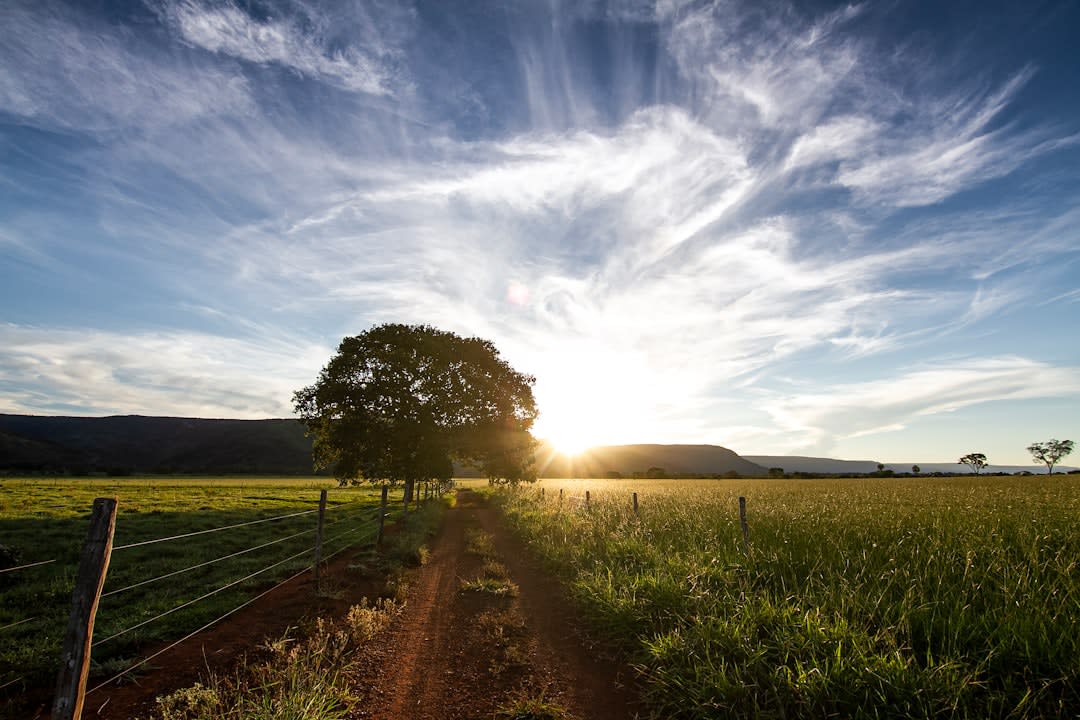
Bosque dos Buritis and Sunday Markets
The Bosque dos Buritis, a large downtown park built around a cluster of buriti palms and small lakes, is where the city seems to actually gather — joggers at dawn, families by midday, couples on benches by evening. On Sundays, the nearby streets host an antiques and crafts fair that pulled me in for what was meant to be twenty minutes and became most of a morning, browsing vintage vinyl and Goiás handicrafts with a coffee from a cart that had clearly been in the same spot for years.
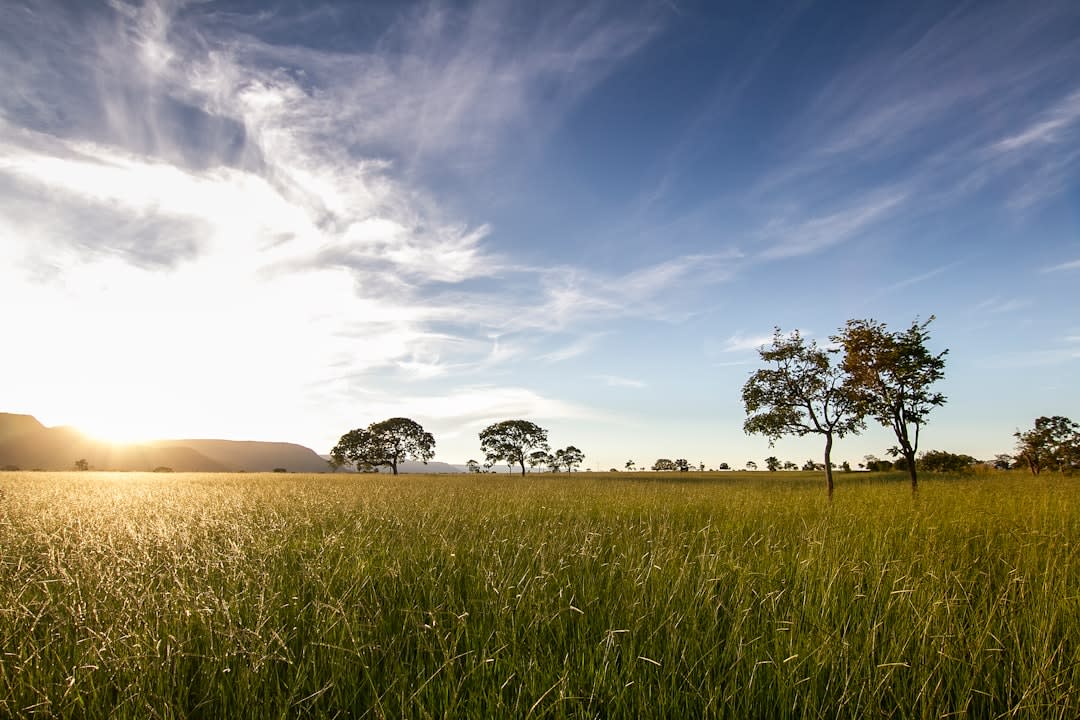
The Food Scene
Goiânia sits at the heart of Brazil’s cattle and agricultural interior, and it shows in the food — some of the best and least fussy churrasco I’ve had anywhere in the country, alongside Goiás specialties like empadão goiano, a layered savory pie dense enough to double as lunch and dinner. The restaurant scene has quietly modernized in recent years too, with a cluster of newer spots blending regional ingredients with more contemporary technique, catering to a growing middle class that the rest of Brazil doesn’t talk about nearly enough.
A Springboard, Not Just a Stop
Goiânia works well as a base for exploring the wider state — Pirenópolis is under two hours away, and the historic town of Goiás Velho, the old capital it replaced, makes for an easy day trip. But it holds up fine on its own terms too, which surprised me more than almost anywhere else in this part of the country.
When to go: May through September, the dry season, for comfortable temperatures and clear skies. The wet season brings dramatic afternoon storms but keeps the city’s greenery at its most vivid.
Keep exploring
More from Brazil
 brazil
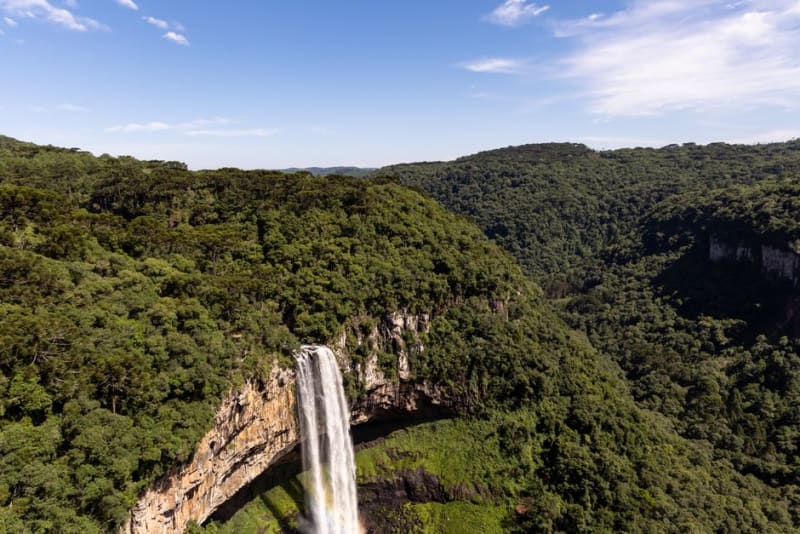
 Gramado
A German-alpine fantasy in the hills of Rio Grande do Sul, where chocolate shops, chimneys, and Christmas lights turn the calendar upside down.
Explore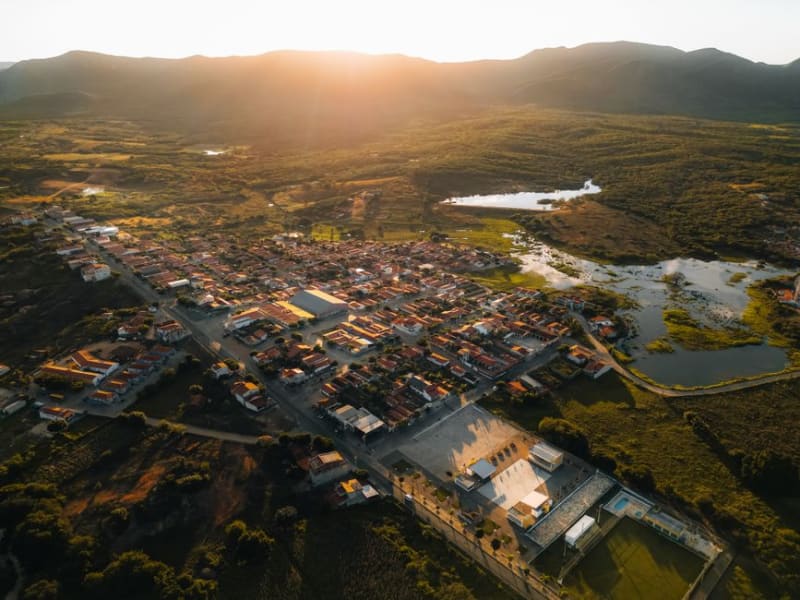 brazil
 Guaramiranga
A cool-climate coffee town in Ceará's highlands, an unlikely two-hour detour from the coast into cloud forest, fog, and unhurried mountain villages.
Explore brazil
 Holambra
A Dutch farming town in the Brazilian interior, complete with windmills, tulip fields, and a festival I did not believe existed until I saw it.
Explore brazil
 Igarassu
The oldest town in Brazil, a quiet colonial settlement north of Recife where the first church in the country still holds mass and almost nobody visits.
Explore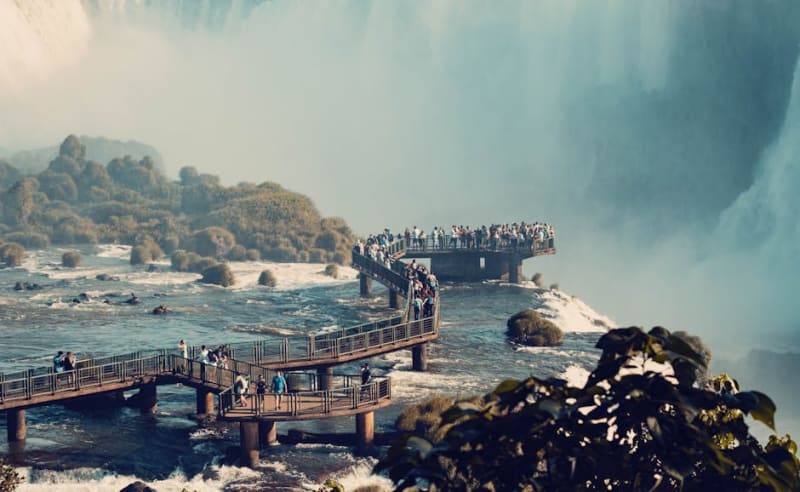 brazil
 Iguazu Falls
Two hundred and seventy-five waterfalls crashing through subtropical forest — nature's most excessive spectacle.
Explore brazil
 Ilha de Itaparica
A ferry ride from Salvador across the Bay of All Saints, Itaparica's colonial villages and mangrove-lined beaches move at a distinctly slower speed.
Explore