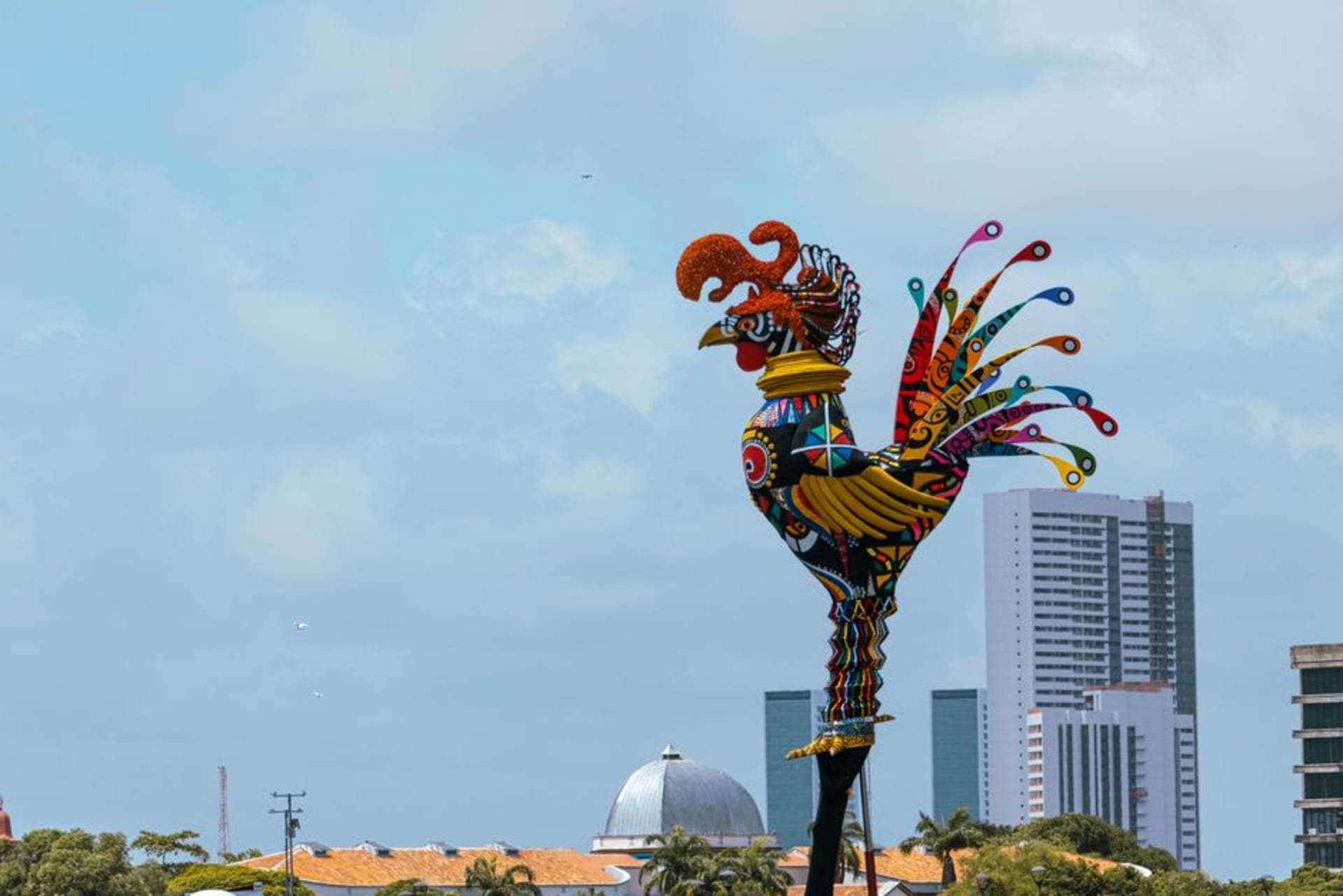
Embu das Artes
"Embu das Artes is proof that a good weekend market can carry an entire town's identity."
A weekend antiques fair that swallows an entire colonial town on the edge of São Paulo, and the best afternoon I've spent bargaining badly.
Embu das Artes sits close enough to São Paulo — about thirty minutes from the western edge of the city — that it functions almost as a neighbourhood rather than a separate destination, and yet it feels like stepping into a completely different rhythm of life the moment you park near the old town square. The town’s colonial core, centred on the eighteenth-century Igreja Nossa Senhora do Rosário, has been a haven for artists and artisans since the 1960s, and every weekend that history turns into one of the largest handicraft fairs in the state.
I went on a Sunday, which the locals warned me was the busier of the two market days, and the crowds proved them right — stalls packed shoulder to shoulder along the cobblestone streets radiating from the main square, selling furniture, ceramics, leatherwork, paintings, jewellery, and a genuinely impressive quantity of antique junk that ranged from beautiful colonial-era pieces to what was very obviously somebody’s attic clearance.
I am a terrible haggler, and Embu punished me for it. I bought a small carved wooden bowl from a vendor who clearly clocked me as a soft target within about four seconds of conversation, paid roughly what I now suspect was double the going rate, and did not regret it once the following morning when I looked at the bowl on our kitchen table in Mexico. Lia, considerably better at this than I am, negotiated a beautiful hand-painted ceramic plate down to almost half the asking price using nothing but patient silence and a slow walk away from the stall.
Beyond the market stalls, the town itself rewards a slower look — restored colonial buildings now house galleries and workshops, several artists work in open studios you can wander into, and the churches and small museums around the main square give a sense of the town’s history that predates its current identity as a craft fair by a couple of centuries.
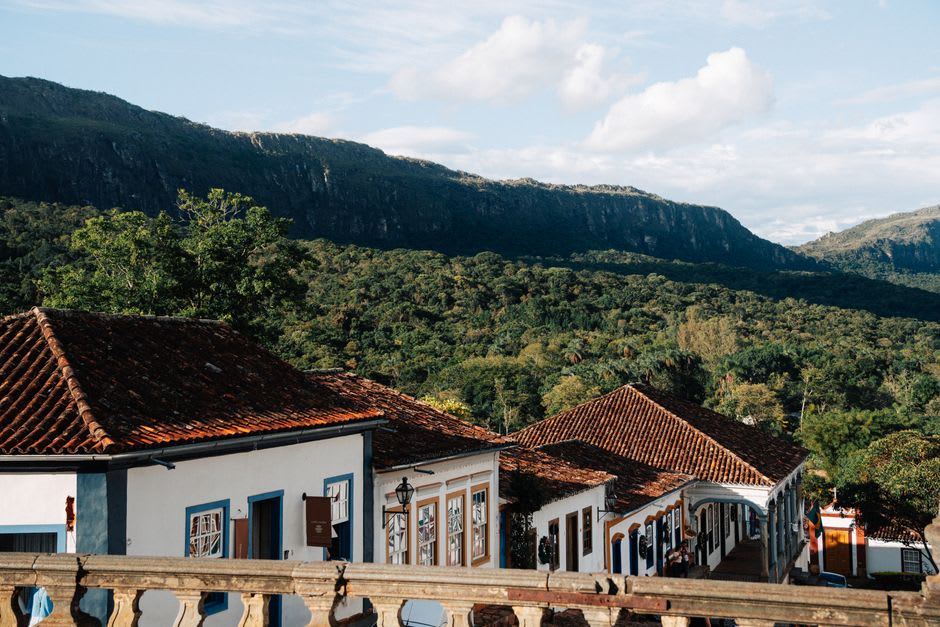
We ended the day at a small restaurant just off the main square, eating pastel and drinking sugarcane juice while watching the market slowly pack itself away, stall by stall, as the light went gold over the church tower.
When to go: Saturday and Sunday, when the full market is running — Saturday tends to be calmer than Sunday. Arrive in the morning to beat both the crowds and the midday heat.
Keep exploring
More from Brazil
 brazil
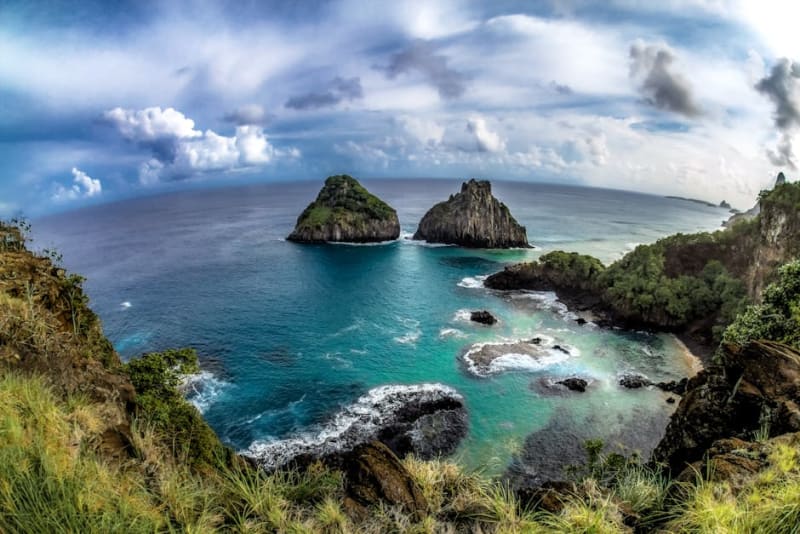
 Fernando de Noronha
Brazil's most exclusive archipelago — volcanic peaks, spinner dolphins, and beaches that consistently rank among the world's best.
Explore brazil
 Florianopolis
An island of forty-two beaches, Azorean fishing villages, and the kind of surf-and-oyster lifestyle that ruins you for anywhere else.
Explore brazil
 Foz do Iguaçu (Town)
The tri-border city that exists to serve the falls next door, and turns out to have its own reasons for a longer stay.
Explore brazil
 Garopaba
A former whaling town turned Santa Catarina surf hub, quieter and more local than its famous neighbor Praia do Rosa.
Explore brazil
 Genipabu
A wall of towering dunes just north of Natal, where buggies race the ridgelines and camels wait at the bottom for a photo that everyone takes anyway.
Explore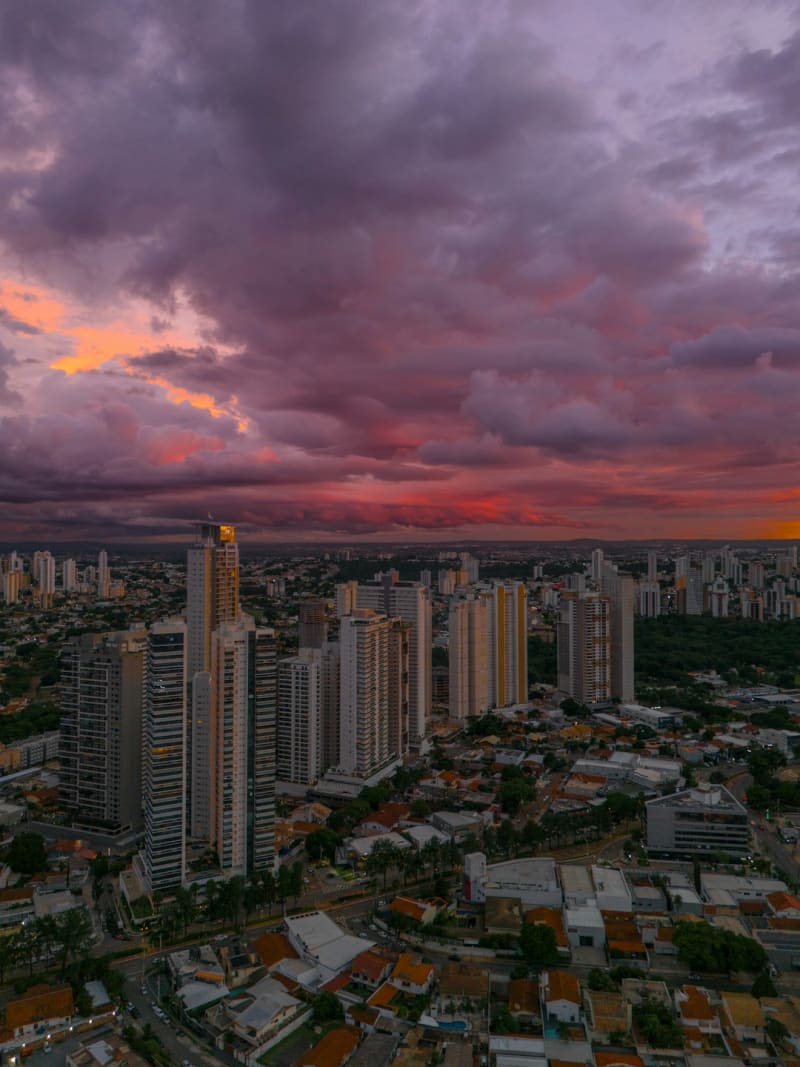 brazil
 Goiânia
Goiás' art deco planned capital — leafy, underrated, and one of Brazil's most livable mid-sized cities.
Explore