Delta do Parnaíba
"The delta doesn't end at the coast — it dissolves into it, one channel at a time."
One of the few open river deltas on the planet, where the Rio Parnaíba fractures into dozens of channels and mangrove islands before reaching the Atlantic.
I knew, in the abstract, that river deltas exist. I did not understand what one actually looks like until a boat pulled us out of the marina at Tutóia and into the maze of the Parnaíba delta, where a single river fractures into more than seventy channels and islands before it finally gives up and becomes ocean. It sits on the border of Maranhão and Piauí, one of only a handful of open deltas on Earth, and it is astonishingly under-visited given how strange and beautiful it is.
Into the Channels
Our boat driver, a wiry man who’d clearly made this run thousands of times, cut the engine periodically just to let us listen — no motors, no wind, just water moving through mangrove roots and the occasional bird call from somewhere in the tangle. Some of the channels are wide enough for two boats to pass; others narrow down until the mangrove branches brush both sides of the hull at once. Lia kept trying to photograph it and kept giving up, saying no frame could hold the scale of how many channels kept opening up in every direction.
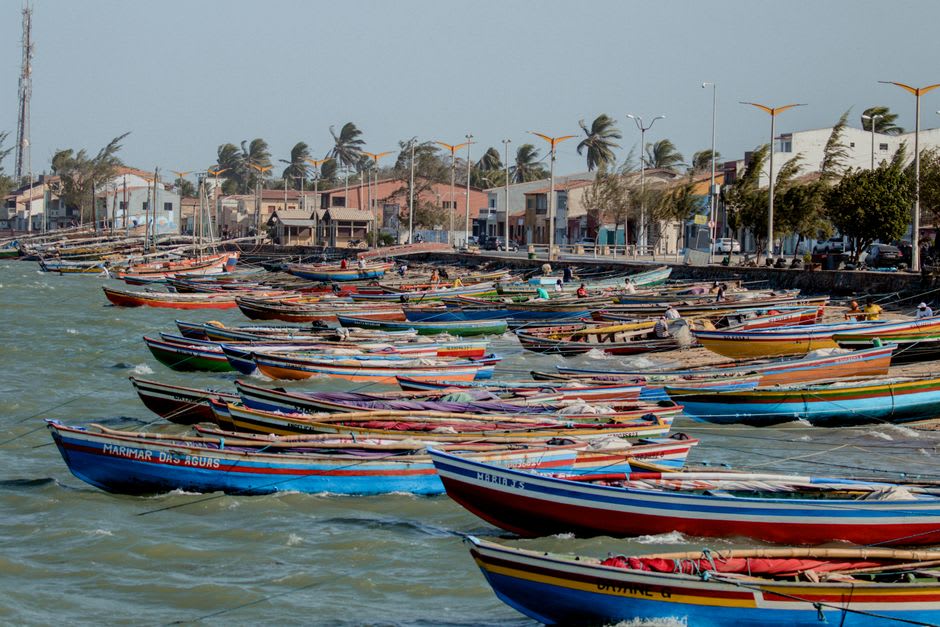
We stopped at Ilha do Caju, a private reserve island inside the delta that operates as a kind of low-key eco-lodge, and walked a trail where the guide pointed out capuchin monkeys moving through the canopy and, at the shoreline, a set of tracks he identified without hesitation as a maned wolf that had passed through sometime in the night. It felt less like a tourist stop and more like a working piece of wilderness that happened to allow a small number of visitors through.
The Dunes Where the River Meets the Sea
Where the delta finally reaches the Atlantic, near the town of Barra Grande, the channels give way abruptly to enormous coastal dunes — a landscape shift so sudden it felt like crossing between two different countries within a single afternoon. We climbed one dune at sunset and watched the delta’s last channels catch the light from above, the water threading silver between dark green islands all the way to the horizon.
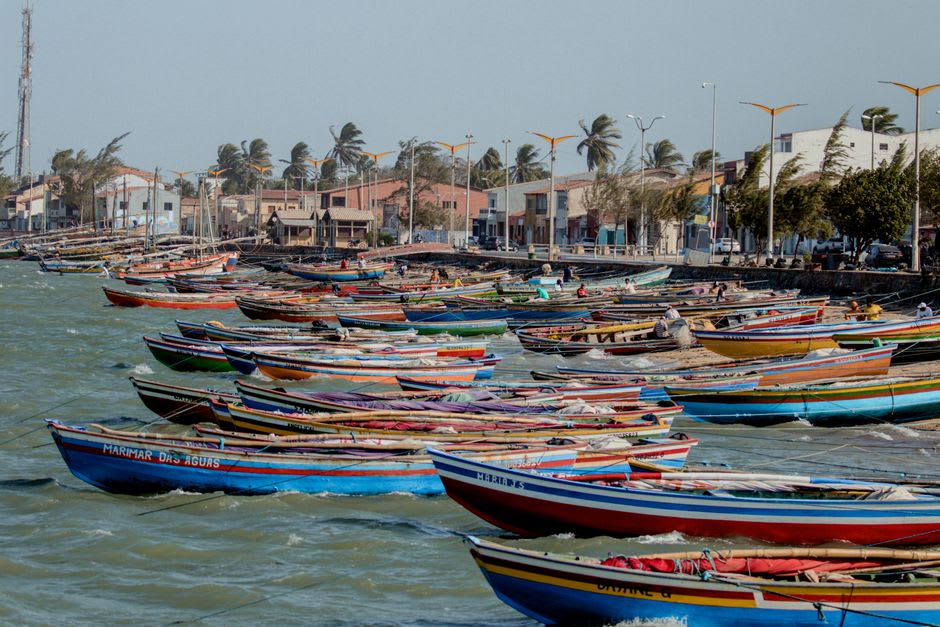
Dinner that night was in a small restaurant in Tutóia, camarão na moranga — shrimp stewed inside a hollowed pumpkin — that our driver had recommended without being asked, the kind of confident, unprompted recommendation that tends to be worth trusting completely.
When to go: June through November brings the driest weather and calmest water for delta boat trips. The dunes near Barra Grande are striking year-round, but low humidity months make the crossing more comfortable.
Keep exploring
More from Brazil
 brazil
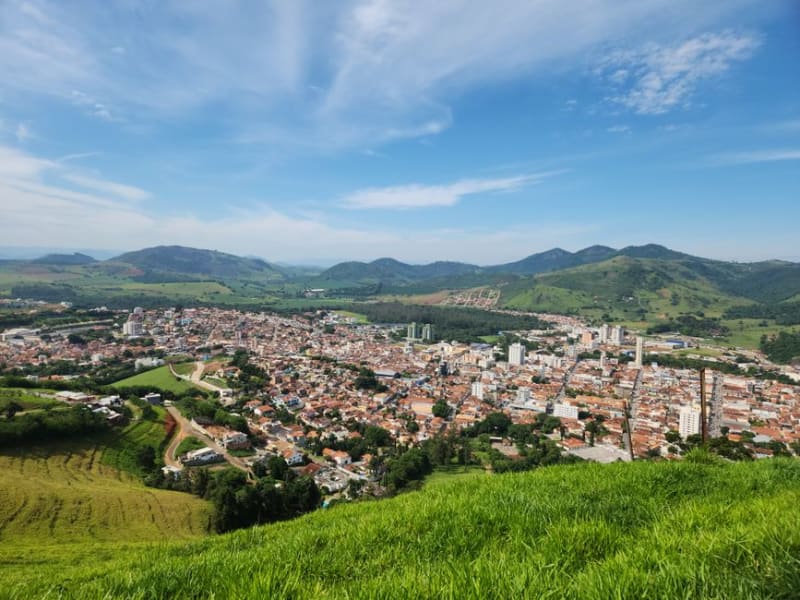
 Diamantina
A UNESCO diamond-mining town clinging to the northern hills of Minas Gerais, further from everywhere than any colonial city its size has a right to be.
Explore brazil
 Embu das Artes
A weekend antiques fair that swallows an entire colonial town on the edge of São Paulo, and the best afternoon I've spent bargaining badly.
Explore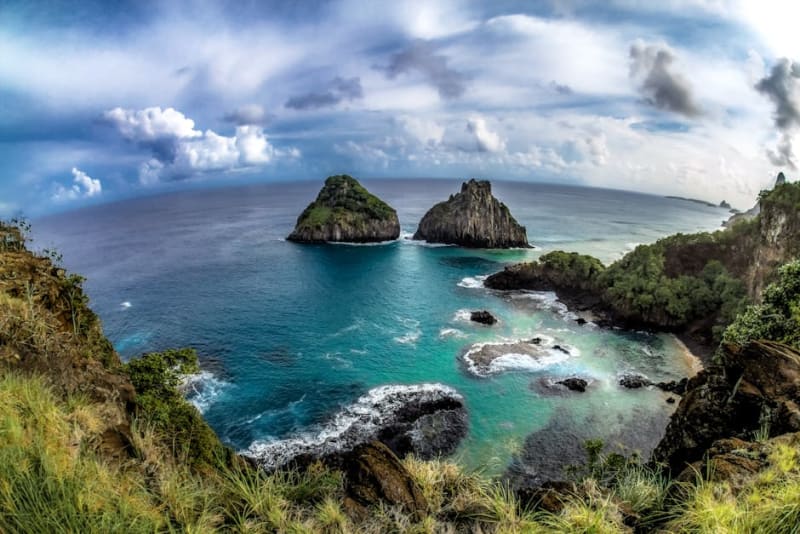 brazil
 Fernando de Noronha
Brazil's most exclusive archipelago — volcanic peaks, spinner dolphins, and beaches that consistently rank among the world's best.
Explore brazil
 Florianopolis
An island of forty-two beaches, Azorean fishing villages, and the kind of surf-and-oyster lifestyle that ruins you for anywhere else.
Explore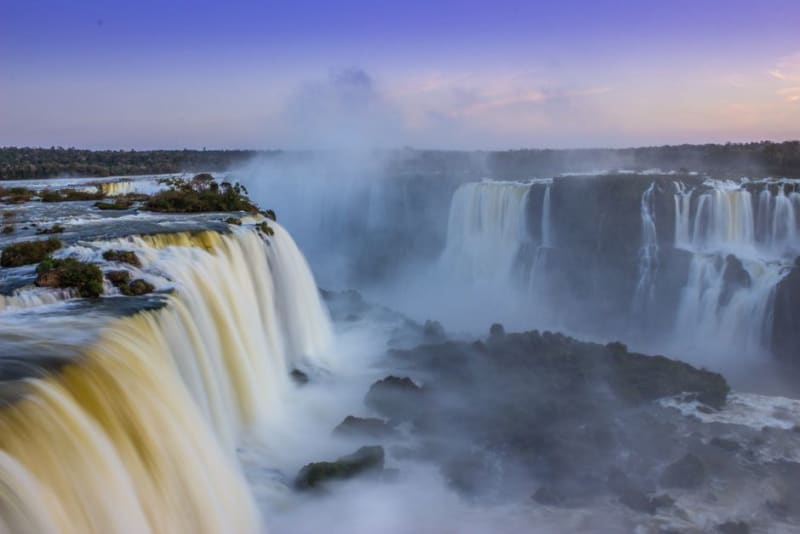 brazil
 Foz do Iguaçu (Town)
The tri-border city that exists to serve the falls next door, and turns out to have its own reasons for a longer stay.
Explore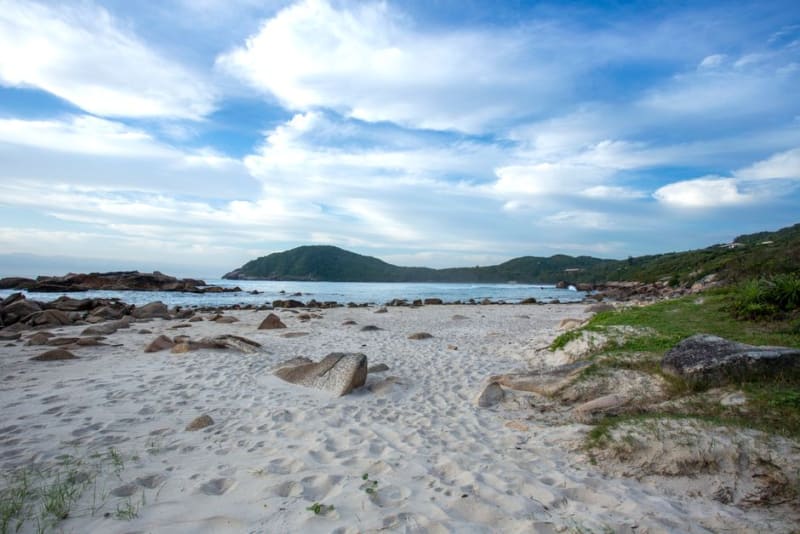 brazil
 Garopaba
A former whaling town turned Santa Catarina surf hub, quieter and more local than its famous neighbor Praia do Rosa.
Explore