Corumbá
"Corumbá is the kind of place where the border feels like a rumor — until you're standing on it."
A river city on the Bolivian border where the Pantanal meets the Paraguay River — quiet, humid, and unmistakably a frontier.
Corumbá sits on the Paraguay River at the exact point where Brazil, Bolivia, and the Pantanal all seem to blur into each other. It calls itself the “Cidade Branca” — the white city — for the pale limestone bluffs the historic center is built on, and arriving by the old riverboat route (which I did once, badly hungover, on a converted cargo vessel that took eleven hours from a fishing camp upriver) is still the way to understand what the place actually is: a port town that has been trading with Bolivia since before either country had settled borders that meant anything out here.
Life on the River
The Porto Geral, the old public dock along the waterfront, is where Corumbá still functions the way it always has. Fishermen sell dourado and pintado straight off their boats in the early morning, Bolivian traders cross daily with produce and goods, and by late afternoon the whole promenade fills with families watching one of the most reliably spectacular sunsets I’ve seen anywhere in Brazil — the flat wetland horizon does something to the light that I still can’t fully explain, a kind of orange that seems to come from below the river rather than above it.

Gateway to the Southern Pantanal
Most people who make it to Corumbá are heading somewhere else — specifically into the southern Pantanal via the Estrada Parque, a rougher and less-visited counterpart to the Transpantaneira further north. Fewer lodges, fewer tourists, and in my experience a stronger sense that you’ve arrived somewhere genuinely remote rather than a well-trodden safari circuit. Lia and I spent three days at a fazenda-turned-lodge an hour outside town where the only other guests were a pair of Bolivian biologists, and the caiman density along the access road at dusk was higher than anything we saw in the more famous northern sector.

The Border Itself
Crossing into Bolivia at Puerto Quijarro, just twenty minutes away, is almost anticlimactic — a low bridge, a lazy immigration queue, and suddenly you’re in a different country with different prices and a different rhythm entirely. Even if you’re not continuing into Bolivia, the short trip out to the border is worth it just to feel how genuinely peripheral this stretch of Brazil is, and how little that seems to bother anyone who lives here.
When to go: June to September for the dry season, when the Estrada Parque is passable and Pantanal wildlife viewing is at its best. Humidity is brutal nearly year-round, so mornings and evenings are your friend regardless of season.
Keep exploring
More from Brazil
 brazil
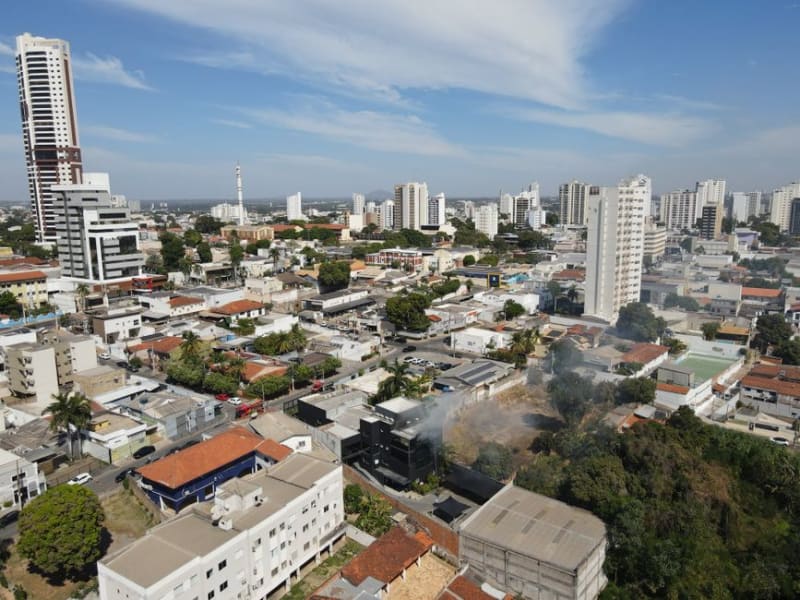
 Cuiabá
Mato Grosso's sweltering capital, and the launch point for the Transpantaneira and the northern Pantanal's jaguar country.
Explore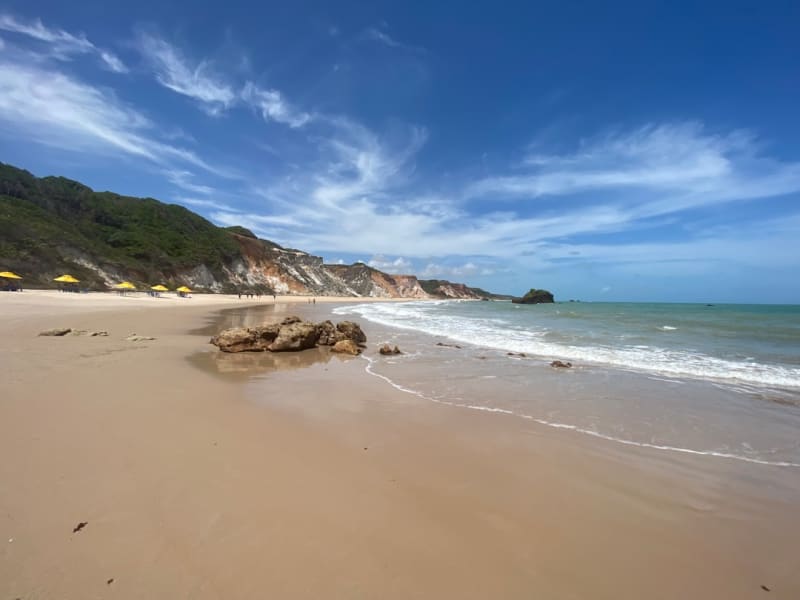 brazil
 Cumbuco
A dune-and-lagoon kitesurf town twenty minutes from Fortaleza, where the wind is a scheduling problem and buggy rides are the local taxi service.
Explore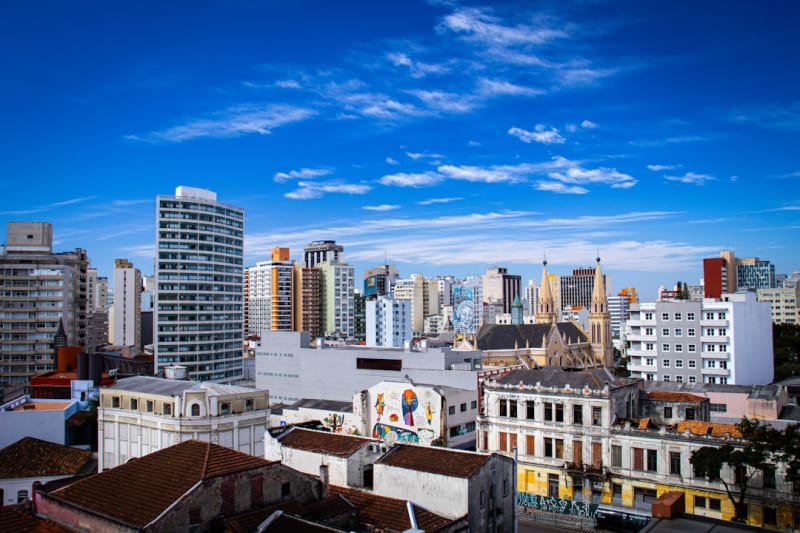 brazil
 Curitiba
Brazil's model city — a masterclass in urban planning, a glass botanical garden, and proof that a capital doesn't need a beach to be worth the trip.
Explore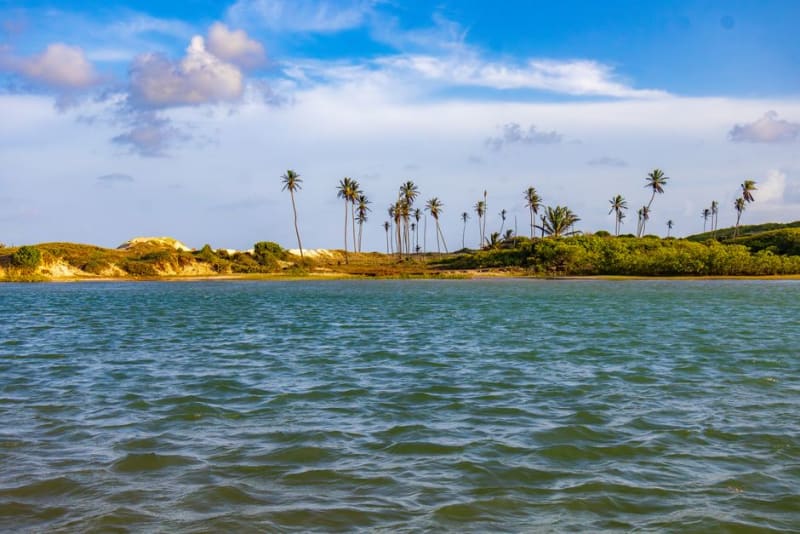 brazil
 Delta do Parnaíba
One of the few open river deltas on the planet, where the Rio Parnaíba fractures into dozens of channels and mangrove islands before reaching the Atlantic.
Explore brazil
 Diamantina
A UNESCO diamond-mining town clinging to the northern hills of Minas Gerais, further from everywhere than any colonial city its size has a right to be.
Explore brazil
 Embu das Artes
A weekend antiques fair that swallows an entire colonial town on the edge of São Paulo, and the best afternoon I've spent bargaining badly.
Explore