Chapada dos Guimarães
"An hour outside Cuiabá the wetlands just stop, and the earth turns to canyon."
A plateau of canyons, waterfalls, and red sandstone cliffs an hour from Cuiabá — the Pantanal's polar-opposite landscape.
Nothing prepares you for how abruptly the terrain changes on the drive up to Chapada dos Guimarães. You leave Cuiabá’s flat, sweltering sprawl, climb a winding highway for less than an hour, and the landscape simply reorganizes itself — savanna gives way to red sandstone escarpments, table-top mesas, and a cooler, drier air that feels like a different country. Lia and I did the drive as a two-night break in the middle of a longer Pantanal trip, mostly to dry out and cool down, and ended up wishing we’d budgeted a third night.
The Canyons and Waterfalls
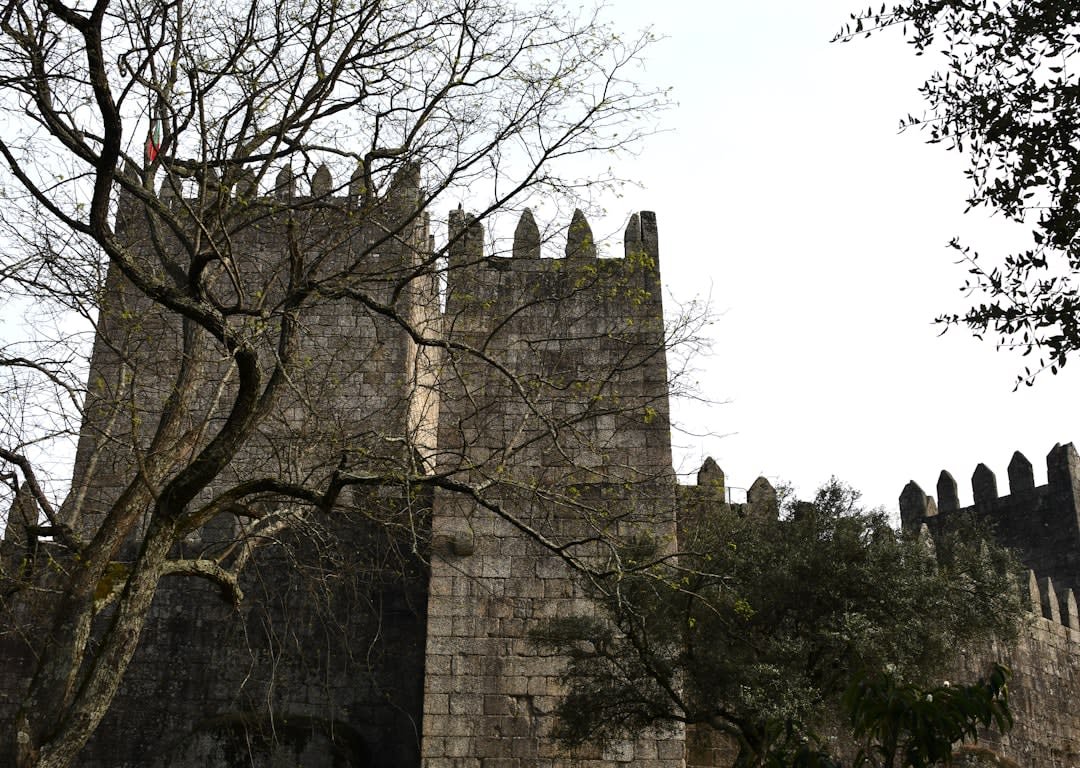
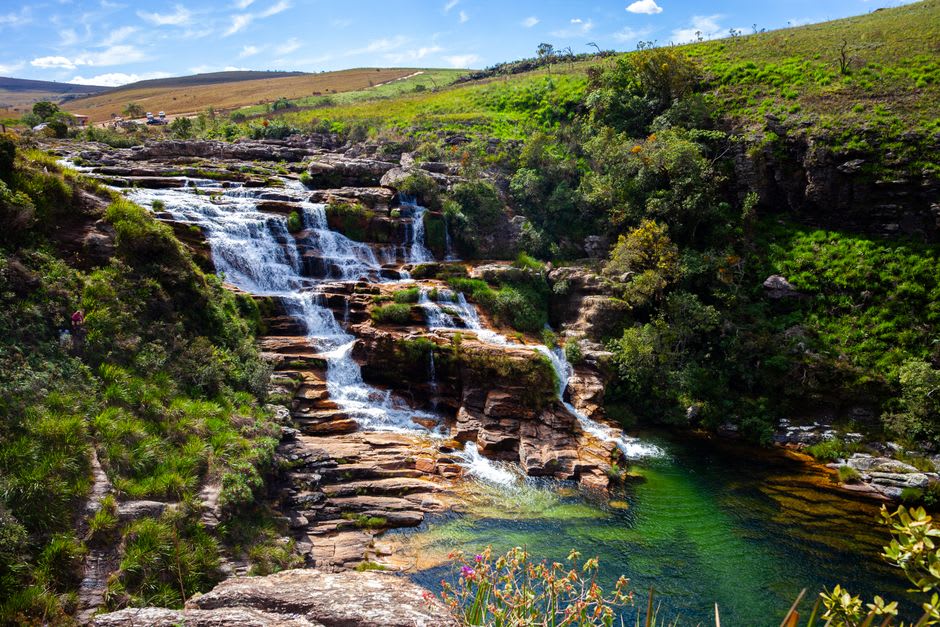
The national park’s main draw is its collection of waterfalls and canyon overlooks, most reachable on short, well-marked trails. Véu de Noiva — Bride’s Veil — is the classic viewpoint, a sheer 60-meter drop into a canyon that photographs better than almost anywhere else in the park, though I found the smaller, less-visited Cachoeira da Independência more rewarding precisely because we had the swimming hole beneath it entirely to ourselves for over an hour on a weekday morning. The water up here, fed by sandstone rather than the wetland silt of the Pantanal below, runs remarkably clear and cold.
The Town Itself
The town of Chapada dos Guimarães, small and easy to walk in an afternoon, has a genuinely pleasant colonial center built around a striking pink stone church, the Igreja Matriz de Santana. It fills up on weekends with day-trippers from Cuiabá escaping the heat, and the restaurants along the main square lean into that — trout from local farms, pequi-infused dishes (a regional fruit with a strange, almost gasoline-adjacent smell that somehow tastes wonderful once you get past the first bite), and enough craft beer bars to suggest a small but real tourism economy independent of the park.
The Geodesic Center and the Milky Way
Chapada also claims to sit near the geodesic center of South America — a marker a few kilometers outside town confirms it with more confidence than the science probably deserves — but the more genuine draw after dark is the stargazing. The plateau’s elevation and distance from major light pollution make it one of the clearer night skies I’ve seen in Brazil outside the Pantanal itself. Several pousadas run informal astronomy nights, pointing out the Southern Cross and the dense smear of the Milky Way’s galactic core to guests who, like us, had spent the previous few nights too tired from wildlife-watching to look up.
When to go: May through September, the dry season, for clear trails and reliably visible waterfalls without the risk of flash flooding that the wet season brings. Nights are notably cooler than Cuiabá, so pack a light layer even in the dry months.
Keep exploring
More from Brazil
 brazil
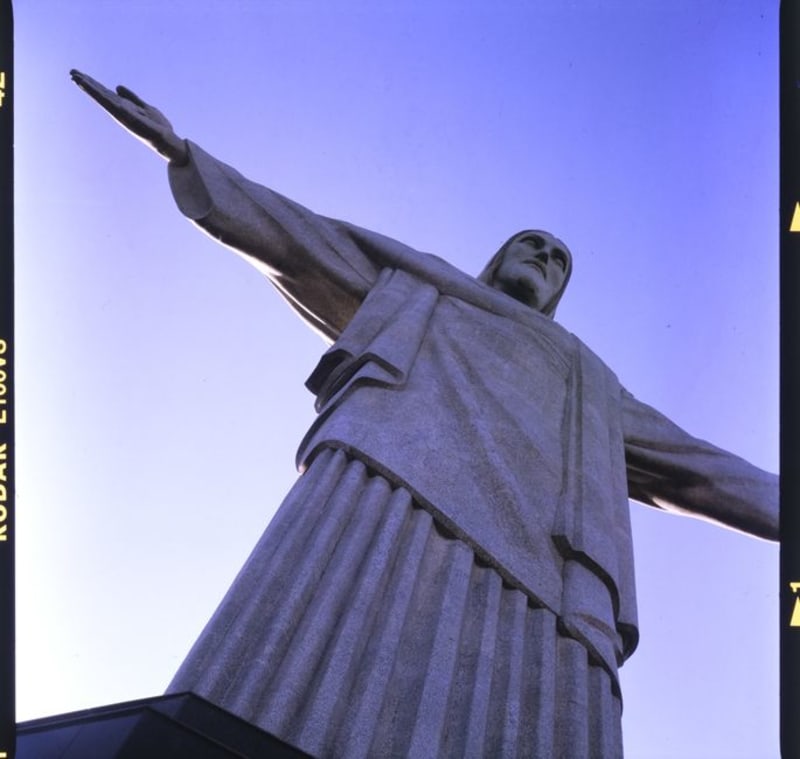
 Christ the Redeemer
The statue everyone has seen a thousand times in photographs, and the twenty minutes of standing beneath it that no photograph prepares you for.
Explore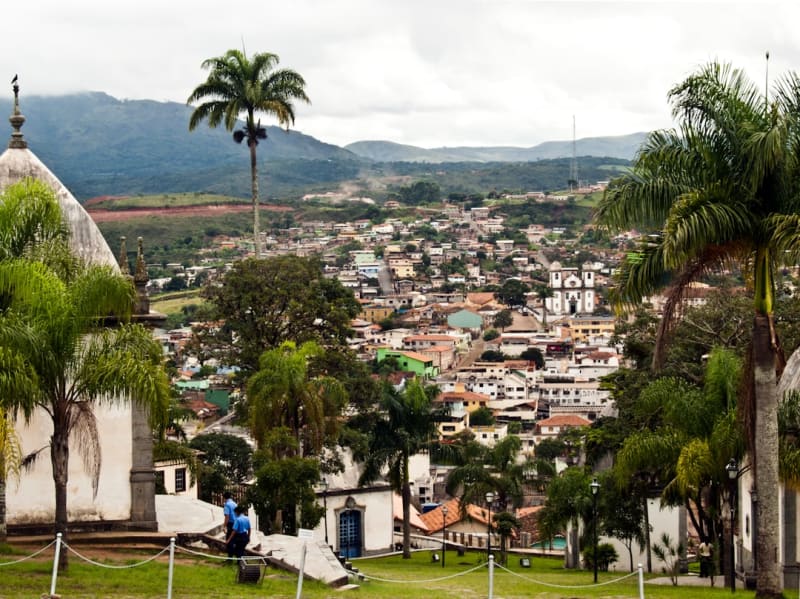 brazil
 Congonhas
A pilgrimage town in Minas Gerais built around twelve soapstone prophets carved by a man who lost the use of his hands and kept working anyway.
Explore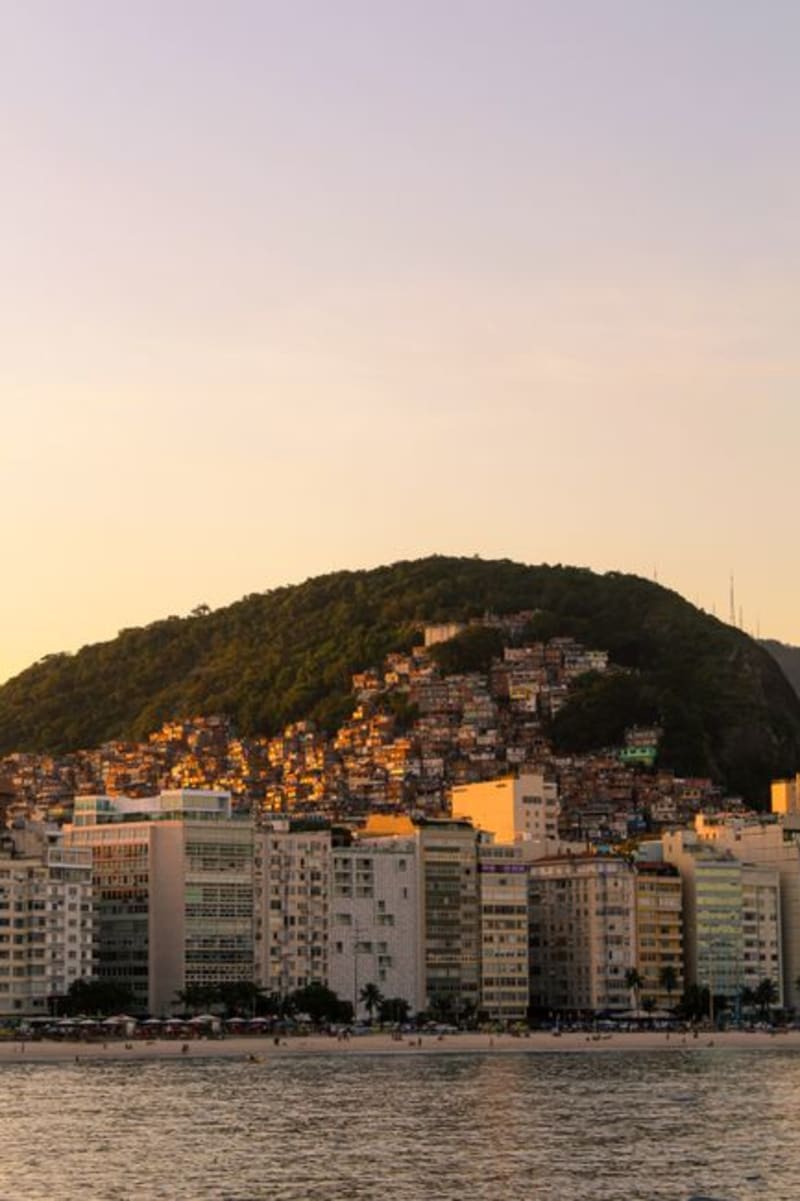 brazil
 Copacabana
The most famous curve of sand on the planet, where four kilometres of wave-pattern promenade hold a whole city's social life and, once a year, two million fireworks watchers.
Explore brazil
 Corumbá
A river city on the Bolivian border where the Pantanal meets the Paraguay River — quiet, humid, and unmistakably a frontier.
Explore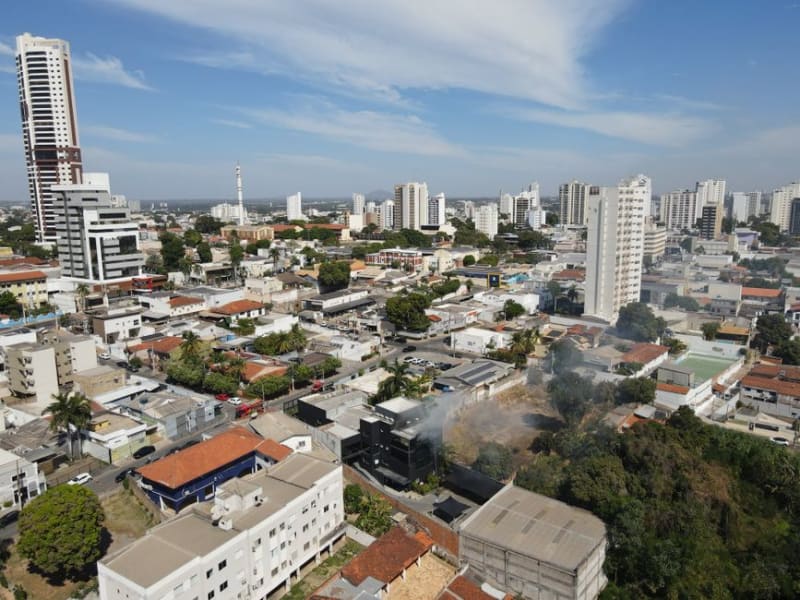 brazil
 Cuiabá
Mato Grosso's sweltering capital, and the launch point for the Transpantaneira and the northern Pantanal's jaguar country.
Explore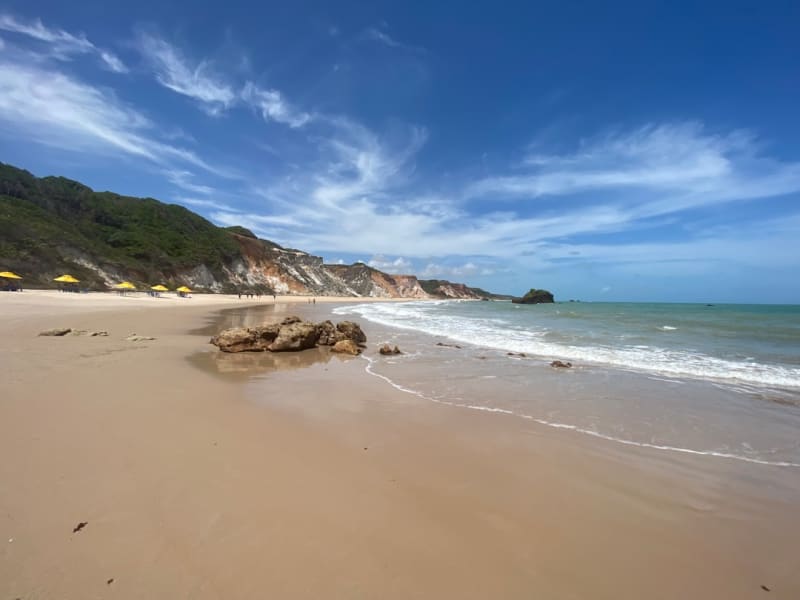 brazil
 Cumbuco
A dune-and-lagoon kitesurf town twenty minutes from Fortaleza, where the wind is a scheduling problem and buggy rides are the local taxi service.
Explore