Caruaru
"I have been to carnival twice. I would go back to Caruaru's São João before either."
The interior capital of forró and São João, where the biggest street party outside carnival takes over an entire Pernambuco town every June.
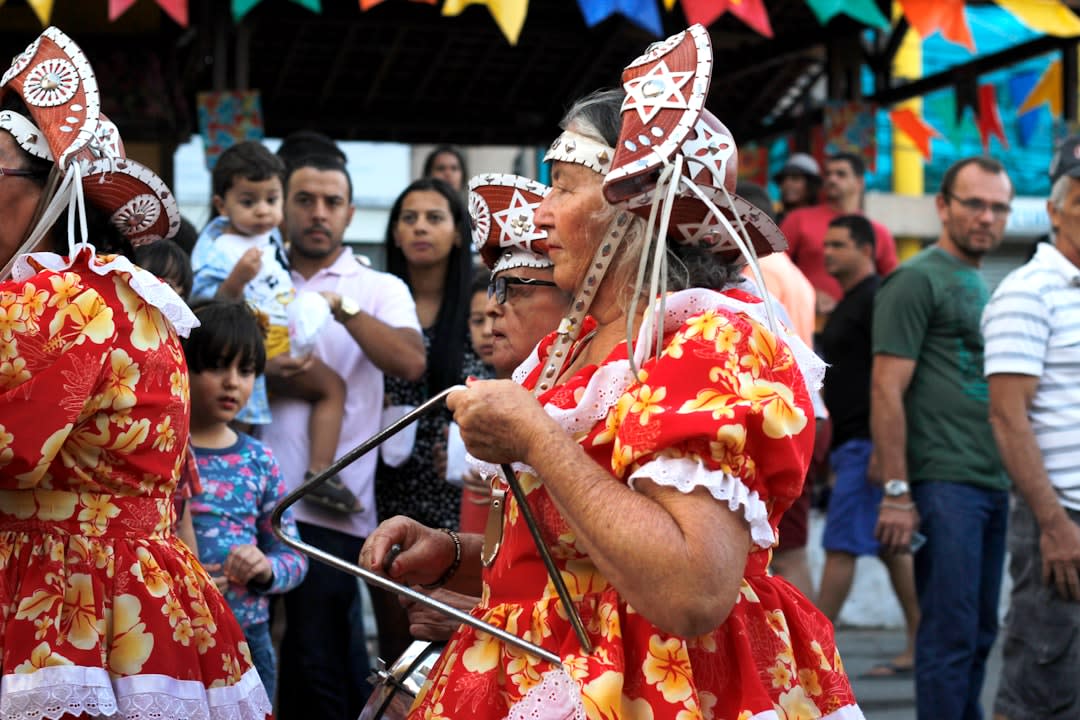
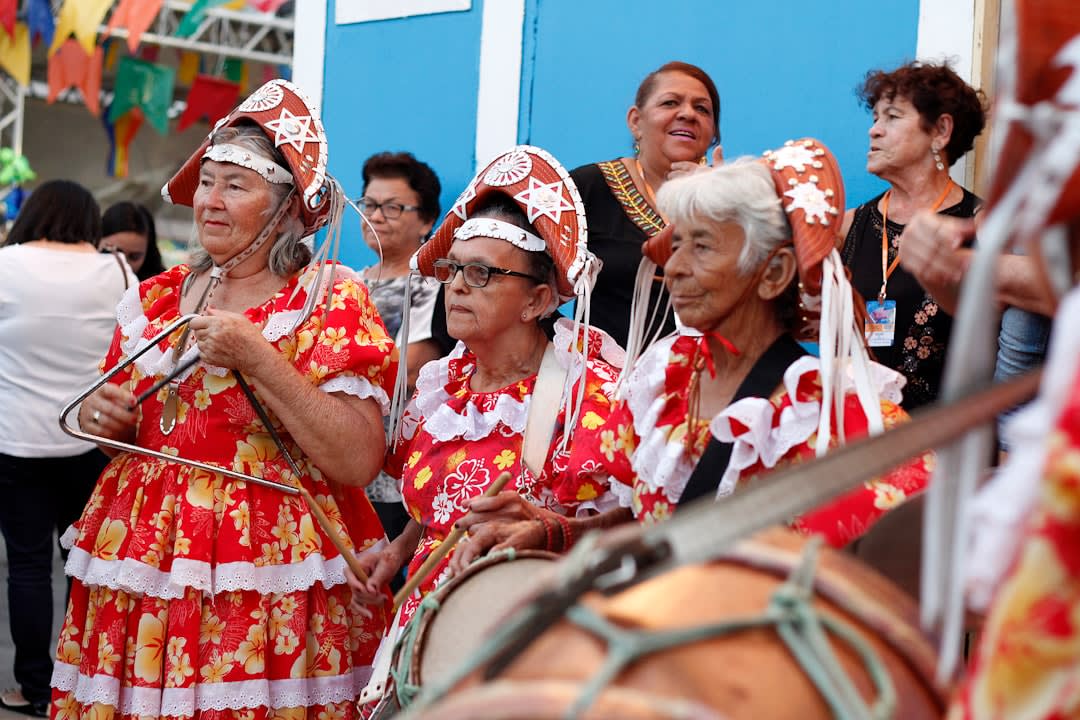
Caruaru sits inland from Recife, past the sugar cane and into the drier, scrubbier landscape of the Pernambuco agreste, and for eleven months of the year it is a solid, unglamorous market town that most travelers skip on their way somewhere else. Then June arrives, and Caruaru becomes, by its own confident and not-really-contested claim, the site of the biggest São João festival on earth — a month-long celebration of forró, quadrilha dancing, and the interior culture of the Brazilian northeast that dwarfs anything I’ve seen at carnival in scale of local, non-touristic participation.
I went for four nights during São João on the recommendation of a Recife friend who described it, accurately, as “carnival for people who actually like to dance.” The Pátio de Eventos, a purpose-built festival park on the edge of town, hosts free nightly concerts by major forró acts to crowds in the tens of thousands, but the better version of the festival happens in the neighborhoods — quadrilha groups in gingham dresses and straw hats performing choreographed routines that parody a country wedding, bonfires in the street, and an entire town’s food culture built around corn: canjica, pamonha, milho cozido, bolo de rolo, all sold from stalls that appear only for this one month.
Outside São João, Caruaru’s other claim to fame is the Feira de Caruaru, one of the largest open-air markets in Latin America and a UNESCO-recognized intangible heritage site, largely for the figurines produced in the adjoining Alto do Moura district. This is the birthplace of the ceramic craft tradition started by Mestre Vitalino in the early 20th century — small, expressive clay figures depicting scenes of northeastern rural life, from cangaceiro bandits to forró dancers to funeral processions, all still hand-made by artisans in workshops you can walk into and watch. I bought two figurines from a woman who’d learned the technique from her grandmother, who had learned it from Vitalino’s own workshop.
The market itself, on Saturdays especially, sells everything from live animals and leather goods to bootleg CDs of forró classics and enough dried and salted meat to stock a small army, and walking it is a genuine sensory education in interior Pernambuco life — louder, hotter, and less curated than anything in the coastal cities two hours away.
When to go: June is the reason to come, specifically the weeks around the São João and São Pedro feast days (the 24th and 29th), when the whole town is celebrating and accommodation should be booked well ahead. Outside June, visit on a Saturday for the Feira de Caruaru at its fullest, and go early — the market starts winding down by early afternoon in the interior heat.
Keep exploring
More from Brazil
 brazil
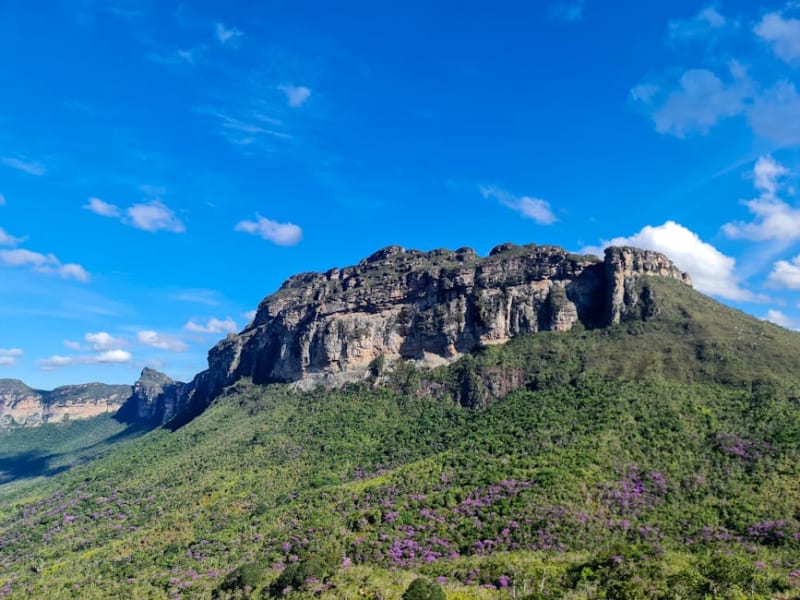
 Chapada Diamantina
Table-top mountains, underground rivers, and a hiking paradise hidden in the interior of Bahia.
Explore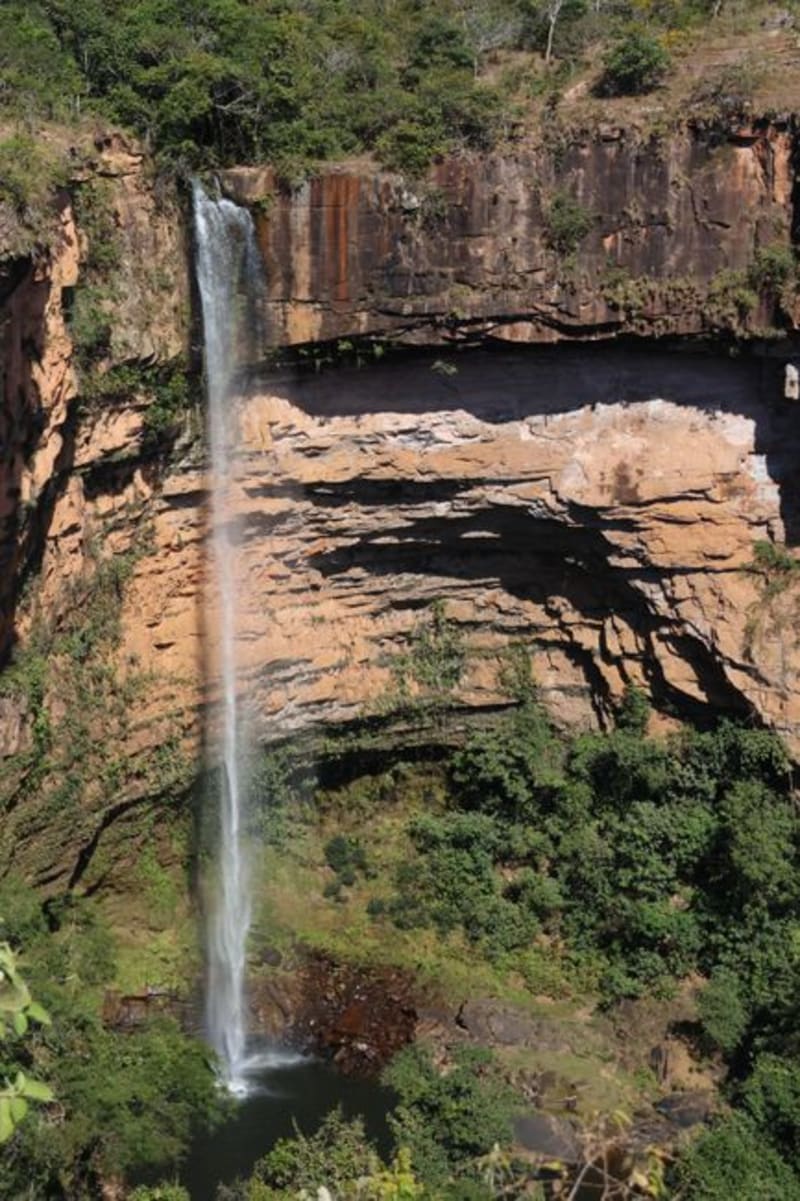 brazil
 Chapada dos Guimarães
A plateau of canyons, waterfalls, and red sandstone cliffs an hour from Cuiabá — the Pantanal's polar-opposite landscape.
Explore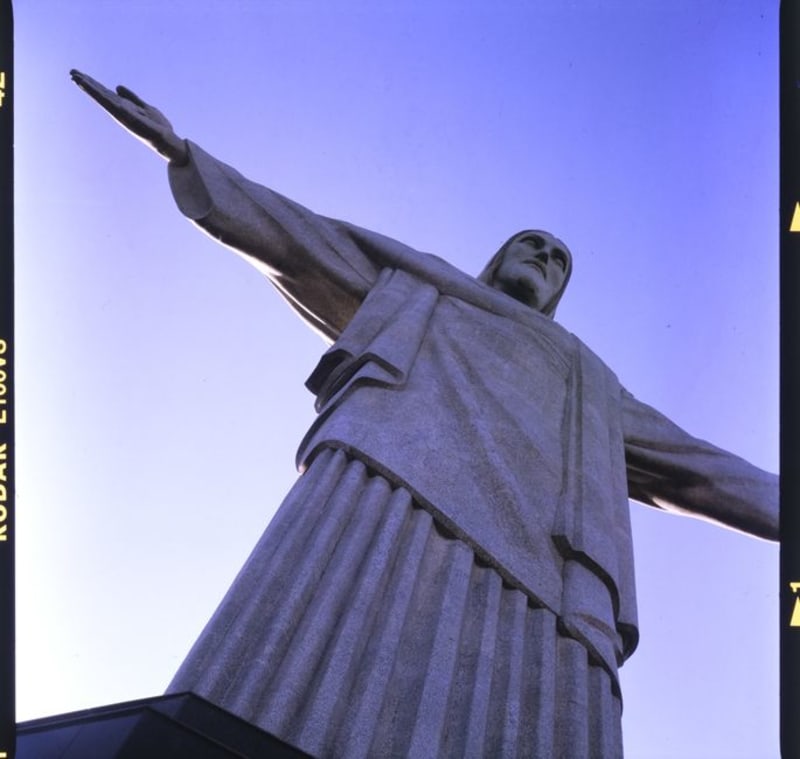 brazil
 Christ the Redeemer
The statue everyone has seen a thousand times in photographs, and the twenty minutes of standing beneath it that no photograph prepares you for.
Explore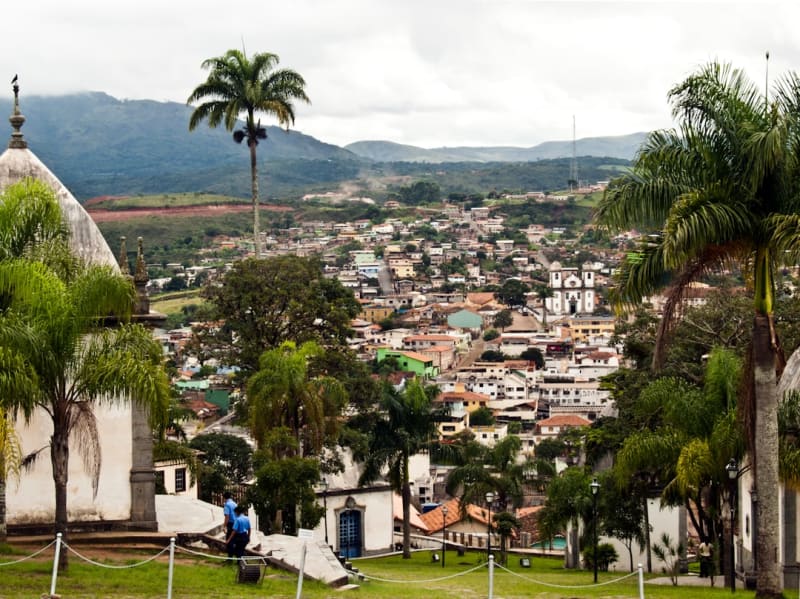 brazil
 Congonhas
A pilgrimage town in Minas Gerais built around twelve soapstone prophets carved by a man who lost the use of his hands and kept working anyway.
Explore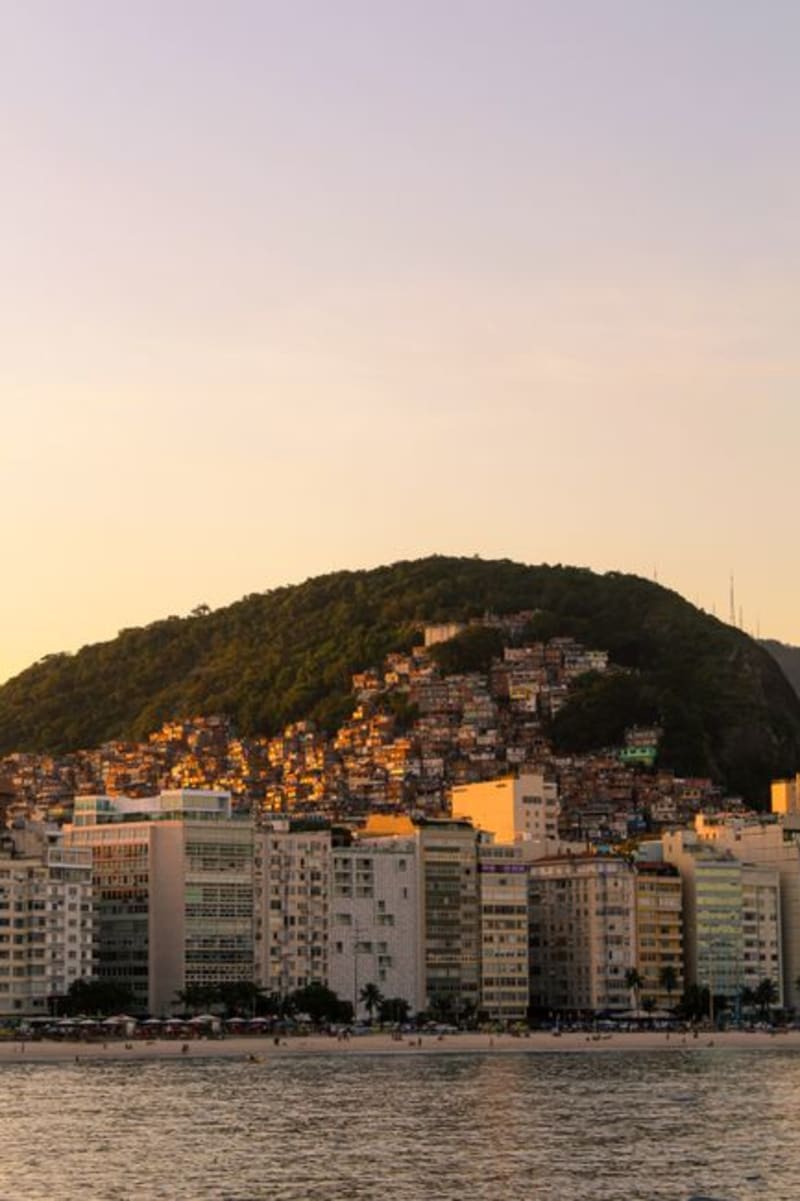 brazil
 Copacabana
The most famous curve of sand on the planet, where four kilometres of wave-pattern promenade hold a whole city's social life and, once a year, two million fireworks watchers.
Explore brazil
 Corumbá
A river city on the Bolivian border where the Pantanal meets the Paraguay River — quiet, humid, and unmistakably a frontier.
Explore