Carolina
"Carolina keeps its waterfall practically in the town square and nobody there thinks that's remarkable."
A quiet southern Maranhão town built around the Cachoeira de Itapecuru, a wide curtain waterfall that locals swim beside like it's an ordinary Tuesday.
Carolina sits far enough south in Maranhão that it feels like a different state from the dune coast — drier, hillier, more cerrado than tropical — and the thing that pulled us off our planned route to get there was a single photo of the Cachoeira de Itapecuru, a broad, curtain-style waterfall that spills directly through the edge of town. I’d expected to have to hike to it. Instead we walked from our pousada, past a school and a corner bar, and there it was.
A Waterfall as a Public Square
What struck me immediately was how unceremonious the falls are to the people who live there. Teenagers were jumping from a rock ledge into the plunge pool. A woman was doing laundry on the flat rocks at the edge, unbothered by the roar twenty meters away. Nobody had charged us admission or funneled us through a gate — the falls are simply part of the town’s daily geography, the way a park bench might be anywhere else. Lia swam under the edge of the curtain itself, where the water comes down hard enough to work like a rough massage on your shoulders, and came up laughing at how loud it was to be directly beneath it.
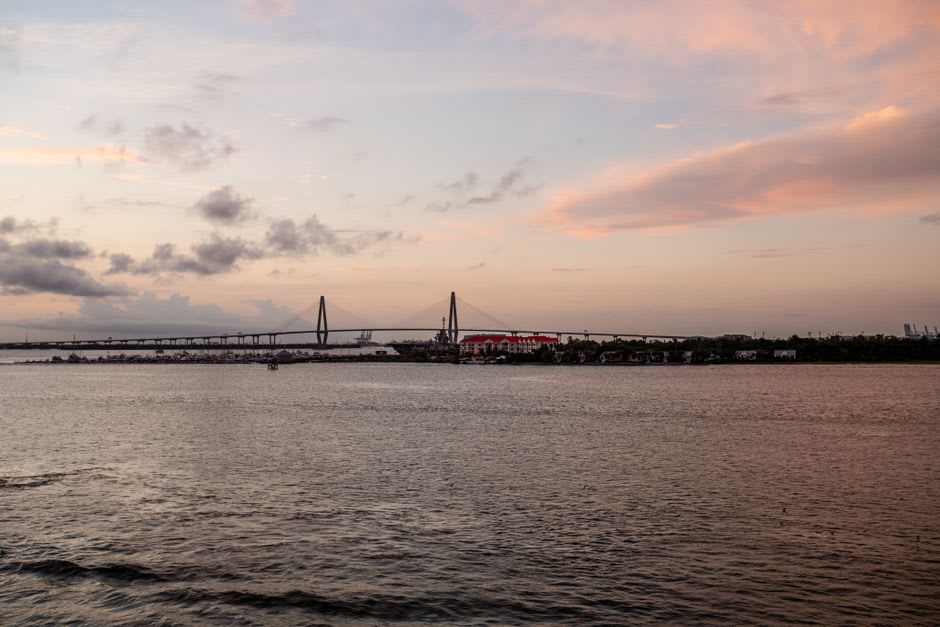
Chapada das Mesas, an Hour Away
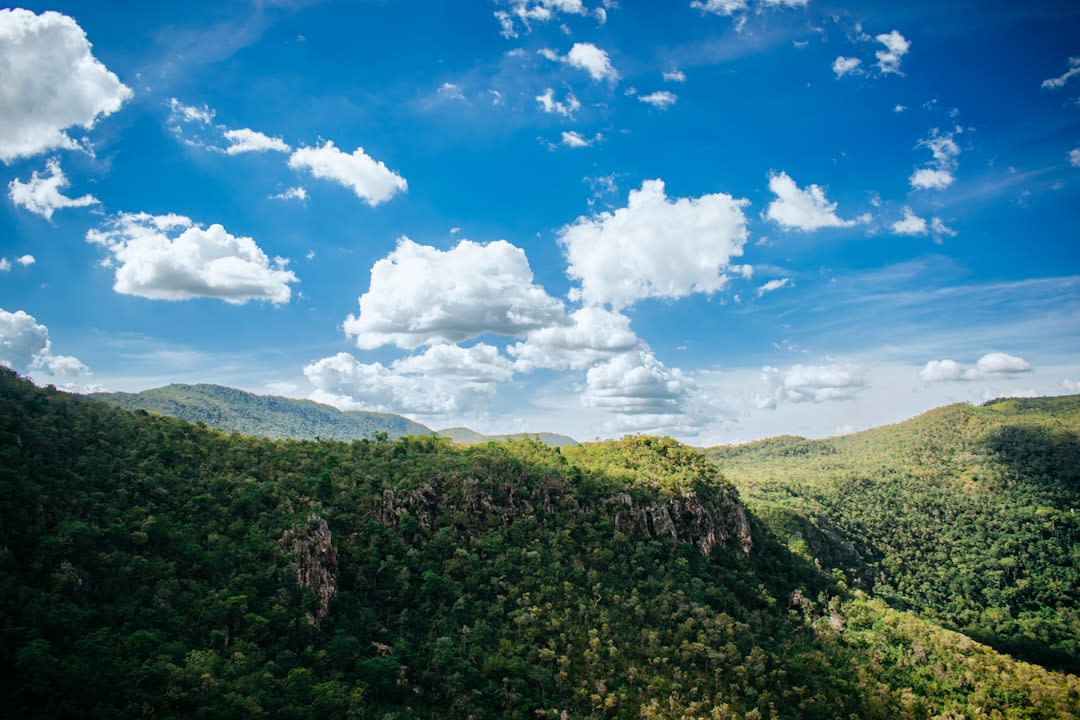
Carolina also serves as the gateway to Chapada das Mesas National Park, a landscape of flat-topped mesas, canyons, and further waterfalls that gets a fraction of the visitors Chapada Diamantina does despite being just as striking. We spent a day at Cachoeira de São Romão, a taller, narrower fall that drops into a canyon ringed with rock formations, and another exploring a set of sandstone labyrinths near the town of Riachão that our guide called, only half-joking, Brazil’s own miniature Cappadocia.
In the evenings, Carolina’s small main square filled with plastic chairs and long tables outside a couple of family-run restaurants, and we ate carne de sol with pumpkin and manioc while a radio somewhere played forró at a volume nobody seemed to mind. It’s not a place travelers come to be entertained. It’s a place where a genuinely spectacular waterfall happens to run through an ordinary town, and the town has never made a fuss about it.
When to go: May through September, the dry season, when water levels are manageable for swimming and the roads into Chapada das Mesas are easiest to navigate.
Keep exploring
More from Brazil
 brazil
 Caruaru
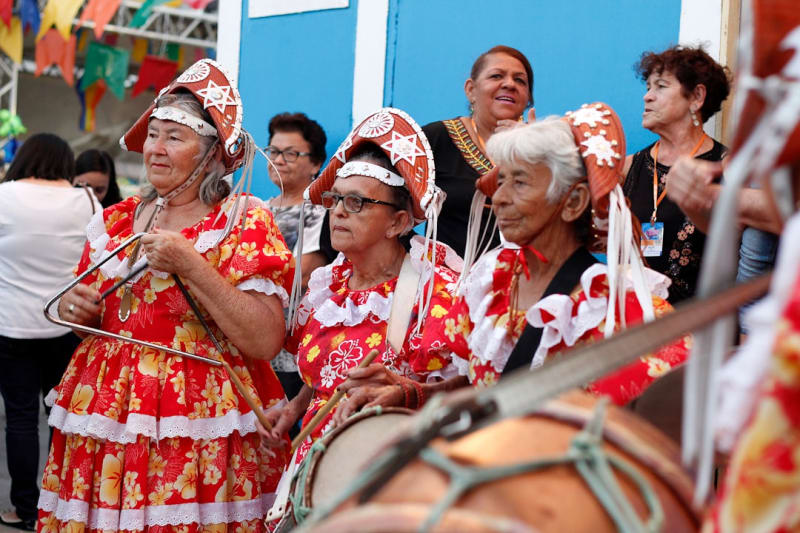
The interior capital of forró and São João, where the biggest street party outside carnival takes over an entire Pernambuco town every June.
Explore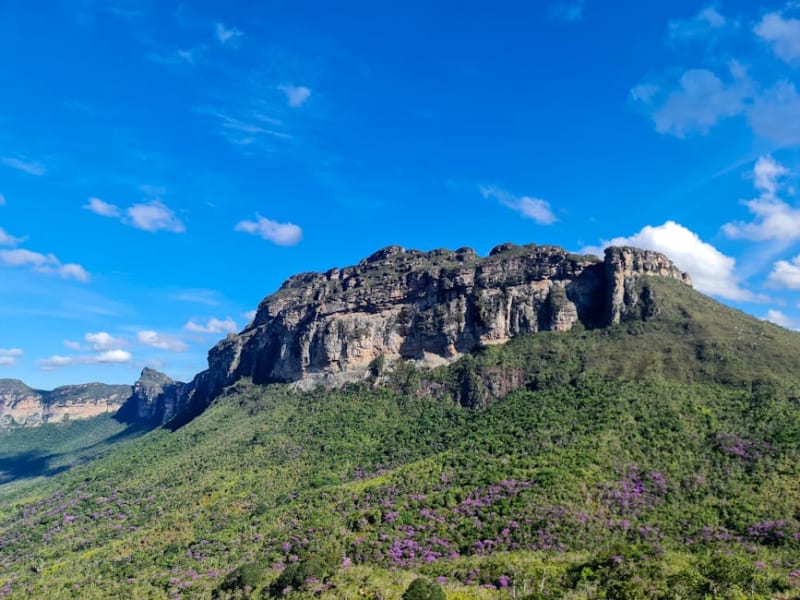 brazil
 Chapada Diamantina
Table-top mountains, underground rivers, and a hiking paradise hidden in the interior of Bahia.
Explore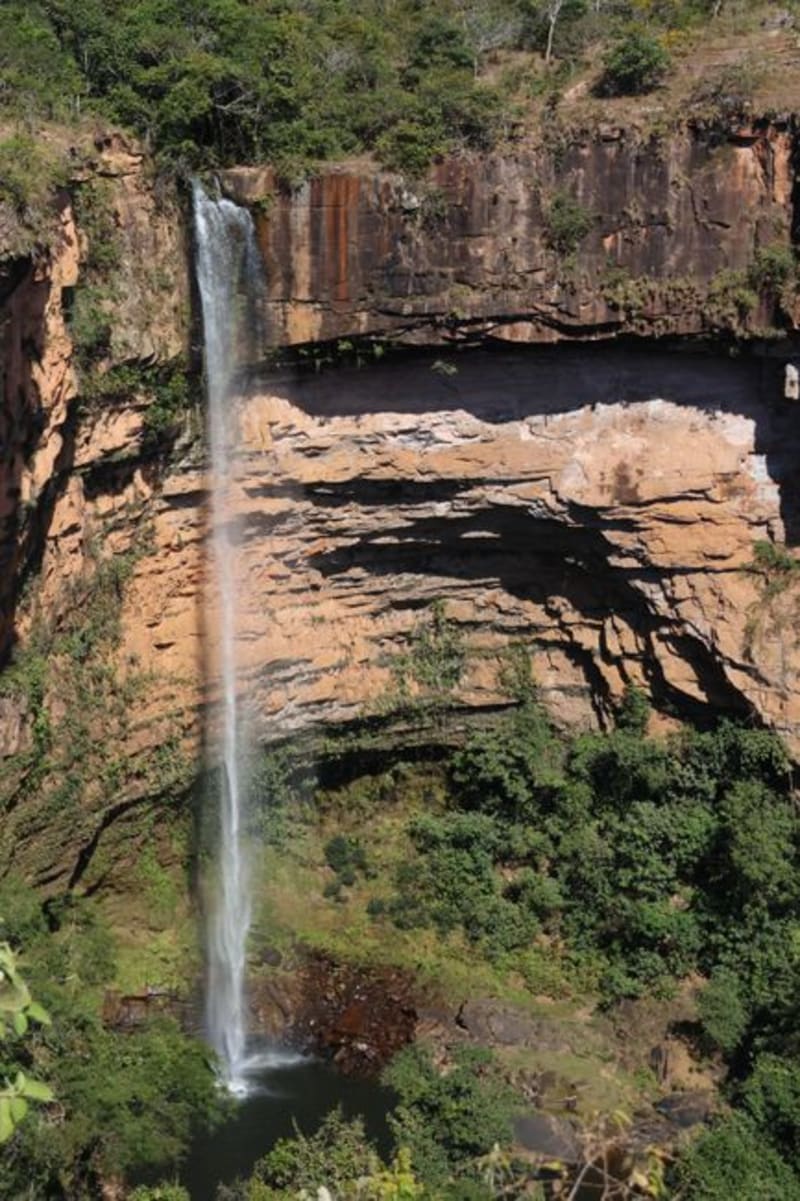 brazil
 Chapada dos Guimarães
A plateau of canyons, waterfalls, and red sandstone cliffs an hour from Cuiabá — the Pantanal's polar-opposite landscape.
Explore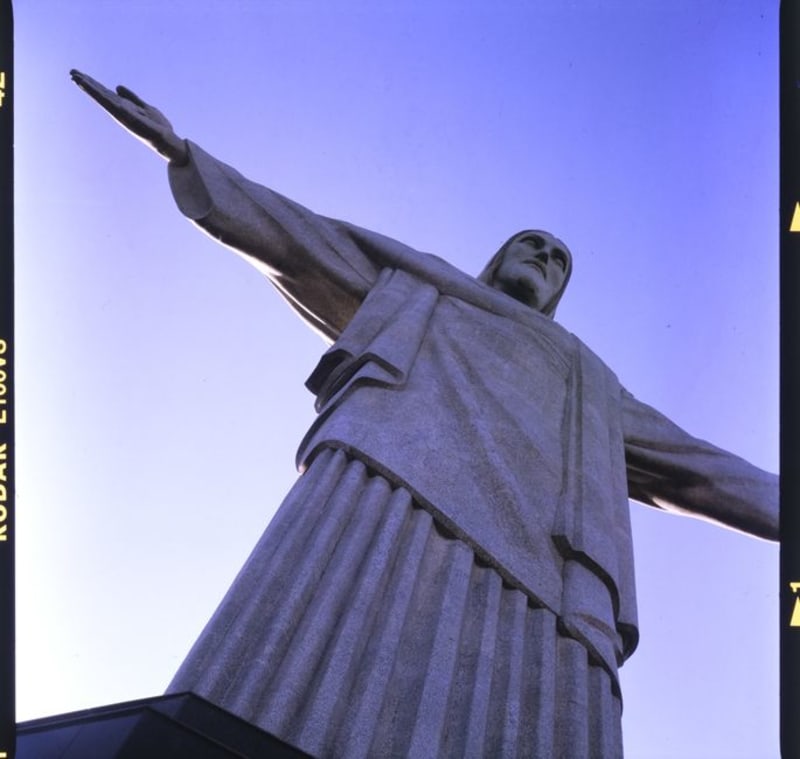 brazil
 Christ the Redeemer
The statue everyone has seen a thousand times in photographs, and the twenty minutes of standing beneath it that no photograph prepares you for.
Explore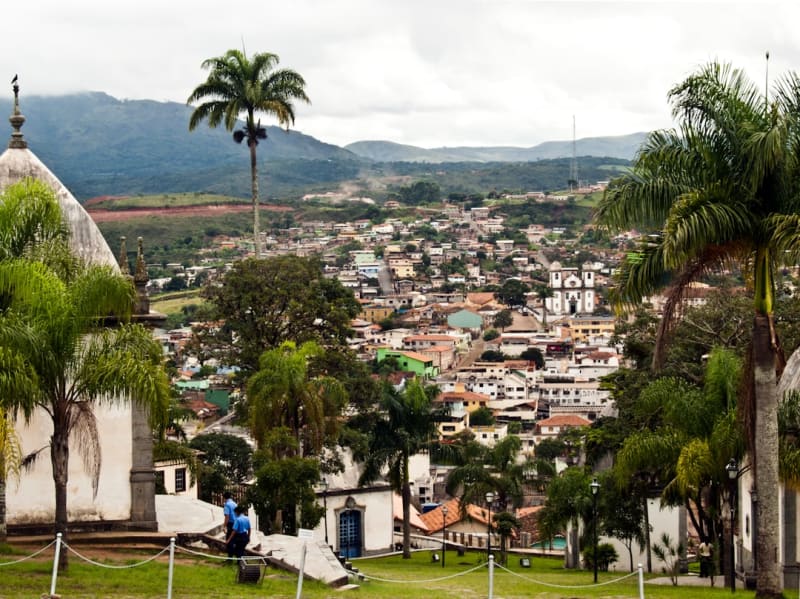 brazil
 Congonhas
A pilgrimage town in Minas Gerais built around twelve soapstone prophets carved by a man who lost the use of his hands and kept working anyway.
Explore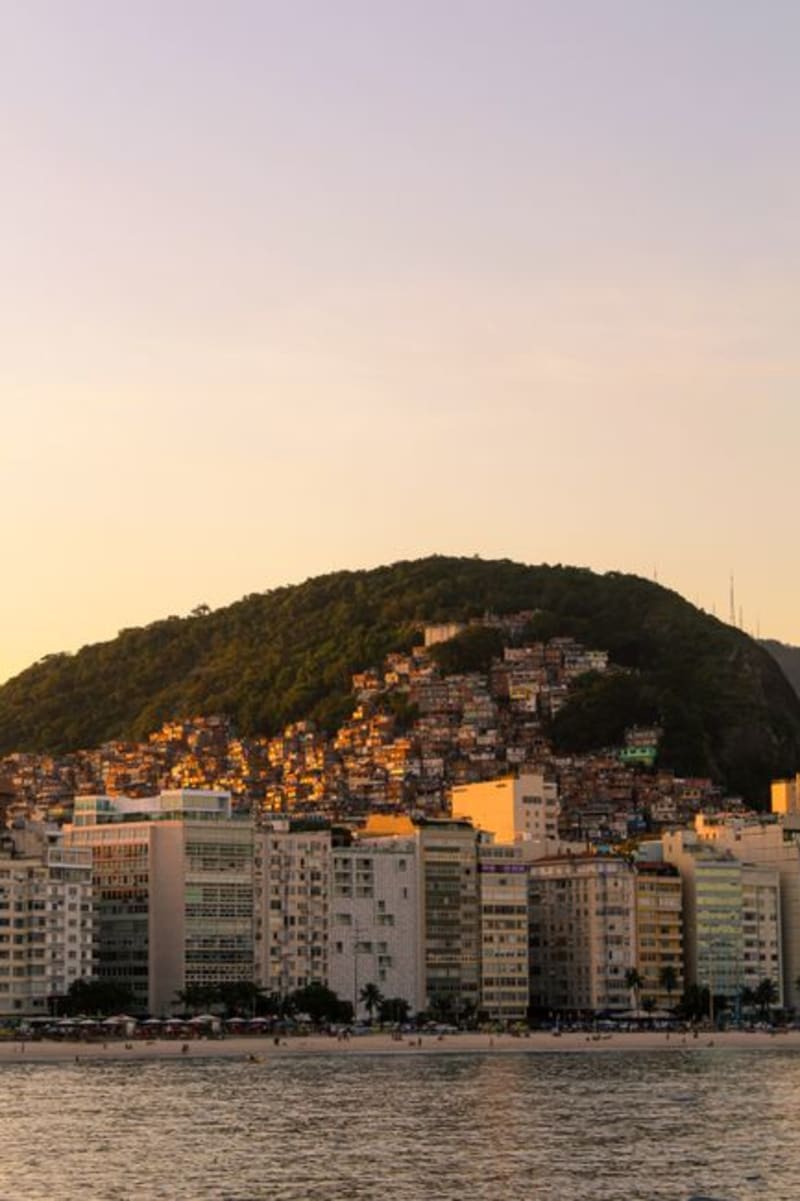 brazil
 Copacabana
The most famous curve of sand on the planet, where four kilometres of wave-pattern promenade hold a whole city's social life and, once a year, two million fireworks watchers.
Explore