Campos do Jordão
"Campos do Jordão is Brazil's answer to a question nobody outside Brazil was asking: what if the Alps, but tropical latitude?"
A mountain town that decided to look Swiss and mostly succeeds, where São Paulo goes to wear a coat and drink fondue in July.
I will admit I found Campos do Jordão faintly absurd for the first hour and then completely charmed by the second. The town, perched at over 1,600 metres in the Mantiqueira mountains three hours from São Paulo, has built its entire identity around pretending to be a Swiss alpine village — chalet-style architecture, fondue restaurants on every corner, wool sweaters for sale in July, a miniature train called the Boca do Céu (“Mouth of Heaven”) that hauls tourists up the mountainside. None of it is subtle. All of it is oddly effective.
The reason it works is the climate. Campos do Jordão sits high enough that it gets genuinely cold by Brazilian standards — frost some winter mornings, wood smoke curling from chimneys, a crispness in the air that feels imported from somewhere entirely different. Paulistanos treat it as their winter retreat, arriving in June and July specifically to wear coats and drink mulled wine, a novelty that never seems to wear off no matter how many times they’ve done it.
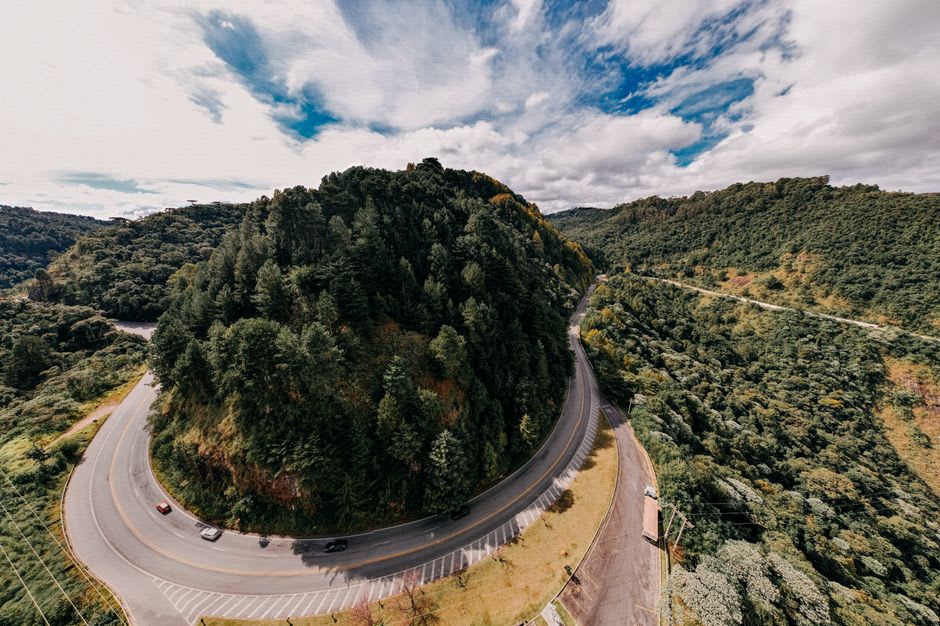
Horto Florestal, a state park just outside town, is where the setting stops being kitsch and becomes genuinely beautiful — dense araucaria pine forest, walking trails, waterfalls, and views across ridgelines that roll out in layers of blue-grey fog most mornings. I walked one of the longer trails with Lia at dawn specifically to catch the fog before it burned off, and it was worth the early alarm.
The town’s other reason for existing is music. Campos do Jordão hosts one of Latin America’s most important classical music festivals every July, filling the town’s small venues and public squares with orchestras and chamber groups for weeks at a time. Even outside festival season, there is a cultural seriousness here — galleries, a decent crafts scene, chocolate shops that take themselves very seriously — that separates it from a simple gimmick town.
Food leans heavily on fondue, trout (farmed in the cold mountain streams nearby), and heavy, warming dishes that would be out of place almost anywhere else in Brazil and feel exactly right here.
When to go: June and July for the full cold-weather, festival-season experience, though it is also the busiest and most expensive stretch. April, May, August, and September offer cooler mountain air with far fewer crowds.
Keep exploring
More from Brazil
 brazil
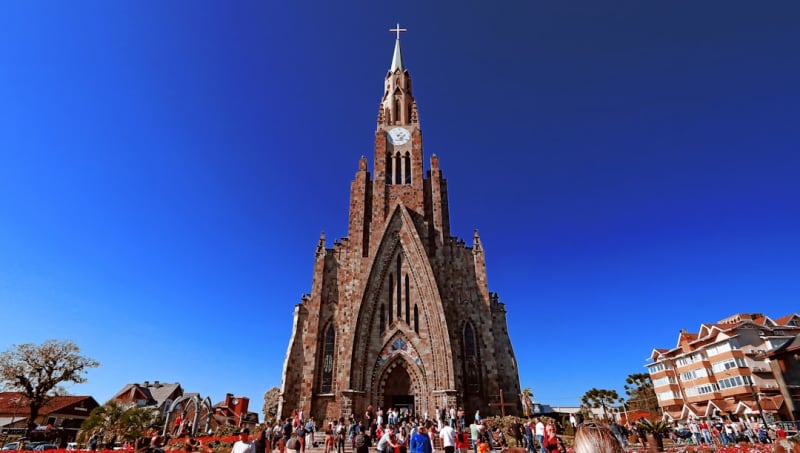
 Canela
Gramado's quieter mountain neighbour, built around a Gothic cathedral and one of southern Brazil's most dramatic waterfalls.
Explore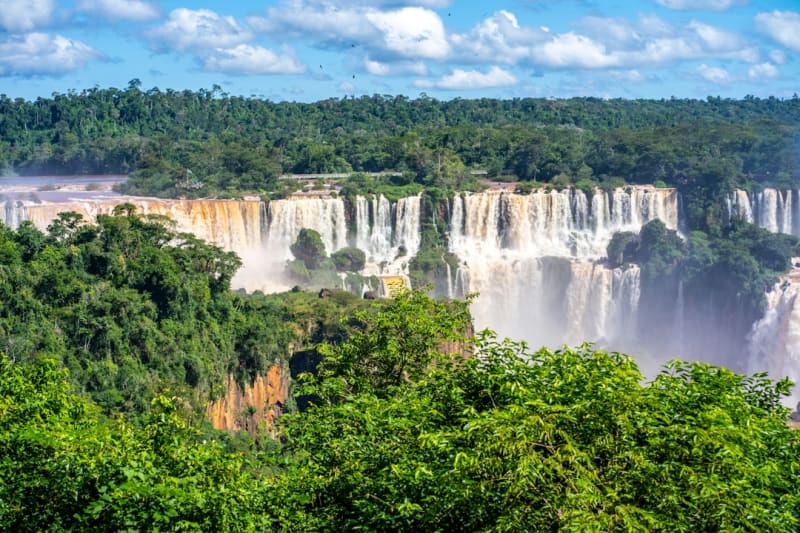 brazil
 Capitólio
A reservoir in southern Minas Gerais where the flooded canyon walls of the Rio São Francisco have earned it the nickname 'Brazilian Fiordland,' waterfalls and all.
Explore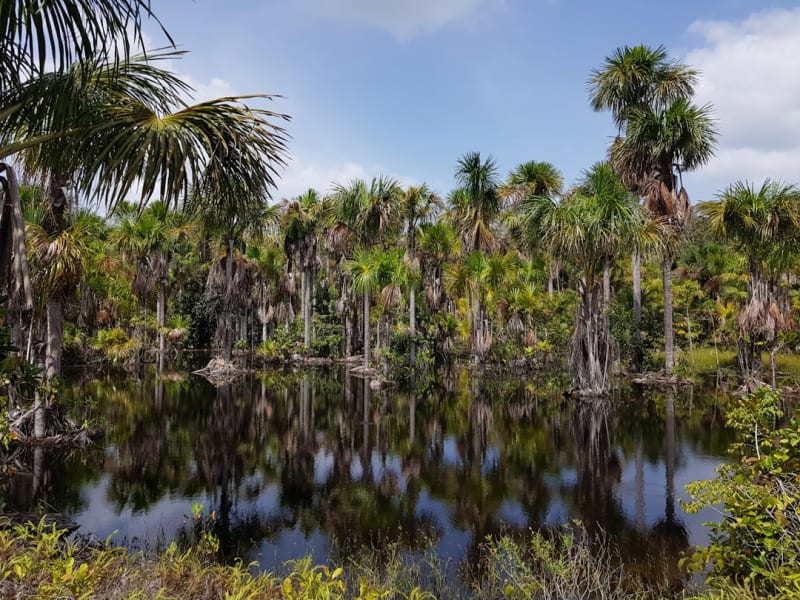 brazil
 Carolina
A quiet southern Maranhão town built around the Cachoeira de Itapecuru, a wide curtain waterfall that locals swim beside like it's an ordinary Tuesday.
Explore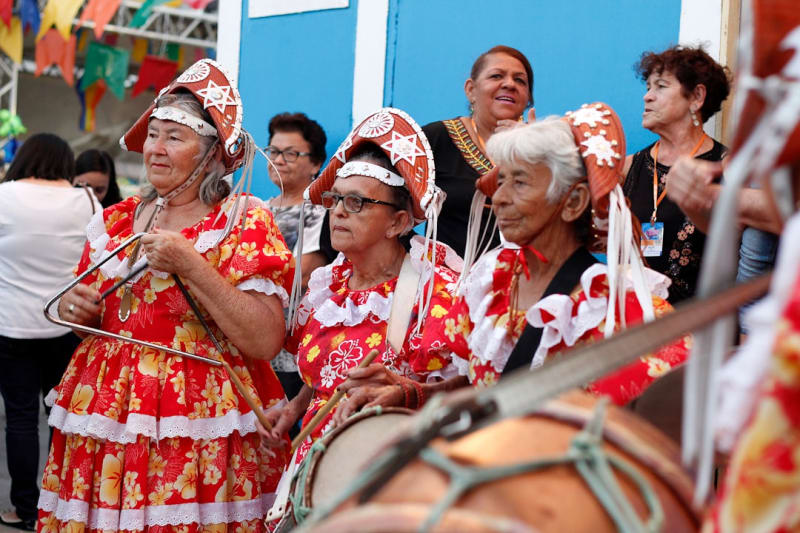 brazil
 Caruaru
The interior capital of forró and São João, where the biggest street party outside carnival takes over an entire Pernambuco town every June.
Explore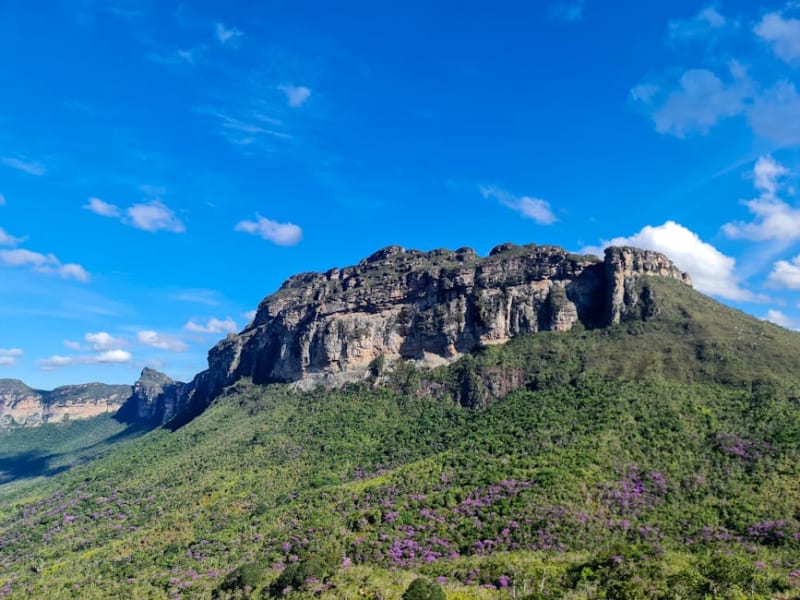 brazil
 Chapada Diamantina
Table-top mountains, underground rivers, and a hiking paradise hidden in the interior of Bahia.
Explore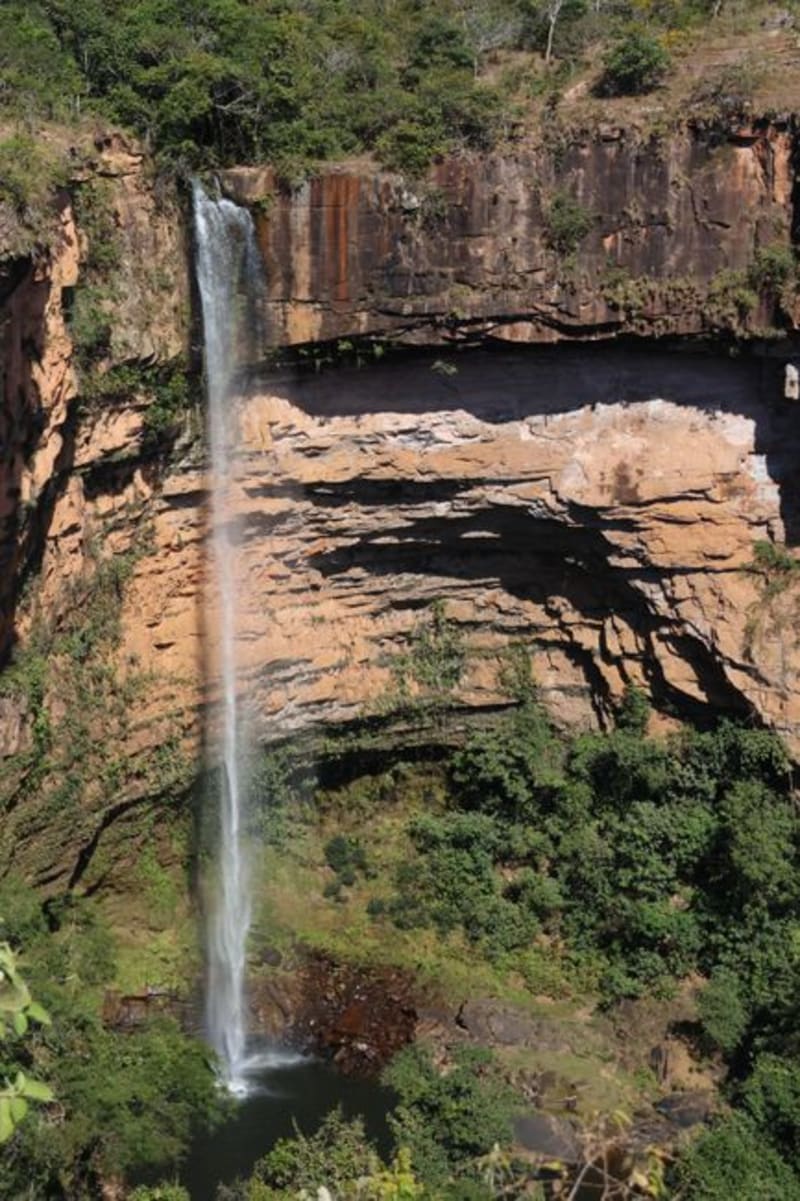 brazil
 Chapada dos Guimarães
A plateau of canyons, waterfalls, and red sandstone cliffs an hour from Cuiabá — the Pantanal's polar-opposite landscape.
Explore