Brazil's largest pilgrimage site, where a small clay statue fished out of a river three centuries ago now draws millions past a basilica the size of a small city.
I went to Aparecida expecting a church and a gift shop, and left having witnessed something closer to a small, permanent city built entirely around faith. The town, roughly midway between São Paulo and Rio, exists almost solely because of the Basilica of Our Lady of Aparecida, the second-largest Catholic basilica in the world after St. Peter’s, built to house a small black clay statue of the Virgin Mary that fishermen supposedly pulled from the Paraíba do Sul river in 1717.
The statue itself is tiny — barely 40 centimetres — and sits at the centre of a building so large it can hold something close to 45,000 people at once. Walking into the main nave for the first time, dwarfed by the scale of the dome and the sheer number of pilgrims moving through in organized, practised silence, I felt an odd humility that had nothing to do with my own beliefs. It is one of the few religious sites I have visited anywhere that communicated its importance through architecture alone before a single ritual began.
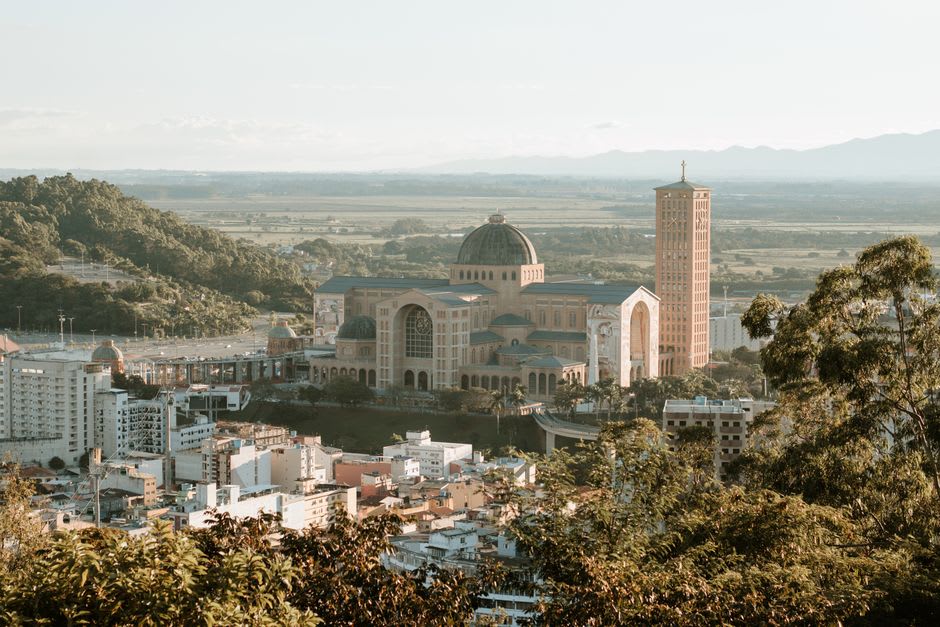
The scale of devotion here is genuinely hard to overstate. Aparecida receives more pilgrims annually than Lourdes or Fátima, with peak crowds arriving for the saint’s feast day on October 12th, when the town’s population multiplies many times over for a single weekend. Even on the ordinary Tuesday I visited, buses were unloading pilgrim groups continuously, many carrying banners identifying their home parish, some walking the final stretch into town on foot as a form of penance.
Around the basilica, the town has built an entire economy of religious tourism — streets lined with shops selling rosaries, statues, and devotional candles in every size, simple restaurants serving unpretentious Brazilian food to travellers passing through, and a steady flow of pilgrim buses that never seems to fully stop, day or night.
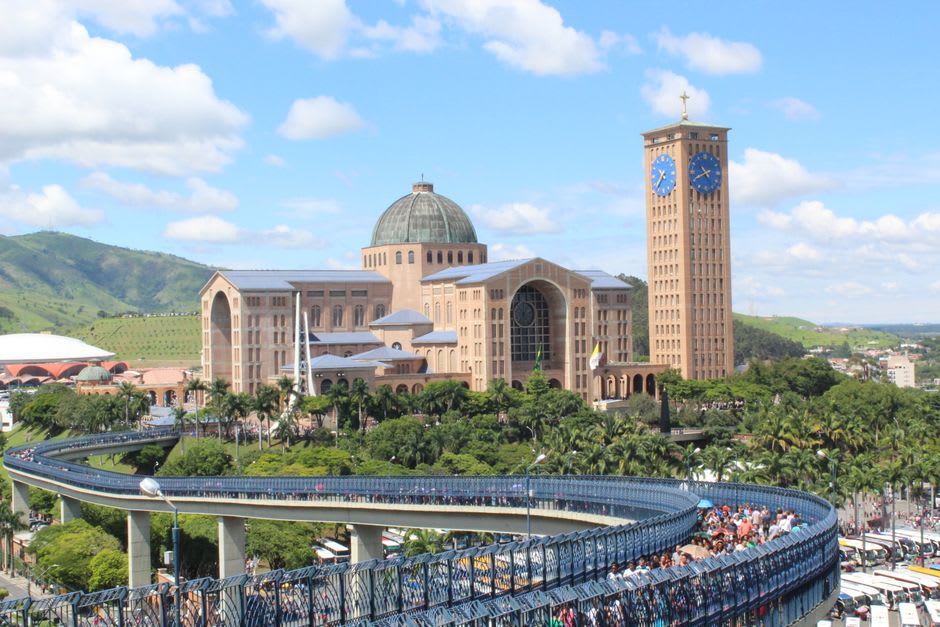
I climbed to one of the basilica’s upper viewing areas at sunset and looked out over the whole complex — the old and new sanctuaries, the river below, the town wrapped entirely around this one act of devotion — and understood, in a way I had not expected to, why this small clay figure has held such a grip on the country’s imagination for three hundred years.
When to go: Any weekday for a calmer, more contemplative visit. October 12th, the feast day of Nossa Senhora Aparecida, is the most significant date on the Brazilian religious calendar and draws enormous crowds — extraordinary to witness, but plan well ahead if you want to attend.
Keep exploring
More from Brazil
 brazil
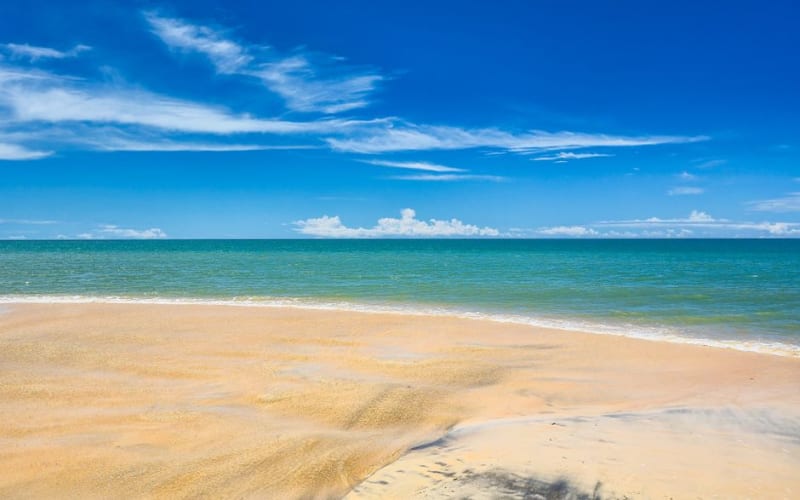
 Arraial d'Ajuda
A bohemian beach village across the river from Porto Seguro, close enough to Trancoso to share its coastline but scrappier, cheaper, and less curated.
Explore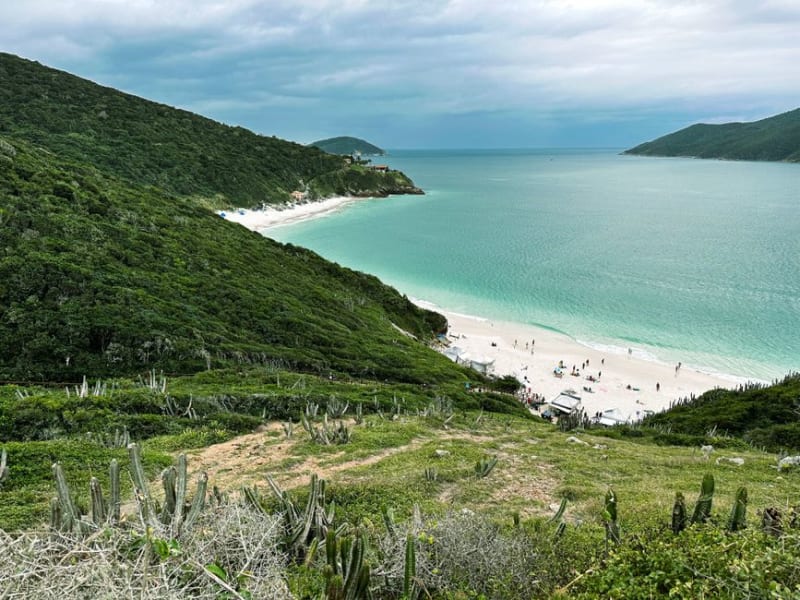 brazil
 Arraial do Cabo
The town that earned the nickname 'Brazilian Caribbean' — water clear enough to see your own feet from a boat, and some of the country's best diving a short drop below.
Explore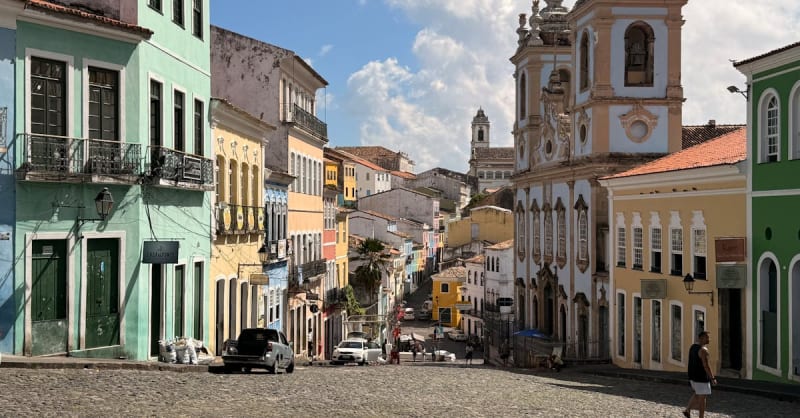 brazil
 Bahia
Afro-Brazilian soul, dendê-oil cuisine, and a coconut-palm coastline that stretches forever. Bahia is Brazil's cultural heartbeat.
Explore brazil
 Balneário Camboriú
A high-rise beach resort city on the Santa Catarina coast that Brazilians only half-jokingly call their Miami — and Dubai, depending on the year.
Explore brazil
 Barreirinhas
The riverside gateway town to Lençóis Maranhenses, equal parts logistics hub and destination in its own right, strung along the lazy Rio Preguiças.
Explore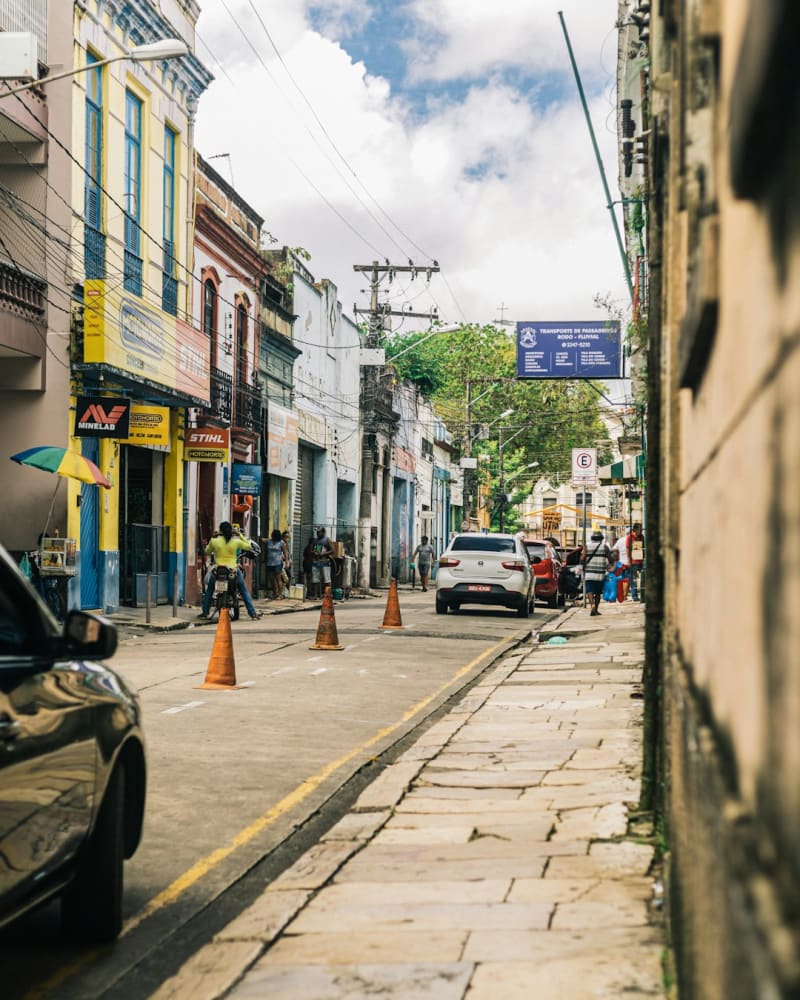 brazil
 Belém
The city where the Amazon meets the Atlantic — market chaos, mango-lined streets, and the best food I ate anywhere in Brazil.
Explore