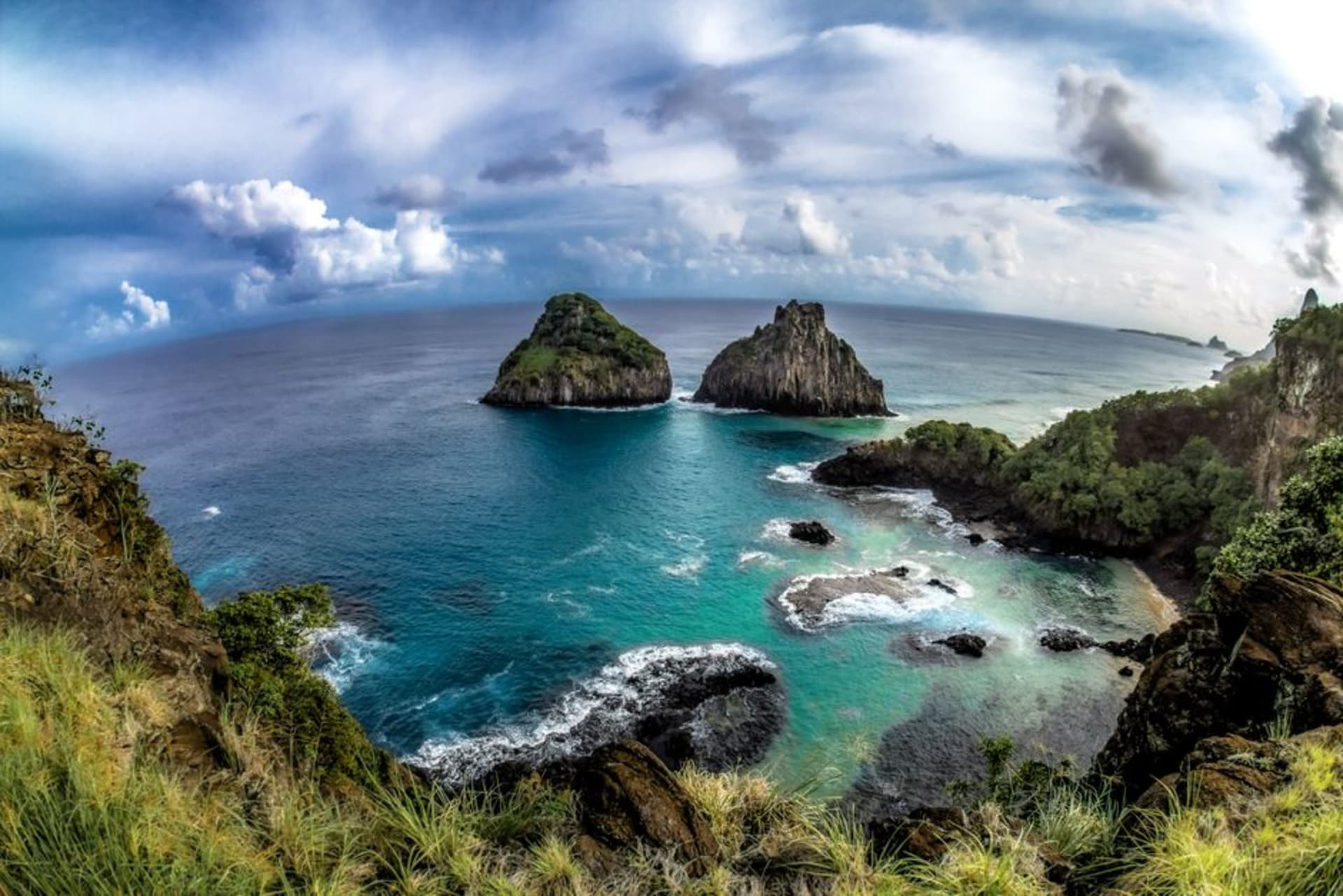
Anavilhanas Archipelago
"Four hundred islands and not another boat in sight. The Amazon has a way of making crowds disappear."
The world's second-largest freshwater archipelago, hundreds of forested islands scattered across the black water of the Rio Negro.
Anavilhanas sits a few hours upriver from Manaus, and I nearly skipped it in favor of a lodge deeper into the forest, which would have been a mistake I’m glad I avoided. The archipelago is a scatter of more than four hundred islands strung across a wide stretch of the Rio Negro, its water the color of strong tea from all the tannins leached out of decaying leaves upstream — beautiful, slightly eerie, and so still in places that the forest doubles itself in reflection.
We based ourselves at a small lodge on the river’s edge and spent two days doing almost nothing but moving between islands by canoe, which turned out to be plenty. During the dry season, roughly September through February, the falling water exposes white sand beaches on several of the islands — a smaller, quieter, more private echo of what happens downriver at Alter do Chão. We picnicked on one that had, as far as I could tell, no name and no other visitors, just black water lapping at pale sand and howler monkeys sounding off somewhere in the canopy behind us.
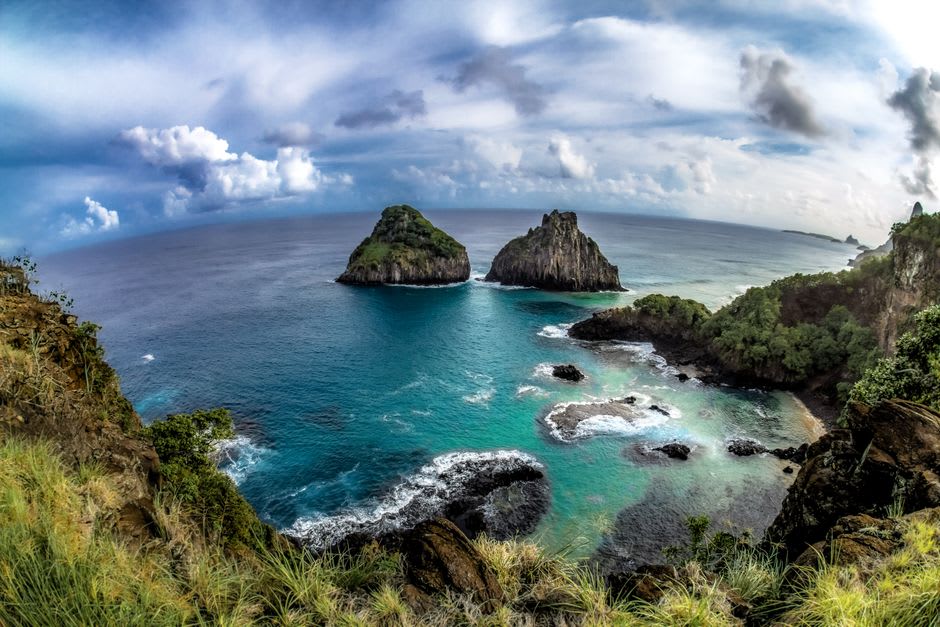
The wet season inverts the entire experience. Our guide, a Manaus native named Josué who had been navigating these channels since childhood, took us out during a shoulder-season visit when the water was already rising, and we paddled directly into the flooded understory — ducking under branches, gliding between tree trunks that in a few months would be entirely submerged canopy. It is called igapó forest, and moving through it by canoe, silent except for paddle strokes and birdcalls, is as close as I have come to feeling like I was inside an ecosystem rather than observing one from its edge.
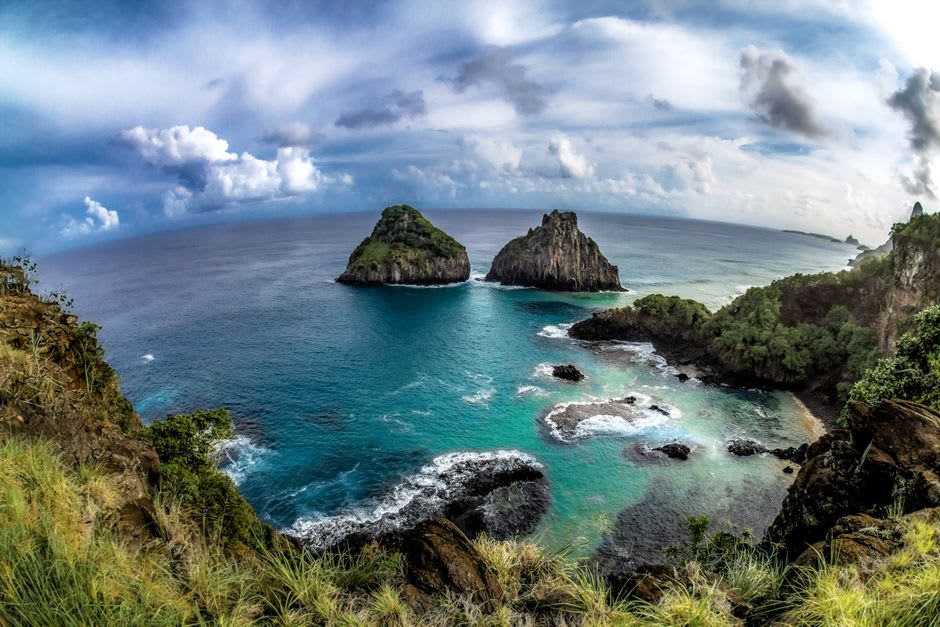
Because Anavilhanas is close enough to Manaus for a day trip, it gets a fraction of the visitors that jungle lodges further upriver attract, but the payoff is nearly as rich — pink dolphins surface regularly along the channel edges, caimans line the banks at night, and the birdlife (herons, kingfishers, hawks, screaming piha calling from somewhere unseen) rivals anywhere else I went in Amazonas. It made me reconsider the assumption that distance from a city correlates with wilderness quality. Sometimes proximity and quiet coexist just fine.
When to go: September to February for the exposed beaches and best access to the smaller channels. March to August floods the archipelago’s understory, ideal for igapó canoeing but less suited to beach time.
Keep exploring
More from Brazil
 brazil
 Angra dos Reis
Gateway to the Costa Verde's 365 islands, where a day on a wooden schooner turns into the easiest excuse for doing absolutely nothing well.
Explore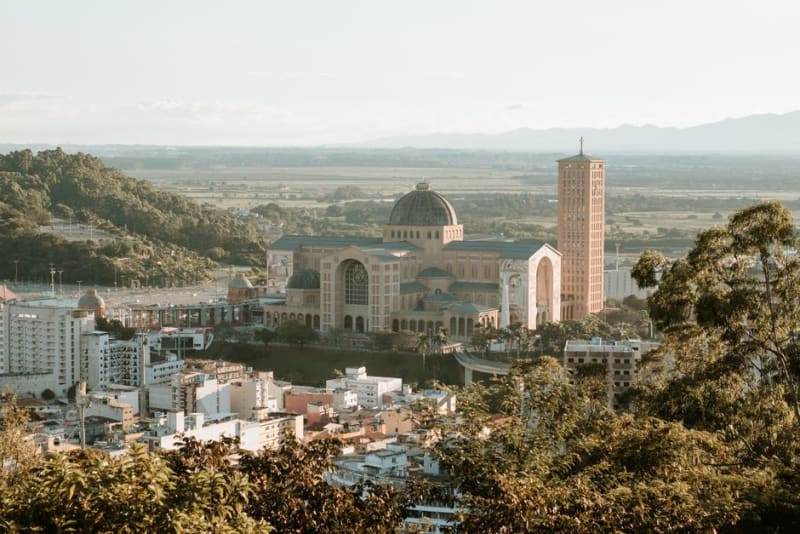 brazil
 Aparecida
Brazil's largest pilgrimage site, where a small clay statue fished out of a river three centuries ago now draws millions past a basilica the size of a small city.
Explore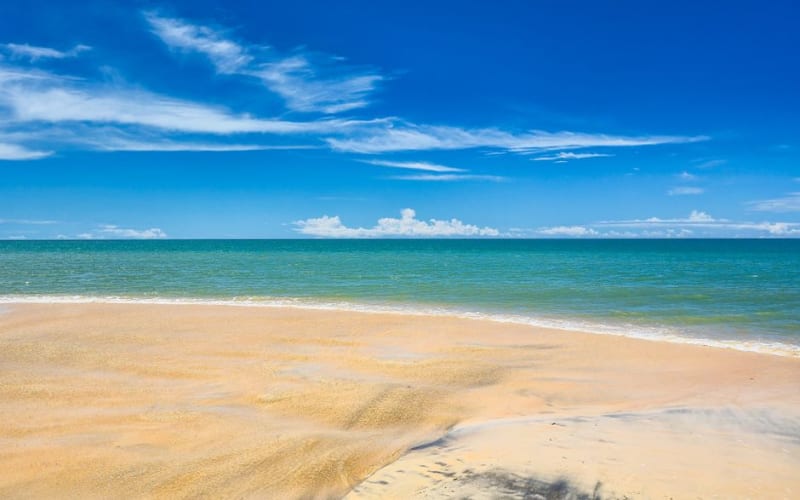 brazil
 Arraial d'Ajuda
A bohemian beach village across the river from Porto Seguro, close enough to Trancoso to share its coastline but scrappier, cheaper, and less curated.
Explore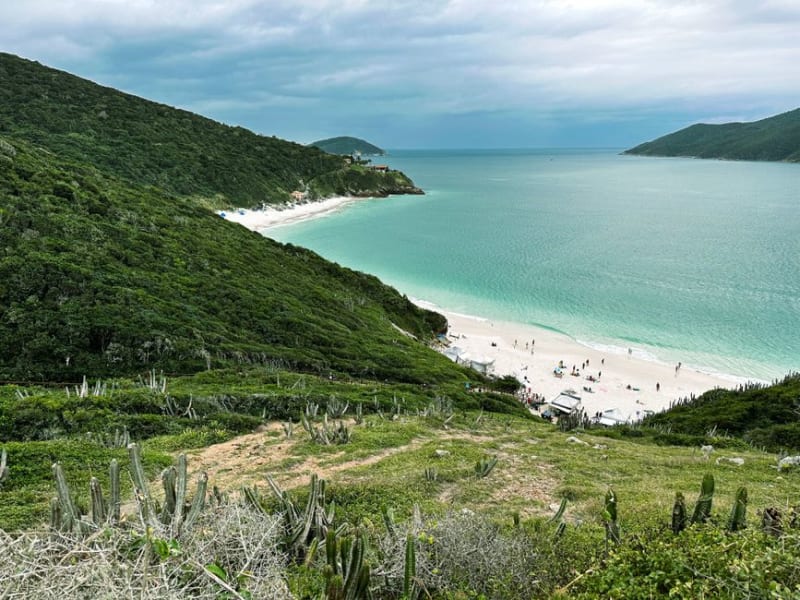 brazil
 Arraial do Cabo
The town that earned the nickname 'Brazilian Caribbean' — water clear enough to see your own feet from a boat, and some of the country's best diving a short drop below.
Explore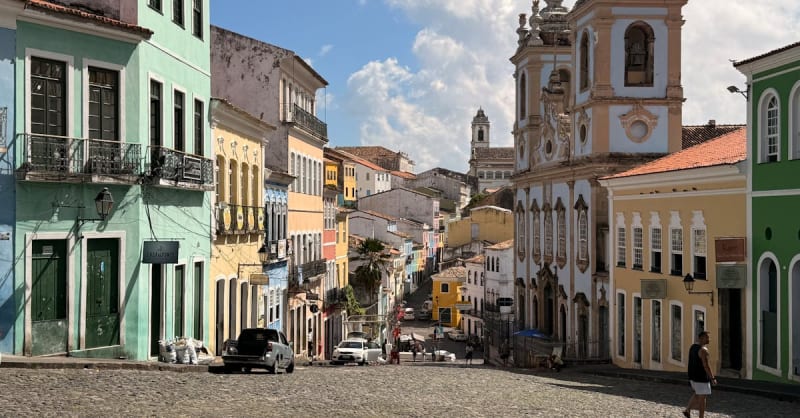 brazil
 Bahia
Afro-Brazilian soul, dendê-oil cuisine, and a coconut-palm coastline that stretches forever. Bahia is Brazil's cultural heartbeat.
Explore brazil
 Balneário Camboriú
A high-rise beach resort city on the Santa Catarina coast that Brazilians only half-jokingly call their Miami — and Dubai, depending on the year.
Explore