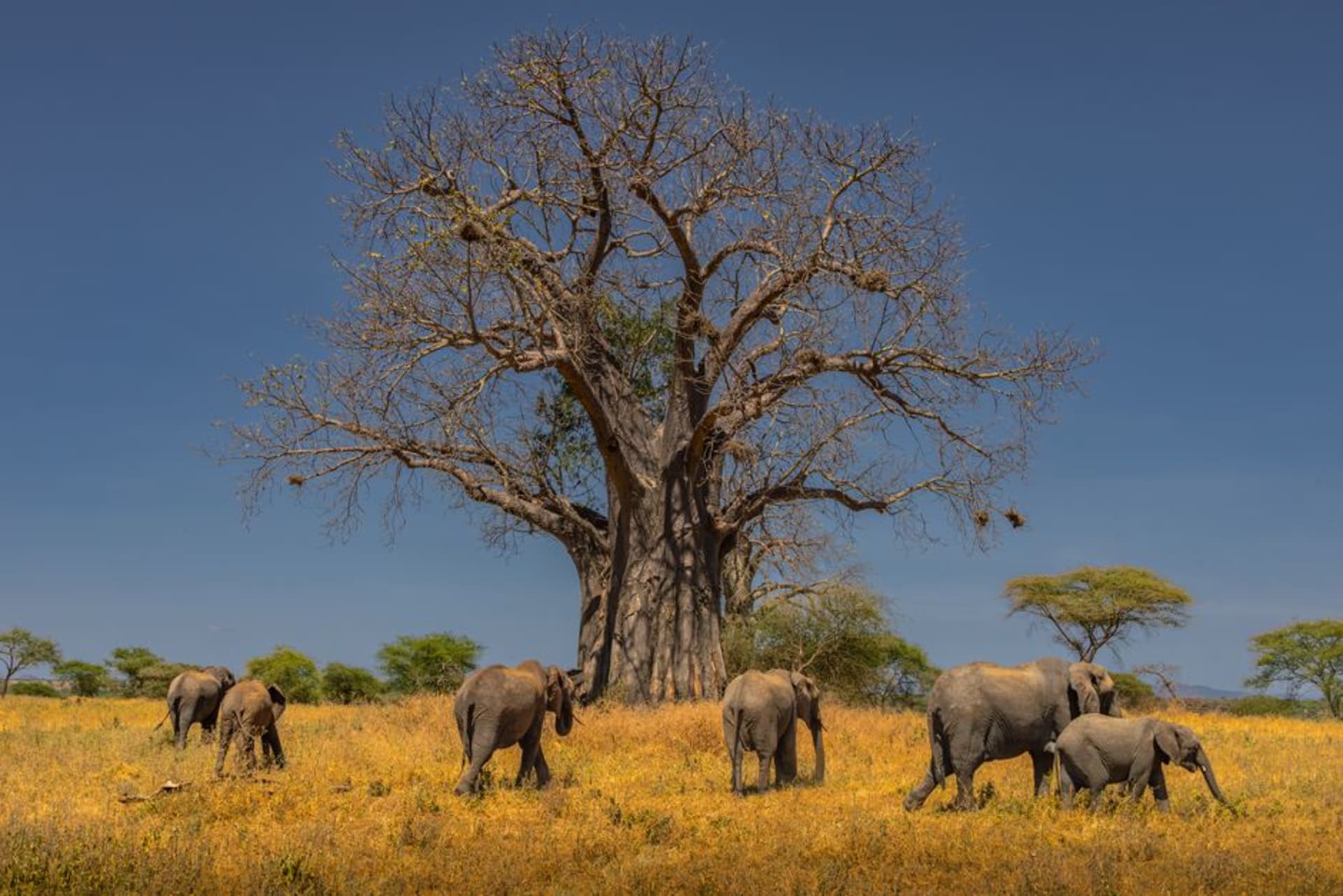
A wild sliver of sandstone koppies and ancient baobabs where elephants outnumber roads and Botswana's safari story began.
We almost skipped Tuli Block entirely. Every map of Botswana points north, toward the Okavango, and I’d spent months telling people that’s where we were headed. Then a friend in Gaborone laughed at me and said I was ignoring the country’s best-kept secret. So Lia and I rerouted, and drove east instead of north, into a strip of private land squeezed between Zimbabwe and South Africa along the Limpopo and Shashe rivers. Almost nobody we knew had been. That alone made it worth it.
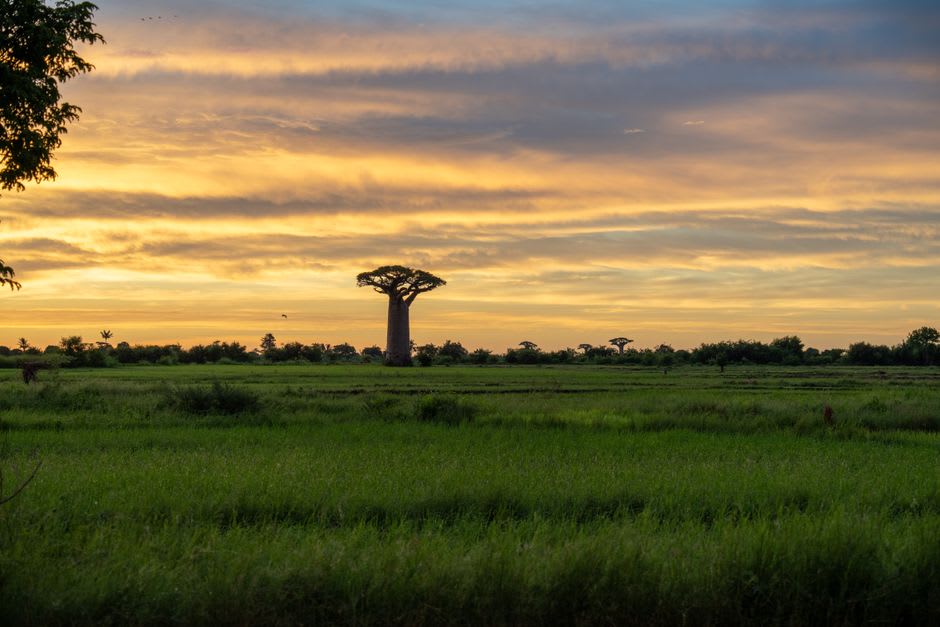
The landscape is nothing like the wetlands I’d pictured. No mokoro, no flooded plains. Instead: sandstone koppies rising out of dry riverbeds, baobabs so old and swollen they look like they’re melting, and a stillness that made our first game drive feel almost eerie. Our guide at Mashatu, the largest reserve in the Block, told us it grew out of old cattle ranches consolidated back in the 1960s and 70s — which explains why it feels less manicured, less performed, than some of the more famous circuits. Locals call this the Land of Giants, and by our second evening we understood why.
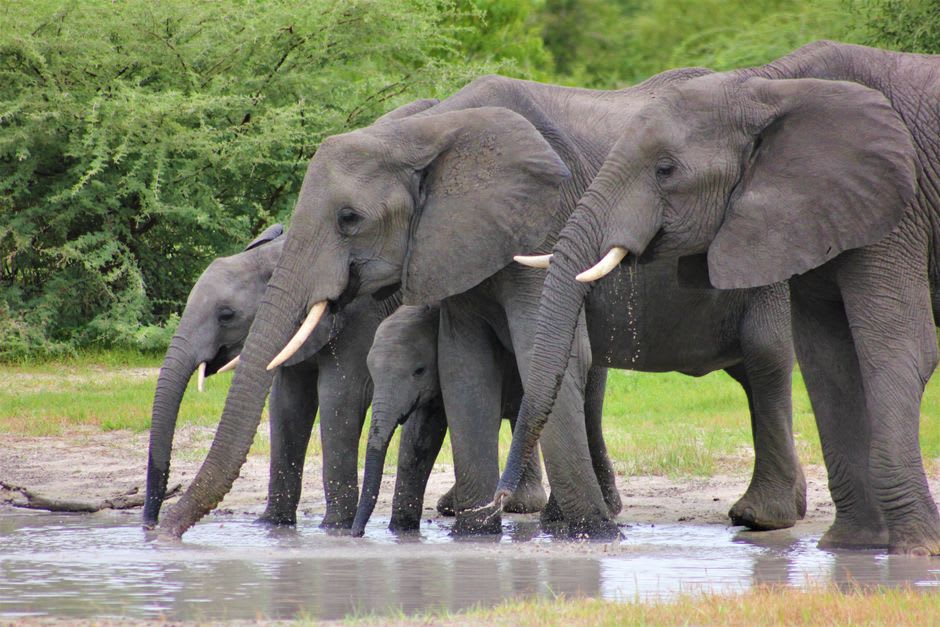
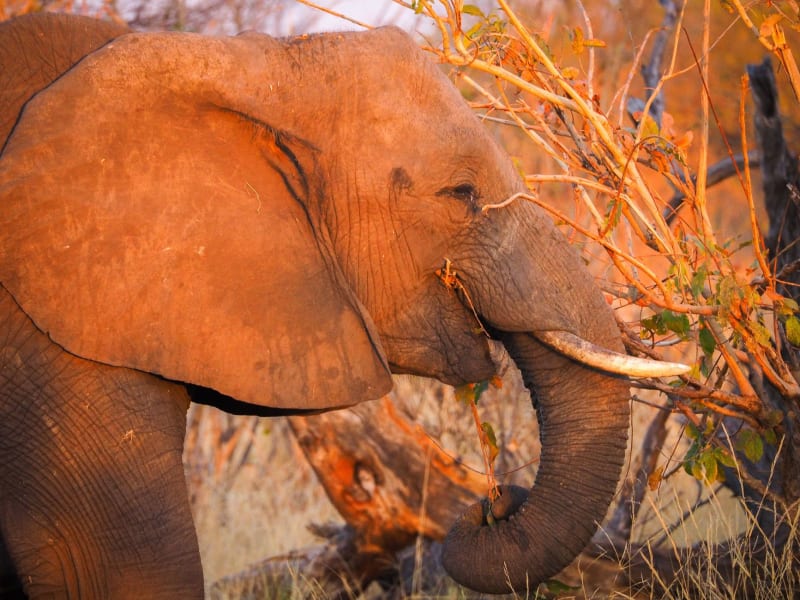
We must have seen close to a hundred elephants in three days — the reserve holds roughly 1,200 of them on private land alone, and you feel that density everywhere, in trampled thorn scrub and fresh dung on every track. One evening a breeding herd crossed maybe twenty meters from our vehicle, unbothered, matriarch first, and Lia grabbed my arm without saying a word. We didn’t need to say anything. There’s also a strange historical layer under all of it: this concession traces back to a 19th-century land grant from King Khama III to prospectors, decades before anyone was thinking about tourism. Standing among the koppies at dusk, it’s easy to imagine that older, harder version of this place.
We stayed in a tented camp with no fence between us and the bush, and I’ll admit I didn’t sleep much the first night — every rustle sounded like something enormous. By the third night I’d stopped flinching and started listening on purpose, which I think is the whole point of a place like Tuli. It asks you to slow down in a way the busier parks don’t.
When to go: We visited in the dry winter months, May through September, when the animals crowd close to the rivers and the bush thins out enough to actually see them — if you want elephants at point-blank range, this is the window that delivers.
Keep exploring
More from Botswana
 botswana
 Central Kalahari Game Reserve
One of the largest protected areas on earth — a desert that is not quite a desert, where lions hunt gemsbok across ancient fossil riverbeds.
Explore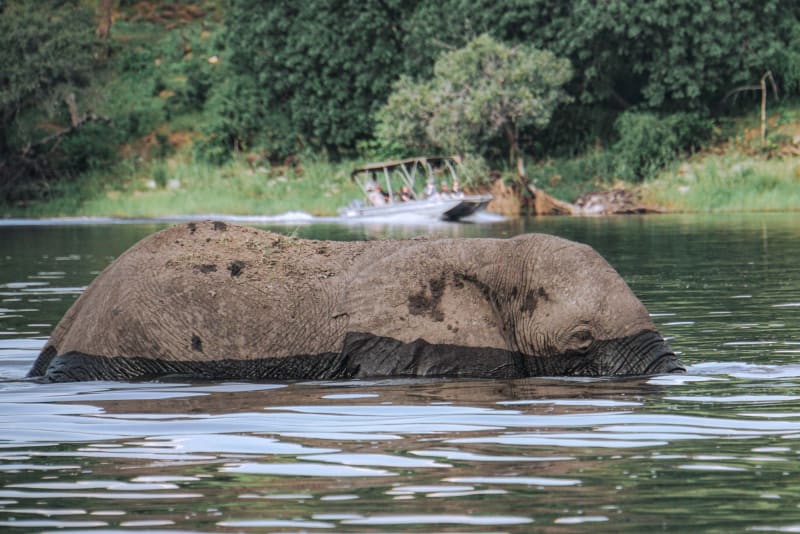 botswana
 Chobe National Park
Where the world's largest elephant population gathers along a river border in a spectacle that makes every wildlife documentary look like an understatement.
Explore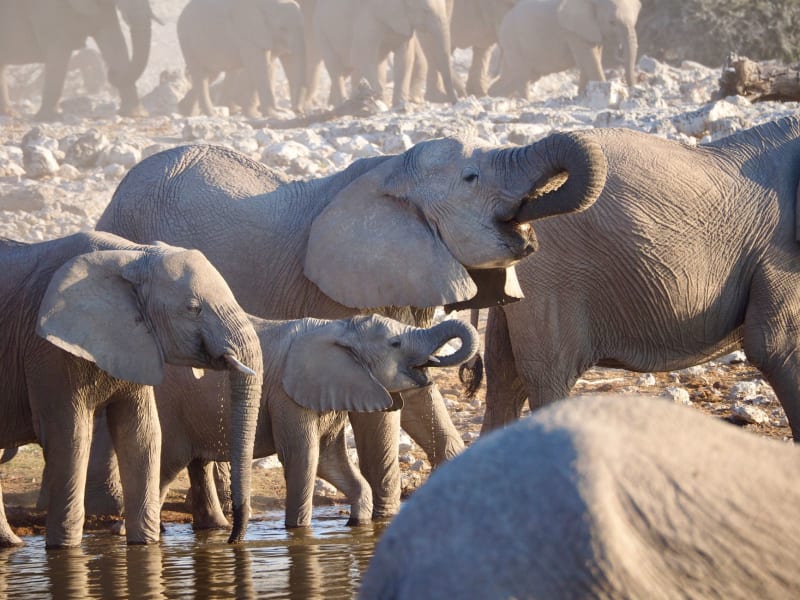 botswana
 Kasane
A border town at the meeting point of four countries where hippos share the main road with petrol tankers and the Chobe River is ten minutes from the supermarket.
Explore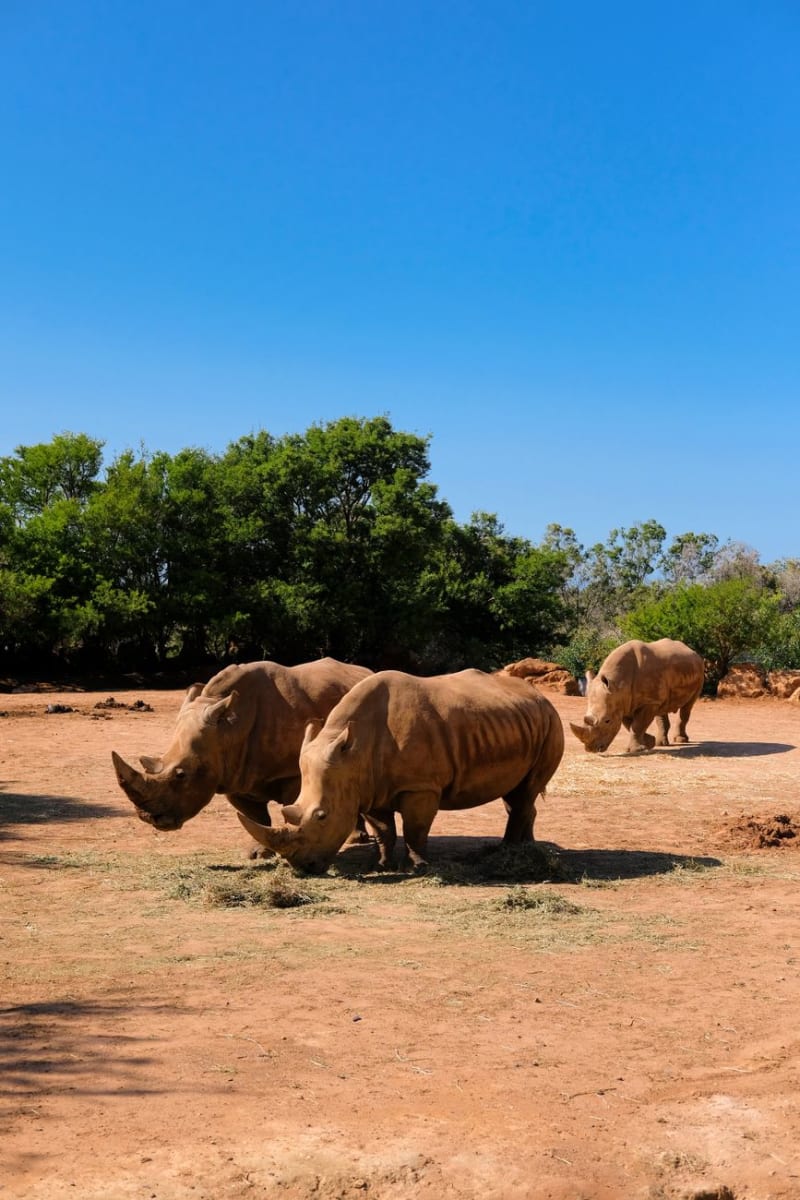 botswana
 Khama Rhino Sanctuary
A community-run patch of sandveld near Serowe where a village decided, three decades ago, to save the rhino itself — and quietly did.
Explore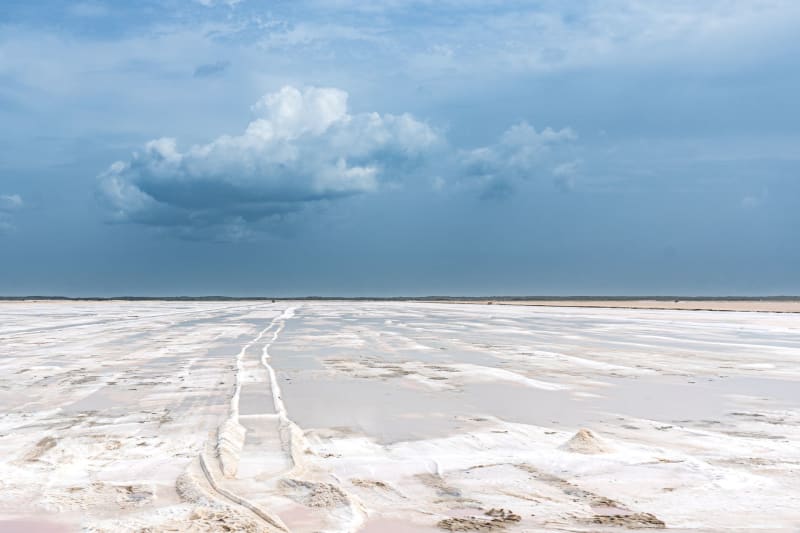 botswana
 Makgadikgadi Pans
Ancient salt flats so vast and so flat they bend your sense of perspective — and in the wet season, transform into the staging ground for Africa's greatest zebra migration.
Explore botswana
 Maun
The dusty, improbable gateway to the Okavango Delta — a frontier town that runs on aviation fuel, cold beer, and the logistical anxiety of safari planning.
Explore