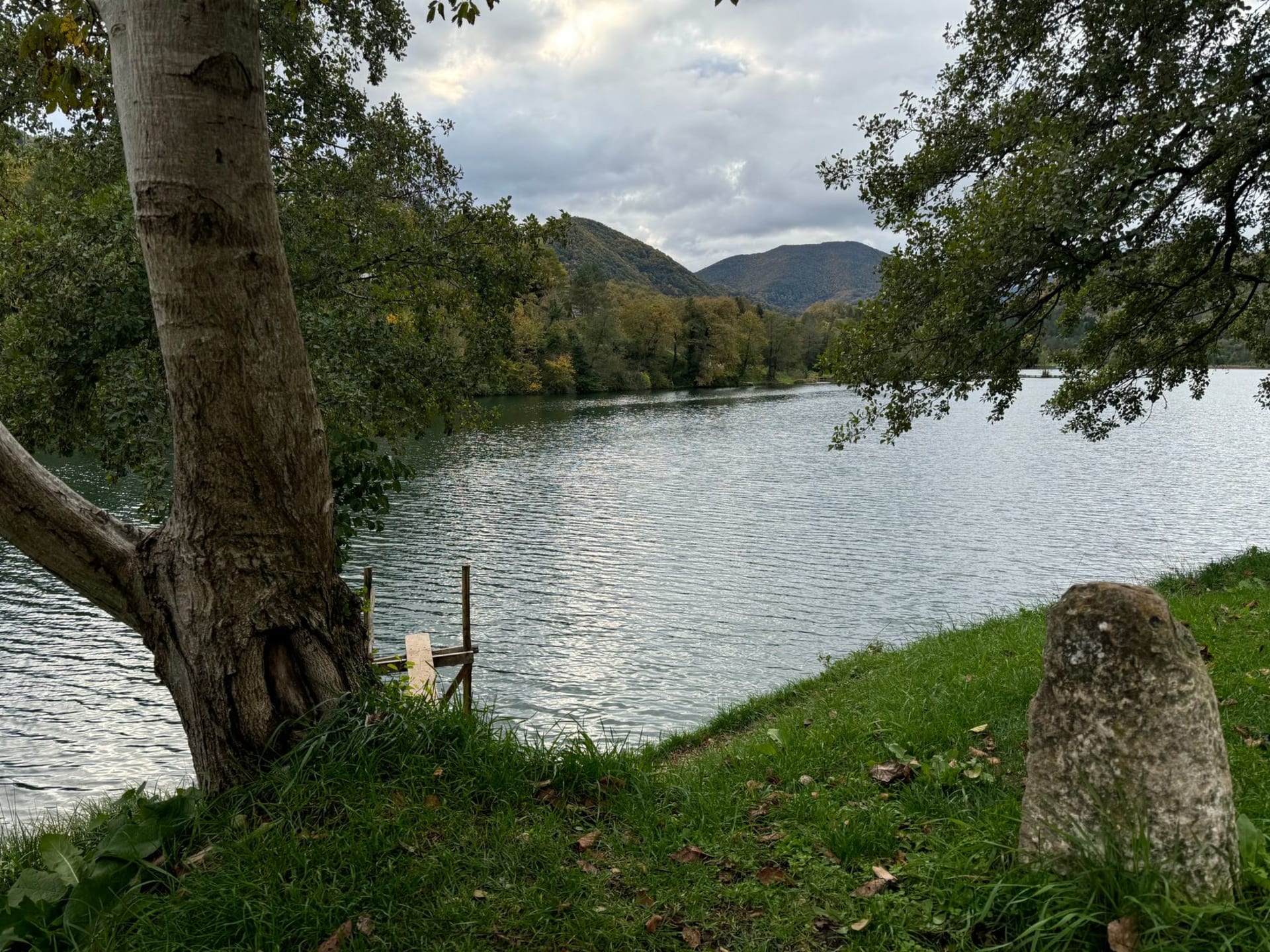
Konjic
"The bunker was built so the government could survive a nuclear war — which tells you everything about what governments fear and nothing about what they value."
Konjic sits between Mostar and Sarajevo in the narrow gorge of the Neretva, the river green and quick here before the artificial Lake Jablanica slows it downstream. Most people pass through — the town is a highway stop, a fuel and coffee break on the road between the two cities. This is a mistake I nearly made myself, but a friend who’d done the whitewater rafting here told me to stop. I stopped for two days and wished I’d planned for three.
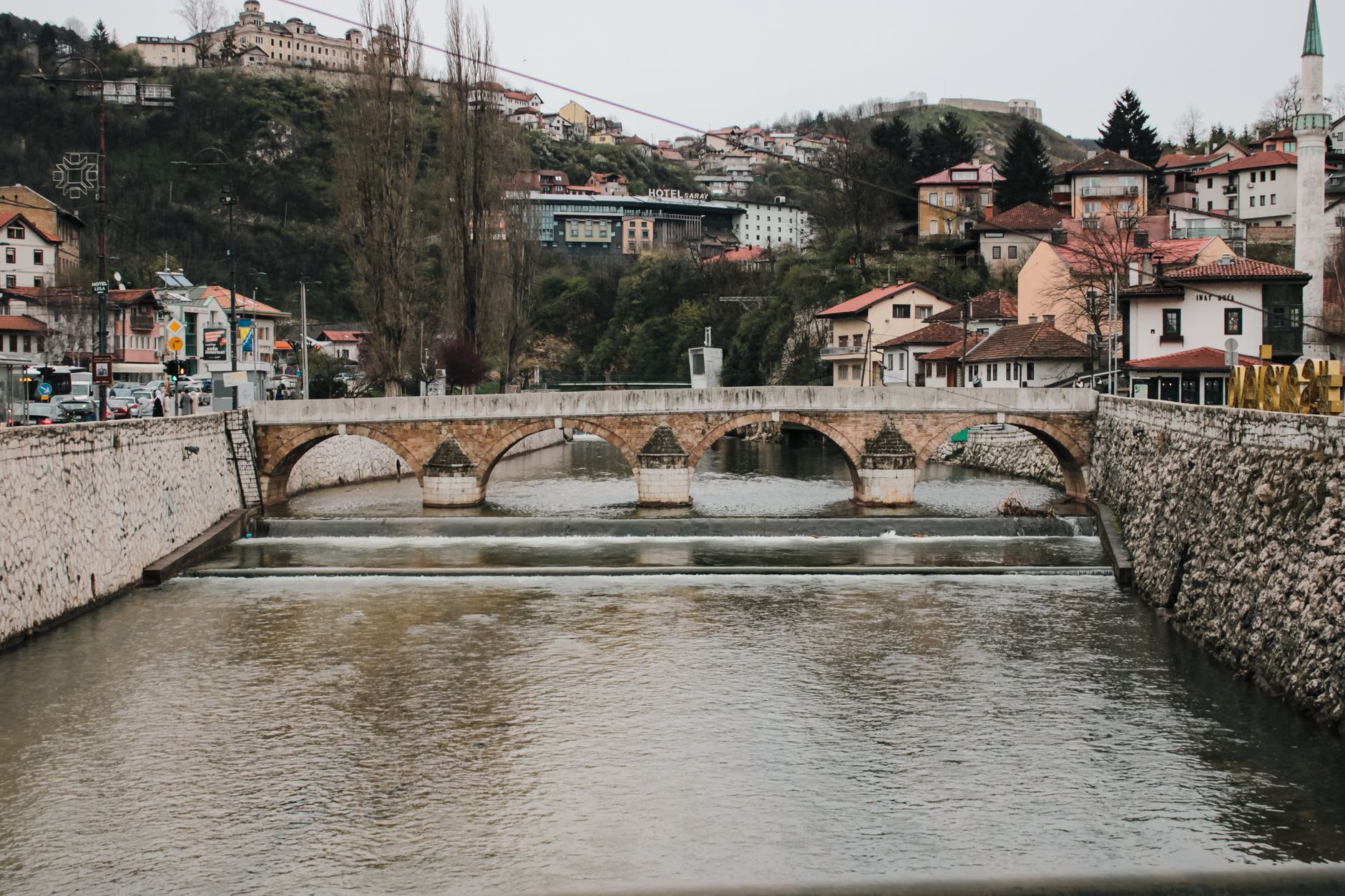
The old town is built around a seventeenth-century Ottoman bridge — the Stara Ćuprija — a graceful stone arch over the Neretva that survived the last war intact when the one in Mostar didn’t. The bridge is not as dramatically sited as Stari Most, but it is genuinely old and genuinely beautiful and genuinely unencumbered by tour operators. I crossed it a dozen times, back and forth, because it’s one of those structures that rewards repetition — the angle of the arch from the downstream side, the sound of the water below, the way the stone changes colour as the light shifts from morning to afternoon.
The whitewater on the upper Neretva above the lake is among the best in Europe. In May and June, when the snowmelt from the Bjelašnica plateau feeds the river to its highest volume, the canyon section above Konjic runs Class III and IV rapids through a gorge that gets so narrow in places you can almost touch both walls. I went with a local operator — three of us in an inflatable raft, a guide who’d been doing this for twenty years and who looked completely unhurried even when we were moving at a speed that felt wrong. Two hours on the river, soaking wet, with the canyon walls above and the cold mountain water all around. It cost less than a lunch in Dubrovnik.
The bunker is the strangest thing. ARK D-0 is a nuclear shelter built between 1953 and 1979 under the Bjelašnica mountain, designed to house Tito and the Yugoslav leadership — and six thousand other people — in the event of nuclear attack. It was kept completely secret until 1992, when the Yugoslav wars broke out and it was briefly used, then abandoned. Now you can tour it. The entrance is an unmarked tunnel in a hillside. Inside: six kilometres of passages, decontamination chambers, a military hospital, a cinema, communications rooms whose equipment is frozen at 1979, a conference room where decisions about the post-nuclear state would have been made. The scale of it — twenty-six thousand square metres of underground space — is difficult to hold in your head. Standing in the conference room I kept thinking about what kind of mind plans for a world after nuclear war with this level of operational detail.
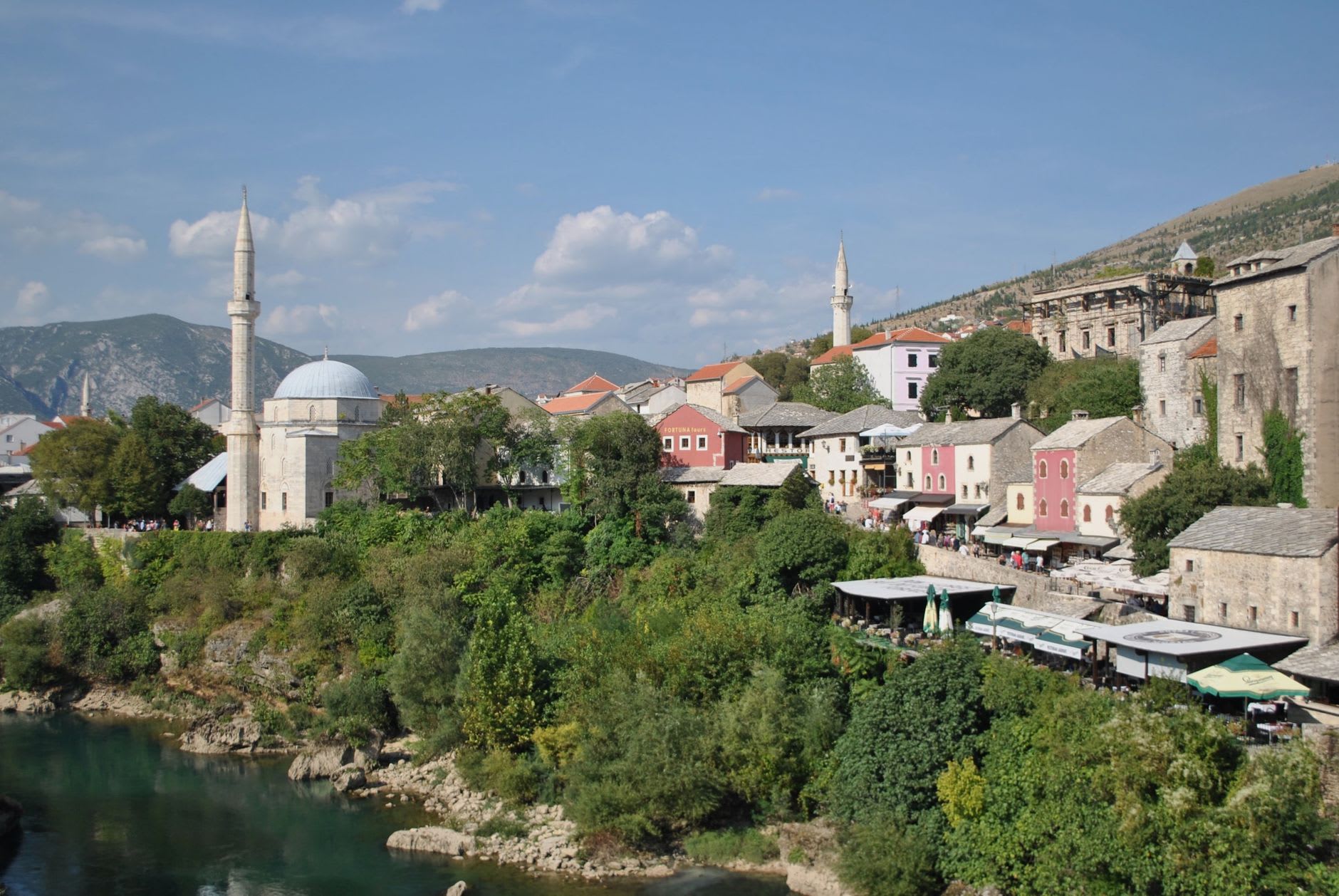
Konjic’s woodworking tradition is worth mentioning because it’s unusual — the town has been known for carved furniture since Ottoman times, and there are still workshops along the main street producing geometric inlaid pieces using techniques passed down for generations. The bazaar area near the bridge has a handful of these workshops where you can watch the carving in progress and buy pieces that are genuinely made here, by hand, without the veneer of tourism that coats the craft shops in Mostar.
When to go: May and June for the peak rafting season when the Neretva runs at full force. September for calmer water, perfect hiking temperatures, and the chance to visit the bunker without the summer crowds. The bunker can be visited year-round.