
Gudhjem
"Sol over Gudhjem — a smoked herring with an egg yolk on rye — is either Denmark's greatest dish or I have lost all perspective. I have lost all perspective."
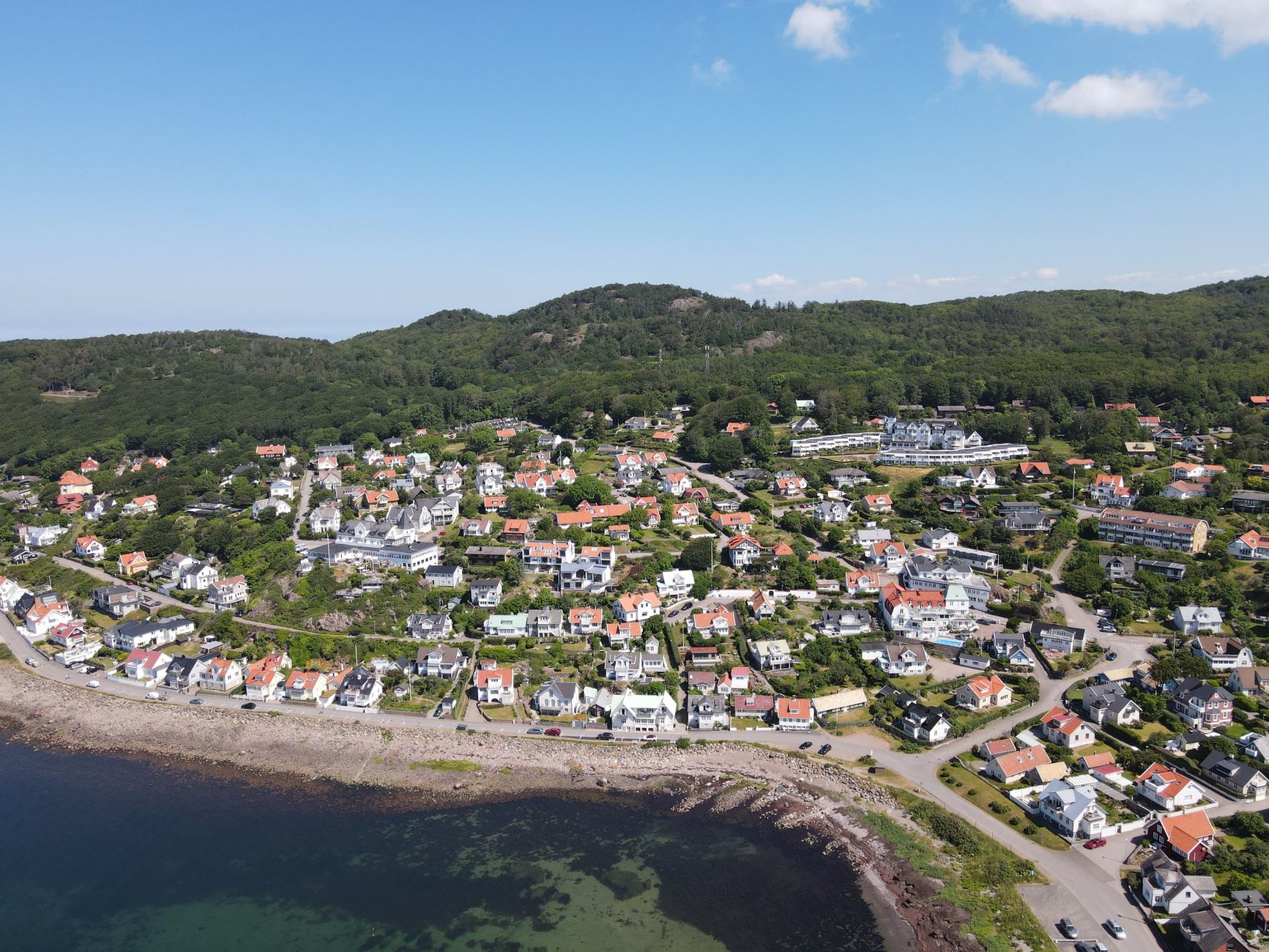
Gudhjem sits on a hillside above a natural harbor on the northeast coast, and the town seems to have been arranged by someone who understood that the point of a fishing village is the view from it rather than the view of it. The streets climb in stone steps from the waterfront up through a tangle of half-timbered houses and gardens bright with nasturtiums, and at the top the windmill turns slowly above the rooftops with a creaking that carries down to the harbor on still days. I arrived on a bicycle from Svaneke, following the coastal path that traces the cliffs between the two towns, and I was already hungry from the ride when I smelled the smoke.
The smokehouse on the harbor — Røgeriet Gudhjem — is a low wooden building with a chimney that runs all day, burning alder wood, and the smell reaches you a hundred meters before you arrive. The menu is written on a chalkboard: smoked mackerel, smoked salmon, smoked eel, and sol over Gudhjem, which translates as “sun over Gudhjem” and consists of a whole smoked herring on a slice of dark rye bread topped with a raw egg yolk, rings of raw onion, radishes, and fresh chives. The dish looks simple and tastes like something that should have a much longer name. I ate it at a picnic table on the quay with the boats bobbing ten meters away and the ferry to Christiansø just visible pulling out of the harbor, and I understood for the first time why artists came here and did not leave.
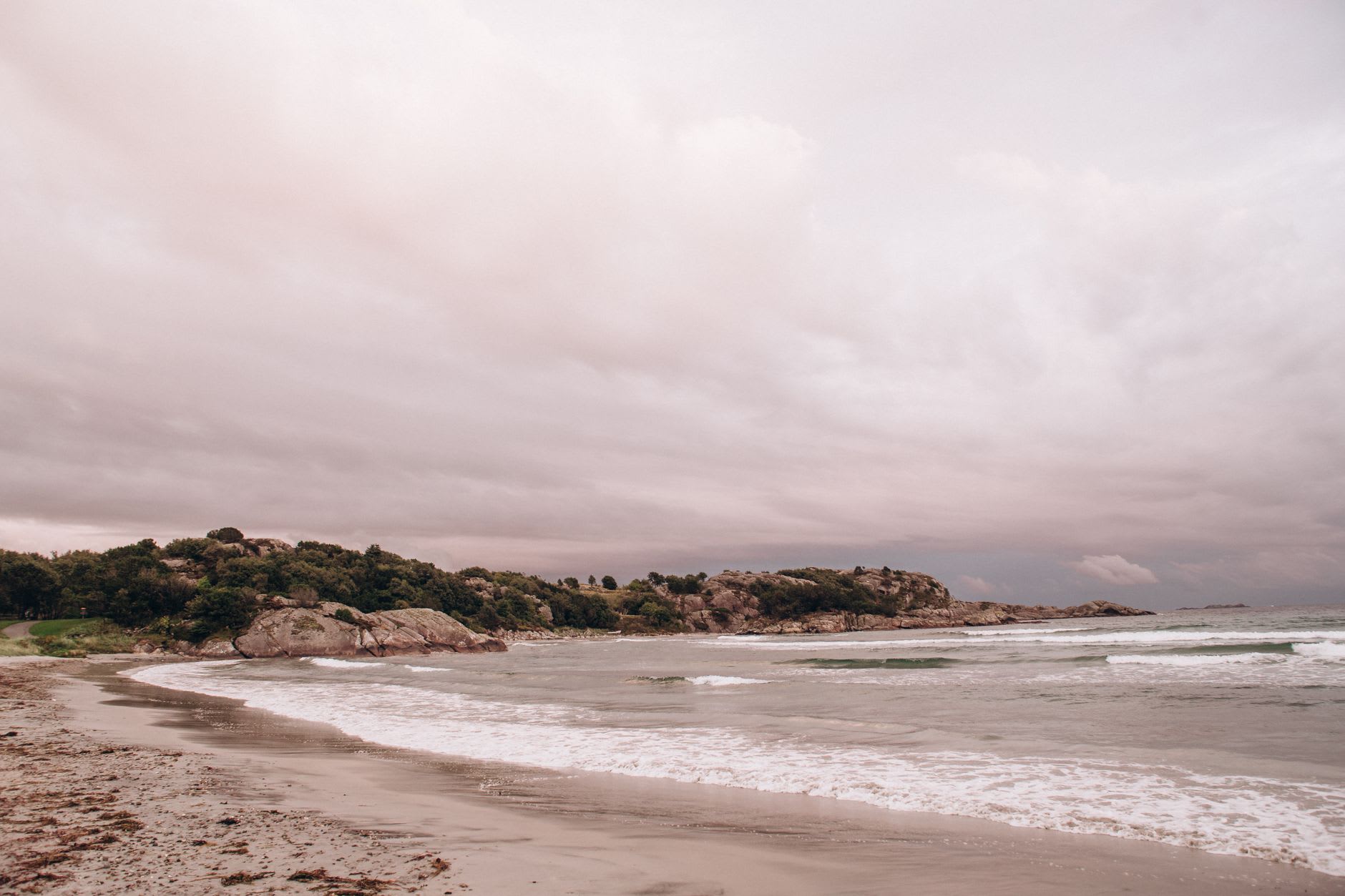
The artists came in waves starting in the late nineteenth century, drawn by what they called the Bornholm light — something about the way the Baltic air and the granite cliffs and the exposure to sky on all sides creates a quality of illumination that painters describe differently but all seem to agree is singular. The Gudhjem Museum, a small collection in a former railway station, holds work by the Bornholmers — Oluf Høst above all, who lived in Gudhjem for decades and painted the harbor, the fields, the women in the kitchen — and walking through it after the smokehouse, still tasting fish and rye, you feel a continuity between the light on the canvases and the light outside the windows that is either profound or the effect of eating well in a beautiful place. Both explanations seem sufficient.
The village is small enough to walk entirely in under an hour. The church sits above town on the hill beside the windmill, and in the evening when the day-trippers have returned to their rental cars, the harbor settles into something quieter and more itself. The family running the guesthouse above the smokehouse has been doing so for three generations. The man at the ice cream kiosk knows the fishermen by name. The cats that live on the quayside sit on coiled ropes and watch the water with the focused patience of creatures who have understood their situation perfectly.
The coastal path north from Gudhjem leads to Helligdomsklipperne — the Sanctuary Cliffs — a stretch of dramatic sandstone sea-stacks and carved rock faces where the Baltic swells against the island’s oldest geology. A boat runs from the harbor in summer to see them from the water, which is worth the twenty minutes and the mild expense. From out on the water, the cliffs are otherworldly — organ-pipe columns of striated rock rising from green water, with the forest above them and no road in sight.
When to go: June through August for the smokehouse at full operation and the coastal boat to Helligdomsklipperne running daily. Early morning in July, before the day-trippers arrive on the bus from Rønne, the harbor is entirely yours. September closes some of the seasonal restaurants but the smokehouse stays open and the light in that month has a specific amber quality that I suspect is what kept Oluf Høst painting into October.