
Christiansø
"You step off the boat and the Baltic closes behind you and there is nowhere else to be. That is the whole point."
The boat from Gudhjem takes an hour and forty minutes in reasonable weather, cutting northeast across open Baltic with Bornholm shrinking behind and nothing ahead but water until the island appears — low and flat and almost entirely man-made in its current form, the round tower of Storetårn rising above the garrison buildings and the sea walls, the whole thing looking like a model of itself rather than the actual thing. Christiansø is the main island of the Ertholmene archipelago, a cluster of tiny granite outcrops eighteen kilometers off Bornholm’s northeast coast that served as a Danish naval fortress from 1684 until the Navy handed it over to the state in 1855 and the remaining garrison families were allowed to stay. Their descendants are still there.
There are about a hundred permanent residents on Christiansø. They live in the old garrison buildings that line the interior of the island — low stone houses with thick walls built for military personnel and now maintained with a certain institutional tidiness that gives the settlement a slightly surreal quality, as though a Danish village had been transplanted inside a fortress and both parties had gradually stopped noticing the strangeness of the arrangement. There are no cars on the island because there is no room for them and nowhere to drive. There is no camping. The day-trip boat from Gudhjem brings visitors and takes them back at three in the afternoon, and when it leaves, the island returns to itself.
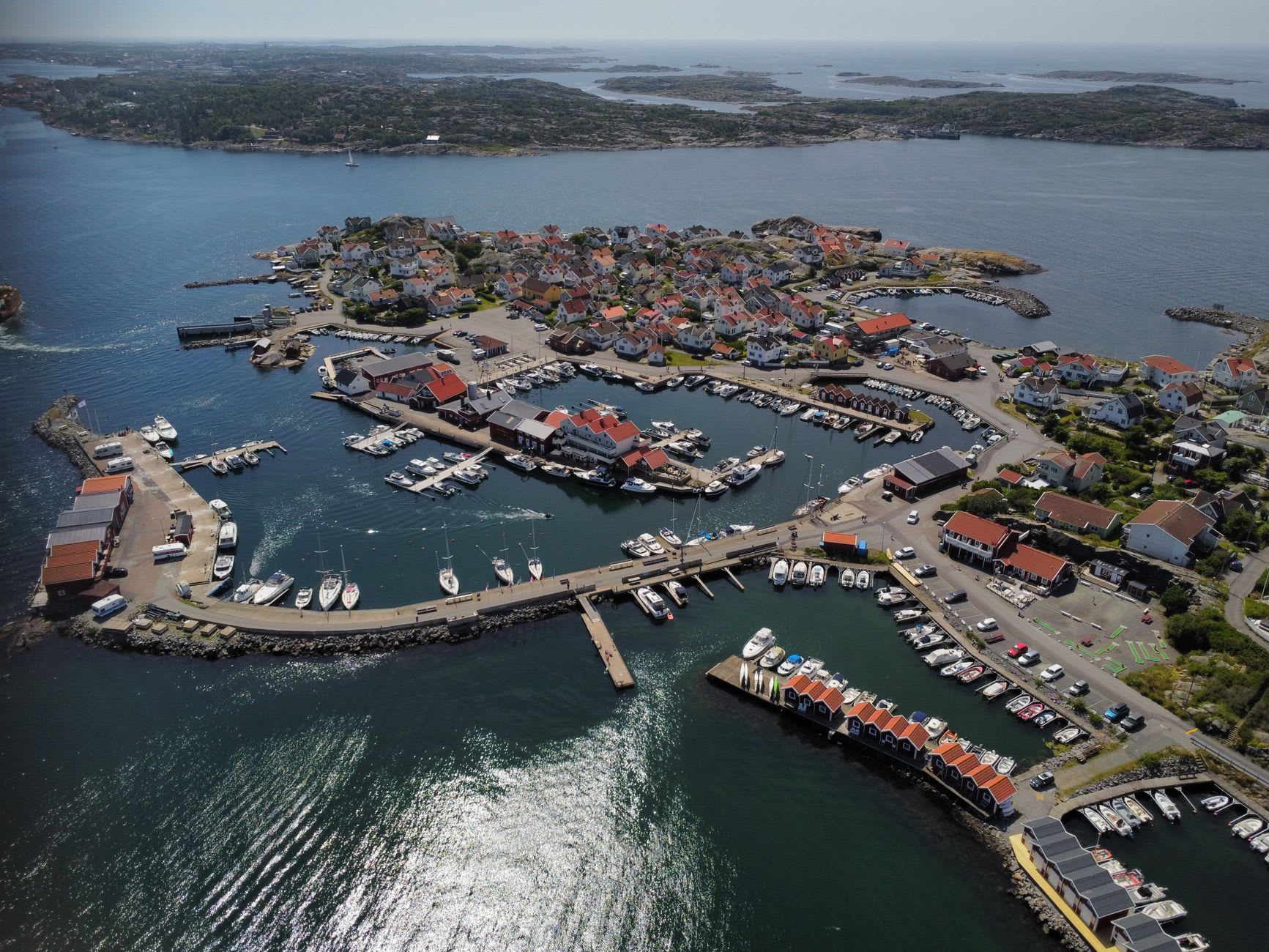
I stayed the night in the guesthouse above the small harbor, which requires booking months in advance, and the experience of being on the island after the day-trip boat left was something I have thought about often since. The population of the island at that point was about a hundred and twelve, including me. The restaurant closed at eight. The one shop, which sells essentials and a small selection of beer, closed at six. The sun set at ten-fifteen and it was still light enough to read at eleven. I walked the perimeter of the island — a circuit of perhaps two kilometers — in complete quiet broken only by the sound of the sea working against the granite sea walls and the occasional call of the elder ducks that nest in the vegetation between the path and the water. The elder duck colony here is one of the largest in the Baltic.
Frederiksø, the smaller island connected to Christiansø by a short bridge, holds the island’s other round tower and a scattering of equally old stone buildings, along with a small café and a nature reserve occupying the southern end where the path gives out and the granite drops straight into the sea. The connection between the islands over the wooden bridge with the water visible on both sides is one of those moments of geographic compression that small islands produce — the sense that you could fall off the edge of land in any direction and have to swim a very long way.
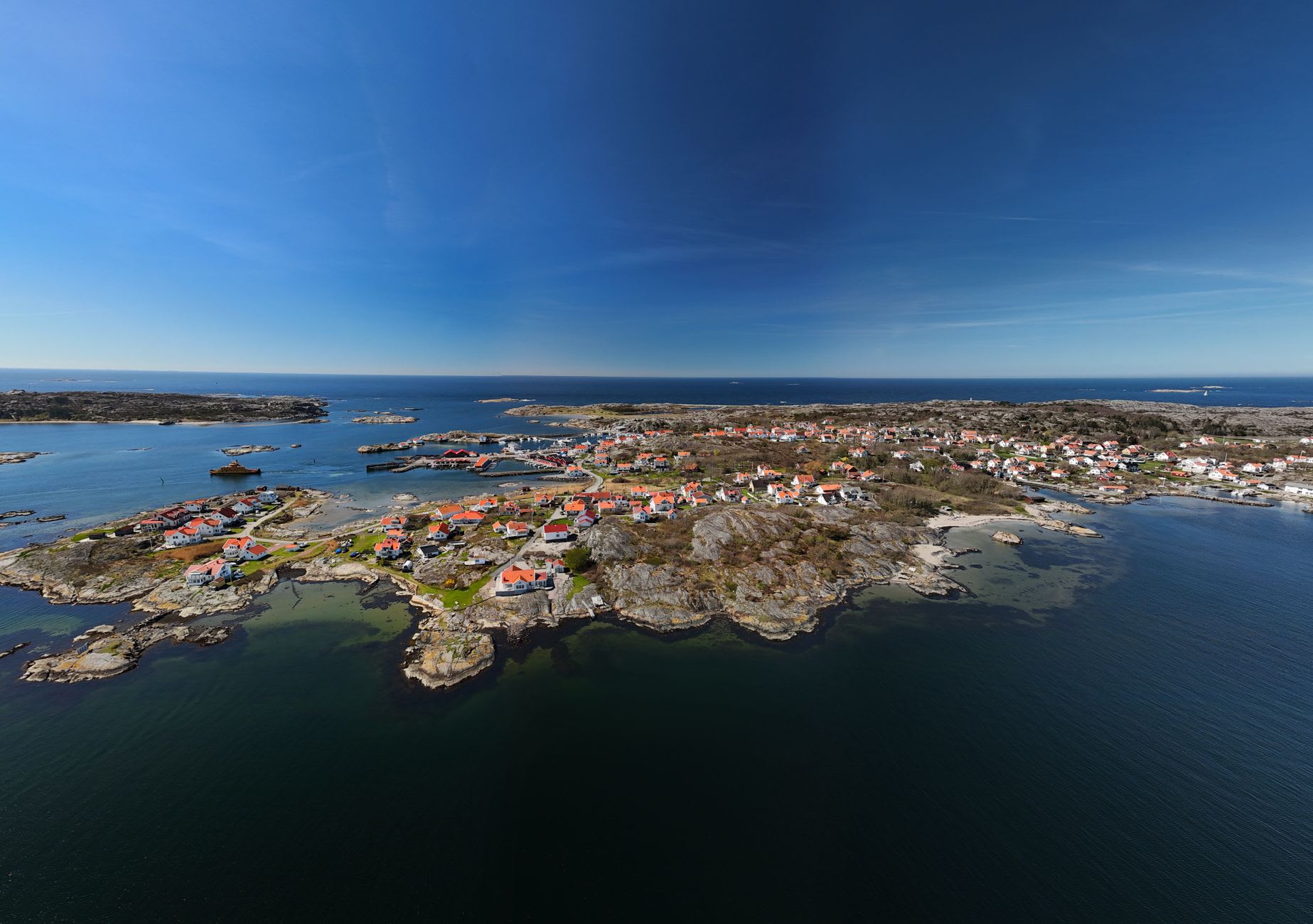
The history embedded in the buildings is absorbing in the way that living history always is more absorbing than museum history. The barracks where troops once slept are now family homes with children’s bicycles outside. The gunpowder store is a storage building for fishing equipment. The church, still operational, was built in 1735 and has a ship’s model hanging from the ceiling in the Scandinavian tradition. The whole island is under the authority not of the Bornholm municipality but of the Danish state directly, an administrative singularity that means the permanent residents pay no local taxes and live under a legal framework unlike anywhere else in Denmark.
When to go: The boat from Gudhjem runs from late April through October, typically twice daily in summer. The crossing is exposed to Baltic weather and can be rough — check conditions before booking. Accommodation on the island consists of a single guesthouse with a small number of rooms; book as early as possible, ideally six months ahead for summer nights. Coming as a day-tripper is worthwhile but staying overnight is a categorically different experience. There is no ATM on the island. Bring cash.