
Europe
Bornholm
"The ferry pulls into Rønne and you think: how has nobody told me about this place?"
A Baltic island of smoked herring, round medieval churches, and sandstone sea stacks that has somehow remained Denmark's best-kept secret despite sitting closer to Sweden than to Copenhagen.

I arrived from Copenhagen on the overnight ferry, deck coffee in hand, and watched Bornholm materialize out of the Baltic just as the sun came up — sandstone cliffs catching the early light, the smokehouse chimneys of Hasle already trailing thin white threads into the still air. I had packed for a weekend and stayed twelve days. That is the kind of island it is.
Bornholm sits in the Baltic Sea closer to the southern tip of Sweden than to any other part of Denmark, and that geographic isolation has given it a character distinctly its own. The round churches are the first thing everyone mentions — four of them, twelfth-century fortified towers with conical roofs and whitewashed walls that look like nothing else in Scandinavia — and they deserve the attention, though what surprised me more was how the island’s interior opens up between them: rye fields, cherry orchards, and the Almindingen forest, the third-largest forest in Denmark, all threaded by cycling tracks that the Danes use with a seriousness I found immediately contagious. I rented a bike in Rønne on day two and did not return it until the morning of my ferry back. The island is sixty by thirty kilometers. It fits.
The food runs through smoked fish the way Oaxaca runs through mole — it is the organizing principle of the place. Røgeri smokeries line the harbor at Hasle and Allinge, their chimneys burning alder wood, selling whole smoked herrings through hatches that open directly onto the street. You eat standing up, with dark rye bread and cold butter, and you wonder briefly why the rest of Europe has not figured this out. Gudhjem, on the northeast coast, has a harbor-side smokery where they serve sol over Gudhjem — a smoked herring on rye with a raw egg yolk, radishes, and chives — that I ate three times in two days and could have eaten every day after. The local Svaneke Bryghus brewery makes a smoked porter that pairs with all of it better than anything else you will find on the menu.
When to go: Late May through early September is ideal — long Baltic days, the cherry trees in bloom through June, and enough warmth to swim off the white-sand beaches at Dueodde in the south. July is the peak of the summer festival season, with jazz in Rønne and the Bornholm Art Museum drawing crowds, but the island absorbs visitors better than most places its size. April and October offer emptier roads and the particular melancholy of a Baltic island between seasons, which has its own appeal.
What most guides get wrong: They frame Bornholm as a day trip or long weekend from Copenhagen, which technically it is — two hours on the ferry or forty-five minutes by plane — but the island only gives itself up slowly. The smoked fish requires unhurried mornings at the harbor. The round churches need to be visited across different hours of the day, when the light changes. The cycling routes between the hamlets of Svaneke and Nexø reveal a version of the place that no itinerary captures. Bornholm is not a list of sights. It is a pace, and you have to stay long enough to adopt it.
Explore
Places in Bornholm
 bornholm-island
 Allinge-Sandvig
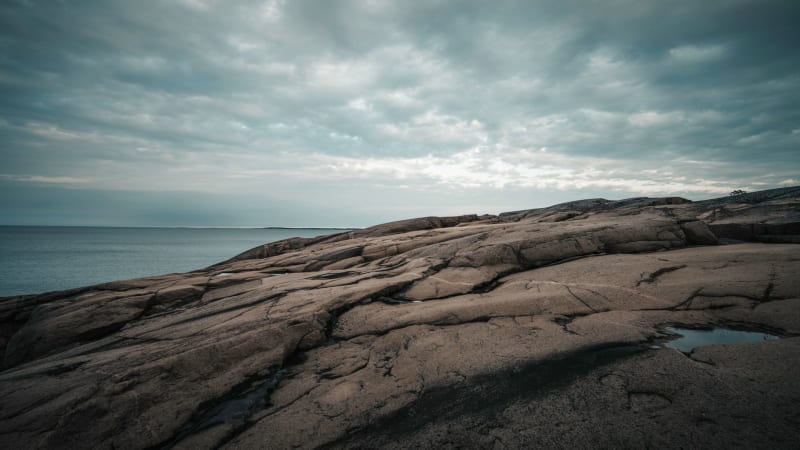
The twin towns at Bornholm's northern tip, where a granite coast, an Iron Age smokehouse smell, and a famous summer of political shouting all share the same small harbor.
Explore bornholm-island
 Almindingen
Bornholm's ancient central forest holds echoing valleys, Denmark's most surprising viewpoint, and cycling trails that go on longer than you think an island this size has any right to offer.
Explore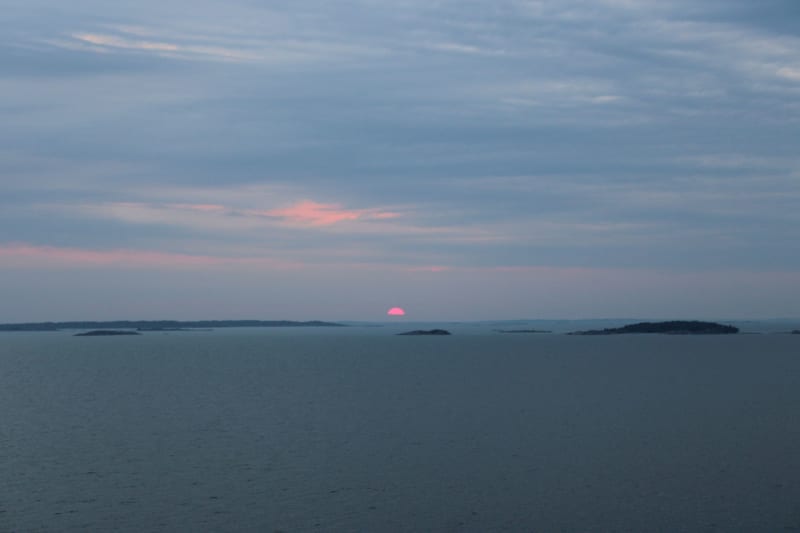 bornholm-island
 Christiansø
A fortress island eighteen kilometers off Bornholm with a hundred residents, no cars, no camping, and a sense of being at the absolute edge of the inhabited world.
Explore bornholm-island
 Dueodde
The southernmost tip of Bornholm: a lighthouse, a forest of wind-bent pines, and the finest white sand beach in the Baltic — the sand so pure it was once used to blot ink.
Explore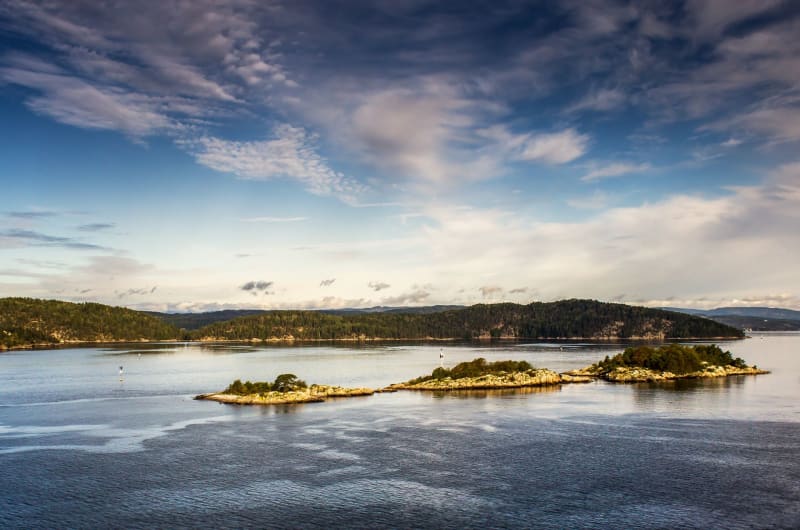 bornholm-island
 Gudhjem
A harbor village stitched into a clifftop where the smokehouse serves the dish that made this corner of the Baltic famous and the light is something painters keep coming back to catch.
Explore bornholm-island
 Hammershus
The largest medieval castle ruin in northern Europe, balanced on a granite headland above the Baltic — the kind of ruin that makes you wonder why you spent time visiting lesser ones.
Explore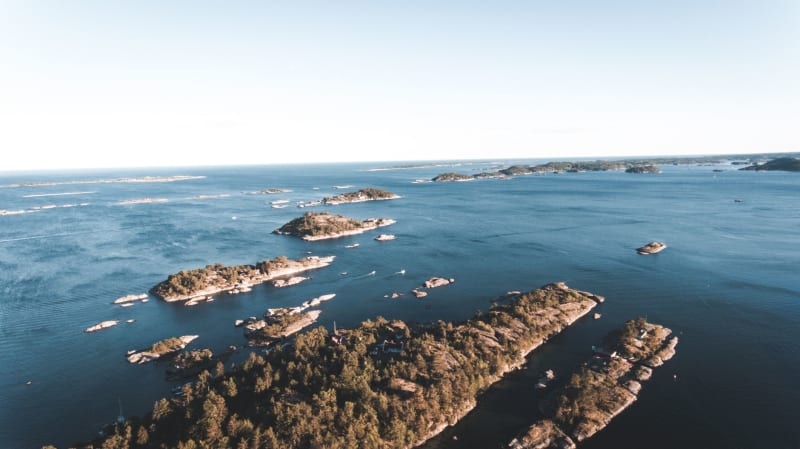 bornholm-island
 Hasle
The west coast smokehouse town where alder-wood chimneys run all day and you eat your herring standing up at a harbor hatch with the wind off the Baltic in your face.
Explore bornholm-island
 Jons Kapel
A jagged granite chapel of rock above the Baltic, reached by a punishing staircase and a hermit's legend.
Explore bornholm-island
 Nexø
Bornholm's working southeast harbor town, birthplace of a Nobel-nominated novelist, with a granite quarrying past that left the whole coast rough and beautiful.
Explore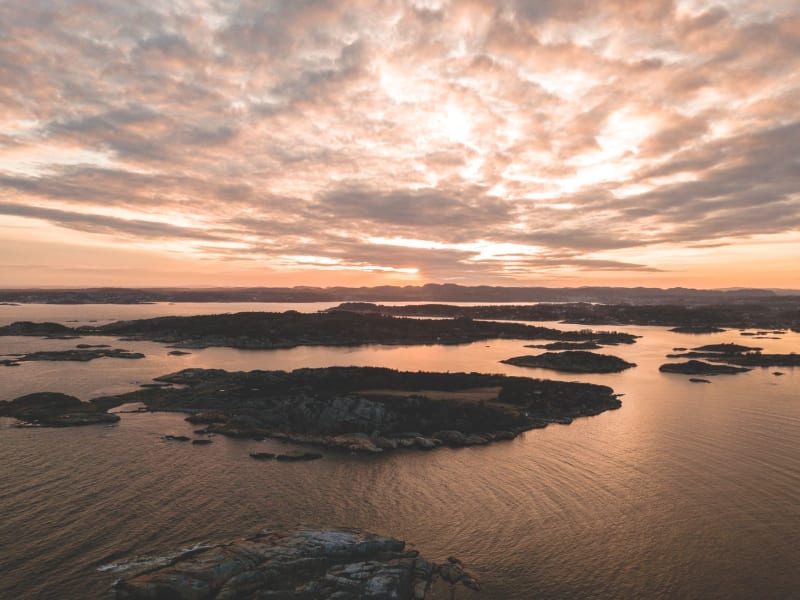 bornholm-island
 Østerlars Rundkirke
The largest and strangest of Bornholm's four round churches — a twelfth-century whitewashed fortress of faith that looks like nothing else in Scandinavia and demands to be stood inside.
Explore bornholm-island
 Paradisbakkerne
A tangle of granite boulders, moss, and quiet forest in southeastern Bornholm that feels like nowhere else on the island.
Explore bornholm-island
 Rønne
Bornholm's port capital rewards anyone who lingers past the ferry terminal with half-timbered streets and a harbor that smells perpetually of smoked fish.
Explore bornholm-island
 Svaneke
The prettiest town in Denmark by several accounts, with a brewery that makes a smoked porter and streets so well-preserved they look staged but definitely are not.
Explore