Sandakan
"Sandakan holds its history the way a bruise holds its colour — faded, but present if you look."
The Sandakan Memorial is not large. A low stone monument, a plaque, a garden maintained with the careful plainness of a place that knows any ornamentation would be wrong. I stood there on a Tuesday afternoon in the middle of dry season and there were two other visitors, both Australian, both silent. The Death Marches that departed from this town in 1945 — three forced marches through the Sabah jungle, in which 2,400 Allied prisoners of war died and only six survived — are not well known outside Australia and among historians of the Pacific war. In Sandakan they are remembered with the specific quietness of a wound that never fully healed.
The town itself sits on a bay where the Sulu Sea meets the mangrove coast of northeast Sabah. It was once the capital of British North Borneo, a trading port for timber and edible bird’s nests and the rubber that funded the colonial administration’s ambitions. The old town is mostly gone — bombed flat in 1945 — but the replacement is a sprawling, functional port city with a morning fish market that begins before dawn and is finished by eight. I arrived at the market just as it was winding down, the concrete floor still wet, the air thick with the smell of salt and ice and the indeterminate sweetness of fresh-killed fish. Stalls sold barramundi, squid, all varieties of reef fish whose names I didn’t know, and what the vendors called kurau — threadfin — which is apparently excellent and which I failed to find at any restaurant that evening.

Agnes Keith’s house sits on a hill above the town, restored to its pre-war state: wide verandahs, jalousied windows, the kind of airy colonial domestic architecture designed for a climate where shade and airflow are survival strategies. Keith was an American writer who lived here in the 1930s with her husband, a forestry officer, and wrote Land Below the Wind — still one of the most honest and affectionate accounts of colonial life in Borneo, which is a lower bar than it sounds but she clears it easily. The house museum holds her furniture, her books, and the particular quality of silence that restored period houses have when they’re good.

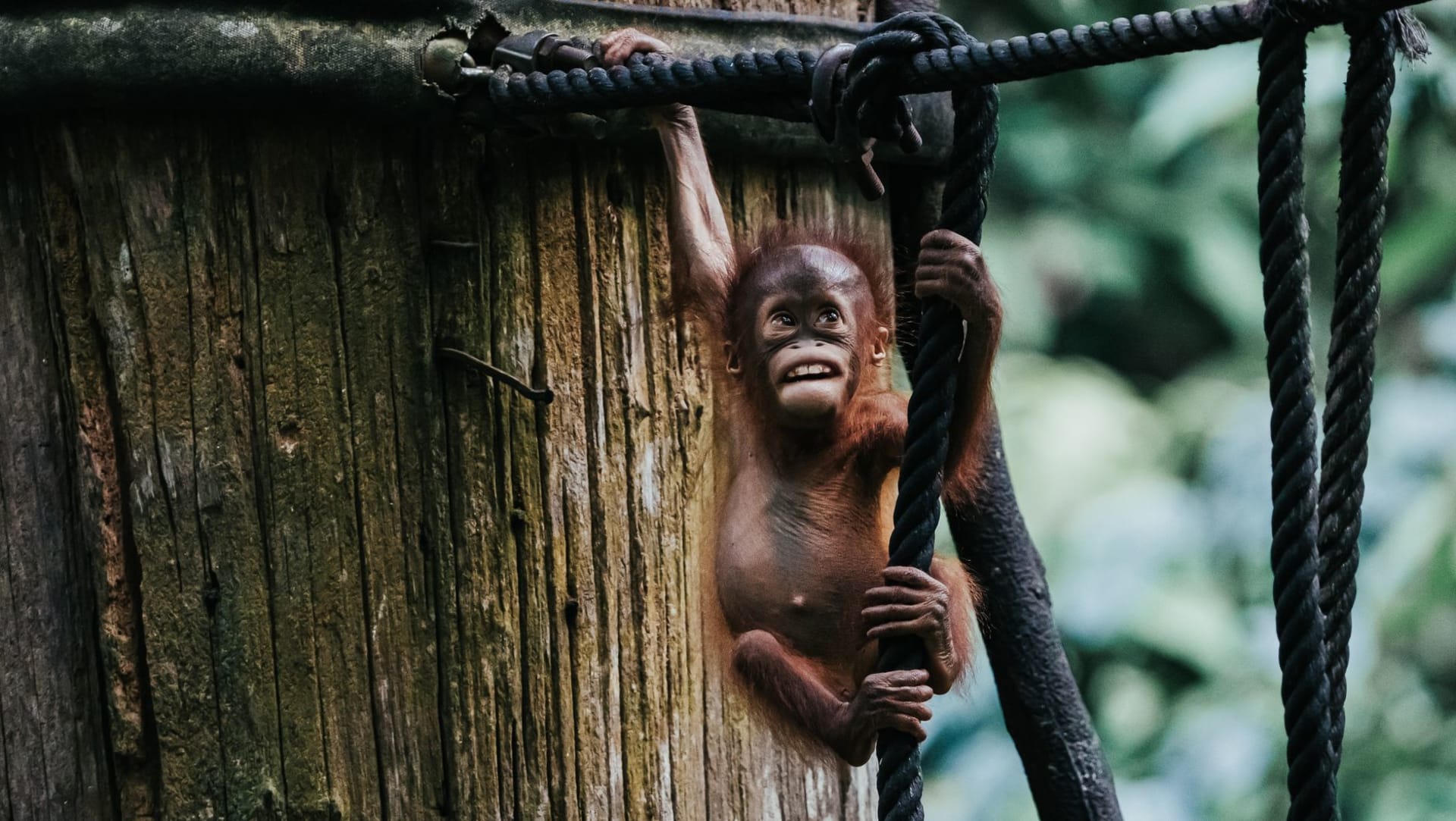
The town’s position within Sabah’s wildlife corridor is what brings most visitors here now. Sepilok is a 25-minute drive. The Kinabatangan lodges are two hours to the southwest. Sandakan functions as a serviceable base for the eastern Sabah wildlife circuit, with mid-range hotels and a useful ferry connection to the islands and the Philippines beyond. It is not a destination in itself exactly, but it rewards a night or two. The food stalls along Jalan Pryer in the evening serve steamed fish and char kway teow and, if you find the right stall and look like you’re interested, suggestions about what you should have ordered instead.
When to go: March through October aligns with the dry season and the best access to nearby wildlife areas. The memorial is worth visiting any time of year — weather is incidental to what that place requires of you. The fish market is best caught early, before 7am, when the buying is still active and the variety is full.