
Mulu Caves
"Three million bats leave Deer Cave every evening. You do not need a more emphatic argument for biodiversity."
The ranger told us to sit on the benches outside Deer Cave’s entrance at 5:15pm and wait. The cave’s mouth is enormous — a cathedral arch of limestone forty-five metres high, backlit by the last afternoon sun on the jungle canopy outside. We sat and we waited and at 5:47pm the first bats appeared. A dark thread from somewhere deep in the cave’s darkness, moving fast. Then more. Then more again, until the thread became a river, became a torrent, became a column of three million wrinkle-lipped free-tailed bats spiralling out of the cave’s mouth and bending across the tree line in a helix that could be seen from the river. The sound was the sound of tearing cloth, multiplied and sustained. It lasted forty minutes.
Gunung Mulu National Park sits in the interior of Sarawak, reachable only by a short flight from Miri or a long river journey, and it holds what UNESCO has called the most significant scientific cave system in the world. The statistics are genuine superlatives: Sarawak Chamber, inside Gua Nasib Bagus, is the largest known cave chamber on earth — 700 metres long, 400 metres wide, 70 metres high — large enough to contain forty Boeing 747s, a measurement that is both meaningless and the only one that works. Clearwater Cave has the longest cave passage in Southeast Asia. Deer Cave, where the bats live, is one of the largest cave passages by cross-section on the planet.
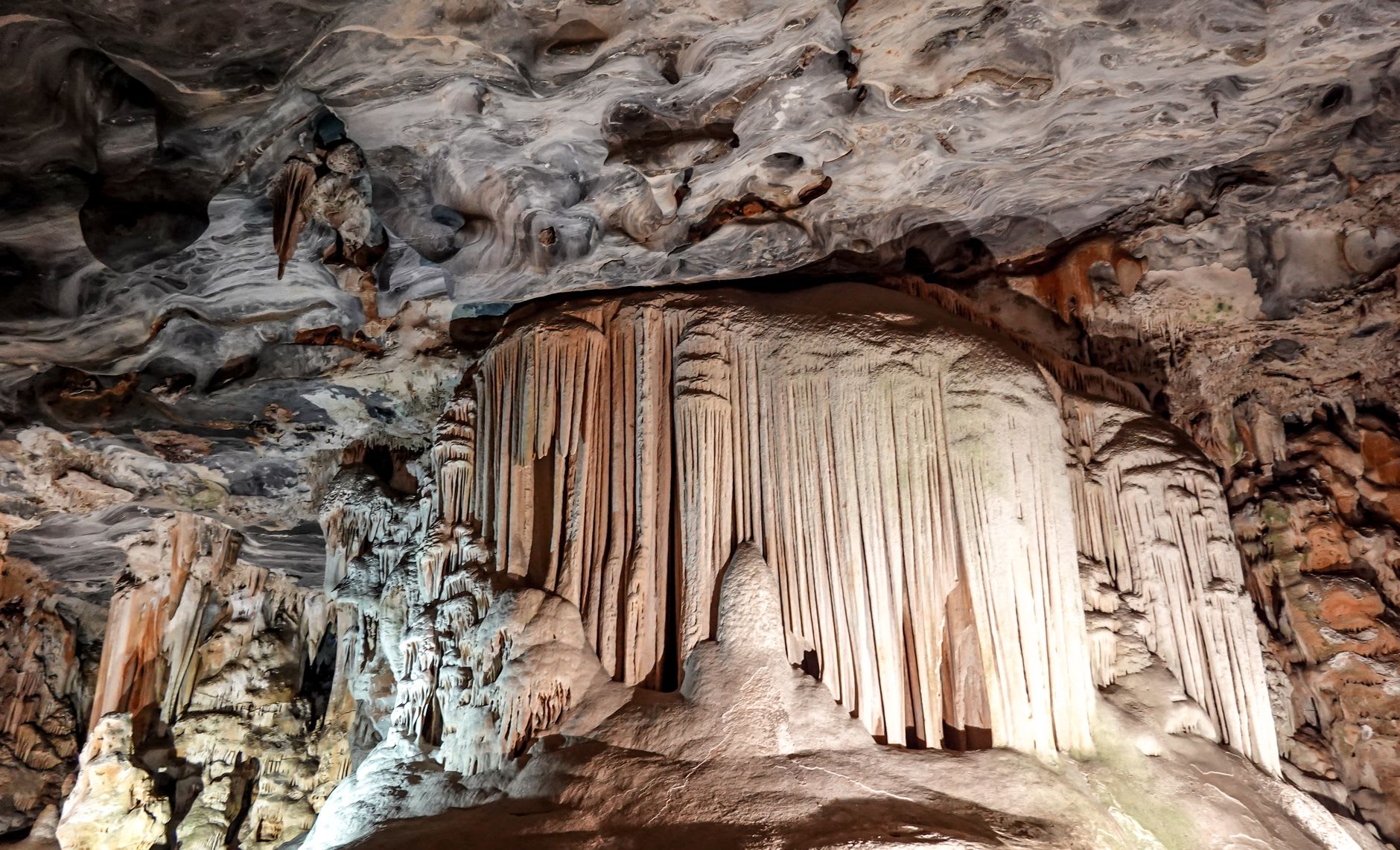
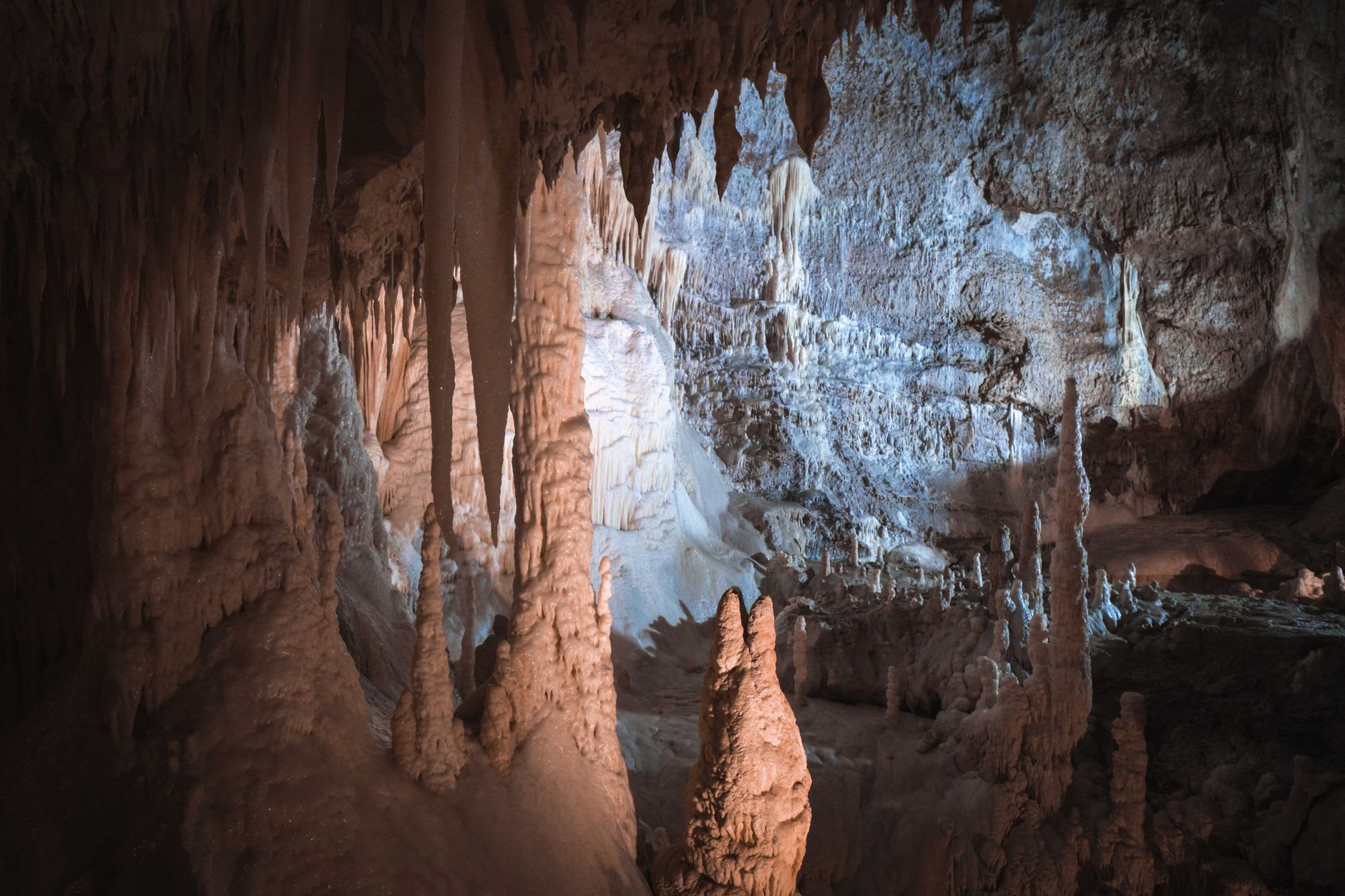
The caves require guided access, which is the right policy and also surprisingly pleasant once you surrender to it. The guides from the local Penan and Berawan communities know the formations by name, carry stories about the cave system’s exploration history, and move through the dark with an ease that makes you realise how recently this was all unmapped. Wind Cave is the most formally beautiful — a series of chambers with stalactites so dense and elaborate they look like organic architecture, lit with a restraint that avoids the usual heritage site garishness. The boardwalks keep feet off the living rock floor, where cave crickets and blind catfish navigate a world of pure pressure and chemical sense.
Beyond the caves, the park’s rainforest has its own argument. The plankwalk between sites moves through peat swamp forest and limestone hill forest — the vegetation shifting visibly as the substrate changes, pitcher plants and rare orchids at the margins, hornbills in the upper canopy. The Headhunters’ Trail, a multi-day trek to the Limbang River that follows the route of historical Kenyah raids, is one of the more serious walks in Sarawak for anyone willing to commit three or four days to the forest. Most people don’t. The short show cave circuit, the bat exodus, and a night at the Royal Mulu Resort or the park hostel is the standard visit, and it is more than sufficient.
When to go: May through October sees lower rainfall and more stable walking conditions on the park trails. The bat exodus happens year-round regardless of weather — the bats depart every evening unless there is active lightning over the entrance area. Book your caving permits ahead; the more adventurous adventure caving experiences (Sarawak Chamber, Clearwater) have strict group size limits and fill up weeks in advance.