
Varna
"Six thousand years of gold in a room no bigger than a classroom — Varna keeps the world's oldest treasure as though it were entirely normal."
The thing that undoes you in Varna — the thing you can’t prepare for — is a room on the second floor of the Archaeological Museum where a display case holds the Varna Gold: several hundred pieces of worked gold jewellery and ornament dated to approximately 4,200 BCE, making it the oldest gold artefacts ever found on earth. A man was buried with this — a man who lived before writing, before the wheel, before the Bronze Age even properly began — and someone took the time to make these small golden tubes and beads and pendants with a skill and intention that is unmistakably art. I stood in front of the case for a long time and felt something I can only describe as vertigo in reverse: not the fear of falling but the shock of a very long distance suddenly made real.
The museum is on a broad boulevard of fin-de-siècle architecture — the kind of confident European civic building that Sofia overbuilt and Varna hit more gracefully. Around it, Varna functions as a real city: a university, working port, ferry terminal, covered market, evening promenade culture. The Bulgarian habit of walking the central boulevard in the hour before dinner — dressed, purposeful, greeting people — feels particularly alive here. The main pedestrian street in the evening has the warmth of a city that still uses its own public space.
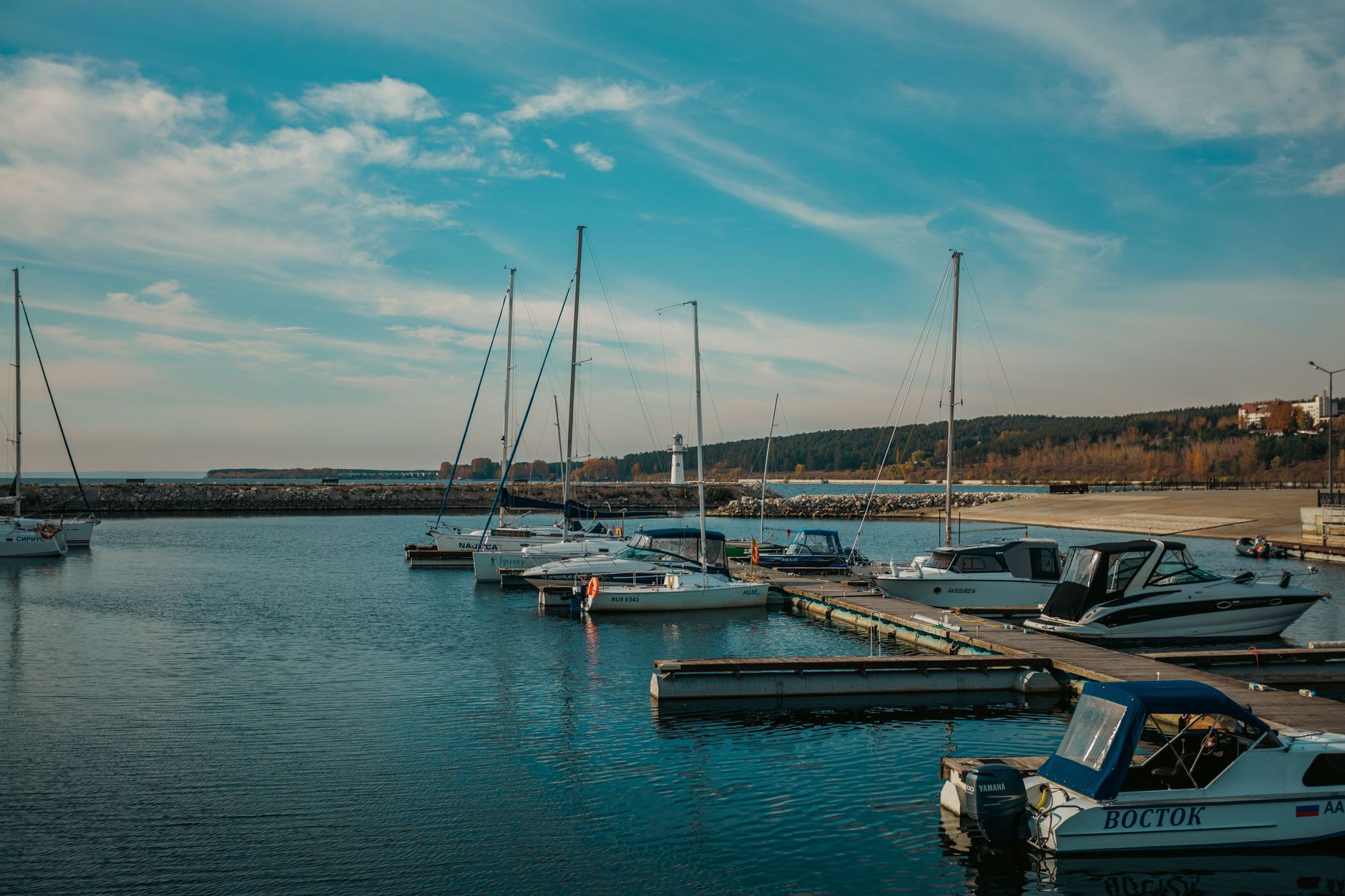
The Sea Garden is what makes Varna’s urban layout distinctive: a wide park that runs along the coast for several kilometres, planted with plane trees and Mediterranean pines, where the path eventually reaches a cliff edge with views across the water. The park was designed in the 1880s and has the confident proportions of that era — broad allées, fountains, a small zoo that nobody seems to have told is old-fashioned. In the morning before the heat sets in, the garden belongs to joggers and old men reading newspapers on benches. By evening it fills with families and couples and teenagers at a specifically Bulgarian register of relaxed sociability.
I ate well in Varna in ways I didn’t fully expect. Bulgarian wine has improved dramatically in the last decade, and the restaurants in the Sea Garden area were pouring bottles from Thrace and the Danube region that deserved more attention than they were getting. Shopska salad — tomato, cucumber, roasted pepper, and grated white sirene cheese — appeared with every meal and tasted different at each place, because the vegetables were in season and the sirene was always local. I had a fish soup at a restaurant behind the cathedral that had the deep, slightly muddy complexity of Black Sea water in edible form. This is meant as a compliment.
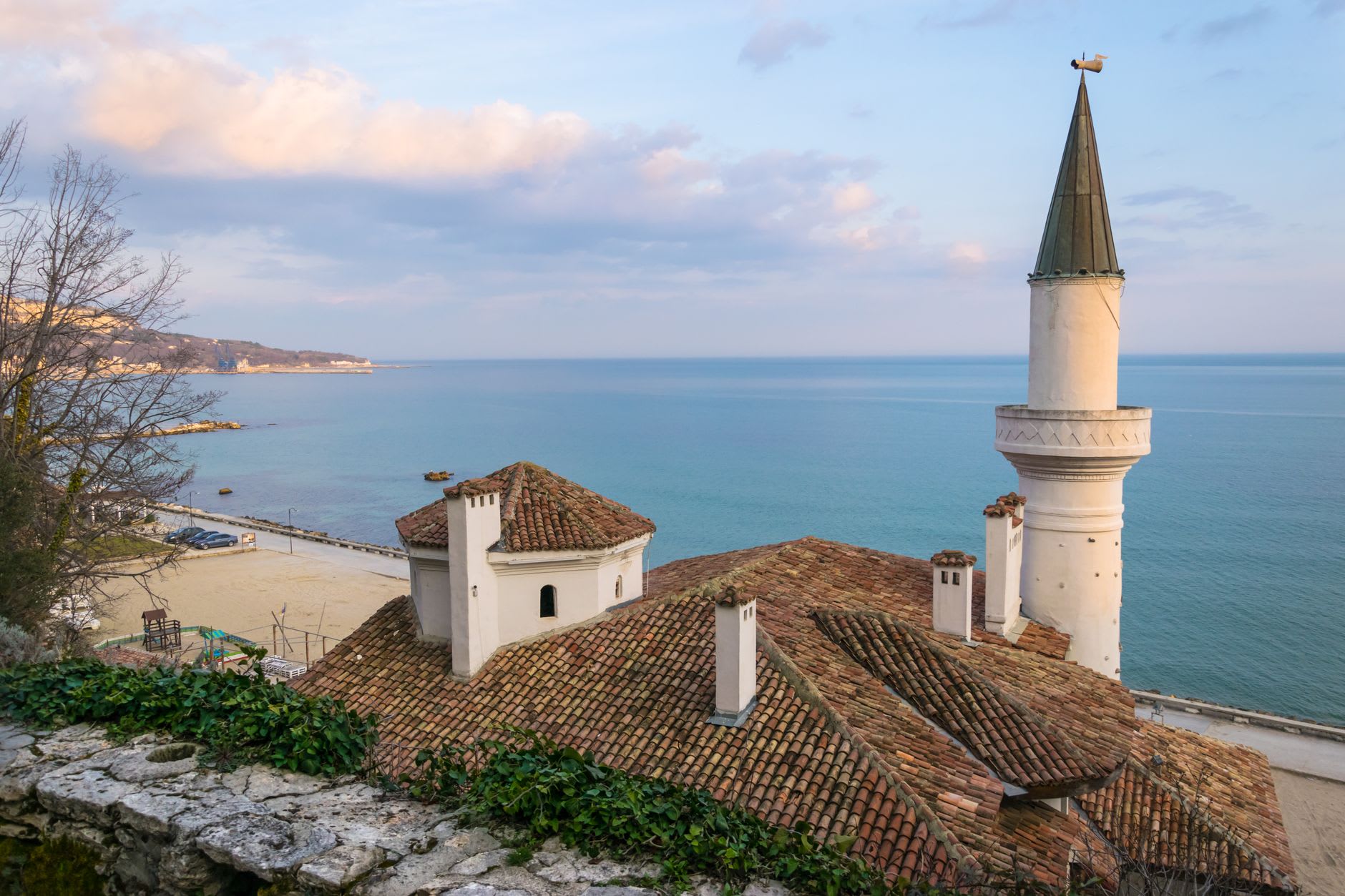
The Roman baths, discovered under the modern city, are Europe’s third-largest surviving Roman thermal complex — an underground warren of warm rooms and cold rooms and walls still reaching several stories high, visible through a fenced archaeological park in the city centre. Visiting them after the gold museum gives you Varna in its full temporal depth: Neolithic burial, Greek colony, Roman provincial capital, Bulgarian city. All of it in about four square kilometers.
When to go: May and June or September. The beaches adjacent to Varna fill in July and August, and the city itself gets correspondingly lively, which some people will love and others find exhausting. The museum, obviously, is excellent year-round.