
Vama Veche
"The wine is rough and the conversation goes until three — Vama Veche is the last place on this coast where that still feels like a plan."
You can’t stumble onto Vama Veche. It sits at the absolute southern end of the Romanian coast, one village before the Bulgarian border, and the only reason to be there is because you went specifically. The bus from Mangalia drops you at a crossroads and the village extends toward the sea through a mess of campsites and hand-painted signs advertising cold beer and live music. The first time I arrived I thought I’d made a mistake. I had not made a mistake.
The backstory matters here: during communism, Vama Veche was one of the few places in Romania where the state’s grip loosened slightly — a naturist beach, technically, which meant nudity was allowed, which in practice meant it became a gathering point for intellectuals, artists, and people who couldn’t quite fit into the enforced normality of Ceaușescu’s Romania. After 1989, that counter-cultural DNA embedded itself in what the village became: a place where Romanian alternative musicians, writers, and eventually just people who’d heard about it came to drink cheap wine and stay up late and argue about things. The infrastructure never caught up. This is a feature, not a bug.
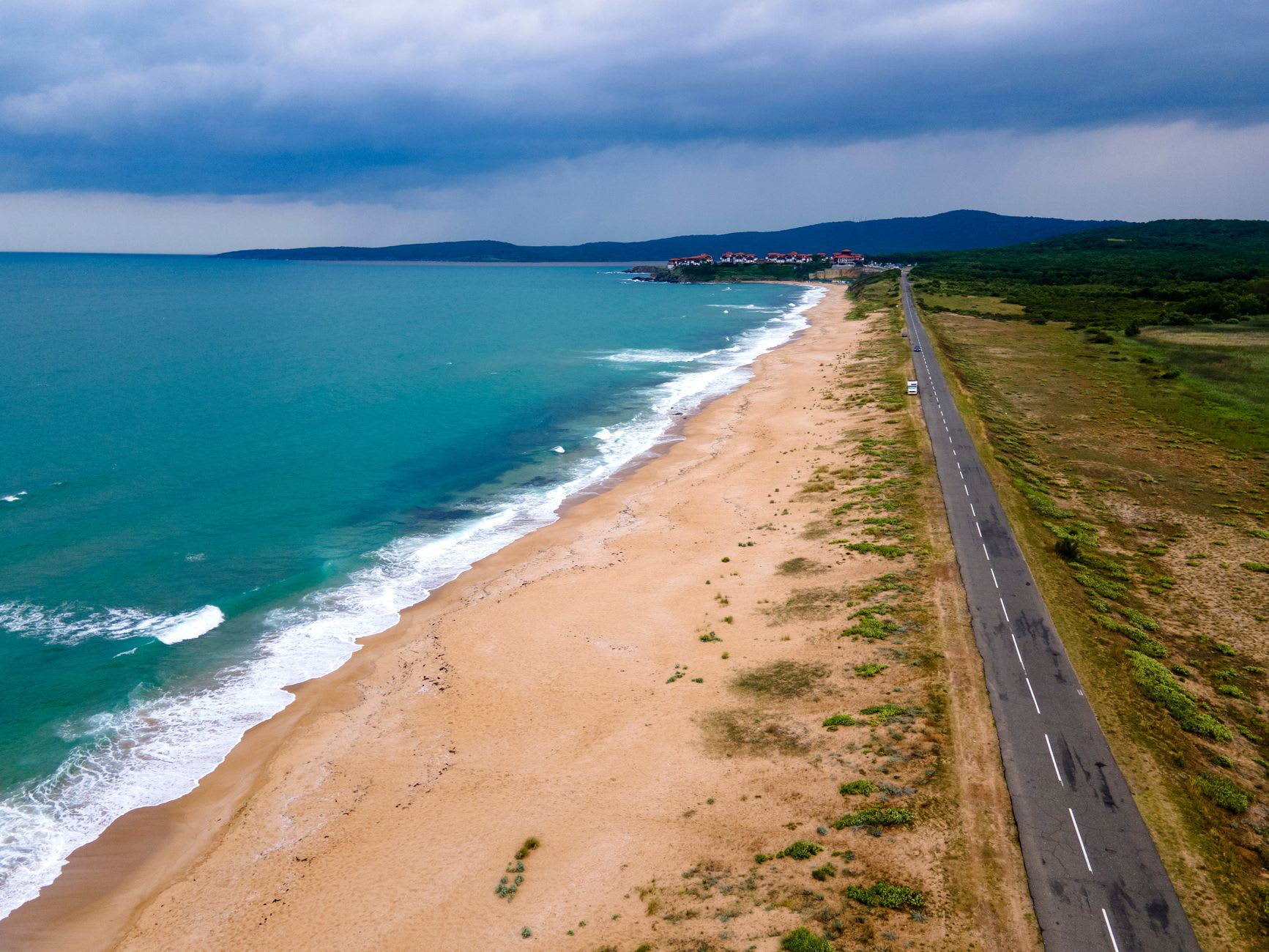
The beach itself is wide and sandy, which distinguishes it from much of the Romanian Black Sea coast, and in the morning before anyone has woken up it has the particular clarity of a place used hard by people who care about it. I walked it at seven one morning when the only other people were a woman swimming breaststroke parallel to shore and two dogs investigating the tideline. The sea was cold and greenish and the sun was coming up over the water — the Black Sea faces northeast here and catches early light differently from west-facing coasts — and the charred rings from the previous night’s fires were still smouldering slightly in the sand.
The evenings are the thing. There are perhaps a dozen small bars and restaurants in Vama Veche, mostly running from May through September, and the programming is live acoustic music, folk and rock and the kind of Romanian indie that exists in its own ecosystem and sounds unlike anything from further west. You drink wine from plastic cups. The conversations that start around ten o’clock at the table next to you involve people of three or four nationalities and range across politics and literature and the question of whether this particular spot on the Romanian coast can hold out against development for another decade. The consensus is cautious. The people returning every summer vote yes with their presence.
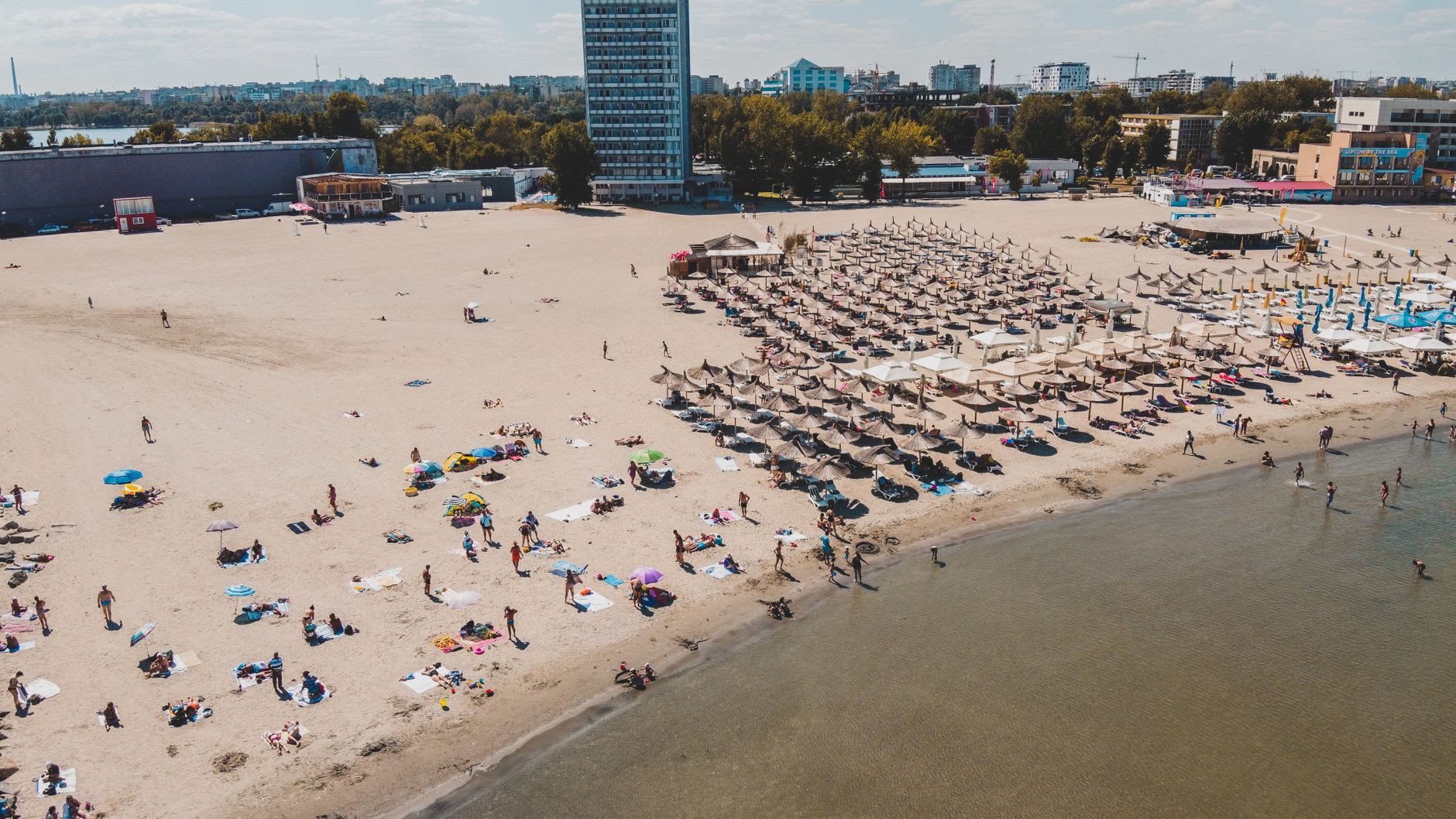
I met a Romanian architect here who had been coming since the 1990s, first as a student, then with her children, now without them since they’d found it too rough. She showed me a photograph on her phone of the same beach from thirty years ago — fewer buildings, same fires, different faces doing exactly the same things. “It’s not perfect,” she said, refilling both our cups. “But it’s ours.” The wine was, as promised, rough. The conversation went until three.
When to go: June through August — this is emphatically a summer place and there is no meaningful off-season here. July has the fullest programming and the densest crowds; early June and September offer the atmosphere with room to breathe. The camping is basic and the bar infrastructure is seasonal, so don’t arrive expecting permanence.