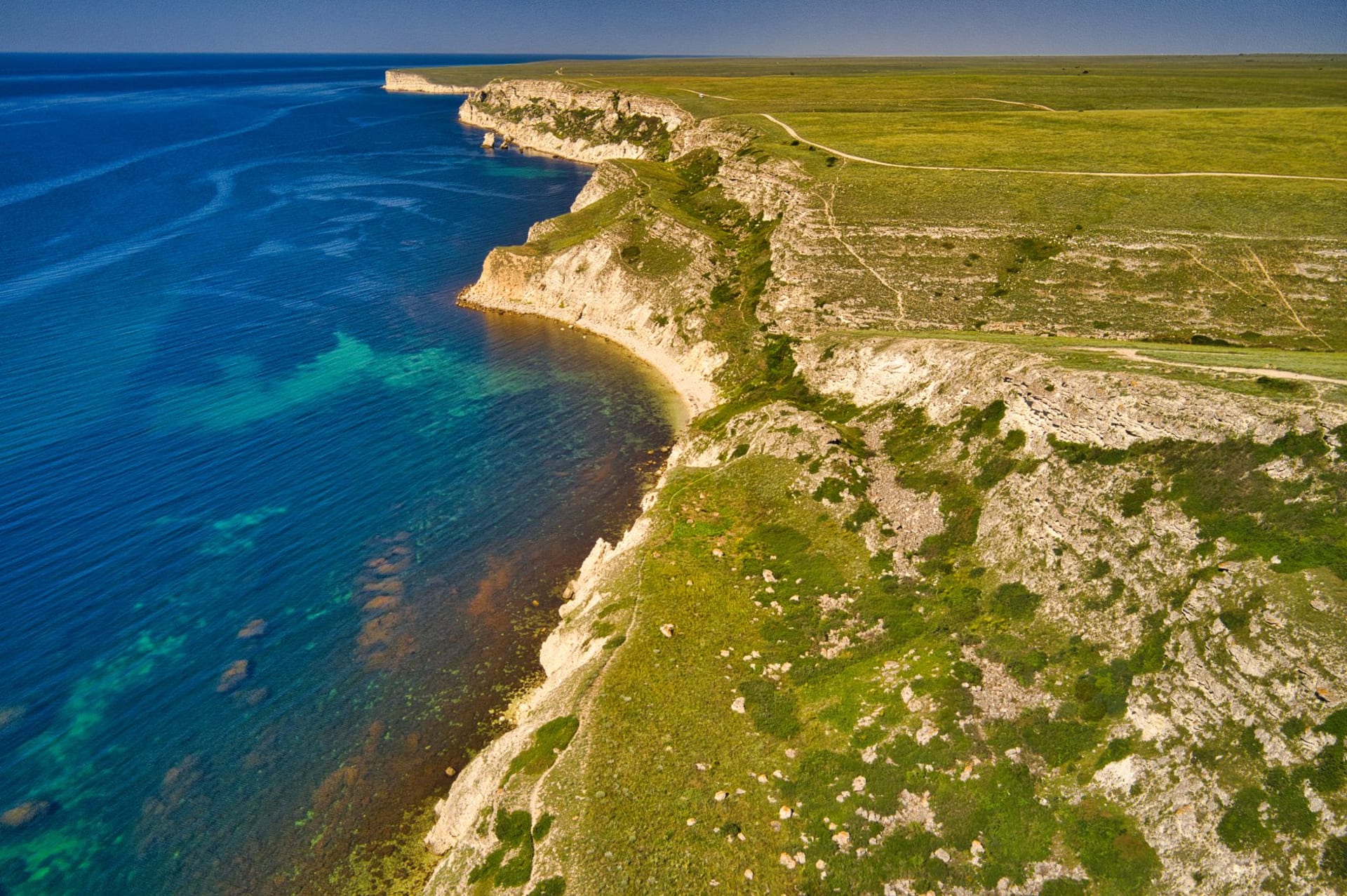
Sulina
"The Danube arrives at Sulina exhausted — having crossed half a continent, it gives itself up to the sea without ceremony."
To reach Sulina you take a boat. There is no other reasonable way. The ferry from Tulcea runs three times a day in summer, two in winter, threading through the Danube Delta’s Sulina arm — the straightened channel that 19th-century engineers cut through the delta’s labyrinth of reed beds to improve navigation — and for two and a half hours you pass through one of Europe’s strangest landscapes: flat, reedy, wide, the horizon so low and unbroken that the occasional willow tree appears dramatic. Pelicans stand on sandbars. Cormorants dry their wings on exposed logs. A fisherman in a wooden boat lifts a net without looking up as the ferry passes. I stood on the deck the entire journey and arrived in Sulina slightly altered.
The town at the end of the channel is the end of several things. End of the Danube, which gives up its last water here into the Black Sea after a journey of almost three thousand kilometres from Germany. End of Romania, more or less, with nothing east of here except open water until Ukraine. End, in a sense, of European history in the form that produced cities: Sulina’s peak was the 1860s through 1900s, when it was the seat of the European Commission of the Danube, a multilateral body that administered river navigation, and the town’s cosmopolitan mix of Greeks, Romanians, Turks, Italians, Britons, and Lipovan Russians gave it a character entirely out of proportion to its size. What remains of that era is a lighthouse, a few crumbling neoclassical buildings, and a cemetery.
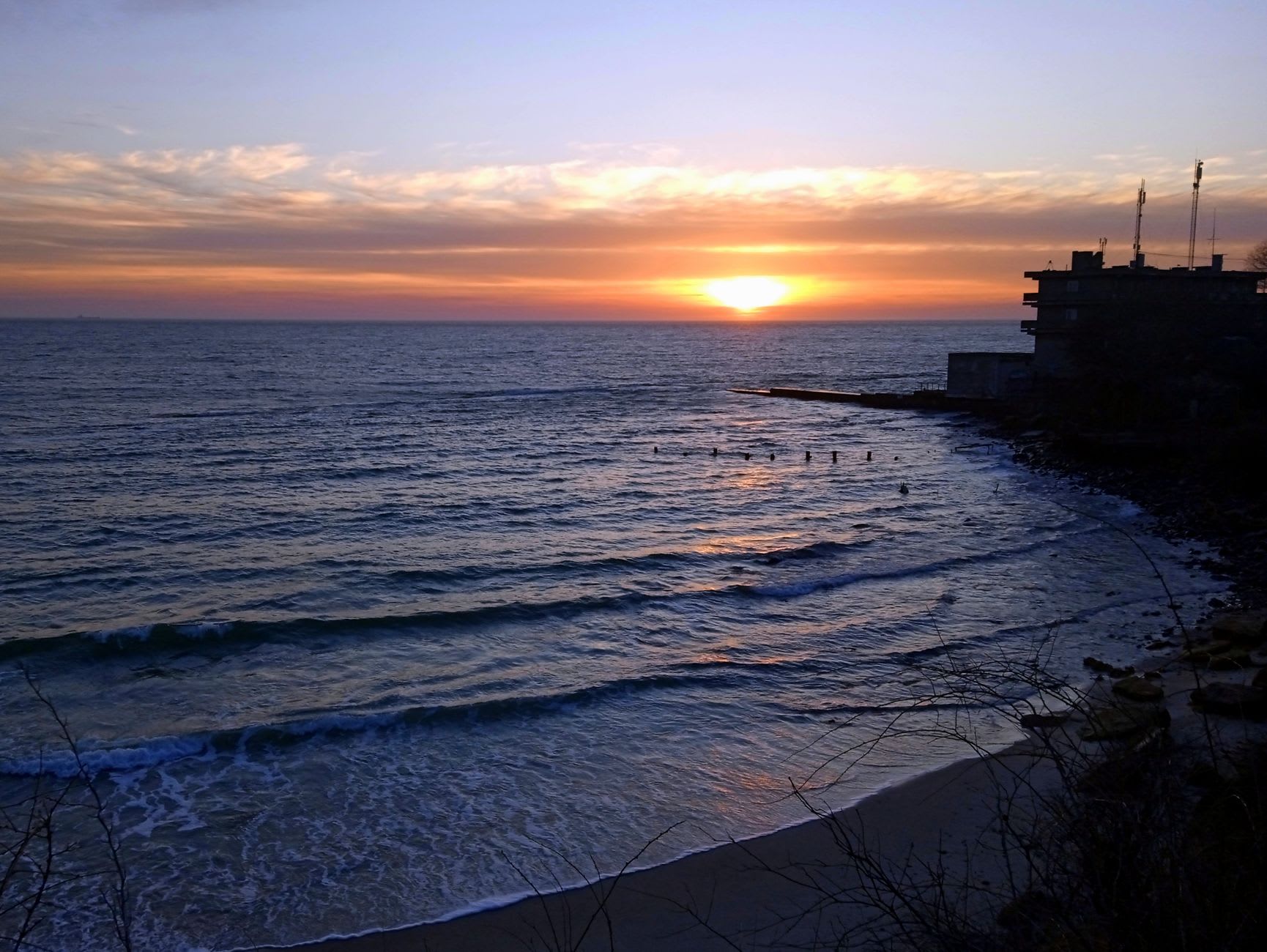
The cemetery is the place that gets to you. Walking through it is walking through Sulina’s cosmopolitan history in condensed form: headstones in Greek, Romanian, Turkish, Russian, Italian, Hebrew, and Arabic, all within a hundred meters of each other. Ship captains from Liverpool buried next to Greek merchants next to Ottoman officials next to Jewish traders from the delta towns. The inscriptions are worn but legible. The weeds grow between the graves with the thorough neutrality that plants bring to human affairs. A cat was sleeping on a warm marble slab when I visited. The afternoon was very quiet. Out beyond the cemetery wall, through the reeds, I could hear the sea.
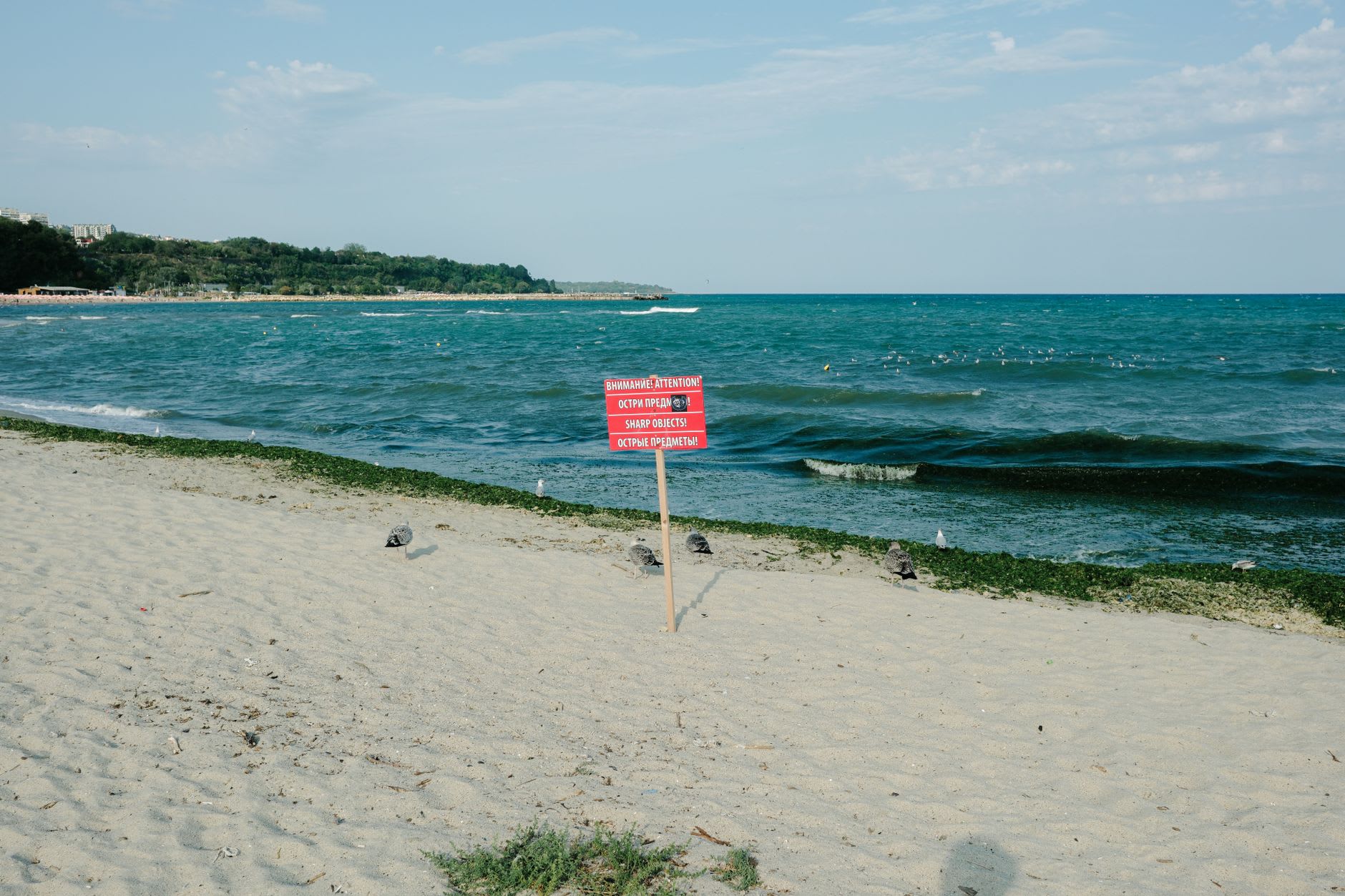
The beach at Sulina extends north from the channel mouth for kilometres without a human structure — sand dunes and marram grass and the Black Sea running cold and clear. I swam here and was entirely alone for an hour except for the pelicans wheeling overhead. The water at the Danube’s mouth mixes river and sea in proportions that shift with the season and the weather, and the colour on the day I swam was a pale jade, opaque, nothing like the deep water of the open coast. Swimming in it felt like swimming in the delta itself, in all those accumulated kilometres of river.
There are perhaps two restaurants open at any given time in Sulina, which serves to concentrate culinary attention. I ate carp several ways — baked, smoked, made into a spread with oil and garlic and lemon — at a place near the quay where a Lipovan Russian family cooked and served without ever using menus. The Lipovans are Old Believer refugees who came to the delta in the 18th century to escape Russian Orthodox persecution and have maintained their language and traditions here ever since. The grandfather at this restaurant spoke Romanian, Russian, and a little Greek. The carp was exceptional.
When to go: May through September for the ferry schedule and the wildlife. June and July are pelican breeding season in the delta and the birds are everywhere. Autumn brings migrating flocks. Winter is extremely quiet — the town essentially closes — but the delta in November light has a particular melancholy grandeur that some people find worth the effort.