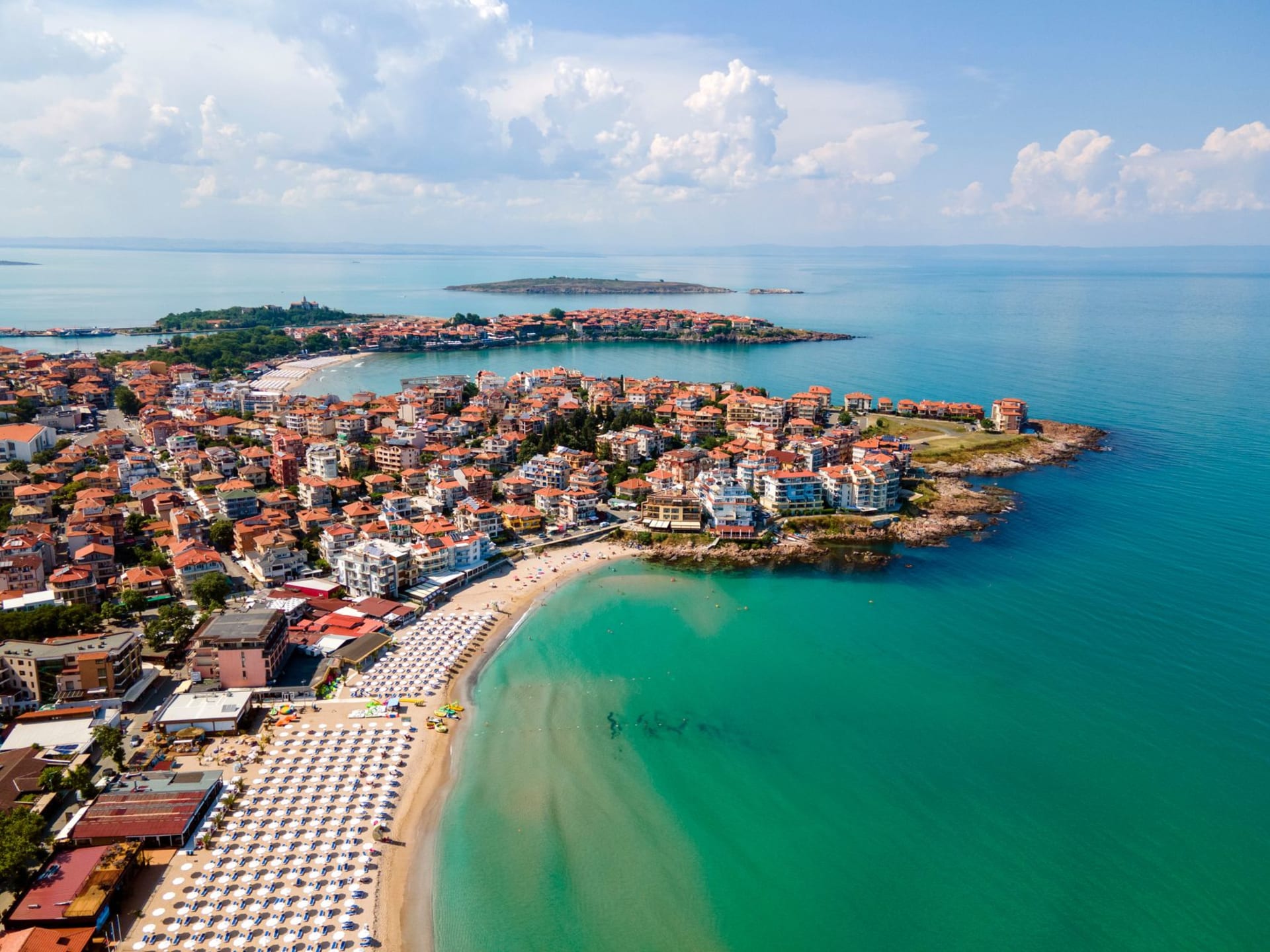
Sozopol
"One glass of rakiya at a harbour table in May and Sozopol starts to feel like the only place on this coast that got things right."
I found Sozopol by following the advice in a notebook — somebody had written “go south, past Burgas, rocky peninsula, wooden houses, the real one” in pencil on a page I’d kept. I took the bus from Burgas in late September when most of the season had already wound down and the families with children had gone home to Sofia and the cafés were beginning to put their chairs away for winter. The town that emerged from the cypress trees as the bus rounded the headland was exactly what the note had promised: a tangle of old timber houses on a narrow rock spit reaching into a sea the colour of old glass.
Sozopol was Greek before it was Bulgarian, and before that it was Apollonia — the Apollo colony planted here in the seventh century BCE, which exported wine and oil and bronze anchors to the wider Aegean world. Very little of that first layer survives above ground, though the archaeological museum in town has a collection of Greek ceramics and anchors that gives you the ghost of it. What you see instead, walking the cobblestone lanes of the old town on the peninsula, is the Black Sea vernacular architecture that developed here over several centuries: two and three-story houses with wooden facades painted in faded blues and greens, upper floors overhanging the narrow streets, open wooden verandas where you can stand and see the sea on both sides of the promontory simultaneously.
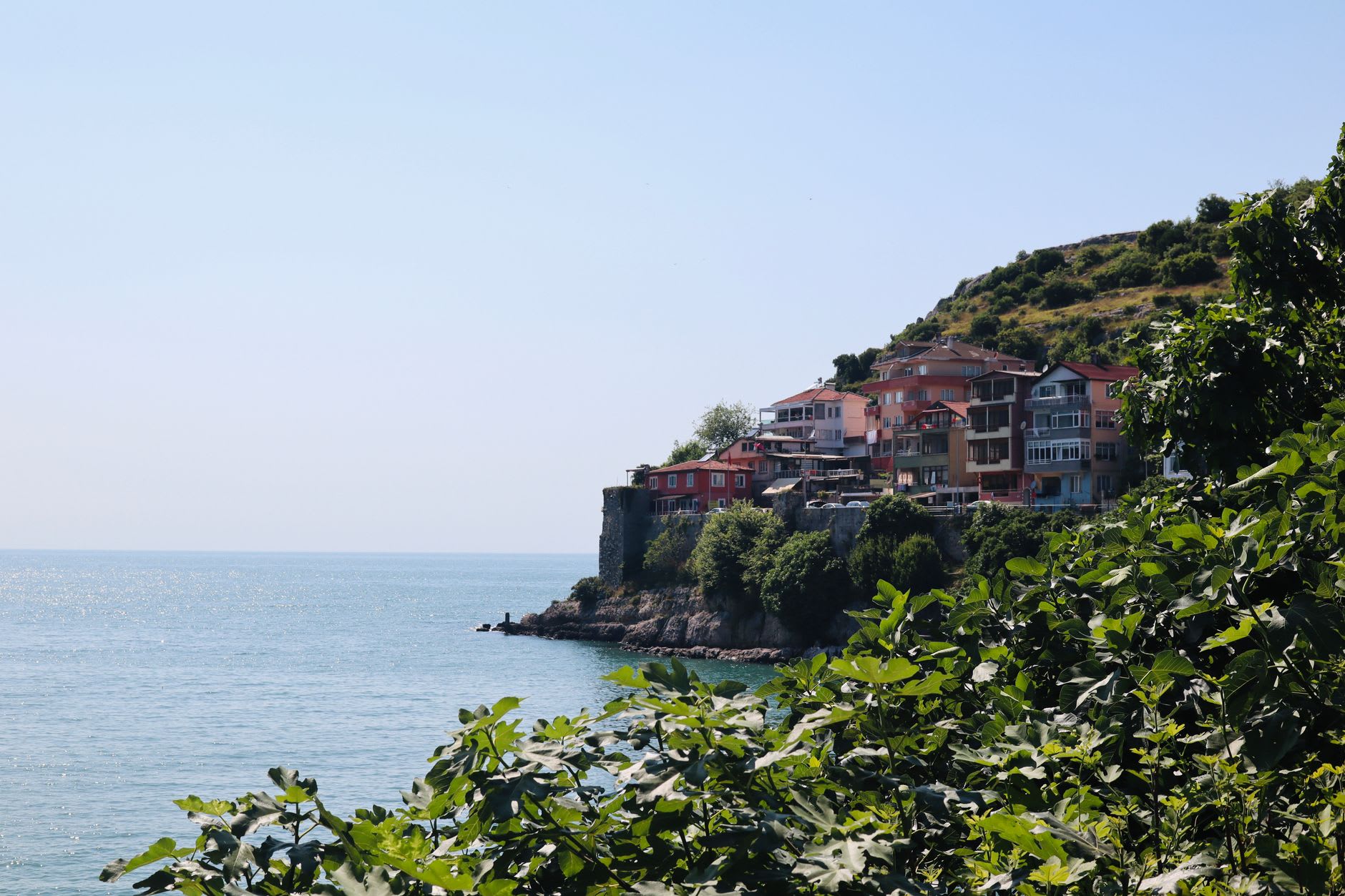
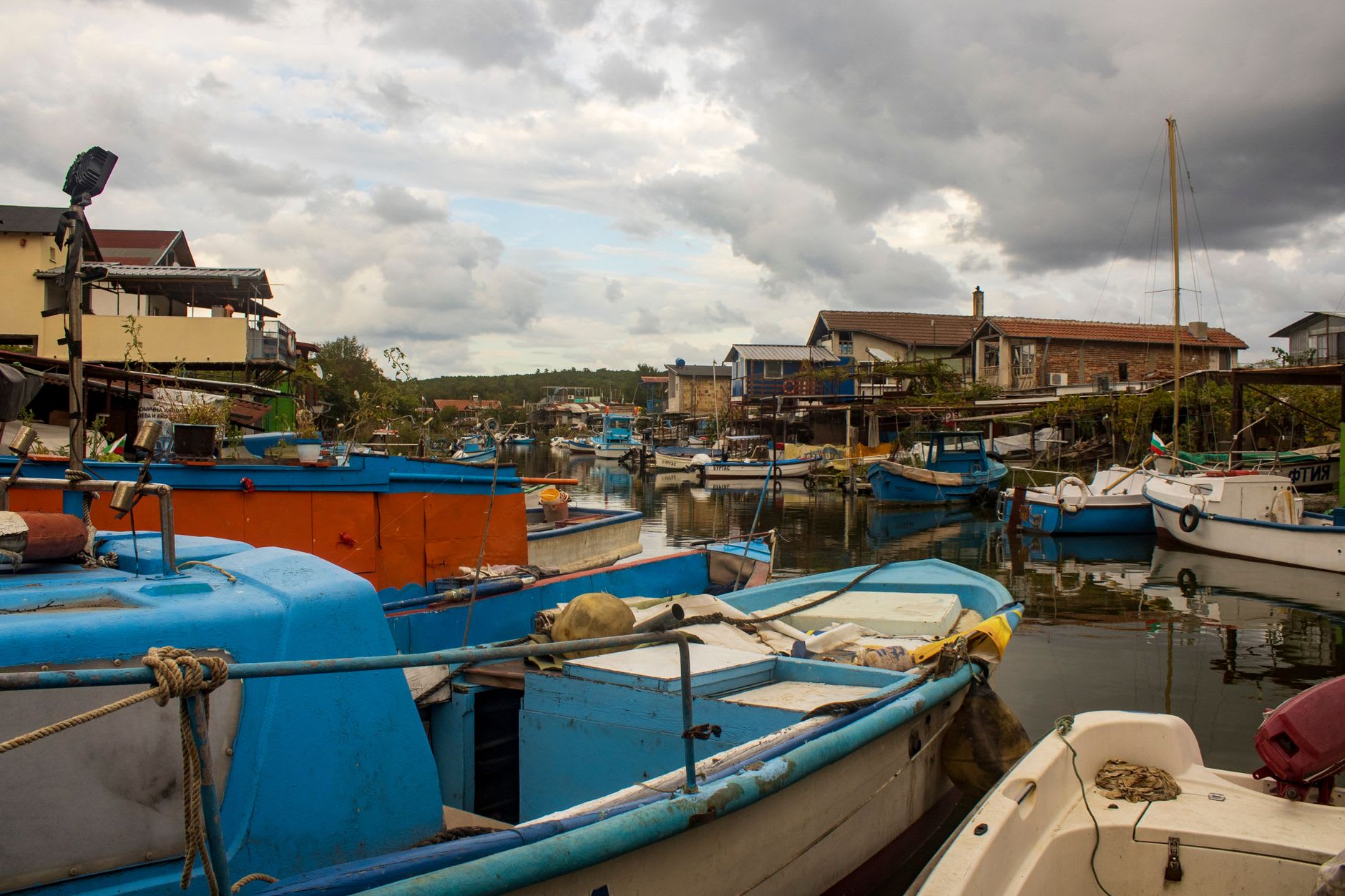
The fishing harbour on the southern side of the peninsula was where I spent most of my time. Small boats — some wooden, some fiberglass — rocked in the protected water and the men who owned them moved around with the unhurried quality of people whose working day begins at three in the morning and ends by noon. A small fish restaurant at the harbour’s edge served whatever had come in that morning: turbota, cherno more kalamari, sometimes scorpionfish. I had a plate of fried bluefish with bread and an order of tarator for two lunches running. The fish was fresh in a way that made me aware of how seldom I eat fish that fresh. The rakiya came without asking and cost, as Pierre had been told it would, almost nothing.
The town’s religious calendar is still alive here in a way it isn’t in larger Bulgarian cities. The church of Saints Cyril and Methodius on the promontory tip holds its walls together with obvious effort — mortar crumbling, wooden iconostasis darkened with candle smoke — but on the feast days I saw women bringing flowers from their gardens to arrange around the icons, and old men sitting outside in the sun arguing about theology in the way that Eastern Orthodox men of a certain generation do. The religion here is lived-in, worn smooth, not performed for visitors.
In August Sozopol hosts Apollonia Arts Festival — theater, music, literature in the old town — and the place briefly fills with a creative Bulgarian crowd that transforms its atmosphere. The rest of the year the town belongs to itself, and that self, in the shoulder seasons, is quietly tremendous.
When to go: May and early June, or September. The sea is still warm enough to swim in September and the crowds have gone. May the wisteria and roses that climb the wooden house facades are in bloom. July and August it’s busy and beautiful and worth it if you don’t mind sharing the cobblestones.