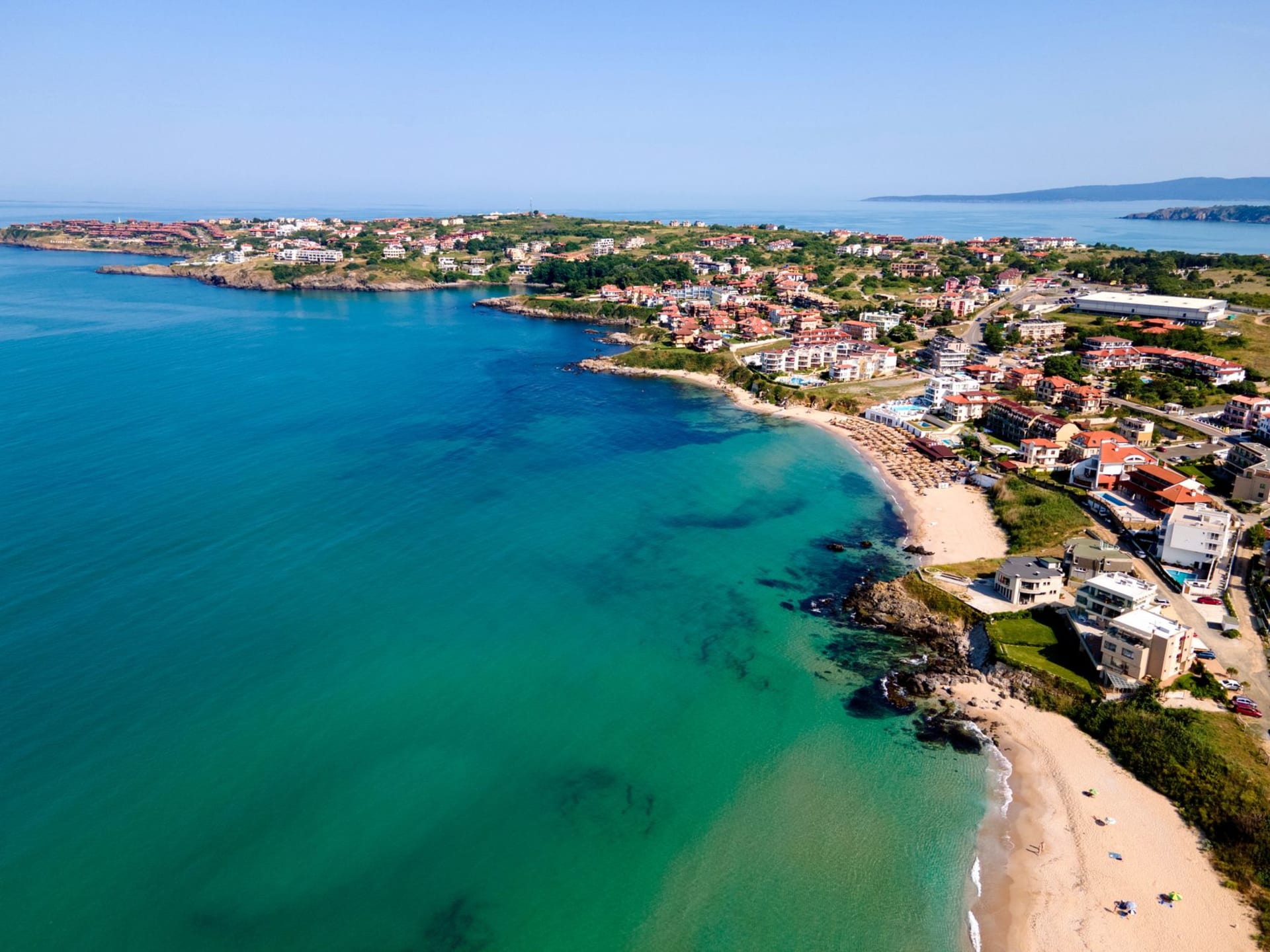
Sinop
"The birthplace of Diogenes, the man who needed nothing — Sinop rewards exactly that kind of traveller."
Sinop is the kind of city that philosophers come from. Not because the surroundings are particularly edifying but because sitting on a peninsula at the absolute northernmost point of Turkey, surrounded on three sides by sea and on the fourth by a wall built and rebuilt over two thousand years, you arrive naturally at the conclusion that everything you brought with you is probably unnecessary. Diogenes thought so. He was born here sometime around 400 BCE and went on to live in a barrel in Athens and tell Alexander the Great to get out of his sunlight. The city has been quietly pleased about this ever since.
I arrived by bus from Samsun in the late afternoon, when the light over the harbour was doing something genuinely extraordinary — a flat gold that turned the fishing boats orange and made the old Genoese walls look briefly Roman (they partly are). The taxi from the bus terminal to the old peninsula took ten minutes and cost less than a coffee back home. My guesthouse was inside the walls, on a lane so narrow the building’s wooden balconies almost touched overhead. The smell from the harbour — salt, diesel, cold stone, frying fish — came in through the window all night.

The fortress walls are the main thing, architecturally — a circuit of stone that has been Hellenistic, Roman, Byzantine, Seljuk, and Ottoman at various points in its life, with each civilization adding to and cannibalizing from the previous one. Walking the intact section along the western coast you are directly above the sea: the Black Sea below is a particular shade of dark teal on overcast days, almost ink-like, heavier somehow than Mediterranean water, and the sound of it against the rocks below the wall carries upward in a way that makes conversation difficult. I found I didn’t mind.
The old prison, which operated from Ottoman times until 1996, has been converted into a museum and a cultural center. This sounds grim and isn’t — the building is an extraordinary piece of Ottoman institutional architecture, and the museum inside covers Sinop’s history with the kind of idiosyncratic detail that small regional museums do better than major ones. There is a case devoted to fishing equipment. Another to local ceramics. A room about Diogenes that is mercifully free of the usual inspirational poster treatment. In the courtyard, teenagers were playing basketball in the afternoon. The juxtaposition seemed appropriate for a city this comfortable with its own contradictions.

I ate lakerda — salt-cured bonito — at a small restaurant near the harbour where the owner brought the fish to the table with rakı already poured and a plate of white cheese and green olives. This combination, he indicated, was not optional. He was right. The bonito was dense and silky, the kind of thing that makes you reconsider what fish can be when it’s been handled with patience. Afterward I walked the harbour promenade until it got dark, then found a tea house and sat until the night ferry from Istanbul appeared as a cluster of lights on the horizon, growing slowly into a ship.
When to go: May and June, or September and October. July and August Sinop fills with Turkish holidaymakers from Ankara and Istanbul and the peninsula’s quiet charm compresses. Spring and autumn you have the walls, the harbour, and the lakerda largely to yourself.