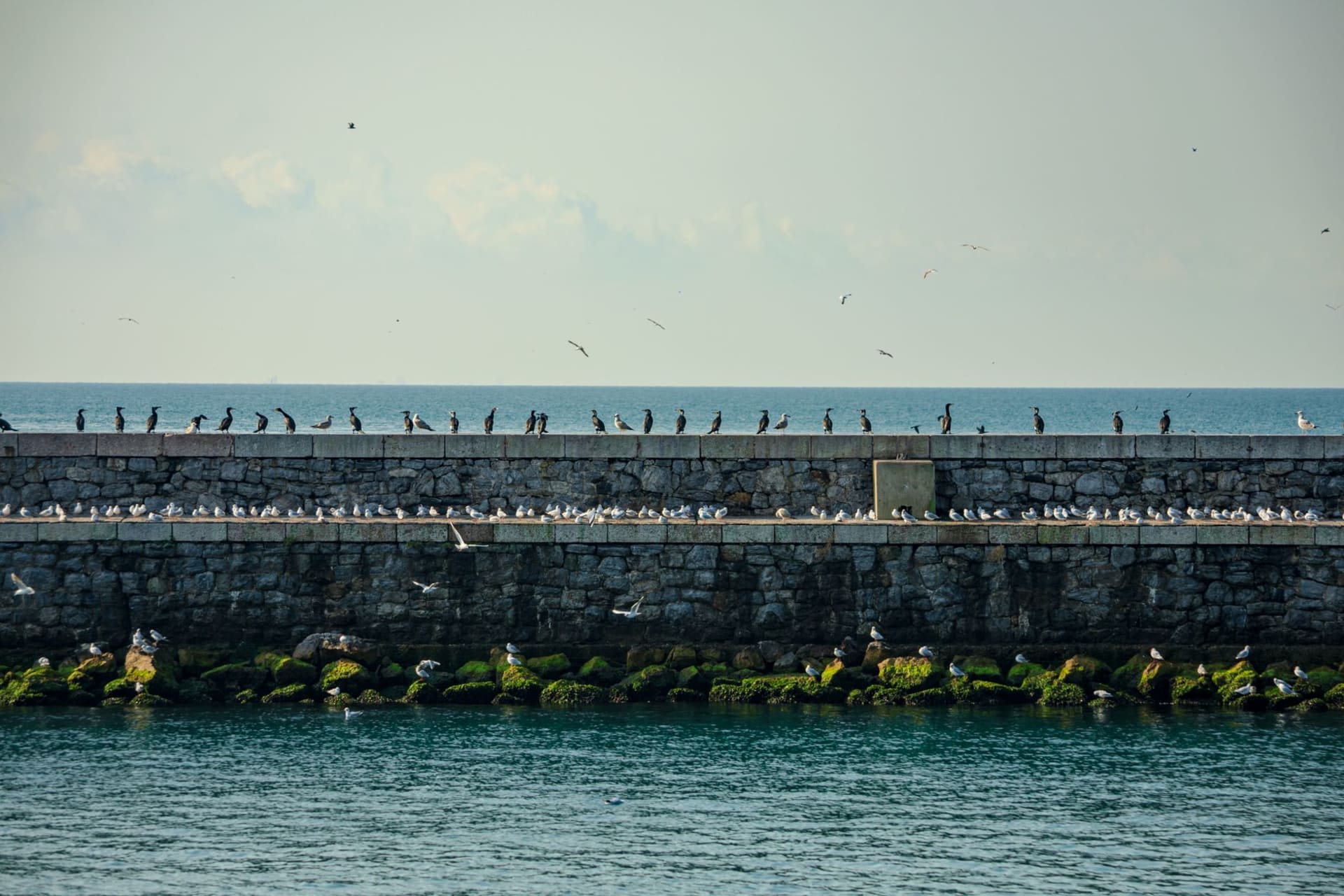
Nessebar
"Nessebar survives its own tourism like an old man survives a loud party — still there when it's finally quiet."
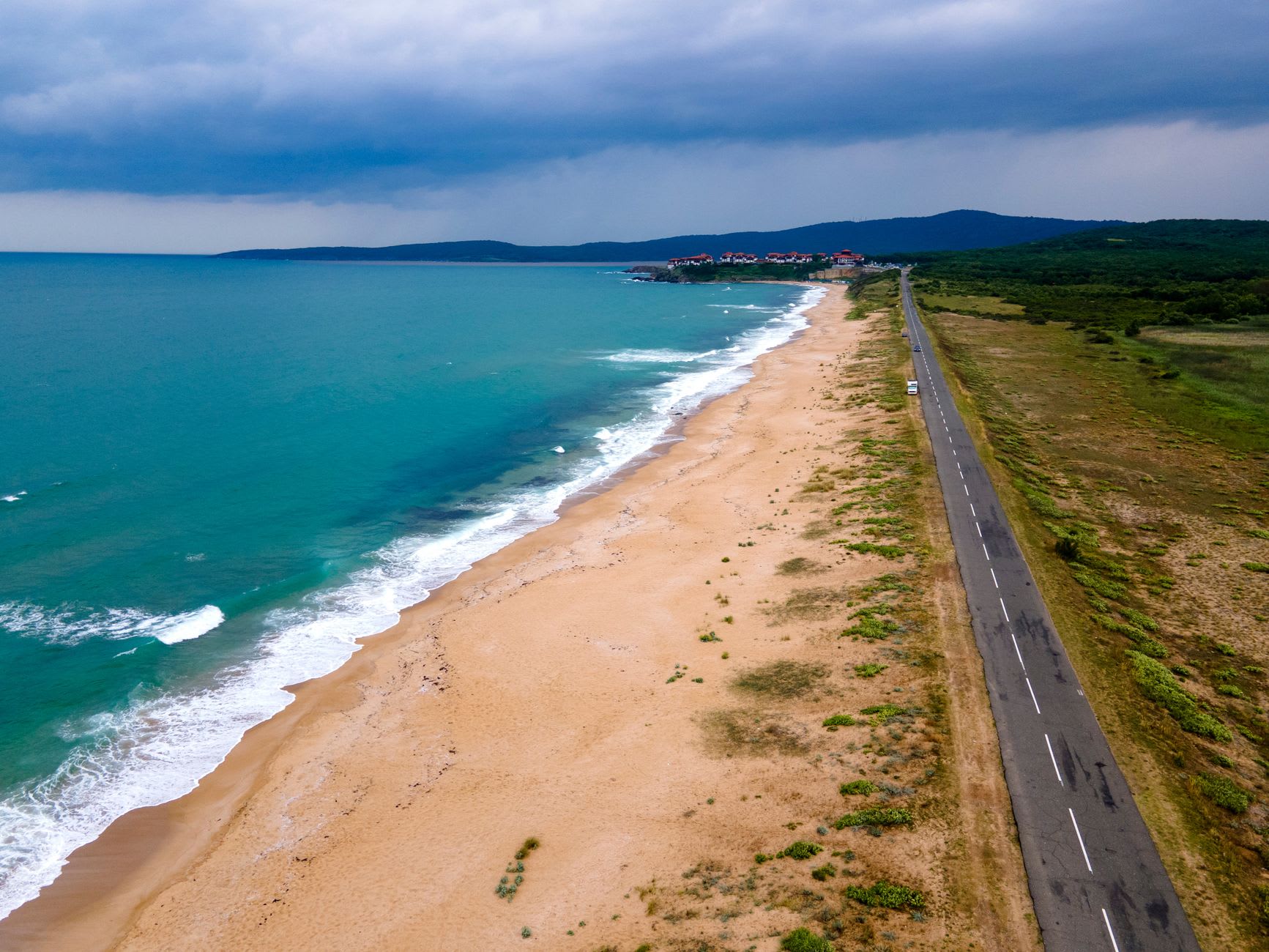
The way to see Nessebar properly is to arrive by the first bus of the morning, before the day-trippers come down from Sunny Beach — the vast resort complex a few kilometers north that exists in a state of complete philosophical opposition to Nessebar’s battered antiquity. I took a seven o’clock bus from Burgas and walked onto the old peninsula just as the light was coming flat and amber off the water, the sea on both sides of the causeway absolutely still. For forty minutes I had the cobblestone lanes mostly to myself. A bakery was open. I bought a banitsa — the warm Bulgarian cheese pastry — and ate it leaning against a wall built sometime in the fifth century.
Nessebar has been inhabited continuously for three thousand years. The Thracians were here first, then the Greeks (they called it Mesembria), then the Romans, then the Byzantines, who left the most visible mark: a cluster of ruined churches whose brick walls rise from the rocky ground throughout the old town. The Church of St. John the Baptist, the Church of Christ Pantokrator, the ruins of the Metropolitan Church — each a different period of Byzantine confidence, each now standing open to the sky or partially collapsed, the carved stonework exposed to the same sea wind that has been working at it for a thousand years. I am not an architectural historian, but I spent an entire morning walking between these ruins and found the experience genuinely moving in a way I hadn’t anticipated.
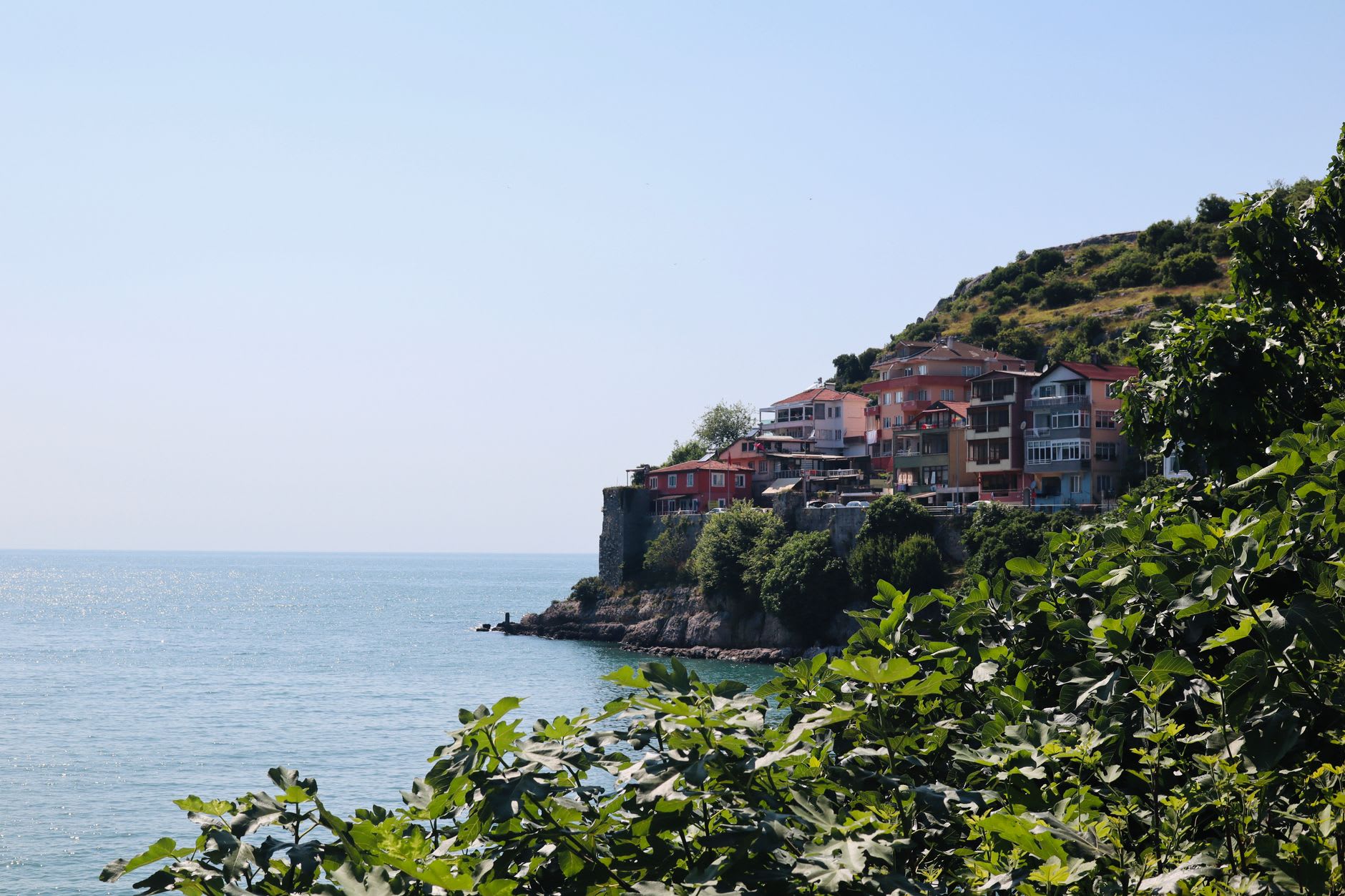
Between the churches are the wooden houses that give Nessebar its other visual identity: 18th and 19th-century merchants’ homes built in the Black Sea vernacular style, with overhanging upper floors supported by wooden brackets, painted in faded ochres and terracottas. Many have been converted to restaurants or shops selling Bulgarian embroidery and amber jewelry and small icons. In summer this commerce is relentless and you have to push through it to find the quiet streets near the seawall. In May or October the shops are shuttered or barely open, and the wooden facades take on the quality of a stage set waiting for a play that may not arrive.
The sea around the peninsula has exposed ruins of its own — submerged wall sections and building foundations visible in calm water from the seawall path that circles the town’s edge. Standing above them and looking down into the clear shallows felt, unexpectedly, like reading a sentence that had been half erased. The archaeologists have been excavating here since the 1950s and expect to continue indefinitely. The sea keeps contributing new material.
I had lunch at a small restaurant in the old town where the menu was hand-written and the tarator — cold cucumber and yoghurt soup with crushed walnuts and garlic — arrived before I’d decided to order it. This also felt historically appropriate. People have been deciding what to eat next in Nessebar for three millennia. The soup was very good.
When to go: May or September without question. July and August the peninsula is overwhelmed by visitors from the adjacent Sunny Beach resorts and what is fundamentally a small medieval town cannot absorb them gracefully. The ruins and the wooden houses and the sea are all still there in the off-season, and you can actually stand in front of them.