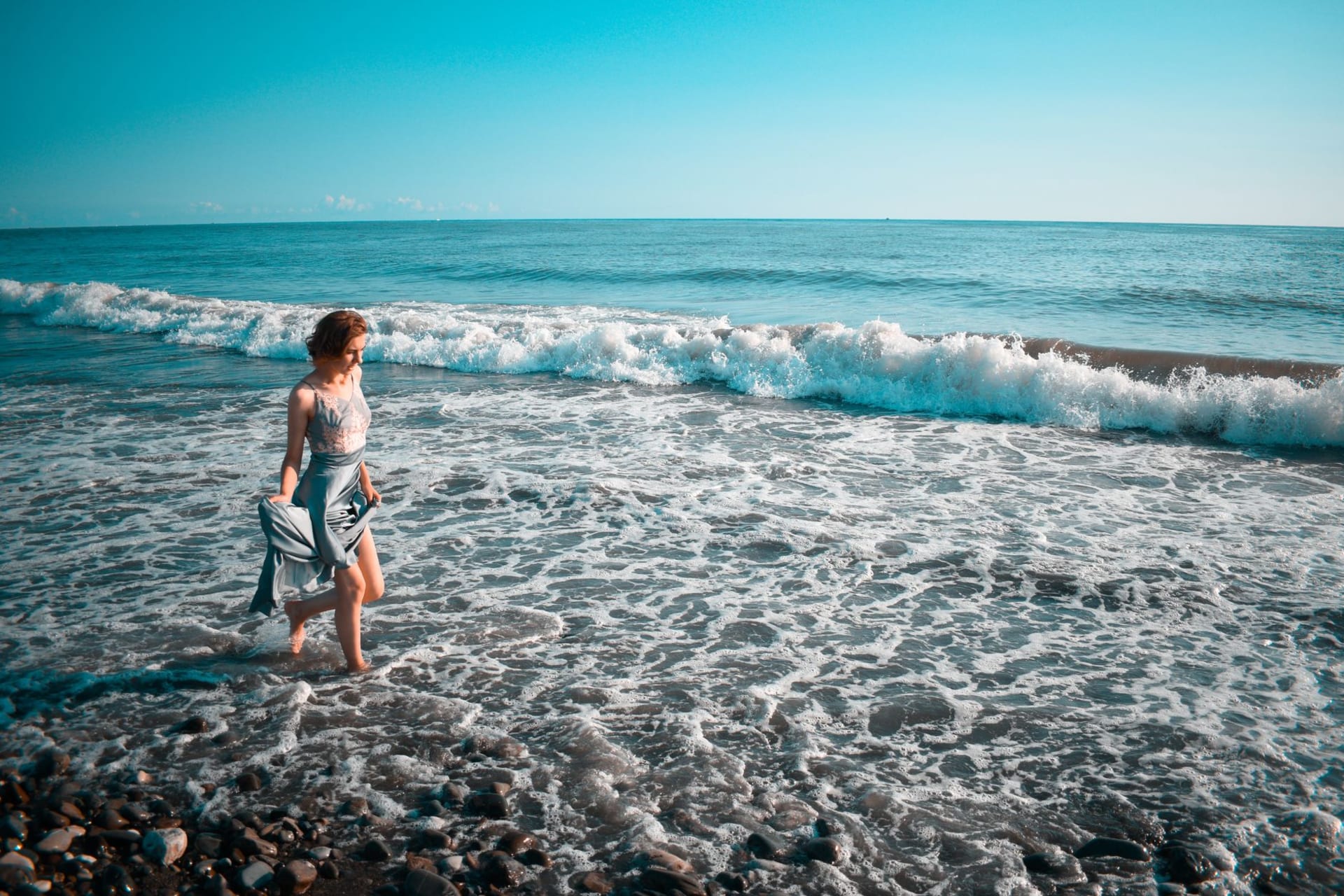
Kobuleti
"A week of eating whatever appeared in front of me — Kobuleti made that the easiest decision I've ever made."
I came to Kobuleti the way you come to a place with no expectations: someone on a bus told me it was quieter than Batumi, the fish was better, and a guesthouse near the pine forest had rooms with a balcony facing the sea. All three things turned out to be true. I was there for a week. I could have stayed two.
The town is strung along a narrow strip between the beach and the main road, and what you notice first is not a sight but a smell — pine resin and salt air mixed together in a way that I associate with no other place. The beach itself is grey pebbles, not sand, which keeps a certain type of tourist away, and the Adjaran women who run the guesthouses and small restaurants seem quietly grateful for this. My guesthouse host was a woman named Marika who made churchkhela in her courtyard every morning, hanging the walnut-and-grape-must cylinders on strings to dry like some kind of edible laundry. She brought coffee to the breakfast table without asking. The homemade wine that appeared at dinner — a pale amber from Rkatsiteli grapes, tannic and slightly cloudy — was the kind of thing you can’t order anywhere, only receive.
The food I ate that week still lives clearly in my memory. Fried Black Sea fish — mullet mostly, sometimes bleak — served with wedges of lemon and a bowl of tkemali, the tart green plum sauce that I now consider one of the world’s great condiments. Mchadi, the Georgian cornbread, dense and slightly sweet, pressed into rounds and fried in a dry pan until the crust crackles. Pkhali — spinach or red bean pressed into small balls with garlic and walnut — that arrived as a side dish without being ordered. The cooking here has no pretension and no menu. It simply appears, course by gentle course, based on what was caught or harvested that day.
Between meals I walked the pine forest path that runs parallel to the beach, a narrow dirt track where the afternoon light filters through in broken columns. The sea glittered through the gaps in the trees. Old men played backgammon on folding tables outside a small shop selling beer and dried fish. A dog followed me for an hour without any apparent objective before peeling off toward someone’s gate. The town’s main amusement park — a cluster of Soviet-era rides near the beach entrance — was deserted mid-week, its painted horses turning slowly in the wind.
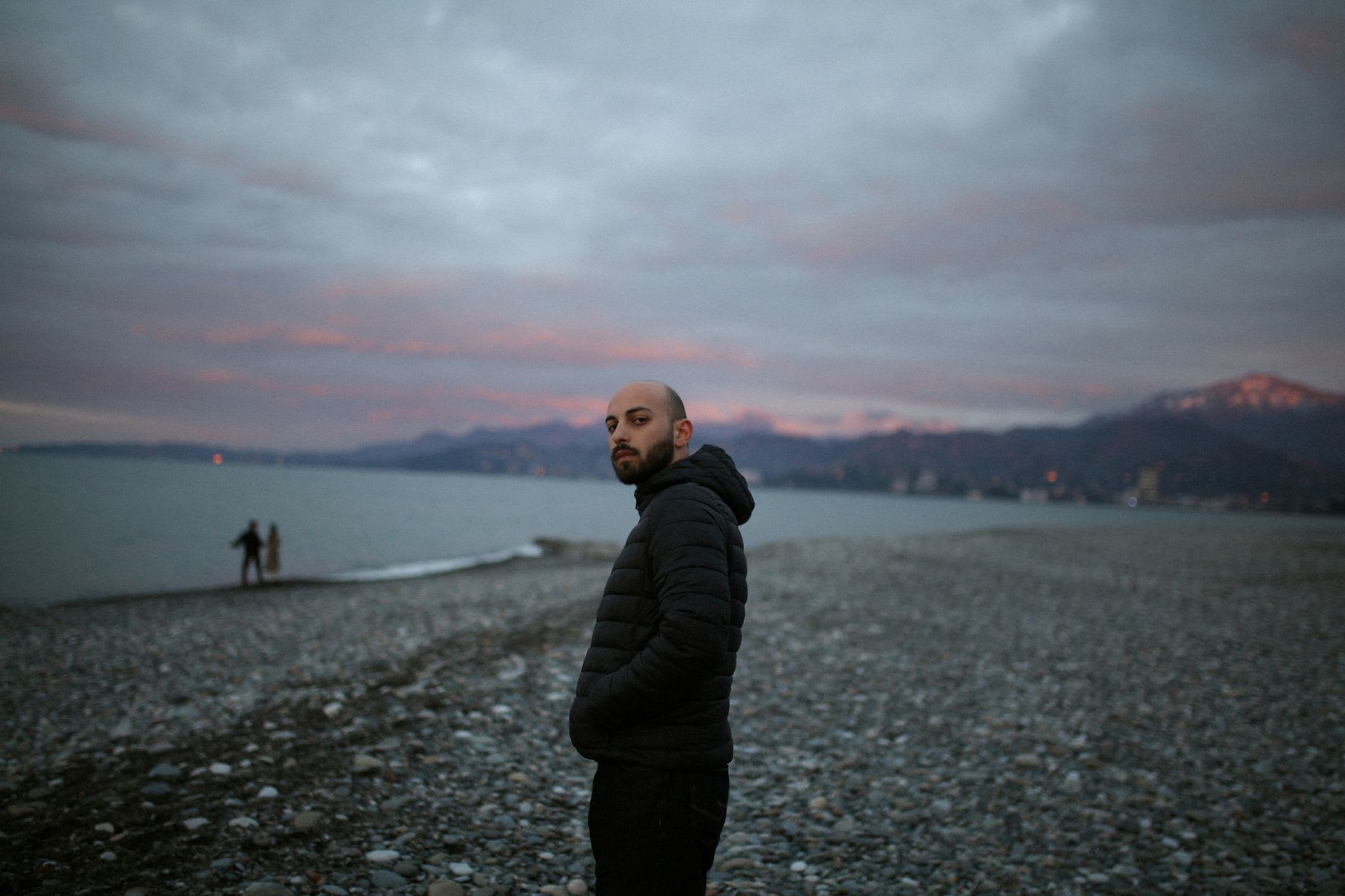
What Kobuleti offers is not dramatic. There is no fortress, no famous view, no particular thing you need to photograph. What it offers is the experience of being on the Black Sea coast before it became something to market — before anyone decided this needed a brand or a boutique hotel. That feeling is increasingly rare on this part of the world and I am not sure how long Kobuleti will hold onto it.
When to go: June through September for swimming, though the water is distinctly cooler than the Mediterranean. May and early October are ideal for walking and eating without the summer heat. Avoid July and August if you want the pine-forest quiet to itself.