A 2,600-year-old port where a Roman poet's exile, a crumbling Art Nouveau casino, and a Black Sea sunset all share the same square.
Lia found the statue before I did. We’d been walking Ovidiu Square with no real plan, jet-lagged and squinting in the midday light, when she stopped in front of a bronze figure standing since forever, it seemed, at the center of the old town. It’s Ovid — exiled here by Augustus in 8 AD, dead by 17, still standing watch over a city that existed as the Greek colony of Tomis six centuries before he ever set foot in it. I remember thinking how strange it was to feel sorry for a man who’d been gone two thousand years. He never went home. Rome killed him slowly by keeping him alive somewhere else, and Constanța — Europe’s oldest continuously inhabited city, older than most of what I grew up thinking of as ancient — just kept going without him.
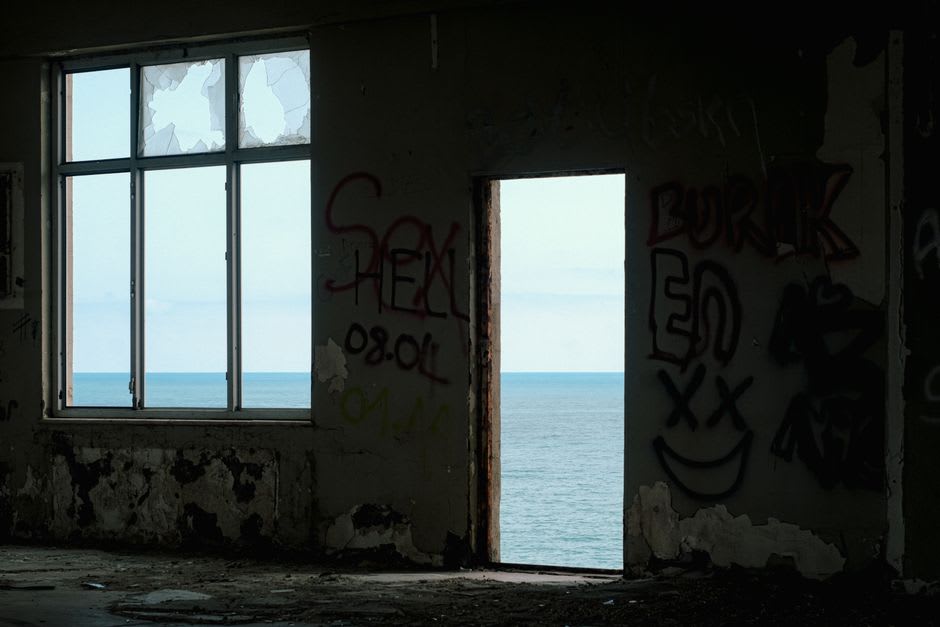
We stayed three nights in a small guesthouse two streets back from the seafront, close enough that I could hear gulls arguing over breakfast. Most mornings we’d walk the promenade toward the casino, that Art Nouveau shell from 1910 that’s been empty for as long as anyone I met could remember. Scaffolding wraps half of it now, restoration money trickling in and out depending on who’s in charge that year, but even half-abandoned it’s the most beautiful ruin I’ve photographed on this whole trip. Lia kept saying it looked like a wedding cake somebody forgot to eat.
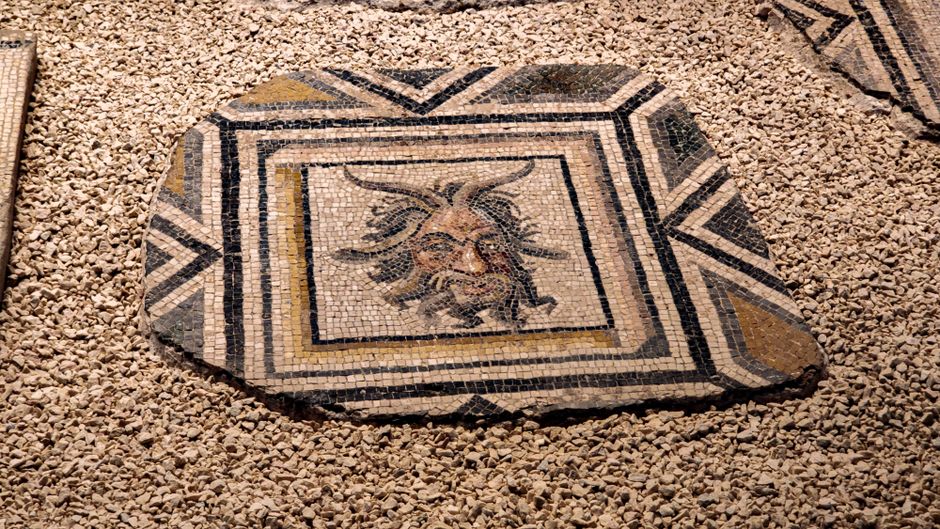
The real gut-punch, though, was underground — or what used to be street level, before two thousand years buried it. The Roman Mosaic Edifice sits under a modern shelter near the port, a 4th-century floor spanning nearly 2,000 square meters, uncovered only in 1959. I stood on the viewing platform above it for probably fifteen minutes, not saying anything, just tracing the geometric patterns with my eyes and trying to imagine the warehouse or market hall that once stood on top of it, full of noise and grain sacks and people who had no idea Ovid’s tomb was somewhere nearby, or that a Romanian archaeologist would be dusting off their floor a millennium and a half later.
By our last evening we’d stopped sightseeing entirely and just sat on the seawall eating covrigi from a cart, watching container ships queue toward the port while the casino turned gold behind us. That contrast is what stuck with me — a working Black Sea harbor, a dead poet’s statue, a mosaic older than most nations, and us, eating bread and watching the light change like it was any ordinary Tuesday. It wasn’t.
When to go: aim for June through September, when the weather turns properly warm and the seaside promenade and beaches are fully open — outside that window, a lot of Constanța quietly shuts down for the season.
Keep exploring
More from Black Sea Coast
 black-sea-coast
 Gonio
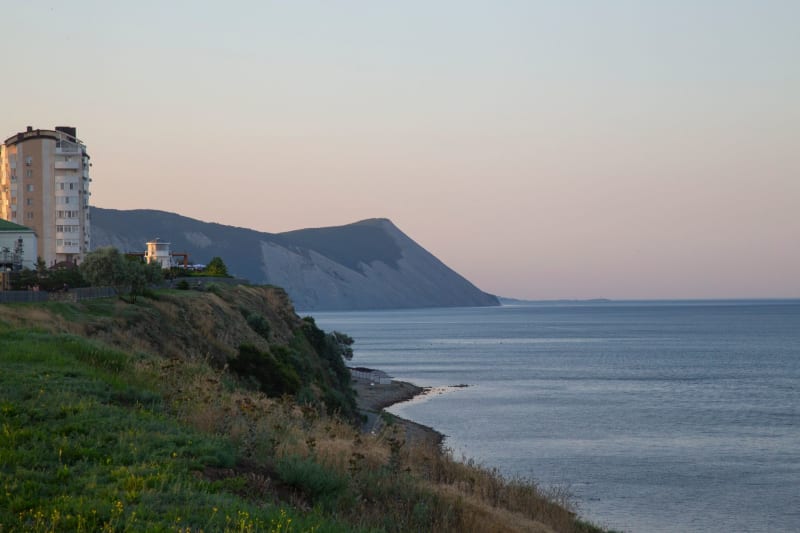
A Roman fortress and a long empty beach fifteen minutes from Batumi, where the Turkish border feels close enough to smell.
Explore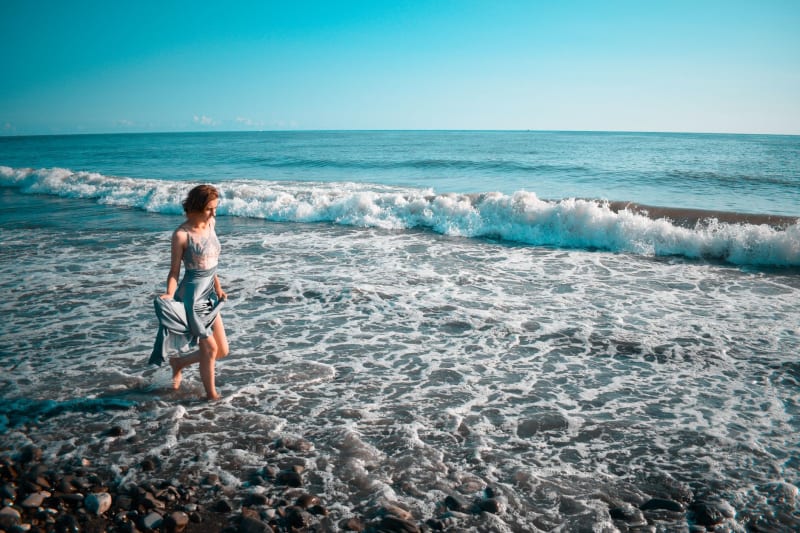 black-sea-coast
 Kobuleti
A Georgian beach town without the noise — pine forests, handmade wine, and fish fried so simply it tastes like the sea itself.
Explore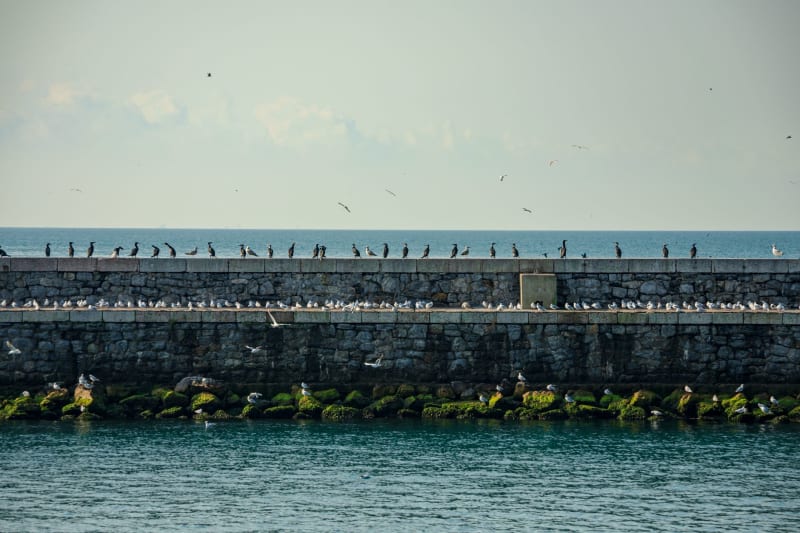 black-sea-coast
 Nessebar
A UNESCO peninsula of Byzantine ruins and wooden merchants' houses where 3,000 years of history stands knee-deep in souvenir shops.
Explore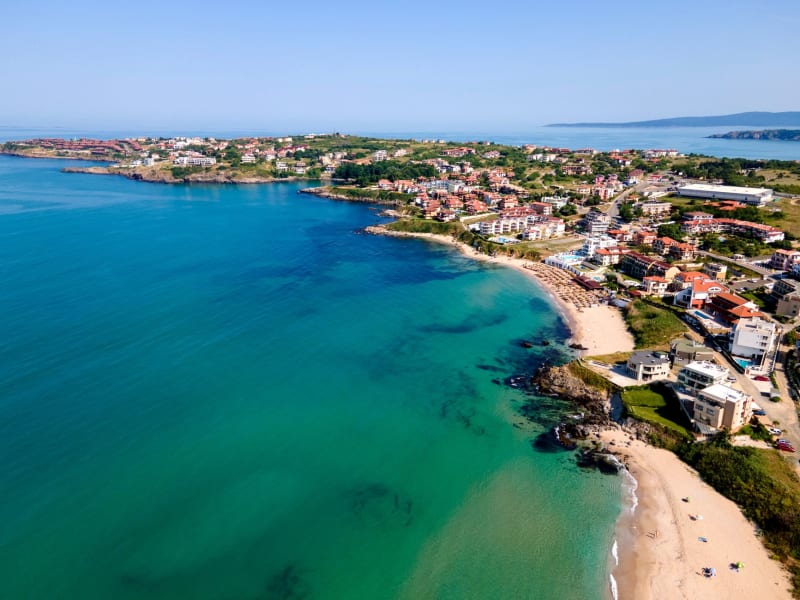 black-sea-coast
 Sinop
Turkey's northernmost city curls around a perfect harbour on a peninsula that juts into the Black Sea like a question mark.
Explore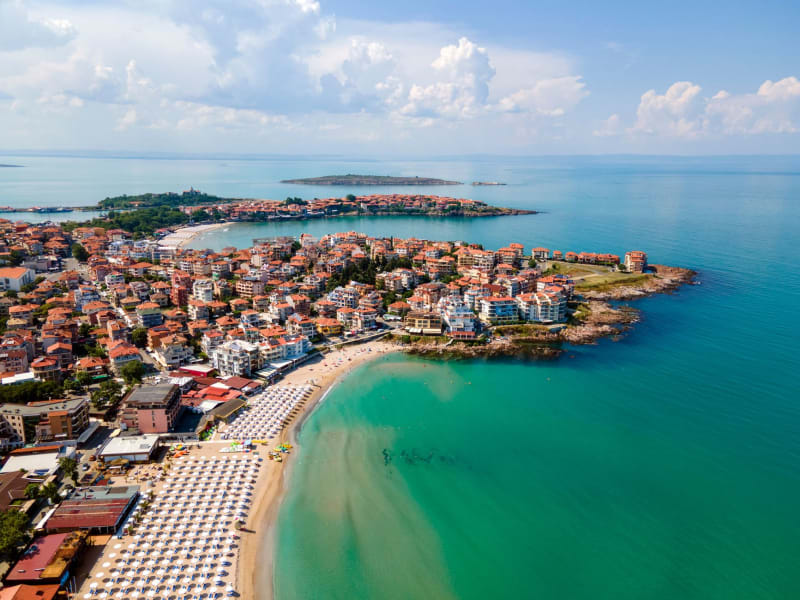 black-sea-coast
 Sozopol
A Bulgarian fishing town on a rocky promontory where ancient Greek foundations hold up houses built from recycled Ottoman timber.
Explore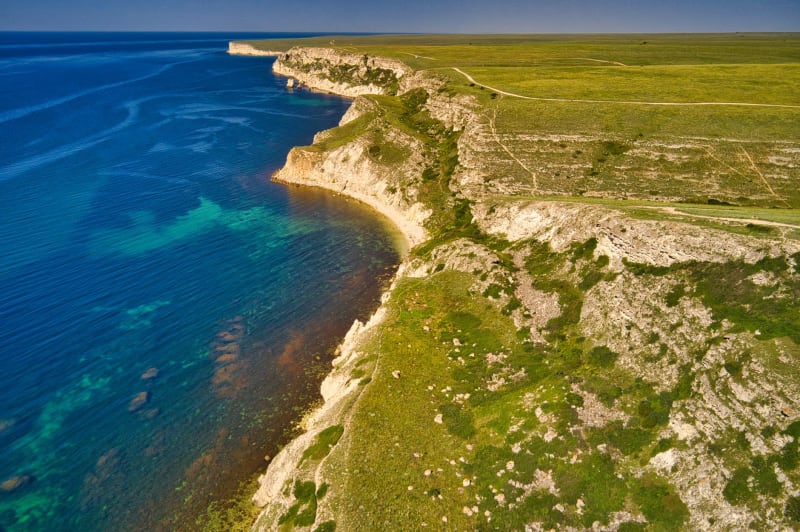 black-sea-coast
 Sulina
Where the Danube ends and the Black Sea begins — a forgotten port at the edge of Europe, reachable only by boat, where pelicans outnumber people.
Explore