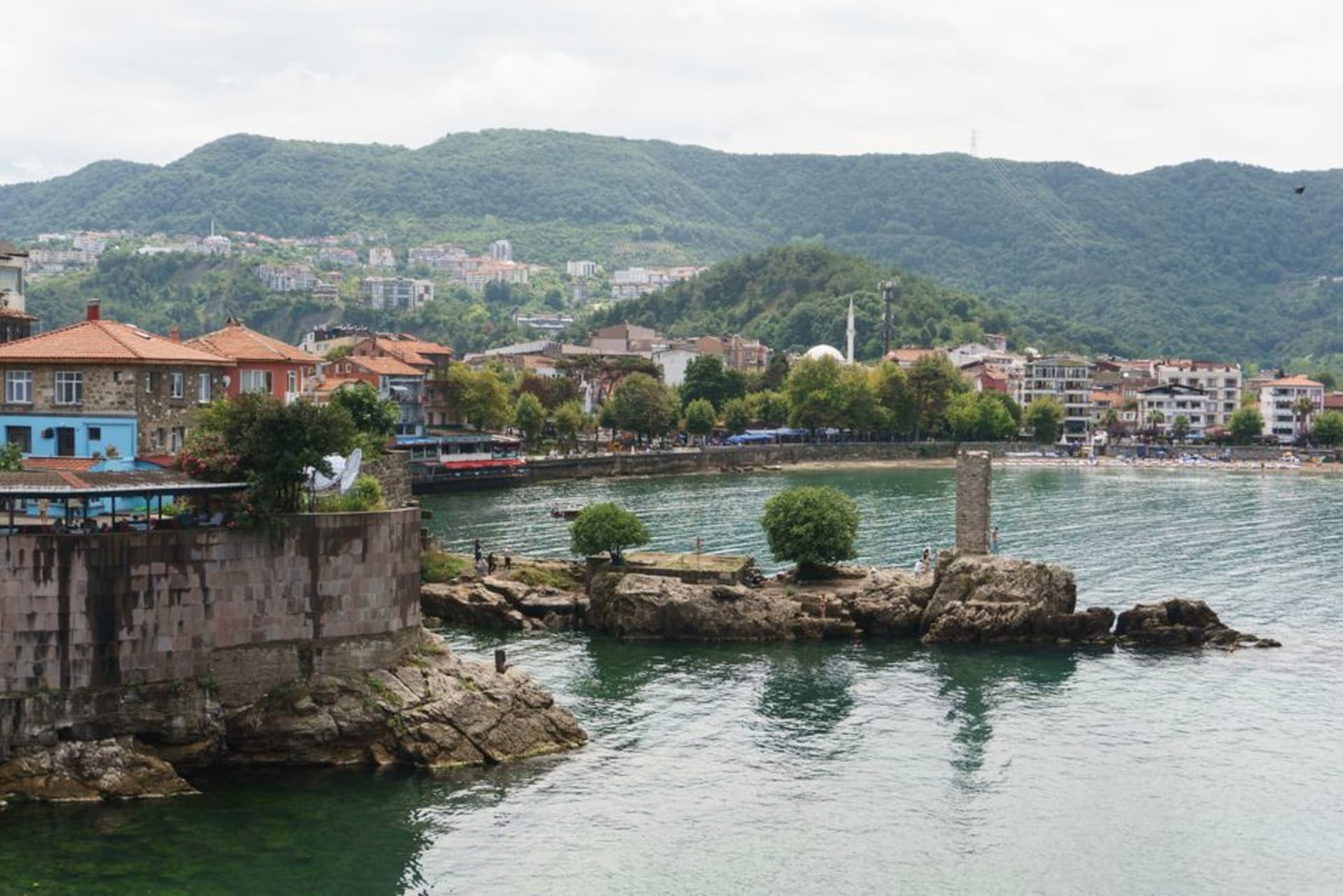
A twin-bayed Genoese-walled port town on Turkey's Black Sea coast where Lia and I lost an entire afternoon to nothing but tea and tide.
We almost skipped Amasra. I remember looking at the map somewhere around Amasya and thinking the detour to the coast would eat a whole day we didn’t really have. Lia talked me into it anyway, the way she does — “when are we ever going to be this close to the Black Sea again” — and by the time we crested the last hill and saw the town splitting into its two bays around that little stone bridge, I was already apologizing to her for having hesitated. Amasra doesn’t announce itself. It just appears, tucked onto its peninsula, looking like it’s been quietly getting on with being beautiful for twenty-five centuries without needing anyone to notice.
Because it has, more or less. Greek settlers from Miletus founded the place as Sesamus back in the 6th century BC, and it was later renamed Amastris for a Hellenistic princess who ran the show around 300 BC — a detail I only fully appreciated once we were sitting in the old town with a glass of çay, trying to picture a woman ruling this exact harbor over two thousand years ago. Genoese traders came centuries later and built the fortifications that still ring the old quarter, thick stone walls you can walk along at your own pace, no ticket booth, no crowd, just the sea on one side and red-tiled roofs on the other.
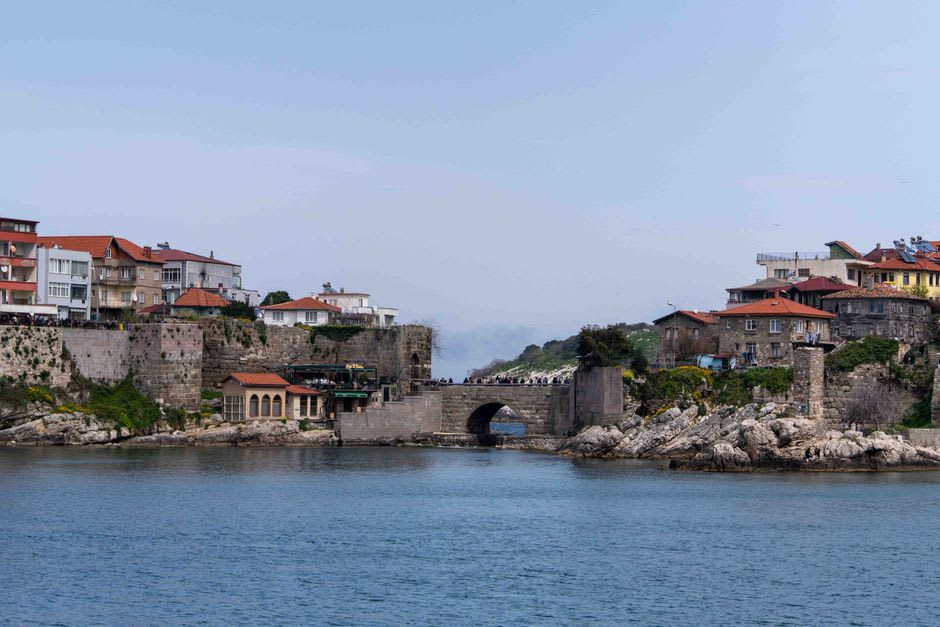
What got me most, though, was the Fatih Mosque — a former Byzantine church sitting right in the middle of everything, its layered history so casually present that nobody around us seemed to think it remarkable. I do; I’ve never quite gotten used to how Turkey stacks its centuries on top of each other like that. We crossed the little stone bridge out to Boztepe island in the early evening, when the fishermen were coming in and the two harbors on either side went a kind of dull gold, and Lia made me stop walking three separate times just to look back at the town from the water.
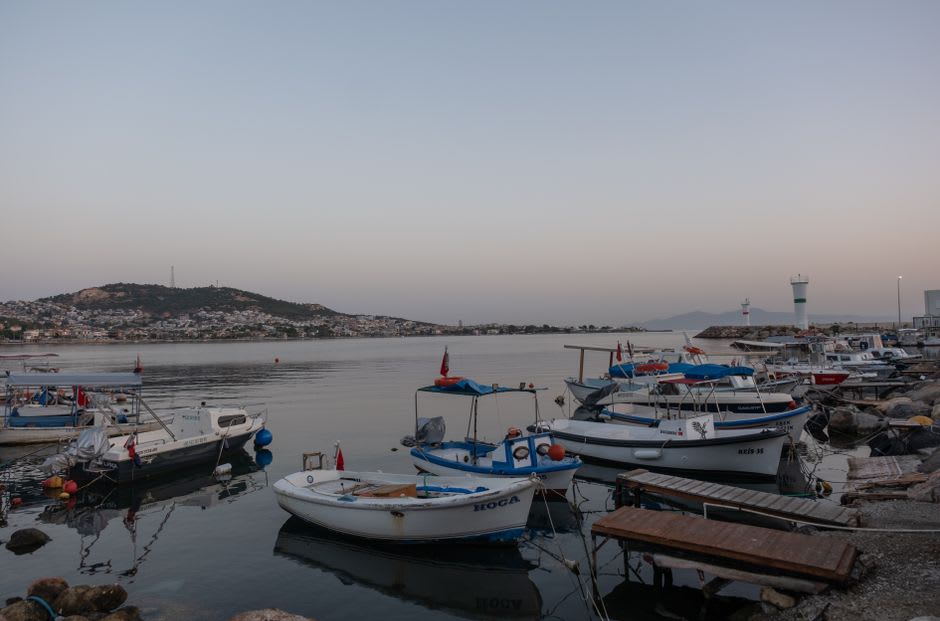
We ate grilled Black Sea anchovies — hamsi, they call it, and it’s everywhere on menus along that coast — at a small place with plastic chairs and a view straight down one of the bays, and I don’t think I’ve had a simpler, better dinner all year. Amasra isn’t a place you do things in, exactly. It’s a place you let slow you down, one harbor wall and one glass of tea at a time.
When to go: Between June and September, when the seas are calm and the coastal promenade is warm enough to linger on — which, in Amasra, is really the whole point.
Keep exploring
More from Black Sea Coast
 black-sea-coast
 Balchik
A Bulgarian seaside town built up white chalk cliffs, where a Romanian queen once built a wandering little palace and a botanical garden that still feels like the loveliest folly on the whole coast.
Explore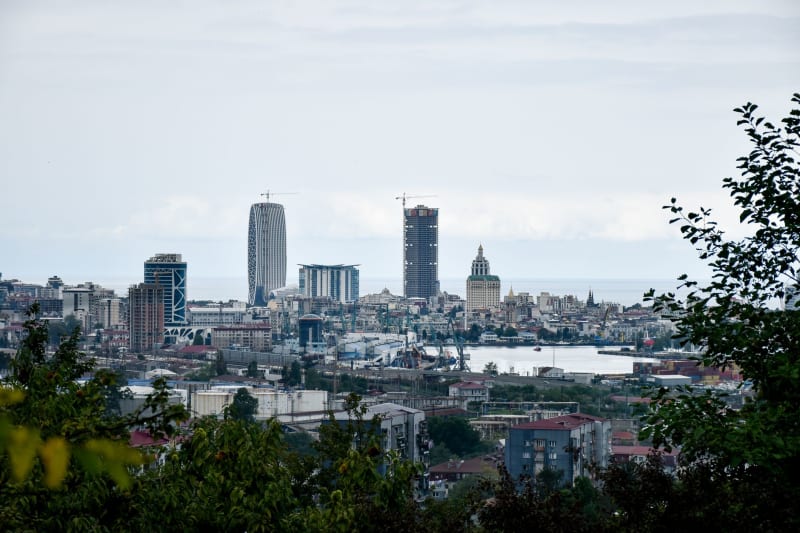 black-sea-coast
 Batumi
Georgia's port city where a crumbling Art Nouveau old town coexists, uneasily, with a casino-lit waterfront that never sleeps.
Explore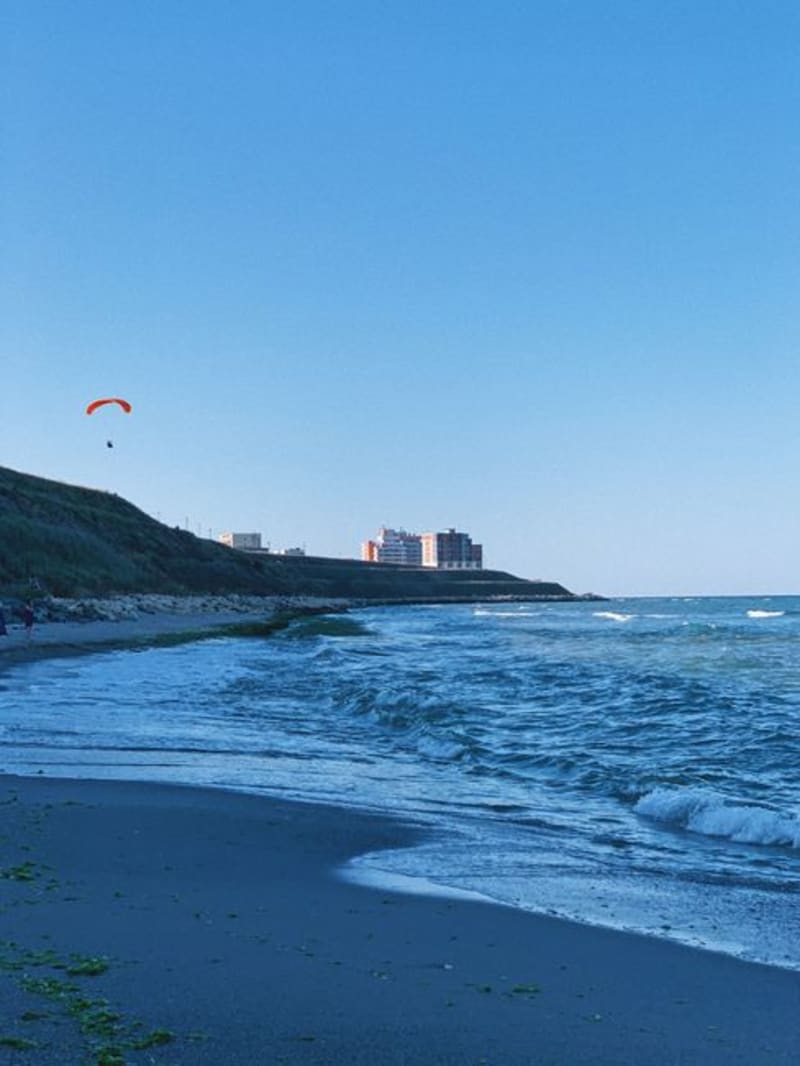 black-sea-coast
 Constanța
A 2,600-year-old port where a Roman poet's exile, a crumbling Art Nouveau casino, and a Black Sea sunset all share the same square.
Explore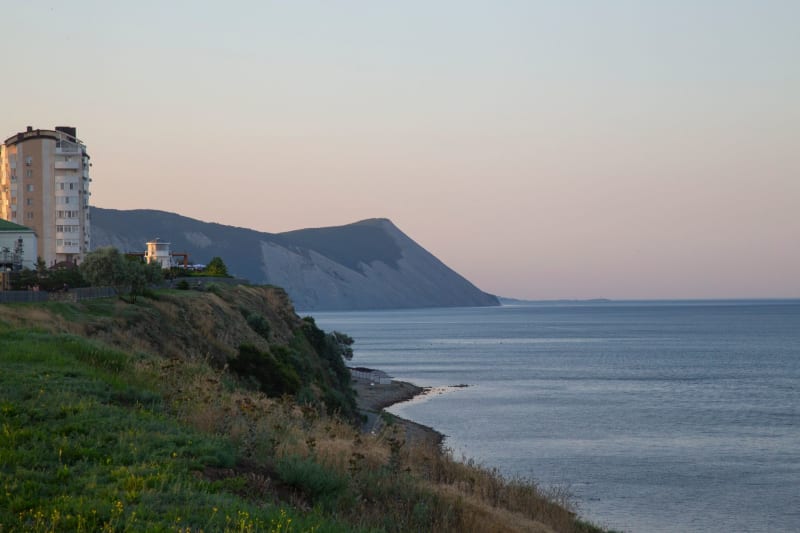 black-sea-coast
 Gonio
A Roman fortress and a long empty beach fifteen minutes from Batumi, where the Turkish border feels close enough to smell.
Explore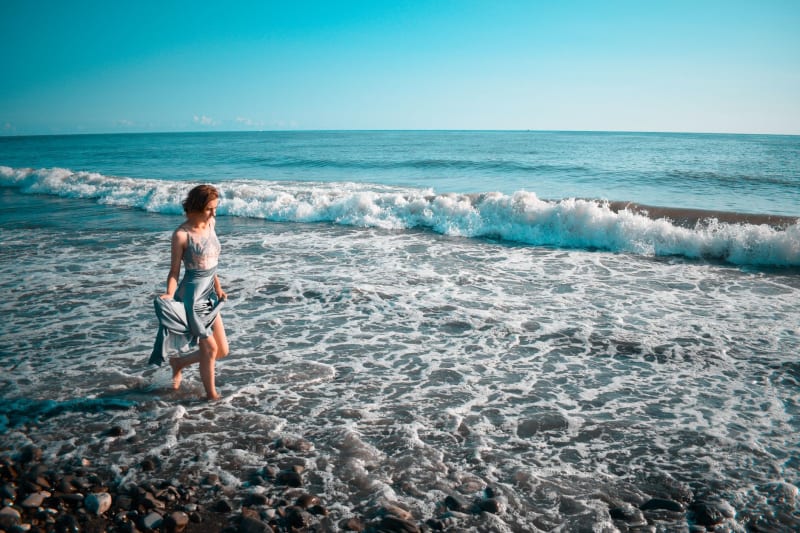 black-sea-coast
 Kobuleti
A Georgian beach town without the noise — pine forests, handmade wine, and fish fried so simply it tastes like the sea itself.
Explore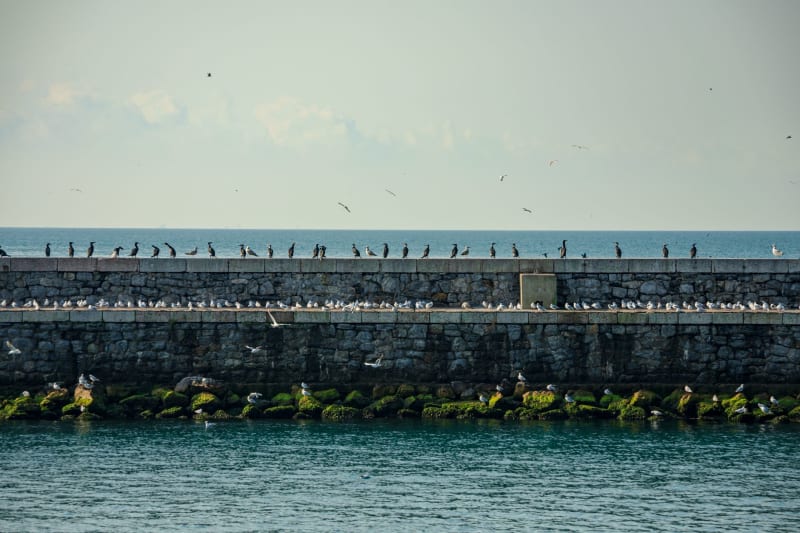 black-sea-coast
 Nessebar
A UNESCO peninsula of Byzantine ruins and wooden merchants' houses where 3,000 years of history stands knee-deep in souvenir shops.
Explore