Parakou
"Cotonou felt like the coast we knew. Parakou felt like the door to somewhere else entirely."
A dusty railway town where the Sahel begins, and where Bariba, Fulani, and Dendi cultures trade yams and cotton under the Harmattan haze.
We got off the train in Parakou after a long, rattling ride up from Cotonou, and I remember thinking that the station itself was the whole story of the city. This is the end of the line — literally. The Cotonou–Parakou railway was finished by the French in 1936, and Parakou has been the northern terminus ever since, some 400 kilometers from the coast. Lia and I stood on the platform for a minute just looking at the old tracks disappearing into the heat shimmer, and it struck me how a single rail line built almost a century ago still shapes what this city is: a gateway, a hinge point between the Benin we’d already seen and the Sahelian north we hadn’t.
What you notice fast in Parakou is that it doesn’t feel like Cotonou or Porto-Novo at all. Southern Benin is Yoruba and Fon country, but up here it’s Bariba, Fulani, and Dendi — different languages on the street signs and market stalls, different rhythms to the day. We wandered into the market on our second morning, and it was overwhelming in the best way: mountains of yams stacked shoulder-high, raw cotton bales waiting for trucks headed toward Niger and Nigeria, traders calling out prices in at least three languages I couldn’t identify. Parakou isn’t a place that performs for visitors — it’s a working commercial hub, the gateway city for northern Benin’s trade, and you feel that authenticity in every corner of the market.
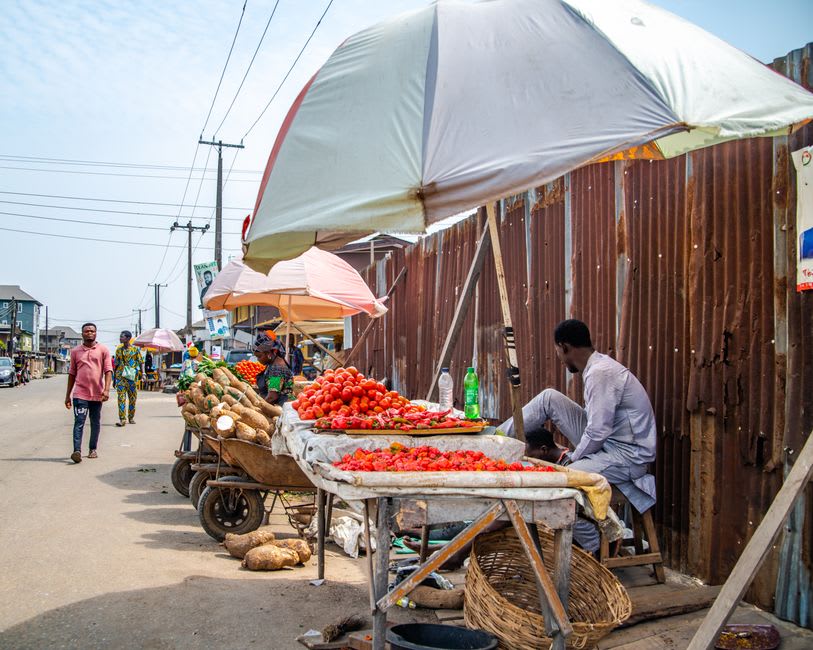
One evening we sat outside a small maquis near the market with grilled chicken and bottles of Beninoise, watching motorbikes stream past loaded with sacks of cotton, and a Fulani herder walked his cattle right down the main road like it was the most ordinary thing in the world — which, up here, it is. I asked our guesthouse owner about it, and he laughed and said Parakou has always been a crossroads: goods coming down from Niger, people moving between the Sahel and the coast, cultures mixing without ever quite merging. That’s what I loved most about the city — it doesn’t try to be pretty for tourists. It just is what it is, unapologetically itself.
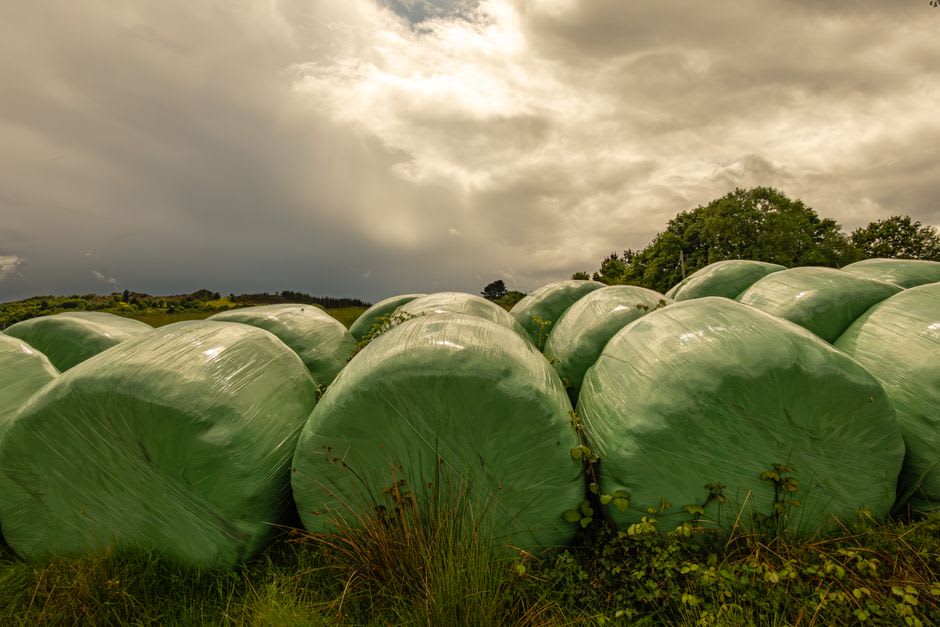
By our last day we’d fallen into the town’s slower, dustier pace, a world away from the humidity of the coast. The air was drier up here, tinted faintly orange some afternoons from the Harmattan winds already starting to roll down from the Sahara.
When to go: Aim for November through February, when the Harmattan brings cooler, drier air and the haze softens the light over the market in a way that’s honestly gorgeous, even if it means packing a scarf for the dust.
Keep exploring
More from Benin
 benin
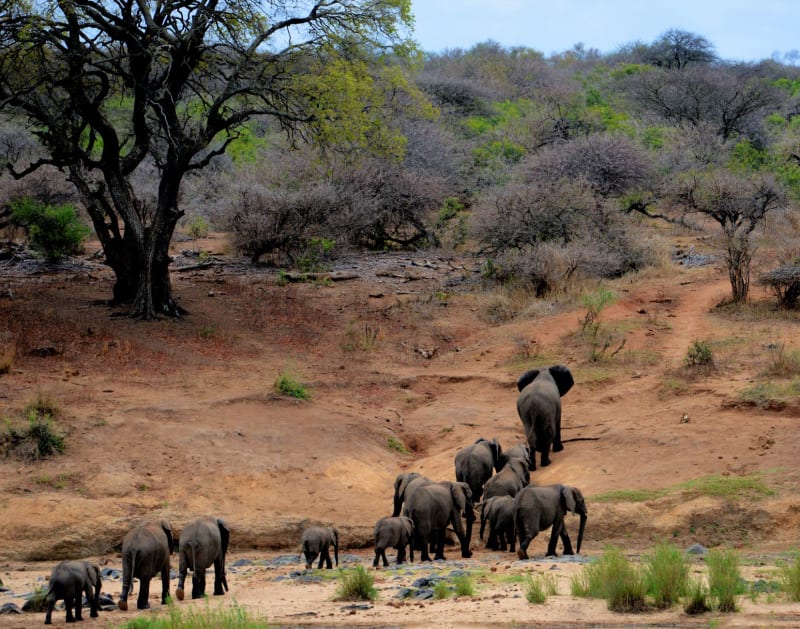
benin Pendjari National Park
One of West Africa's last truly wild places, where elephants still walk in herds and the silence has geological depth.
Explore benin
benin Porto-Novo
Benin's official capital moves at a slower pace than Cotonou, wearing its Brazilian and colonial layers openly.
Explore benin
benin Possotomé
A fishing village on Lake Ahémé where hot springs bubble at the water's edge and life runs on the rhythm of the pirogue.
Explore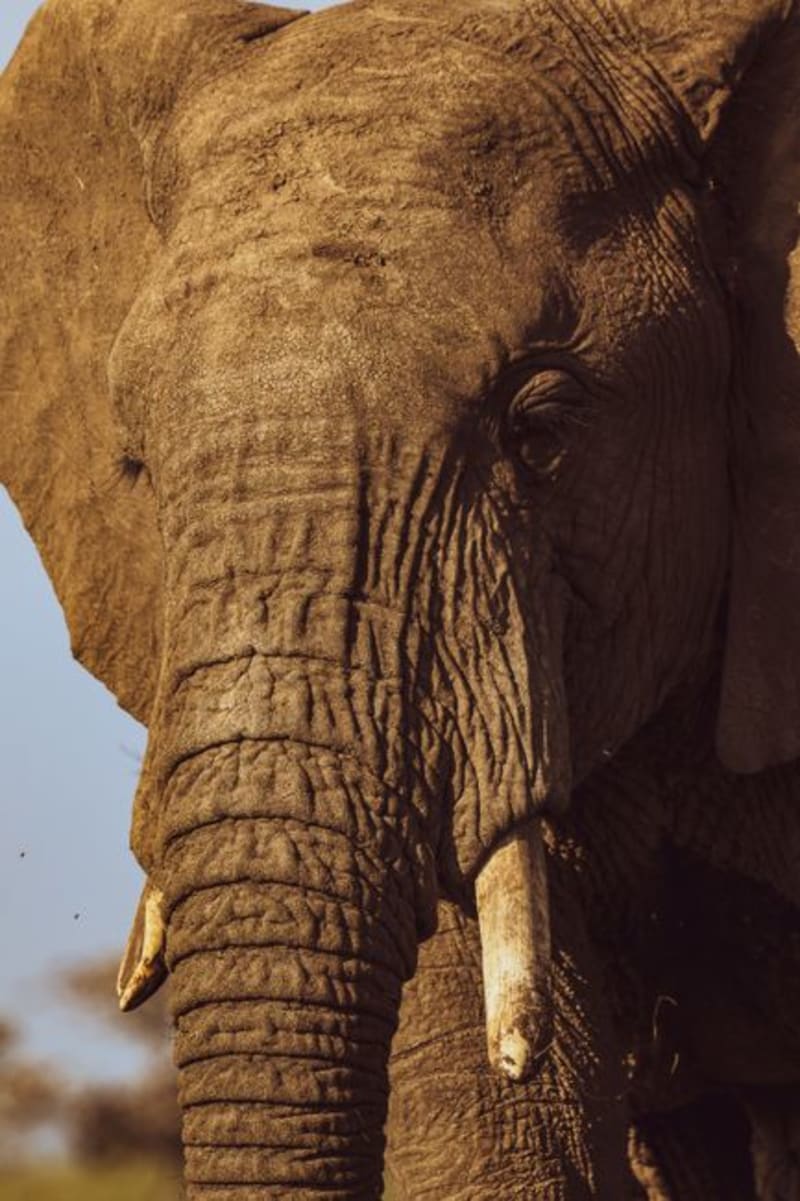 benin
benin W National Park
A wedge of Sudano-Sahelian wilderness shaped by the Niger River's W-bend, where elephants still cross borders no one else respects.
Explore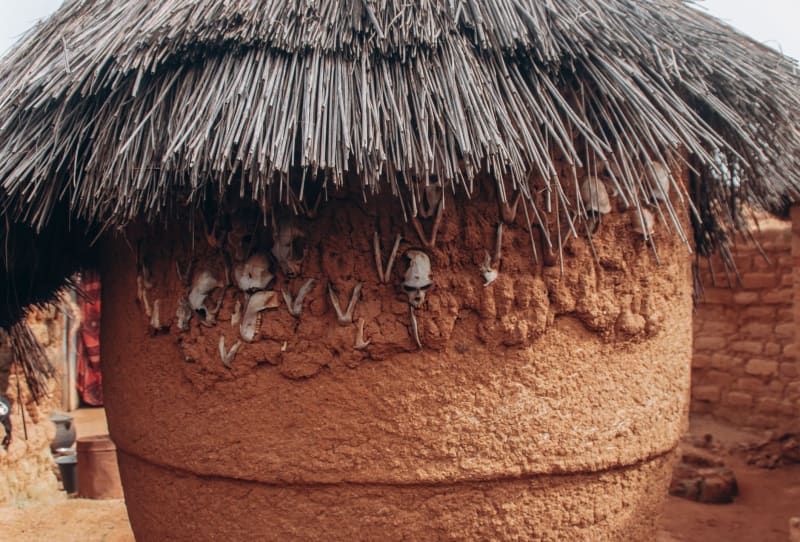 benin
benin Abomey
The capital of a kingdom whose palaces still stand and whose history refuses to be made comfortable.
Explore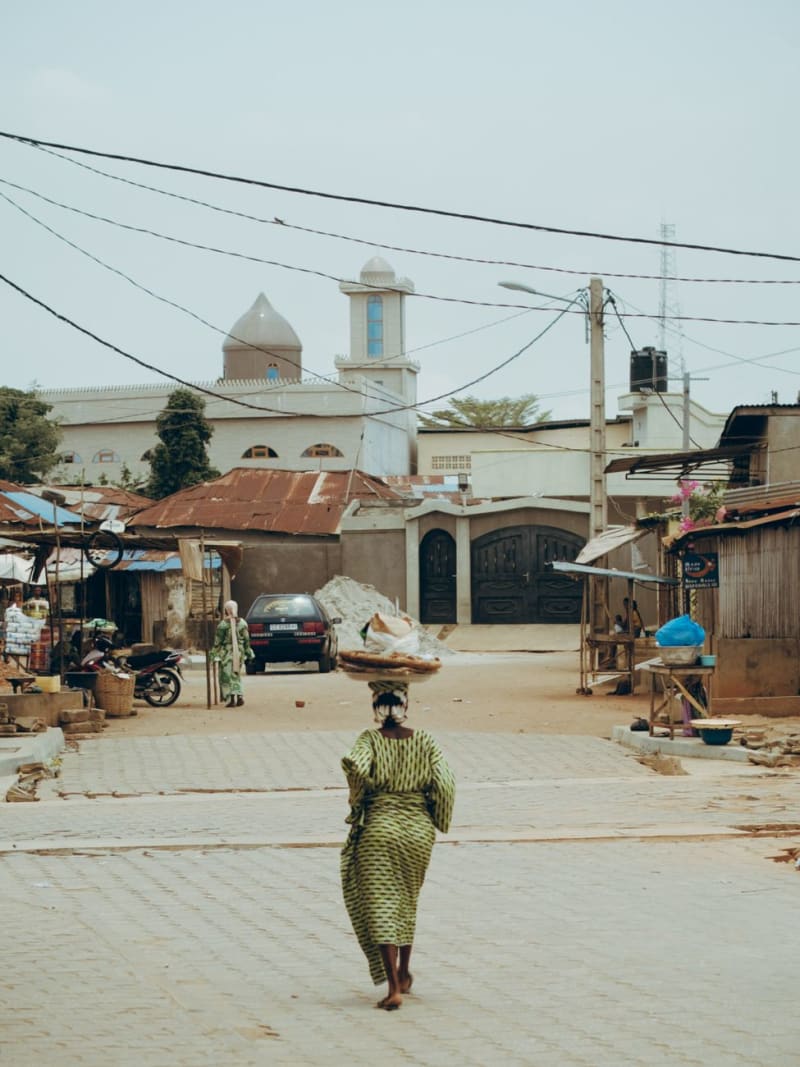 benin
benin Boukoumbé
A scattered hill town in the Atakora where the Batammariba people still build the tata somba — fortified two-storey houses of mud that look like small castles and are stranger and older than anything in the guidebooks.
Explore