Durbuy
"Lia laughed when I told her Durbuy was a city — you could walk across the whole thing in ten minutes and still have time for a waffle."
A pocket-sized medieval town on the Ourthe that calls itself the smallest city in the world, and somehow earns it.
I’ll admit I was skeptical the first time someone in Liège told me Durbuy was a city. A city, with a population you could fit into a single Metro carriage back in Mexico City? But it turns out that’s exactly the joke Durbuy has been in on since 1331, when Count John I of Luxembourg granted it a town charter — a legal status that stuck even as the place stayed resolutely, charmingly small. Lia and I drove down from Liège on a whim on a Saturday in May, expecting a curiosity and leaving with one of our favorite mornings in the Ardennes.
The old town is largely car-free, which we didn’t fully appreciate until we were actually inside it, wandering narrow cobbled lanes between stone houses that were rebuilt after fires tore through the town in the 16th and 18th centuries. Above it all sits the castle — technically 16th century, though what you see today is a 19th-century neo-Gothic rebuild, still privately owned and closed to visitors, which only made it more fun to speculate about from the café terrace where we had coffee. There’s something almost theatrical about the scale of the place: full medieval town, just shrunk down, like someone built it for a diorama and then let people move in.
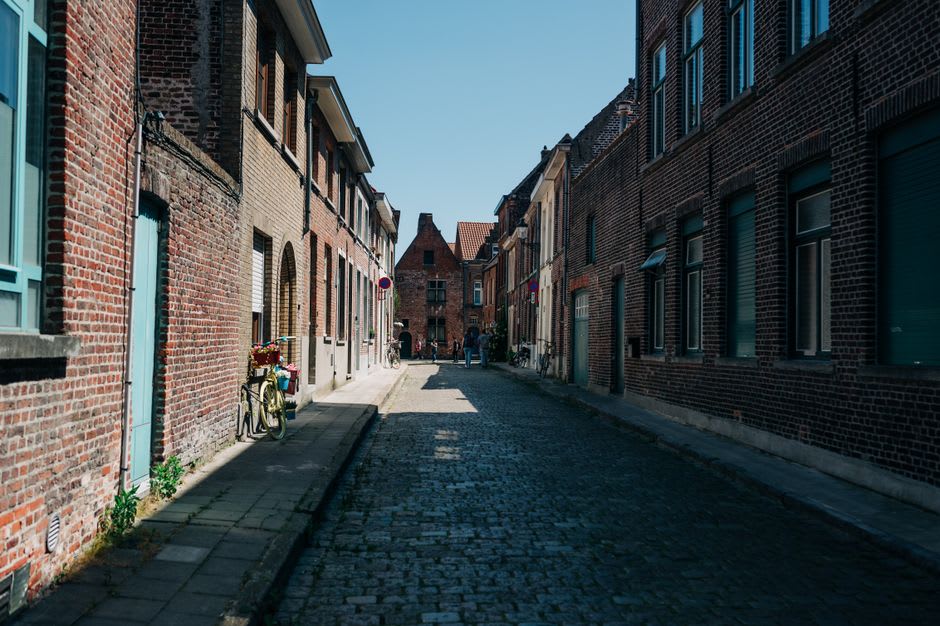
We hiked up into the hills for the Parc des Topiaires, and this is the part I didn’t see coming — more than 250 boxwood and yew shapes clipped into everything from mushrooms to elephants to, I swear, a rendition of a saxophone player. Lia spent twenty minutes trying to identify a topiary she was convinced was a dinosaur while I got distracted photographing the view back down over the rooftops and the bend in the Ourthe. It’s whimsical in a way that shouldn’t work next to a medieval castle, but somehow does.
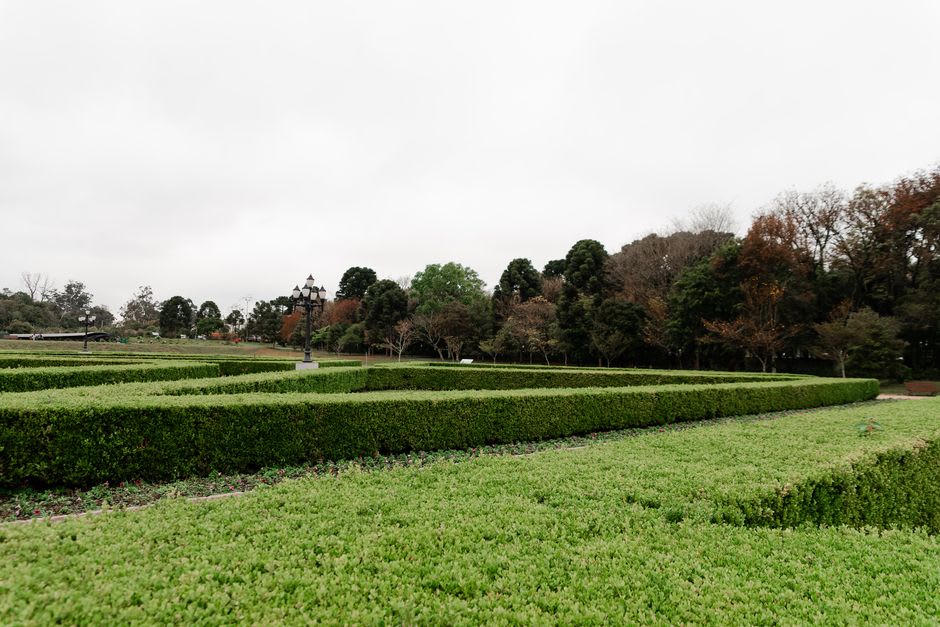
The next morning we rented a kayak and put in on the Ourthe just outside town, paddling past overhanging trees and the occasional fisherman who eyed us with the mild suspicion Belgians reserve for tourists in wetsuits. It’s a gentle river, easy enough that Lia — who is not what I’d call an outdoors person — actually asked if we could do it again before we left. Durbuy has clearly leaned into this: kayak outfitters, via ferrata, adventure parks scattered through the wooded terrain around town, all catering to day-trippers who roll in from Liège and Namur and never quite leave the “smallest city” feeling behind.
When to go: Come between April and October, when the Ourthe is calm enough for kayaking and the topiaries in the Parc des Topiaires are at their leafy, sculpted best — we’d skip winter, when half the outdoor draw of the place simply closes up.
Keep exploring
More from Belgium
 belgium
 Bruges Region Flanders Coast
The understated Belgian coast carries tram-connected seaside resorts, flat dune landscapes, and a WWII battlefield history that sobers and moves.
Explore belgium
 Ghent
Belgium's best-kept secret: a university city alive with street art, craft beer, and a medieval skyline that refuses to be tamed.
Explore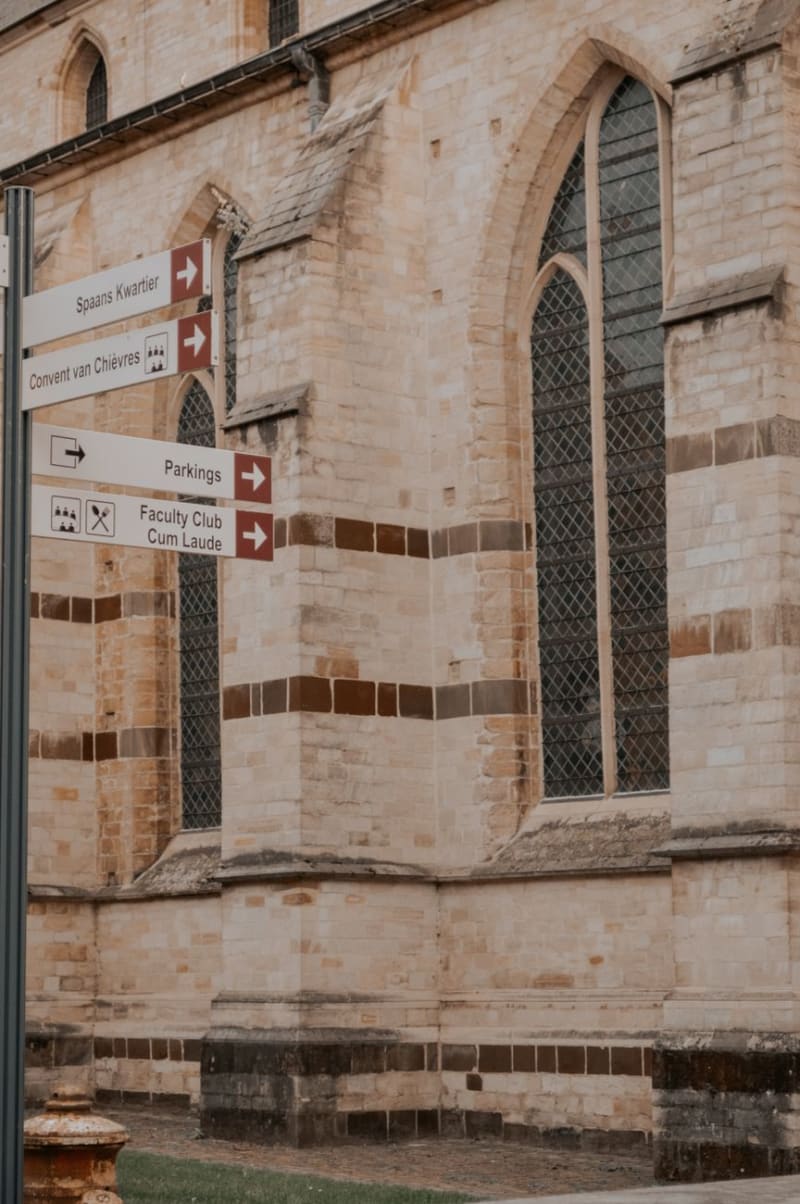 belgium
 Leuven
A small Flemish university city where a flamboyant Gothic town hall, the world's longest bar, and six centuries of students keep the whole place perpetually, cheerfully half-drunk on its own youth.
Explore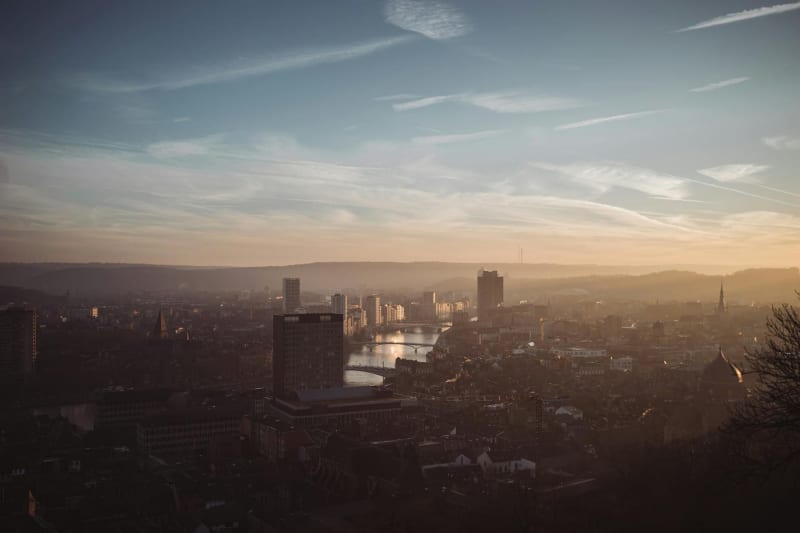 belgium
 Liège
A fierce, working-class Walloon city where the waffles are lighter, the beer is stronger, and the spirit is unbreakable.
Explore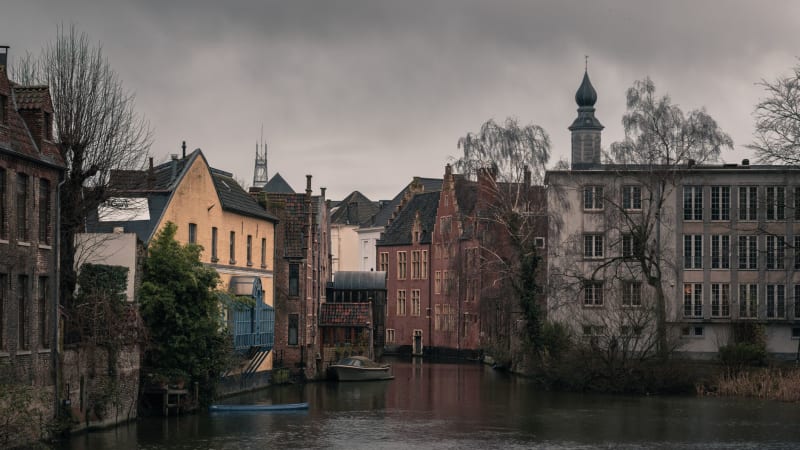 belgium
 Mons
A hilltop Wallonian city with a dragon to slay every spring and a quietly radical art museum that earns its place in no one's itinerary — which is exactly why it's worth going.
Explore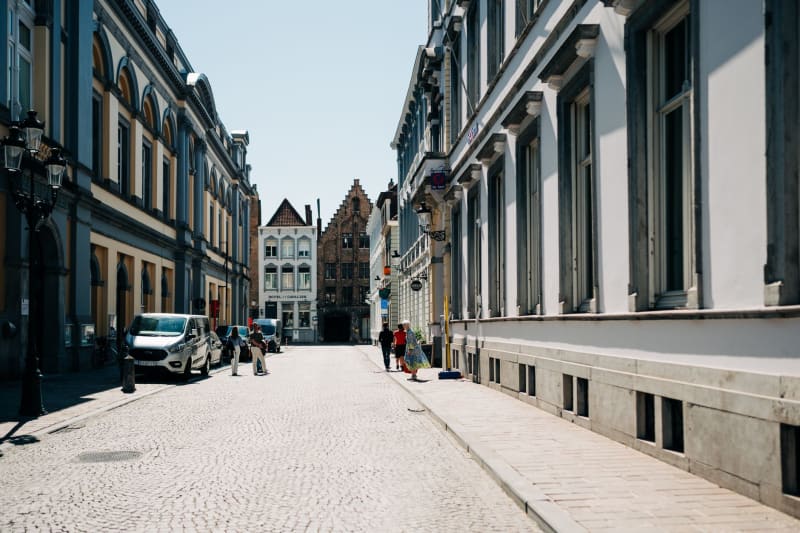 belgium
 Namur
Where the Sambre meets the Meuse below a massive citadel, Namur runs at a slower frequency than Belgium's tourist cities — unhurried, genuinely Walloon, and quietly excellent at lunch.
Explore