Rayak
"Trains stopped running here decades ago and nobody ever got around to telling the tracks."
A rusting Ottoman railway junction where Damascus-bound steam locomotives once stopped, now a ghost yard of tracks going nowhere.
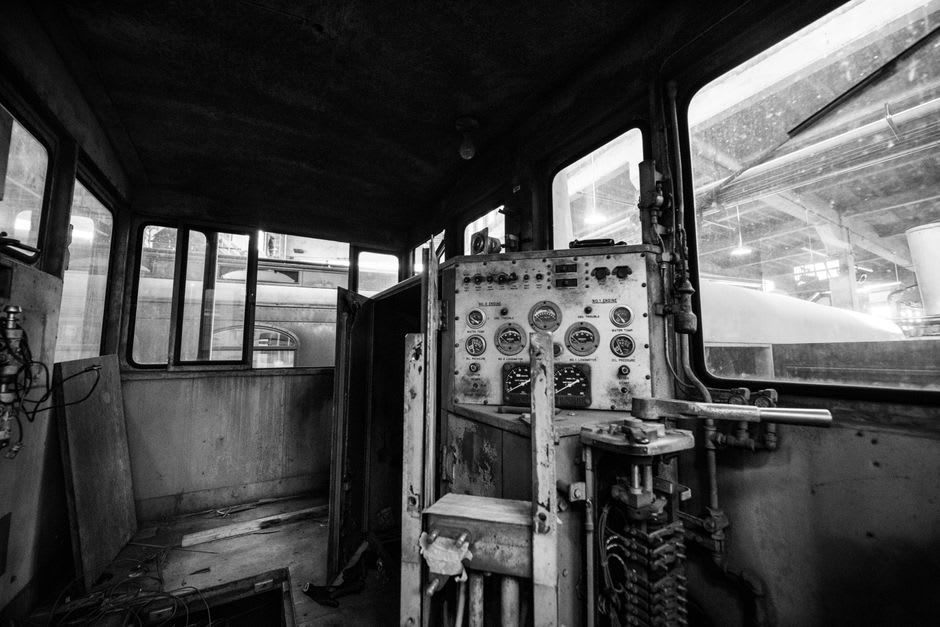
Rayak does not appear in guidebooks and I understand why — there is nothing curated about it, no ticket, no explanatory placard, just a sprawling rail yard on the edge of a small Bekaa town that used to be one of the most important junctions in the Ottoman and French Mandate railway network connecting Beirut to Damascus and Aleppo. I parked beside a hole in the perimeter fence that plenty of people had clearly used before me and walked in among sheds and workshops built by French engineers in the early twentieth century, machinery still bolted to the floor, and steam locomotives sitting exactly where they were left when the line finally stopped running in the 1970s.
The scale of the abandonment is what stays with you. Entire workshop halls, large enough to service a dozen engines at once, sit roofless and open to the weather, their machine tools rusted into sculpture. I found a locomotive with its boiler still intact, weeds growing up through the wheel carriage, a French manufacturer’s plate on the side legible under decades of grime. A watchman who materialized from one of the sheds — Rayak has also served as a military airbase, which explains the intermittent security — walked with me for a stretch, pointing out which buildings had been the roundhouse, which the repair shop, switching between French and Arabic railway terms his grandfather had apparently taught him.
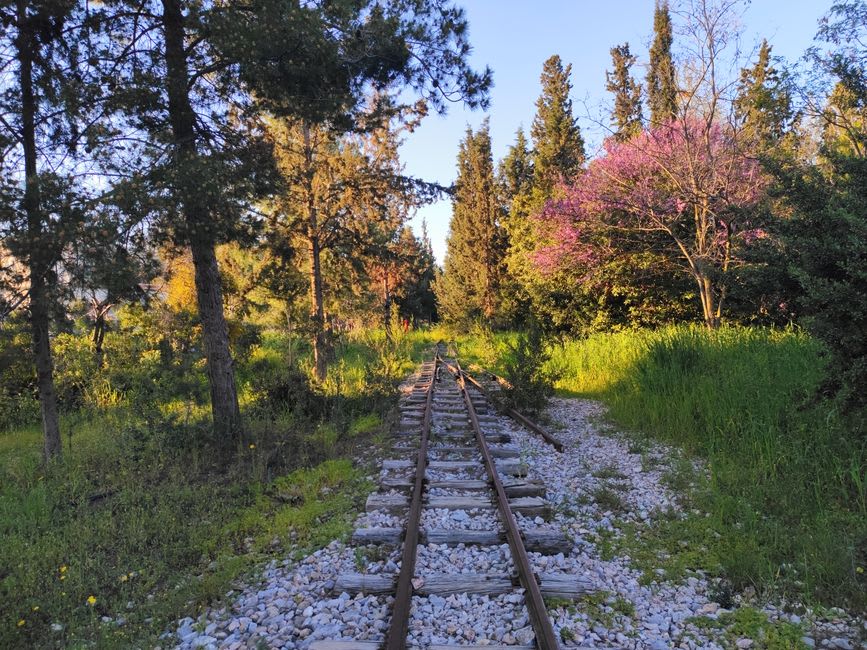
There have been talks for years, on and off, about restoring a section of the old Beirut-Damascus line and reopening Rayak as a working heritage railway, and I hope it happens, because the bones of it are all still here — track gauge, station buildings, even some rolling stock — waiting for money that keeps not arriving. Until then it stays what it is: one of the most evocative pieces of industrial ruin I’ve seen anywhere in Lebanon, entirely by accident rather than design.
When to go: Any season works since the site is exposed and outdoors; go on a weekday morning to have the yard to yourself, and ask locally before approaching — parts of the base are still under military use and off-limits.
Keep exploring
More from Bekaa Valley
 bekaa-valley
 Saghbine
A cherry-orchard village on the western rim of the Bekaa with the best unobstructed view over Lake Qaraoun in the whole valley.
Explore bekaa-valley
 Taanayel
A Jesuit farm estate with artificial lakes and a nineteenth-century monastery, still making cheese and jam the way the monks taught it to.
Explore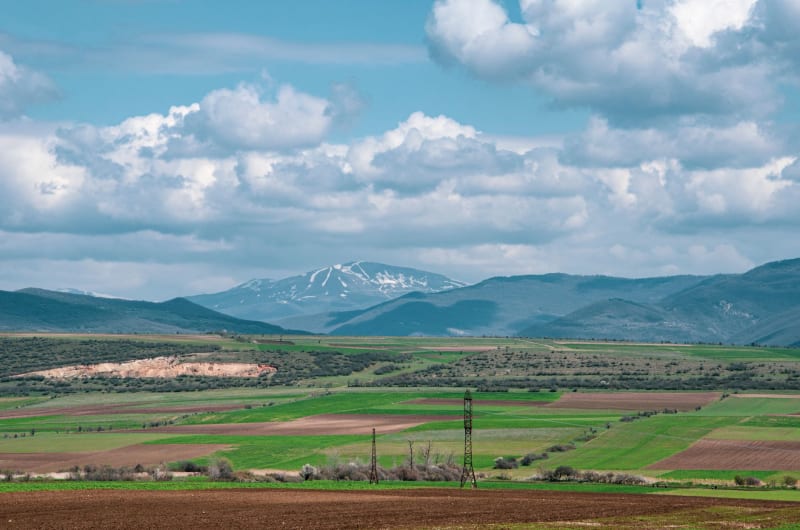 bekaa-valley
 Yammouneh
A remote plateau above Baalbek with sacred springs, Neolithic ruins, and a silence so complete it registers as something physical.
Explore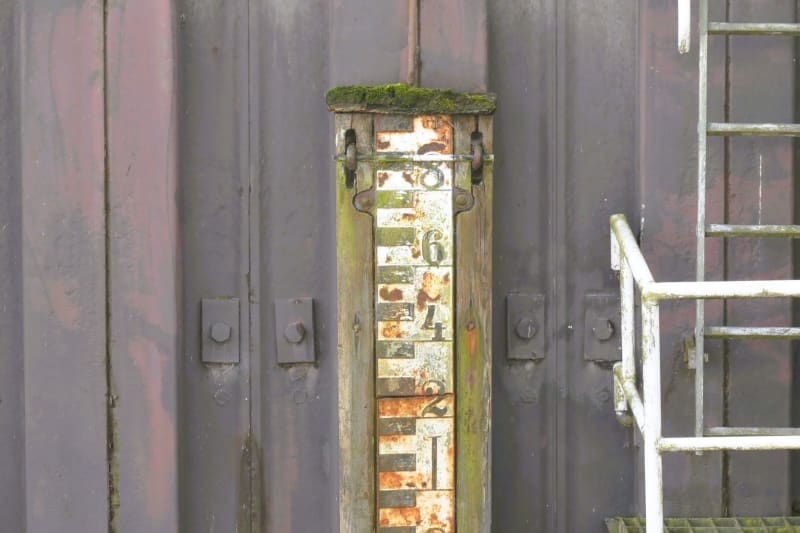 bekaa-valley
 Zahle
Lebanon's arak capital, where restaurants cling to a river gorge and lunch stretches well into the evening without apology.
Explore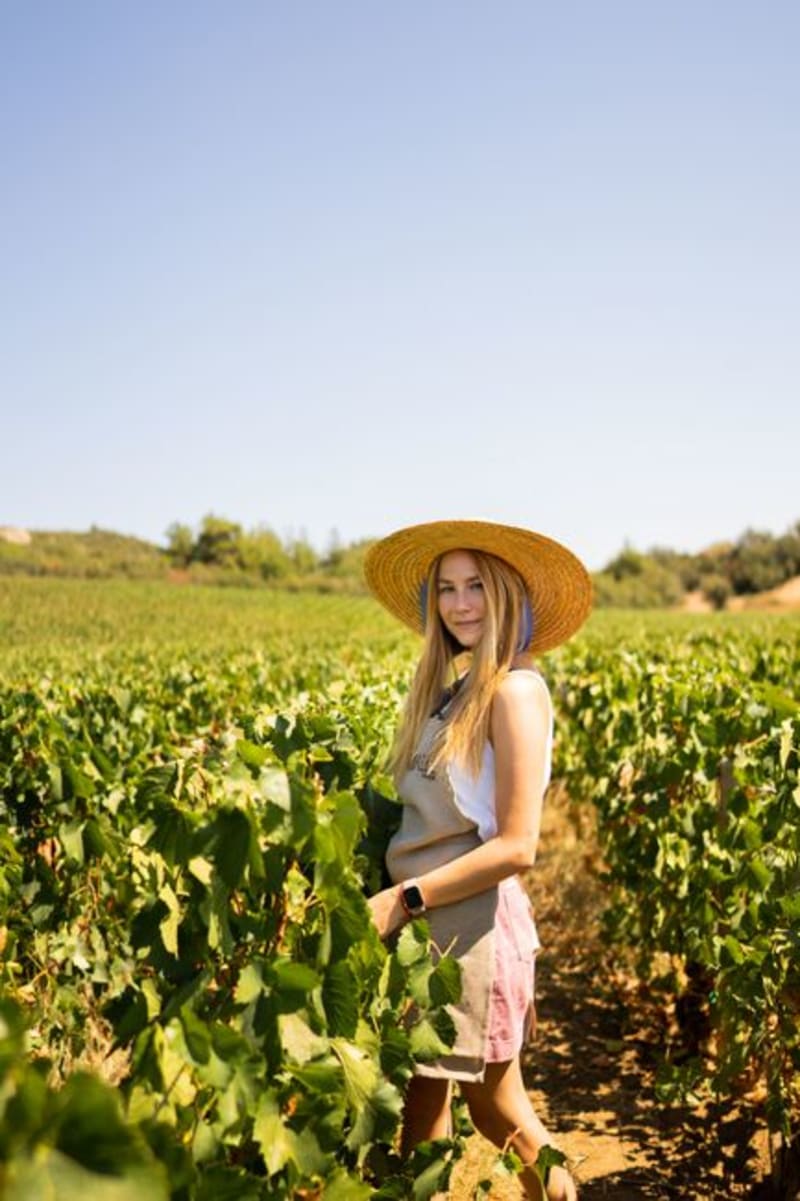 bekaa-valley
 Ablah
A small vineyard village on the Bekaa's wine road where family-run cellars pour you a glass before you've asked for one.
Explore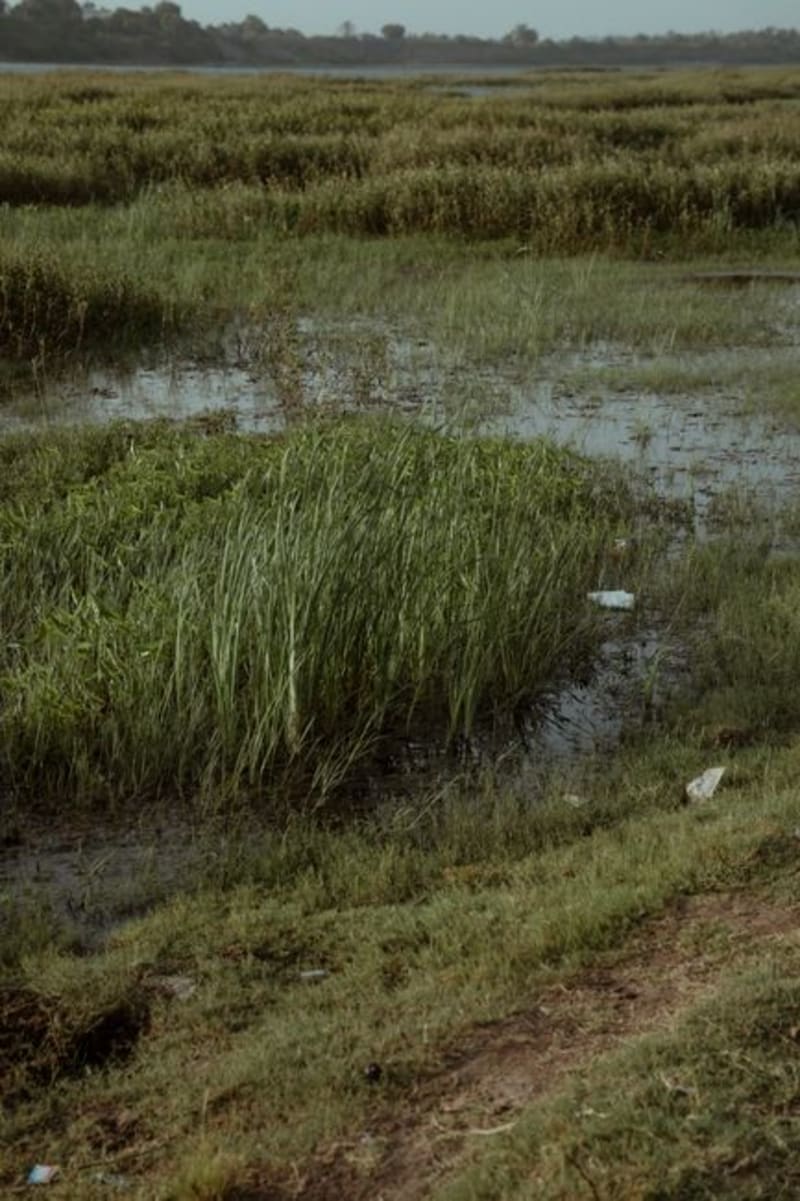 bekaa-valley
 Ammiq Wetland
Lebanon's largest surviving freshwater marsh, a Ramsar-listed refuge where half a million migrating birds pass through twice a year.
Explore