Qab Elias
"This town has never once tried to be picturesque, and I mean that as a compliment."
A crossroads market town on the old Beirut-Damascus highway, loud, unpolished, and more honestly Lebanese than anywhere else in the valley.
Qab Elias sits at the junction where the old road from Beirut over the Dahr el-Baidar pass meets the Bekaa highway running north to south, and it has been a stopping point for travelers on that route since long before anyone paved it. Caravans between Damascus and the coast used to break their journey here, and the town still carries the slightly chaotic, transactional energy of a place built around passing trade rather than tourism — fruit stalls spilling onto the sidewalk, mechanics’ shops with car parts stacked to the ceiling, bakeries with lines out the door at odd hours.
I stopped for what I thought would be ten minutes to buy water and stayed most of an afternoon, mostly because the produce market along the main street was one of the best I’d seen anywhere in the Bekaa — crates of peaches and figs stacked shoulder height, a spice vendor weighing sumac and za’atar on a hand scale that looked older than he was, and a man selling fresh-pressed pomegranate juice from a machine bolted to a cart who refused to let me pay for a second glass. Nobody in Qab Elias is performing hospitality for a visitor’s benefit. It’s simply how the town runs.
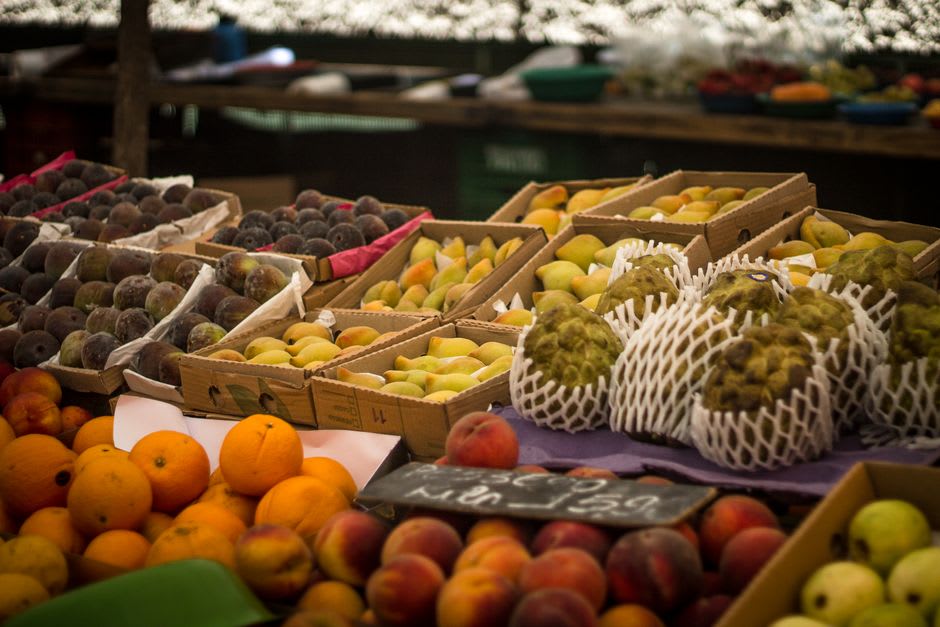
The town’s mixed population — Sunni, Shia, and Druze communities living within a few streets of each other — gives it a social texture that’s rarer in the more homogenous towns further up the valley, and it shows up in small details: three different calls to prayer overlapping at slightly different times, a Druze khalwa visible up a side street from a mosque’s minaret. It is not a place anyone would call beautiful in the postcard sense, but it is one of the more honest slices of how the Bekaa actually lives day to day, away from the vineyards and the temples.
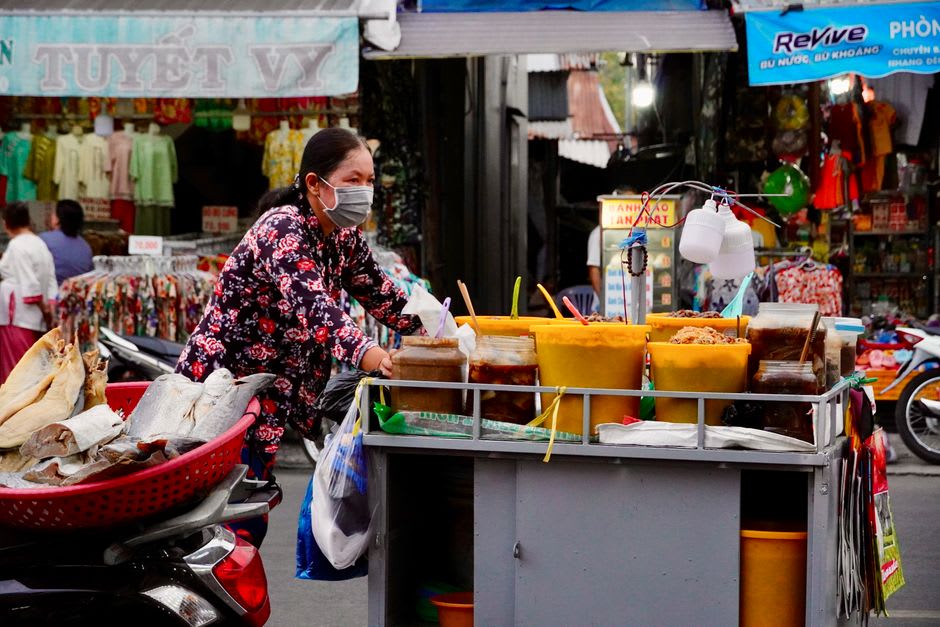
When to go: Any weekday morning, when the market street is at its busiest and freshest — avoid the midday heat when most stalls close for a few hours. It works well as a lunch stop between Beirut and Zahle rather than a destination on its own.
Keep exploring
More from Bekaa Valley
 bekaa-valley
 Rachaya al-Wadi
A stone citadel town under the shadow of Mount Hermon where Lebanon's founding fathers were imprisoned the night before independence.
Explore bekaa-valley
 Rayak
A rusting Ottoman railway junction where Damascus-bound steam locomotives once stopped, now a ghost yard of tracks going nowhere.
Explore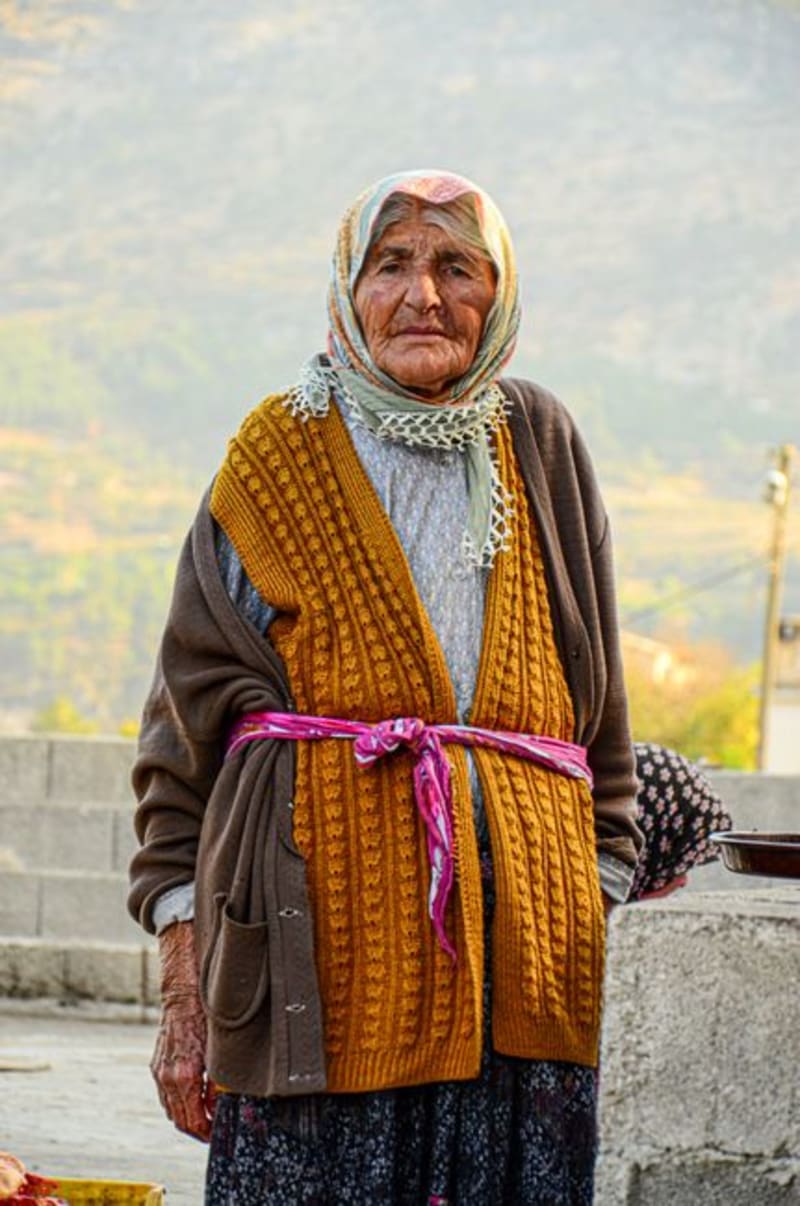 bekaa-valley
 Saghbine
A cherry-orchard village on the western rim of the Bekaa with the best unobstructed view over Lake Qaraoun in the whole valley.
Explore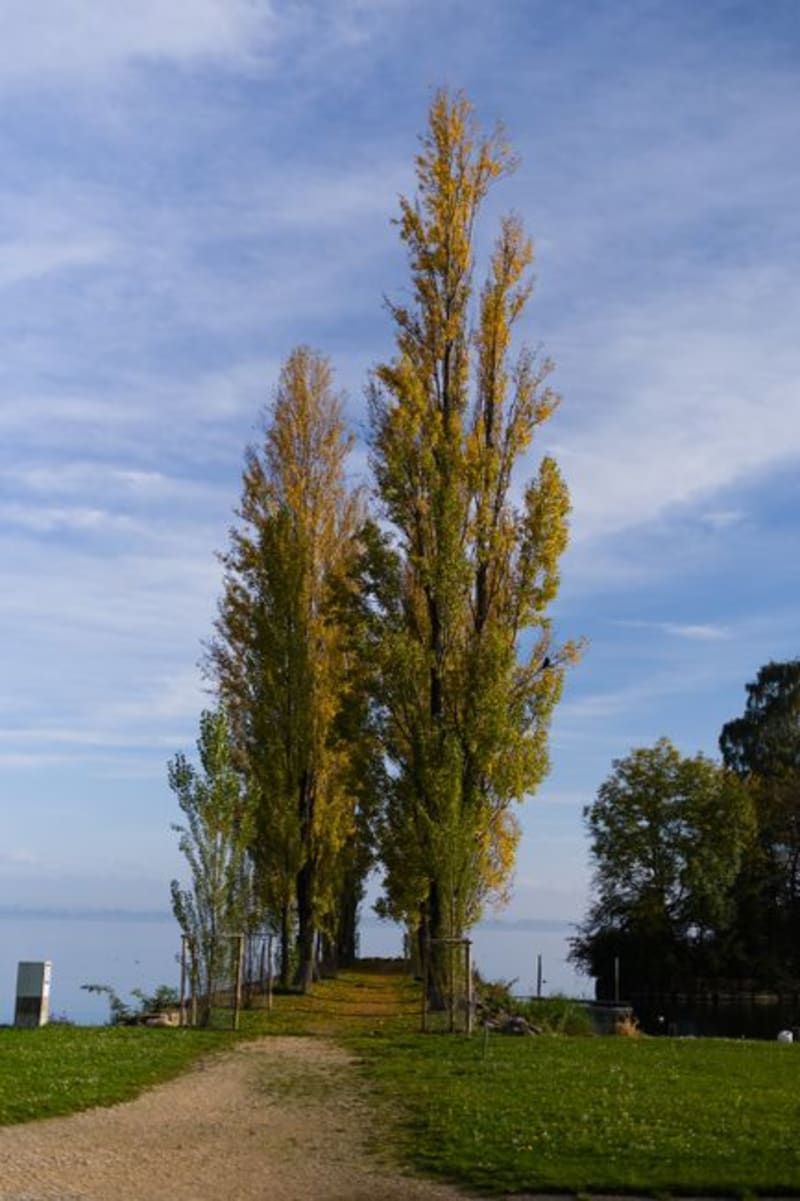 bekaa-valley
 Taanayel
A Jesuit farm estate with artificial lakes and a nineteenth-century monastery, still making cheese and jam the way the monks taught it to.
Explore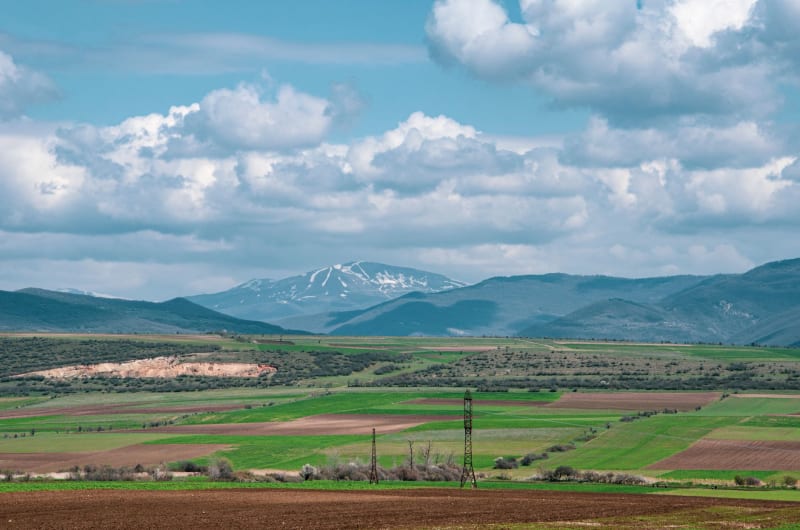 bekaa-valley
 Yammouneh
A remote plateau above Baalbek with sacred springs, Neolithic ruins, and a silence so complete it registers as something physical.
Explore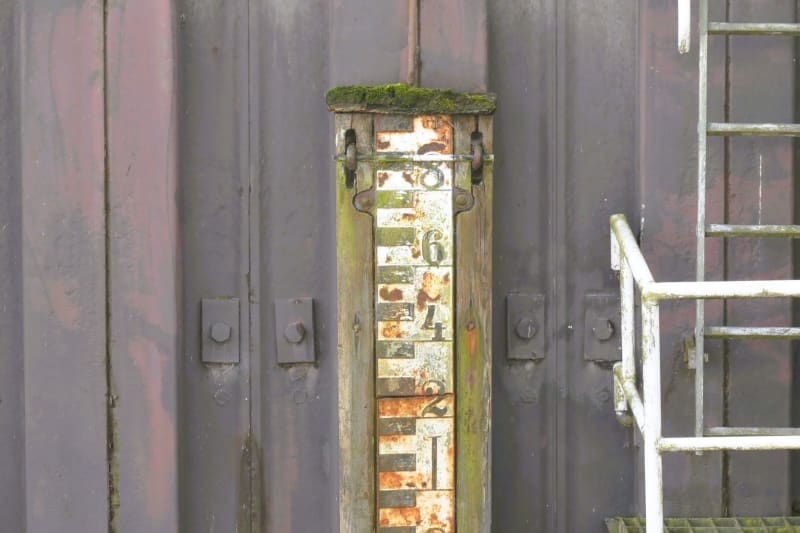 bekaa-valley
 Zahle
Lebanon's arak capital, where restaurants cling to a river gorge and lunch stretches well into the evening without apology.
Explore