Kamed el-Loz
"Three thousand years before Baalbek, someone was already ruling this valley from a hill exactly like this one."
A Bronze Age tell in the southern Bekaa where German archaeologists spent decades uncovering a Canaanite palace almost nobody visits.
I found Kamed el-Loz almost by accident, following a reference in an old excavation report to a mound near the town of Joub Jannine that German teams had dug on and off since the 1960s. There is no sign from the main road, no ticket office, nothing to suggest that beneath a low grassy hill outside an ordinary Bekaa farming town lies one of the most important Bronze and Iron Age sites in Lebanon — a Canaanite city-state called Kumidi that appears in the Amarna letters, the diplomatic archive of the Egyptian pharaohs, as a vassal outpost writing anxious letters to Egypt asking for help against its rivals.
What the excavations uncovered is a layered palace complex, rebuilt across centuries on the same foundations, along with a temple, a treasury, and burial chambers that produced gold jewelry now sitting in the National Museum in Beirut, far from the hill where it was found. Walking the exposed mudbrick walls with nobody else around, I kept returning to the strangeness of the letters — actual correspondence, three and a half thousand years old, from a local ruler here in this valley pleading his case to a king in the Nile Delta. History usually arrives to me as monuments. Here it arrived as a paper trail, and that felt more intimate somehow.
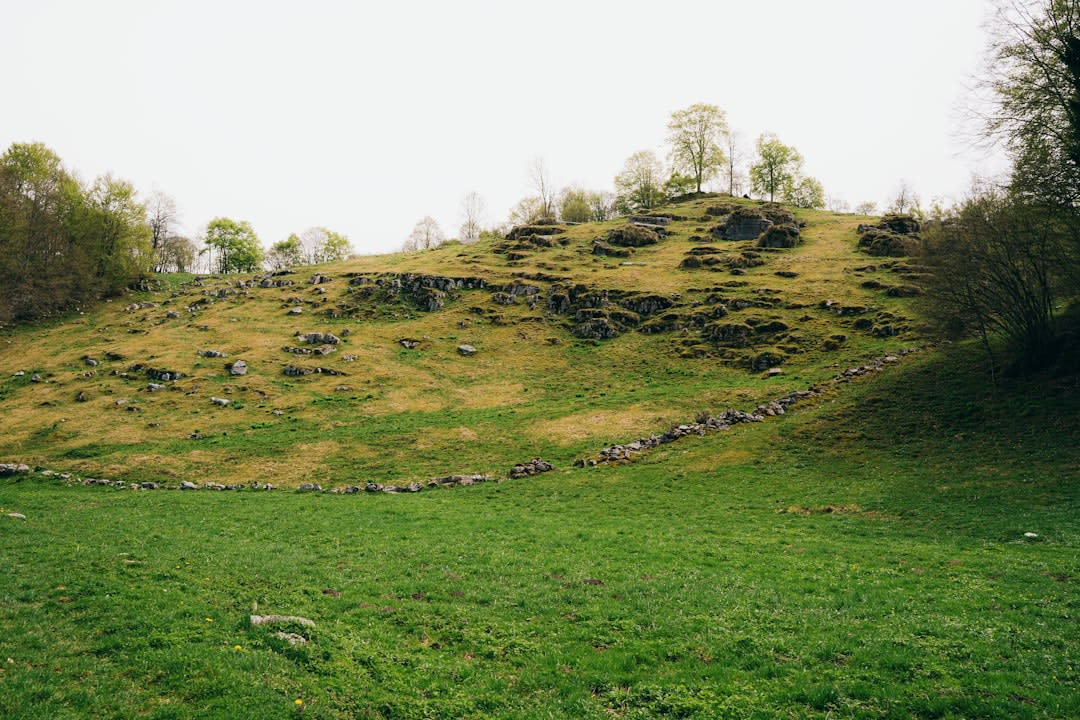
The site is unstaffed and lightly signed in German and Arabic from the original excavation project, weathered boards that explain what you are looking at with more academic precision than most visitors will need. The modern village around the tell goes about its business entirely unbothered by the fact that it sits on top of a diplomatic capital — tractors passed on the dirt track beside the excavation trenches, and a boy herding a small flock of sheep across the mound didn’t so much as glance at the walls his animals were grazing around.
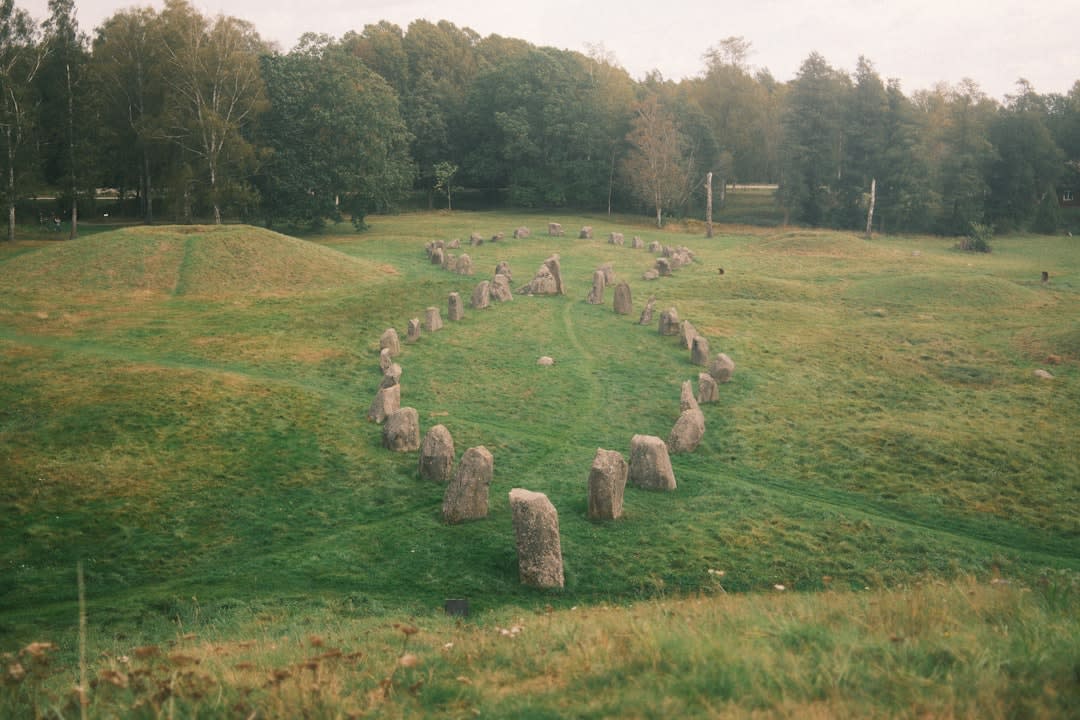
There is no entry fee and, on the afternoon I went, no other visitor. If you want a version of Lebanon’s ancient history that isn’t dressed up for tour buses, this is about as raw as it gets.
When to go: Any dry-weather month works, since the site is entirely outdoors and unshaded — spring and autumn are more comfortable than the peak of summer. Go with some background reading on the Amarna letters; there is no on-site interpretation beyond the original weathered signage.
Keep exploring
More from Bekaa Valley
 bekaa-valley
 Kefraya
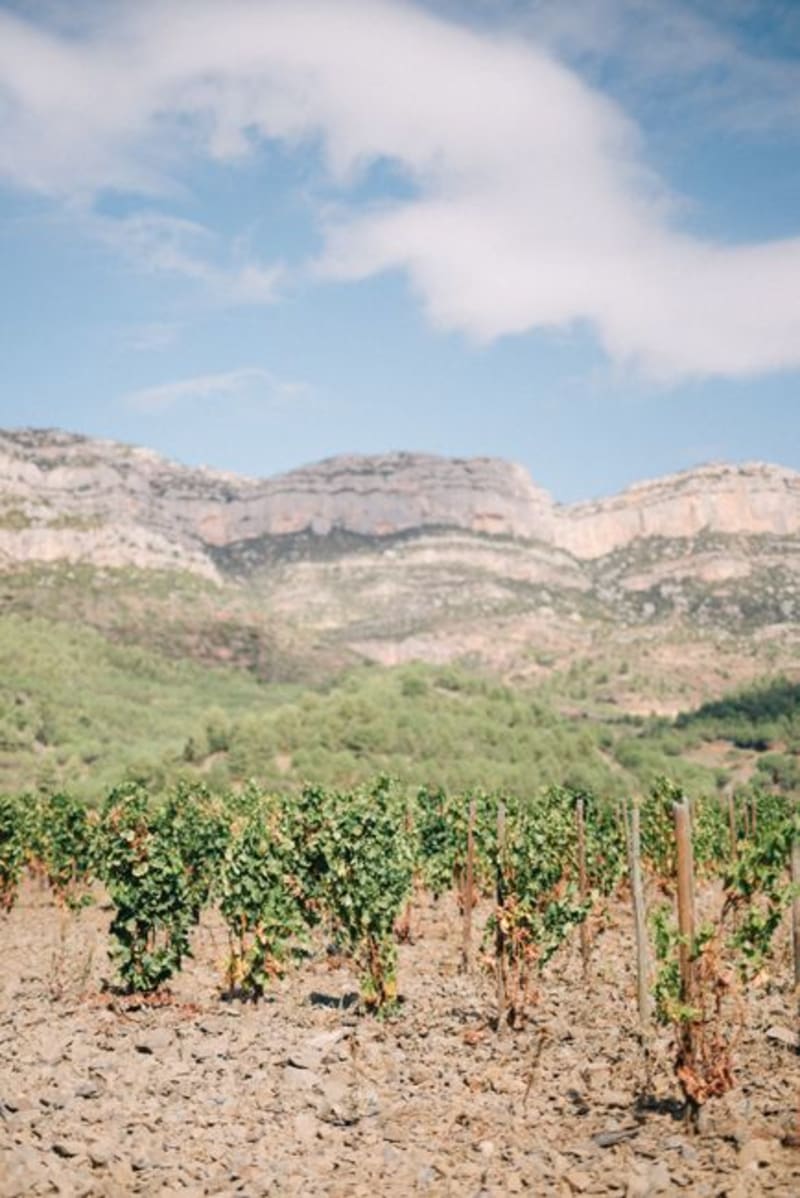
A frontline village turned into one of Lebanon's grandest wine estates, its vines stretching toward the slopes of Mount Hermon.
Explore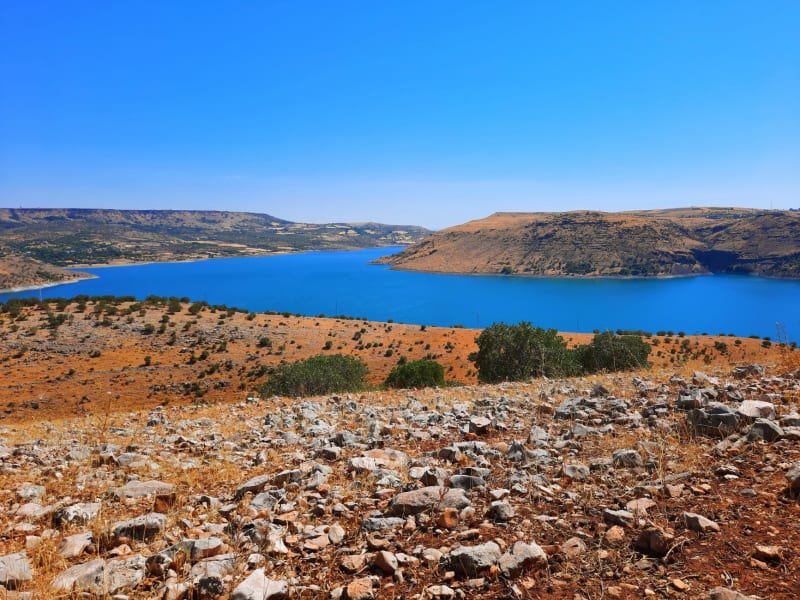 bekaa-valley
 Lake Qaraoun
Lebanon's largest lake sits in a bend of the southern Bekaa, its still water reflecting mountains that most travelers never reach.
Explore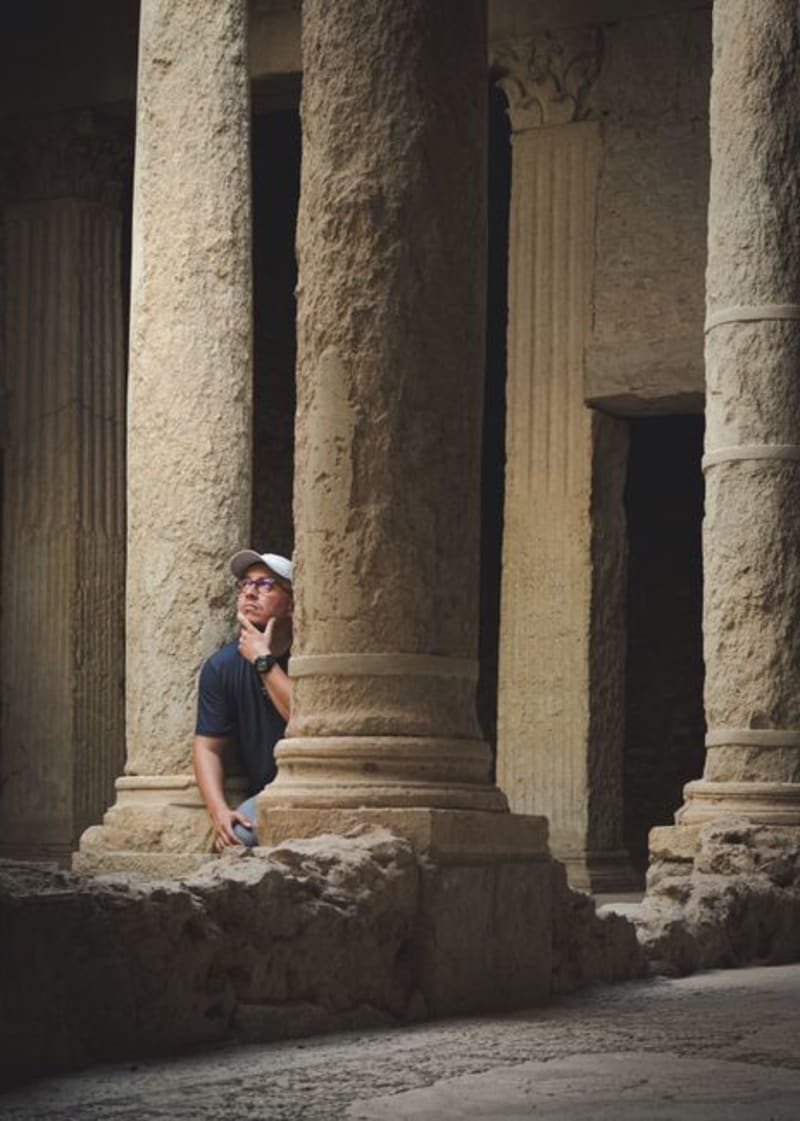 bekaa-valley
 Majdal Anjar
A border town beside a Roman stone quarry where half-cut columns still lie exactly where the carvers abandoned them two thousand years ago.
Explore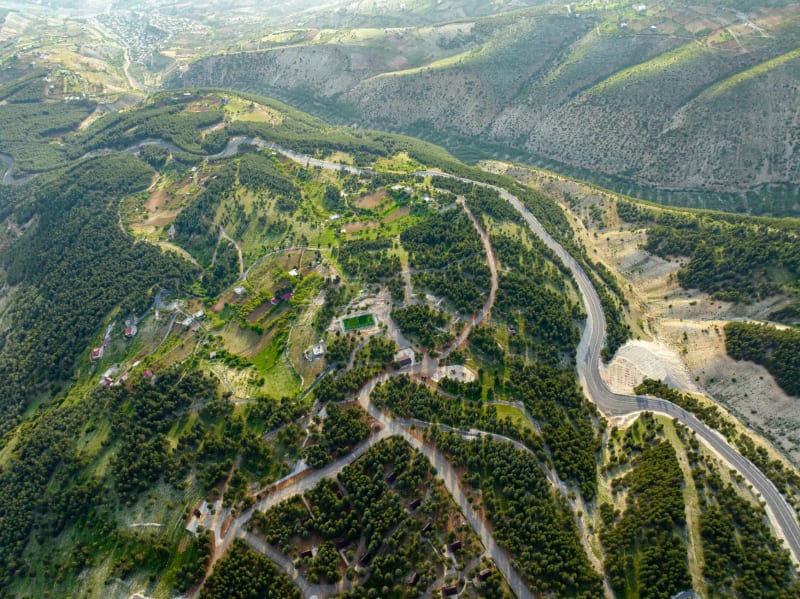 bekaa-valley
 Niha
Two small Roman temples on a hillside above the southern Bekaa, dedicated to local deities no one else worshipped, visited by almost no one.
Explore bekaa-valley
 Qab Elias
A crossroads market town on the old Beirut-Damascus highway, loud, unpolished, and more honestly Lebanese than anywhere else in the valley.
Explore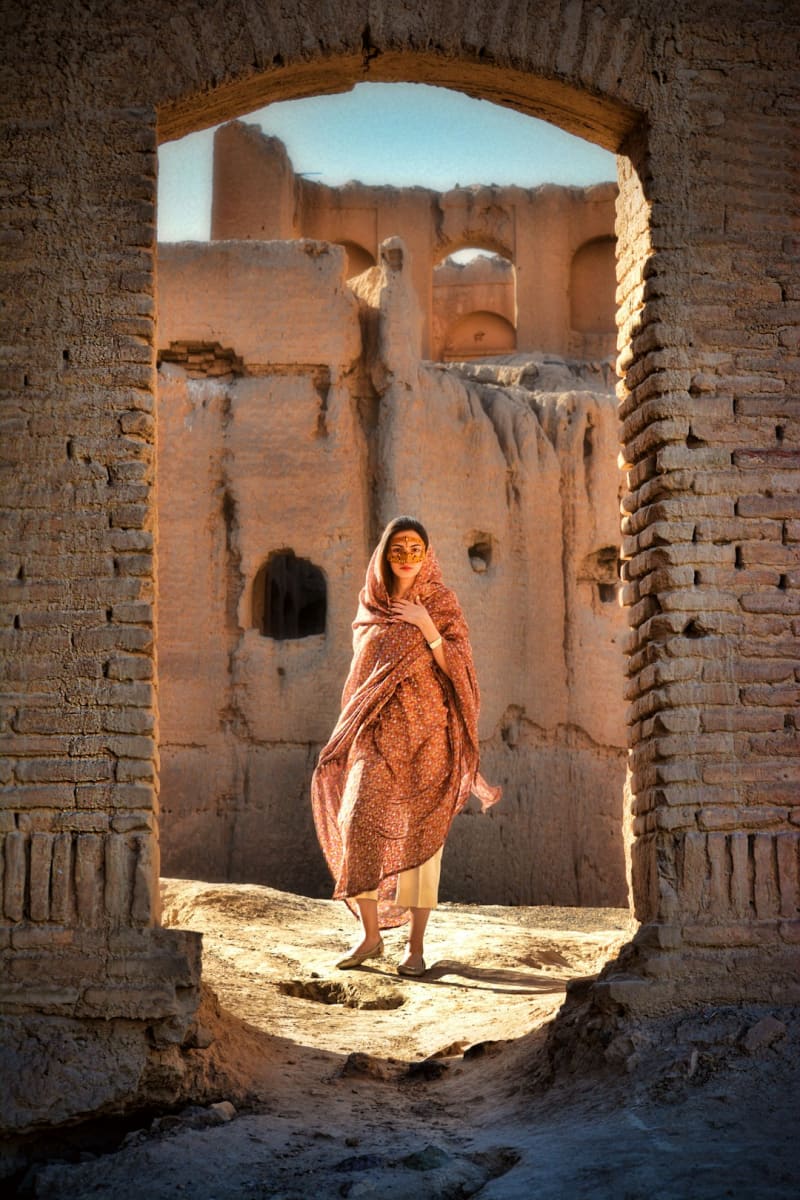 bekaa-valley
 Rachaya al-Wadi
A stone citadel town under the shadow of Mount Hermon where Lebanon's founding fathers were imprisoned the night before independence.
Explore