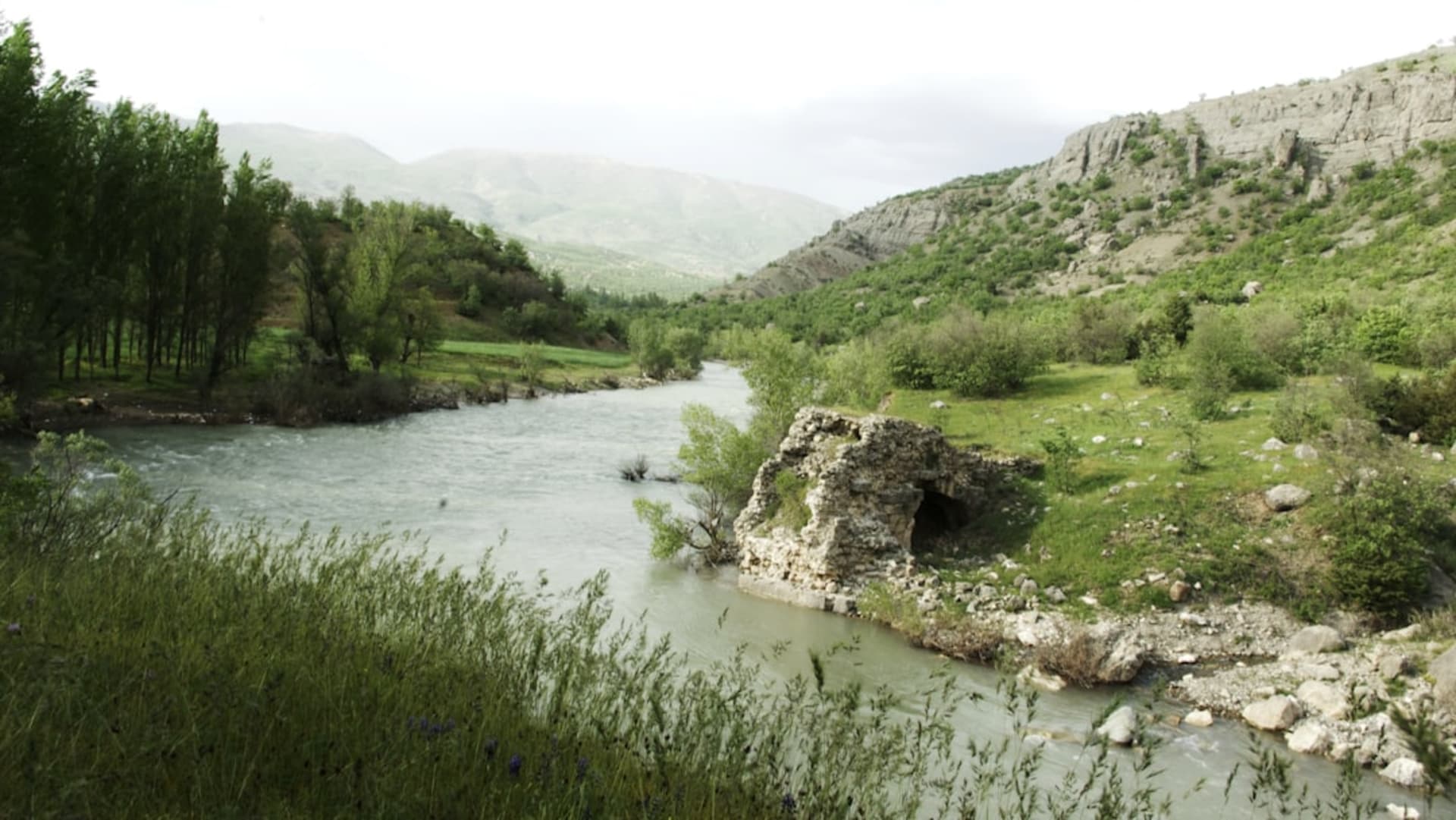
Ammiq Wetland
"This is what the whole valley floor looked like before anyone thought to drain it."
Lebanon's largest surviving freshwater marsh, a Ramsar-listed refuge where half a million migrating birds pass through twice a year.
I almost didn’t stop at Ammiq. Driving the wine road between Kefraya and the lake, it registers first as nothing more than a stretch of reeds and standing water beside the vineyards, easy to mistake for drainage overflow rather than one of the most significant wetlands in the eastern Mediterranean. Then a conservation officer from A Rocha Lebanon, the small NGO that manages the site, pulled his truck alongside mine and asked, not unkindly, whether I knew what I was looking at. I didn’t. Within twenty minutes he had talked me through why this marsh — the last significant remnant of wetlands that once covered much of the Bekaa floor before twentieth-century drainage projects for agriculture — sits directly on one of the busiest migratory bird corridors between Africa and Eurasia.
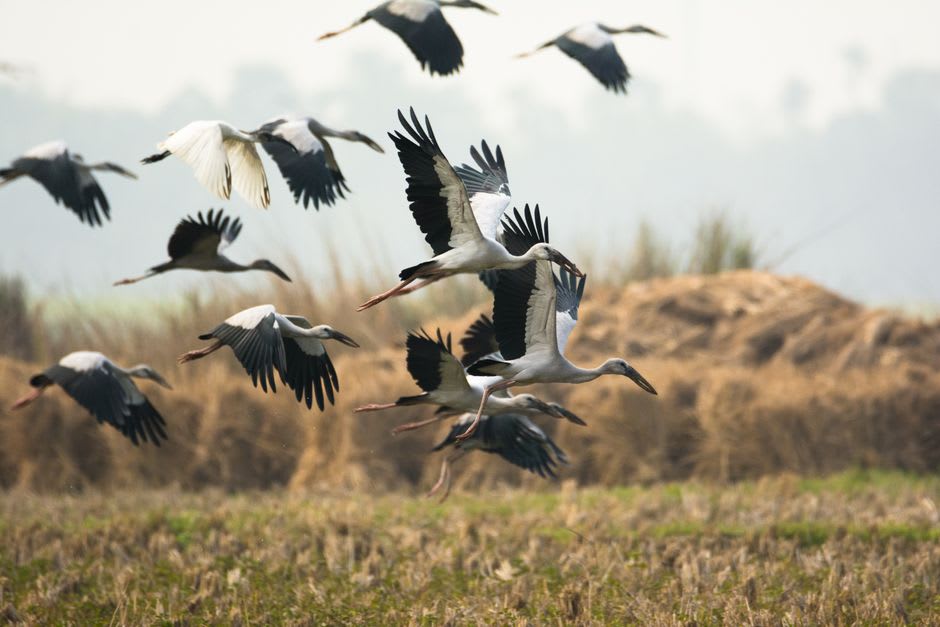
Twice a year, spring and autumn, storks, pelicans, herons, and raptors funnel down through the Bekaa on their way between African wintering grounds and European breeding sites, and Ammiq is one of the last places in the valley they can actually land and feed. I went in late April and watched, through a borrowed pair of binoculars, a squadron of white storks circle down into the reeds in a spiral that looked almost choreographed. The officer told me counts here have recorded tens of thousands of storks moving through in a single week during peak migration — numbers that made the marsh’s quiet, unglamorous ordinariness feel suddenly enormous in scale.
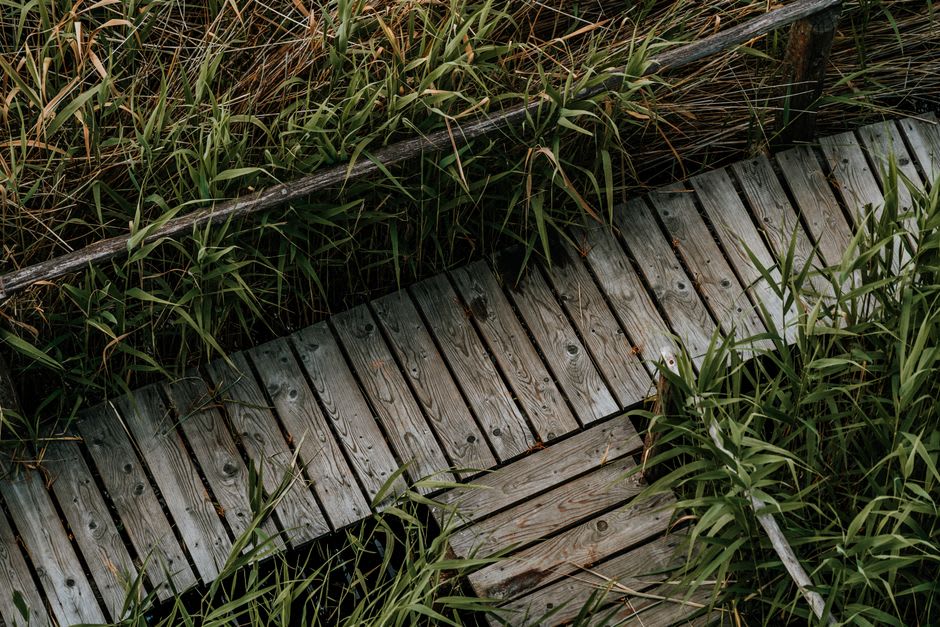
The wetland is bordered by vineyards on one side — Chateau Kefraya’s rows run almost to the water’s edge — which makes for one of the odder juxtapositions in the valley: manicured vine terraces giving way, within a few meters, to wild reed and open marsh water thick with frogs and dragonflies. A boardwalk trail, modest and clearly built on a conservation budget rather than a tourism one, lets you walk out over the wetter sections without sinking to your knees, which I nearly did before finding it.
There is no entry fee, though a donation to the conservation trust that maintains the site feels like the least you can do after watching what they’re protecting.
When to go: Mid-March through May for the spring migration, or September through November for the autumn return, are by far the best windows. Come with binoculars if you have them, and early morning gives the calmest water and the most active birdlife.